
For standard Housing & Development Board (HDB) flats with a 2.6-meter ceiling height, selecting the right ceiling lights from Chan Huat Lighting House requires balancing physical dimensions with visual weight. Because standard HDB ceilings restrict vertical clearance, choosing fixtures that are too deep or overly bulky can make living spaces feel cramped and restrict movement. To maintain a comfortable and safe environment, homeowners must prioritize low-profile flush-mounts, slim LED panels, and carefully positioned semi-flush fixtures. By understanding how fixture diameter, drop length, and light distribution interact with standard room layouts, you can create an open, well-lit home that feels spacious and inviting.
Understanding Spatial Proportions for 2.6m Ceilings
A ceiling height of 2.6 meters is standard across most modern HDB flats in Singapore. This vertical limit means every centimeter of drop from a light fixture directly impacts both physical safety and visual comfort. To ensure residents can walk freely without feeling a fixture is looming overhead, a minimum clearance of 2.1 meters from the floor to the bottom of the light is highly recommended. In high-traffic zones or walkways, raising this clearance to 2.3 meters provides a much safer and more open environment.
The visual weight of a light fixture is determined by its diameter, depth, and material density. A wide, dark, or highly ornate fixture can make a 2.6-meter ceiling feel significantly lower than it actually is, especially in smaller rooms. Conversely, choosing fixtures with slim profiles and lighter colors helps blend the lighting into the ceiling plane, making the room feel taller and more spacious.
Products mentioned in this guide
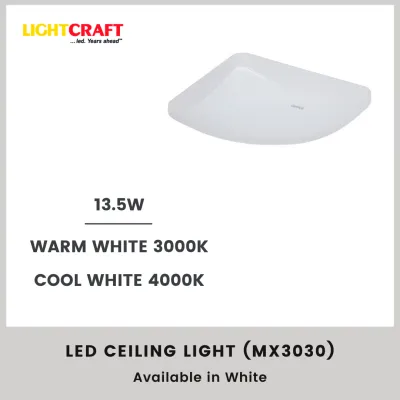
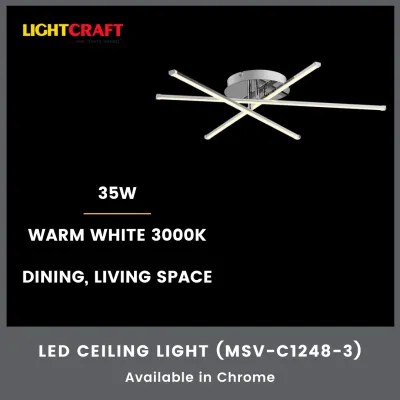
Prices are valid at publication and may change. Please refer to the product page for the latest price.
Wall colors and natural light also play a major role in how spatial proportions are perceived. Light-colored walls reflect illumination upward and outward, which mitigates the shadow lines cast by low-profile flush-mounts. When selecting fixtures from Chan Huat Lighting House, balancing these visual elements ensures that the lighting serves as a functional asset rather than a spatial obstacle.
Opting for bulky statement pieces in a compact HDB room often leads to a cramped aesthetic and uneven light distribution. While a large pendant might look appealing in a high-ceiling showroom, it can dominate a standard HDB living room and restrict movement. Low-profile designs, on the other hand, distribute light wider across the ceiling plane, creating a more balanced and comfortable living environment.
Evaluating Chan Huat Ceiling Light Styles for HDB Layouts
When browsing the selection at Chan Huat Lighting House, understanding the structural differences between flush-mount, semi-flush, and pendant styles is essential for HDB layouts. Flush-mount fixtures sit directly against the ceiling surface, making them the most space-efficient option for low-clearance rooms. Semi-flush mounts drop down slightly, usually by 10 to 20 centimeters, allowing some light to escape upward and soften the ceiling line. Pendant lights hang from a cord or chain, which concentrates light downward but requires careful placement to avoid obstructing walkways.

Different zones within an HDB flat demand distinct lighting profiles to maximize both utility and space. For living rooms, a large but slim flush-mount LED panel provides bright, even illumination without encroaching on the central walking space. In narrow corridors and entryways, compact flush-mounts or recessed downlights keep the path clear while ensuring safety. Dining areas offer more flexibility, as a semi-flush or short pendant can be safely suspended directly over the dining table where foot traffic does not occur.
Certain design features are particularly effective at creating an illusion of height in a 2.6-meter room. Fixtures that incorporate uplighting elements bounce light off the ceiling, drawing the eye upward and making the ceiling appear higher than its physical limit. Slim-profile designs, often measuring less than 5 centimeters in thickness, remain almost flush with the ceiling plane to preserve vertical space. Additionally, fixtures made with transparent or semi-translucent materials, such as clear glass or acrylic, allow light to pass through freely, reducing the visual footprint of the fixture.
Decorative style, perceived color temperature, and spatial effects are highly subjective and should be treated as conditional preferences rather than universal rules. For instance, warm white light can create a cozy atmosphere in bedrooms but may make a small utility room feel dim. Cool white or daylight options are often preferred for task-oriented areas like kitchens and study rooms where clarity is essential. Balancing these preferences with the physical constraints of your HDB flat ensures that each room is both functional and aesthetically pleasing.
Sizing Guidelines and Clearance Checks
Selecting the correct fixture size requires a systematic approach based on the physical dimensions of each room. A reliable guideline for determining the ideal fixture diameter involves measuring the room’s length and width in meters. Adding these two measurements together and multiplying the sum by 10 provides a helpful starting estimate for the fixture’s diameter in centimeters. For example, a bedroom measuring 3 meters by 3 meters would benefit from a fixture with a diameter of approximately 60 centimeters.
Clearance checks must extend beyond simple head height to account for daily activities and structural movements. Any ceiling light installed near wardrobes, bedroom doors, or kitchen cabinets must clear the swing path of those doors completely. It is crucial to measure the distance from the ceiling to the top edge of open doors to ensure the fixture does not obstruct their movement. Furthermore, fixtures placed above high-traffic walkways must be kept high enough to prevent tall occupants or guests from accidentally making contact.
A common sizing mistake in HDB flats is installing a fixture that is too deep for the space, which can lead to a claustrophobic atmosphere and potential safety hazards. Oversized fixtures can also cast harsh, dramatic shadows in the corners of the room if they are not paired with secondary light sources. By performing precise measurements of both the room dimensions and the fixture’s physical specifications before purchasing, homeowners can avoid these common pitfalls and ensure a comfortable, well-lit home.
Verifying Specifications and Installation Requirements
Before finalizing any purchase from Chan Huat Lighting House, verifying the technical specifications of each fixture is critical for safety and compatibility. Homeowners must check the product labels and manuals to confirm the operating voltage matches Singapore’s standard 230V electrical system. Additionally, verify the base or interface type, wattage limits, physical dimensions, and dimming methods to ensure the light operates correctly with existing wall switches or smart home setups.
The physical weight of the fixture dictates the type of mounting hardware and structural support required. Standard HDB concrete ceilings are highly durable, but heavier fixtures like semi-flush mounts or elaborate glass designs require secure anchoring into the concrete slab rather than relying solely on a plastic junction box. If a fixture exceeds the weight limit of standard mounting brackets, structural reinforcements must be installed to prevent the light from loosening over time.
Working with fixed electrical wiring, installing fixtures at height, or mounting lights in damp areas like bathrooms and kitchens carries inherent safety risks. For these installations, it is essential to isolate the power supply at the main distribution board before commencing any work. Homeowners should always follow the manufacturer’s installation instructions carefully and engage a qualified, licensed electrician to handle the wiring and mounting. A professional installer ensures that the fixture is safely grounded, securely fastened, and compliant with local electrical safety standards.
Pre-installation checks should also include an inspection of the existing HDB ceiling junction box and wiring conditions. Older flats may have degraded wiring insulation or outdated mounting brackets that need replacement before a new fixture can be safely installed. Verifying these conditions beforehand prevents unexpected delays and ensures that the new lighting system operates safely and efficiently for years to come.
Frequently Asked Questions (FAQ)
Can I install a chandelier in an HDB bedroom with a 2.6m ceiling?
Yes, you can install a chandelier in an HDB bedroom with a 2.6-meter ceiling, but it requires careful placement and size selection. To maintain safety and comfort, the chandelier should be positioned directly over a non-walkway area, such as the center of a bed or a bedside table, where people do not walk. If the chandelier is placed in a walkway, you must ensure the bottom of the fixture remains at least 2.1 meters above the floor. For bedrooms where space is limited, choosing a mini-chandelier or a semi-flush mount alternative with a short drop length is often a safer and more visually balanced option.
Do Chan Huat lights come with adjustable drop lengths?
Many pendant and hanging fixtures available at Chan Huat Lighting House feature adjustable cables, chains, or rods that allow you to customize the hanging height. When shopping, it is important to check the product specifications or consult with the retailer to confirm the minimum and maximum drop limits of the specific model. Adjusting the drop length during installation allows you to tailor the fixture to your HDB flat’s 2.6-meter ceiling height, ensuring the light hangs at a safe and visually appealing level. Always ensure that any adjustments are secured according to the manufacturer’s instructions before completing the installation.
Community discussion
Share your experience or ask a question. Comments are reviewed before publication.