
Standard Housing Development Board (HDB) flats in Singapore typically feature a floor-to-ceiling height of 2.6 meters. While this height is highly functional, it often leaves homeowners feeling restricted to plain, flat flush-mount LED panels when planning their interior lighting.
You do not have to sacrifice elegance or settle for uninspired fixtures. Chandelier ceiling lights can work beautifully in a 2.6m HDB flat, provided you select low-profile designs—such as semi-flush mounts, horizontal geometric fixtures, or linear styles—that limit the total vertical drop to 40cm or 50cm. This careful selection preserves a safe, comfortable floor clearance of 2.1m to 2.2m for walkways while introducing a striking visual focal point to your home.
By understanding the spatial math of low ceilings, choosing the right fixture configurations, and adhering to local installation safety standards, you can elevate your HDB interior without compromising on headroom or safety.
Products mentioned in this guide
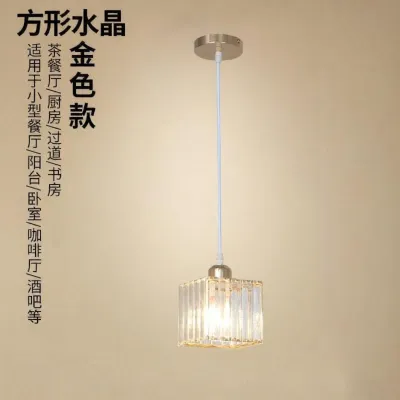
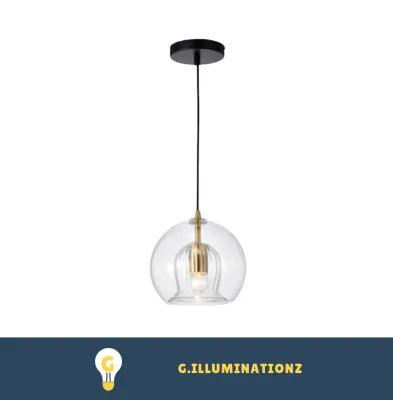
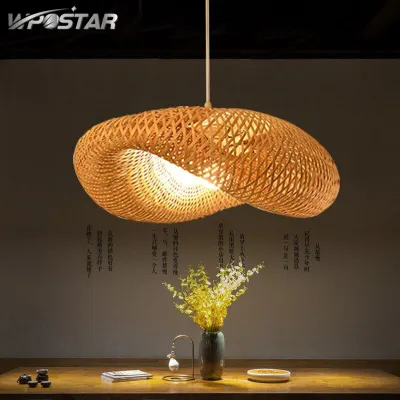
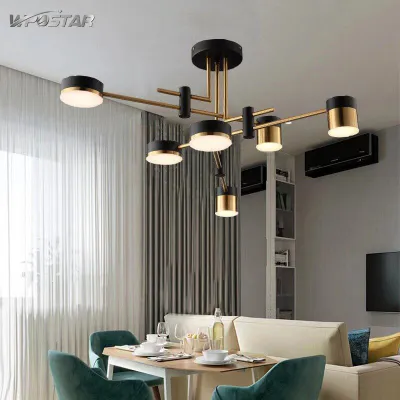
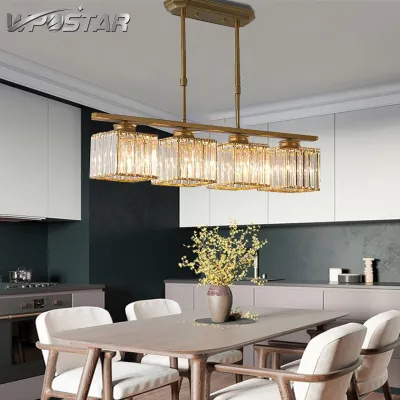
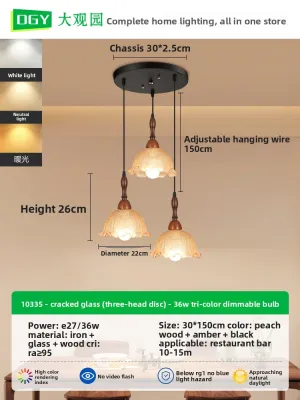
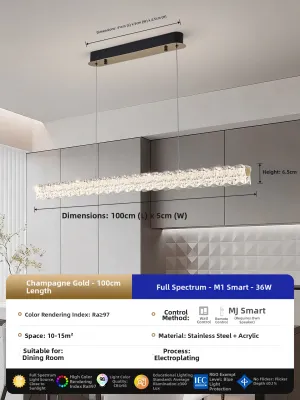
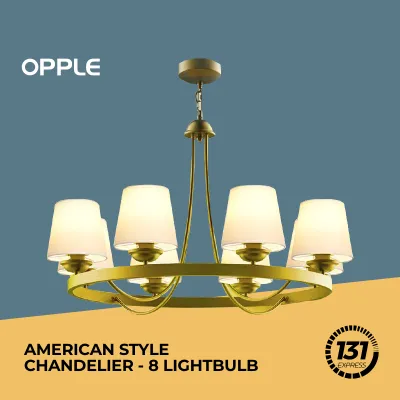
Prices are valid at publication and may change. Please refer to the product page for the latest price.
Clearance and Proportion Rules for 2.6m Ceilings
When designing for a standard 2.6m HDB ceiling, physical safety and spatial comfort must guide your lighting choices. Walkways, corridors, and open living areas require a minimum vertical clearance of 2.1 to 2.2 meters from the floor to the lowest point of the light fixture. This ensures that tall family members and guests can walk freely throughout the home without the risk or fear of colliding with a hanging light.
Calculating your maximum allowable fixture drop is a straightforward mathematical exercise. Subtract your required walkway clearance from your actual ceiling height. For a standard 2.6m ceiling, subtracting a safe clearance of 2.1m leaves you with a strict maximum fixture drop of 50cm. If you prefer a more generous clearance of 2.2m, your maximum allowable drop shrinks to 40cm. This total drop measurement must include the mounting canopy, any hanging chains or rods, and the body of the chandelier itself.
In addition to vertical clearance, you must consider the horizontal proportions of the fixture to prevent it from overwhelming a compact HDB room. A simple interior design formula can help you determine the ideal fixture diameter. Add the length and width of your room in meters, then multiply that sum by 10 to find the recommended fixture diameter in centimeters. For example, a living room measuring 3 meters by 4 meters has a sum of 7, suggesting an ideal chandelier diameter of approximately 70cm.
Finally, low ceilings bring light sources closer to the human eye level, which drastically changes how light is dispersed. Exposed bulbs on a low-hanging chandelier can create intense, uncomfortable glare and cast harsh shadows across the room. To mitigate this, select fixtures that incorporate frosted glass, fabric diffusers, or integrated LED arrays that direct light sideways or upward toward the ceiling, creating a softer and more even distribution of ambient light.
Chandelier-Style Designs That Fit Low Ceilings
Semi-Flush Mount Chandeliers
Semi-flush mount chandeliers are highly effective for low-ceiling spaces because they bridge the gap between flat flush mounts and traditional hanging fixtures. These lights feature a very short stem or collar that suspends the main decorative body just a few centimeters below the ceiling. This small gap allows light to cast upward and bounce off the ceiling surface, creating an airy, ambient glow that visually expands the room while keeping the total vertical drop well under 40cm.

Low-Profile Geometric and Crystal Designs
Modern design has reimagined the classic crystal chandelier by expanding its footprint horizontally rather than vertically. Low-profile geometric and crystal fixtures utilize flat, multi-tiered rings, interlocking squares, or branching metal arms that sit close to the ceiling. These designs deliver the luxurious sparkle of crystal or the clean lines of modern metalwork over a wide area, maximizing visual impact without encroaching on your physical headroom.
Drum Shade Chandeliers
Drum shade chandeliers feature an enclosed or semi-enclosed fabric, metal, or acrylic drum that wraps around the internal light source. This design is exceptionally suited for cozy HDB spaces because the shade acts as a natural diffuser, softening the light and eliminating harsh glare. The structured, clean lines of a drum shade offer a contemporary aesthetic that fits neatly into minimalist, Scandinavian, or modern luxury interior themes.
Multi-Light Linear Fixtures
For dining areas and dry kitchens, multi-light linear fixtures provide an elegant alternative to central vertical chandeliers. These fixtures arrange multiple light sources horizontally along a single slim bar, distributing light evenly across long surfaces. Because they are designed to hang over tables or countertops, they do not interfere with standard walking paths, allowing you to enjoy the dramatic look of a suspended fixture without compromising room flow.
Sizing Guide for Different HDB Room Layouts
Dining Areas
Because the dining table acts as a natural physical barrier that people do not walk through, you have slightly more flexibility with fixture drop in this zone. The bottom of your dining room chandelier should hang approximately 75cm to 85cm above the tabletop. For a standard dining table height of 75cm, this places the lowest point of the light at 1.5m to 1.6m from the floor, which is safe and comfortable for seated guests. Ensure the fixture’s diameter is at least 30cm narrower than the width of your dining table to prevent anyone from bumping into it when standing up.
Living Rooms and Walkways
Living rooms are high-traffic zones where family members frequently move around, making maximum headroom clearance essential. For these open spaces, prioritize wider, flatter semi-flush mount designs that do not exceed a 40cm drop. If your living room features a central coffee table, you can position the light directly above it to minimize the risk of accidental contact, but keep the fixture relatively high to preserve clean sightlines across the room.
Bedrooms
Bedrooms require soft, glare-free illumination that fosters relaxation. Choose smaller, dimmable chandelier ceiling lights with a diameter of 40cm to 50cm. If you install the fixture directly over the bed, ensure it has a low profile so it does not feel visually oppressive when you are lying down. Additionally, verify that the placement of the light does not obstruct the swing of tall built-in wardrobe doors.
Recommended Fixture Dimensions by Room Type
| Room Type / Layout | Table Size (if applicable) | Recommended Fixture Diameter | Maximum Drop Length |
|---|---|---|---|
| Living Room (Walkway Zone) | N/A | 60cm – 80cm | 40cm – 45cm |
| Dining Area (4-Seater Table) | ~1.2m length | 50cm – 60cm | 50cm – 60cm (above table) |
| Dining Area (6-Seater Table) | ~1.6m length | 60cm – 75cm | 50cm – 60cm (above table) |
| Master Bedroom | N/A | 45cm – 55cm | 40cm |
| Common Bedroom | N/A | 35cm – 45cm | 35cm |
Installation and Safety Considerations for HDB Flats
Installing decorative lighting in an HDB flat requires careful attention to structural support and electrical safety. Traditional concrete HDB ceilings are robust, but heavy metal or crystal chandeliers still require secure mounting brackets. Always ensure that your installer uses appropriate metal expansion bolts (dynabolts) anchored directly into the concrete slab, rather than relying on standard plastic wall plugs, which can degrade and fail under a heavy load over time.
Before purchasing any light fixture, especially from online marketplaces, verify its electrical compatibility. Singapore’s electrical grid operates at 230V and 50Hz, and all installed fixtures must match these specifications. Look for products that carry recognized local or international safety certifications on their packaging, ensuring that the internal wiring, driver components, and bulb sockets meet high safety standards.
While swapping a simple bulb is a straightforward task, any work involving fixed wiring, reinforcing a ceiling, or relocating an existing light point must be handled by a licensed electrical technician. Working at heights or handling heavy, fragile fixtures carries inherent risks. Always isolate the main power supply at your home’s distribution board (DB box) by turning off the relevant circuit breaker before attempting any electrical inspection or installation work.
Common Sizing and Placement Mistakes
- Choosing an Excessive Vertical Drop: Falling in love with a tall, cascading chandelier displayed in a high-ceiling showroom is a common pitfall. Once installed in a 2.6m HDB flat, these fixtures hang too low, creating an immediate physical hazard and making the room feel incredibly cramped.
- Ignoring Visual Weight: A fixture with dense, dark metal frames or thick, opaque glass can feel massive and heavy, even if its physical measurements technically fit the space. This visual bulk draws the eye downward, visually lowering the ceiling and making the room feel smaller.
- Failing to Account for Surrounding Elements: Homeowners often forget to check the clearance paths of other ceiling installations. A wide chandelier can easily block the airflow of a ceiling fan, get struck by moving fan blades, or prevent tall built-in wardrobe doors from opening fully.
- Buying Solely on Aesthetic Appeal: Purchasing a light fixture online based on stylized photos without carefully checking the specifications sheet is a major risk. Always measure your room's height, calculate your clearance limits, and compare them against the exact dimensions of the fixture before buying.
Frequently Asked Questions (FAQ)
Can I install a chandelier ceiling light if my HDB has a false ceiling?
Yes, but you cannot mount a heavy chandelier directly onto the gypsum board or plasterboard of a false ceiling, as these materials lack the structural strength to support the weight. The mounting bracket must be anchored securely to the original concrete slab above using threaded suspension rods or heavy-duty extension brackets. For very lightweight fixtures under 2kg, specialized toggle bolts may be used, but you should always consult a professional installer to assess the structural integrity of your ceiling before proceeding.
How do I clean a low-hanging chandelier ceiling light safely?
To clean your chandelier safely, first turn off the main wall switch and allow the bulbs to cool down completely to avoid burns or electrical shocks. Never stand on a dining chair or unstable furniture; instead, use a sturdy, slip-resistant A-frame step ladder to reach the fixture comfortably. Gently wipe the crystals, glass, or metal frames using a dry, lint-free microfiber cloth, and avoid spraying liquid cleaners directly onto the fixture to prevent moisture from seeping into the electrical components.
Community discussion
Share your experience or ask a question. Comments are reviewed before publication.