
Choosing the right Xiaoying figurine collections for your home display involves balancing artistic appreciation with practical home integration. These collectible sculptures, known for their distinct eagle-themed designs and detailed craftsmanship, can serve as striking focal points in a living room, study, or entrance foyer. To find a piece that is truly worth buying, you must look beyond initial visual appeal and evaluate the material durability, the precision of the craftsmanship, and how well the sculpture’s style complements your existing interior decor. In a tropical environment like Singapore, where high humidity and ambient warmth can affect certain materials over time, making an informed choice ensures your investment remains a beautiful centerpiece for years to come.
Evaluating Materials and Styles for Xiaoying Figurines
When selecting a Xiaoying figurine, the material of construction is one of the most critical factors determining both its visual texture and its long-term durability. Synthetic resin is a highly popular choice for modern figurines because it allows sculptors to capture incredibly intricate details, from the fine texture of individual feathers to the sharp contours of the eagle’s beak. Resin is also relatively lightweight, making it highly versatile for placement on various shelving units without overloading them. However, painted resin can be sensitive to prolonged exposure to direct sunlight and high humidity, which may cause the colors to fade or the surface finish to degrade over time.
Ceramic figurines offer a classic, elegant alternative with a smooth, reflective glaze or a refined matte finish. These pieces possess a satisfying weight and are highly resistant to moisture, making them exceptionally durable in humid climates. The firing process gives ceramic a timeless quality, but it also makes the figurine highly fragile; an accidental knock can result in irreversible chipping or shattering. Ceramic designs often lean toward more stylized or traditional aesthetics, bringing a sense of quiet sophistication to formal living areas or glass-fronted display cabinets.
Products mentioned in this guide
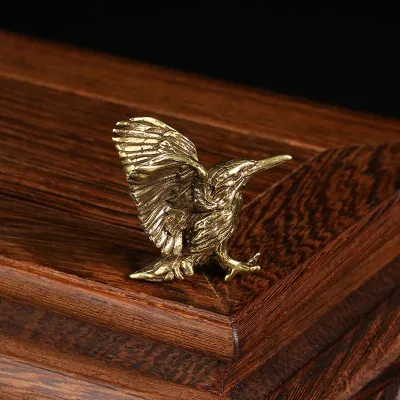
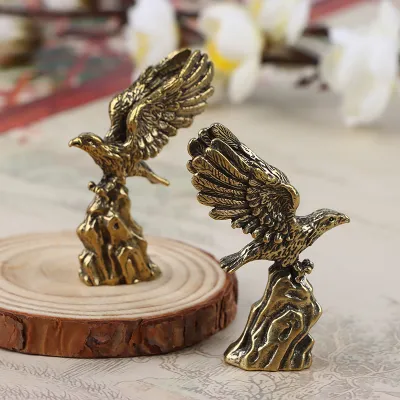
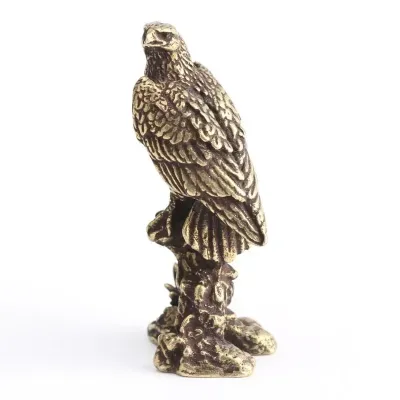
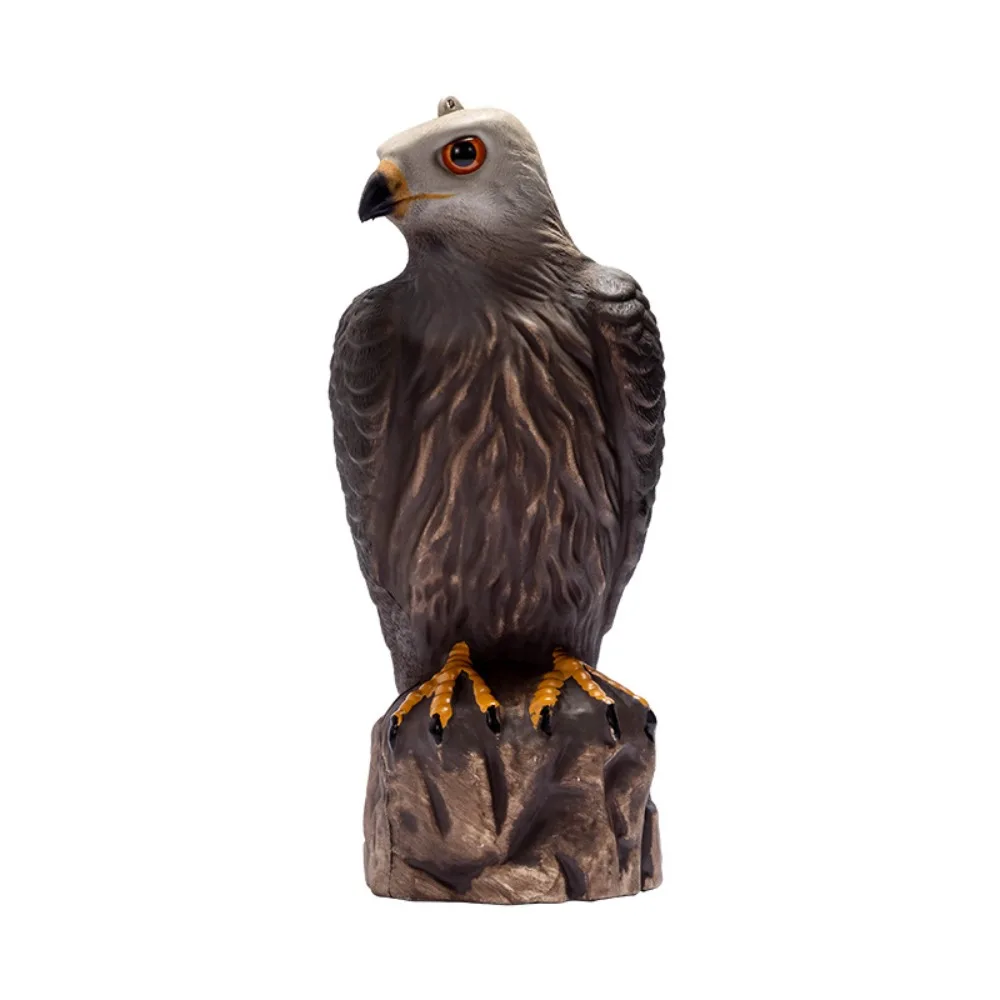
Prices are valid at publication and may change. Please refer to the product page for the latest price.
For a more industrial or premium feel, metal figurines—often cast in bronze, brass, or zinc alloys—provide unmatched durability and a substantial physical presence. Metal sculptures are virtually indestructible under normal household conditions, making them excellent choices for high-traffic areas like entryways or low coffee tables. Over time, certain metals may develop a natural patina when exposed to air and moisture, a characteristic that many collectors value for its antique charm. If you prefer a pristine, polished look, metal pieces will require occasional buffing with specialized cloths to maintain their original luster.
Wood figurines, whether hand-carved or precision-milled, introduce an organic warmth and unique grain patterns that cannot be replicated by synthetic materials. They align beautifully with Scandinavian, rustic, or minimalist interior designs, adding a touch of nature to the indoor environment. However, wood is highly sensitive to fluctuations in indoor humidity and temperature. In tropical climates, unprotected wood can absorb moisture, leading to warping, swelling, or even cracking if placed near air conditioning vents or open windows.
Beyond the material itself, the design style of the figurine must harmonize with your home’s overall aesthetic. Realistic sculptures capture the raw power and anatomical accuracy of the eagle, making them ideal for traditional studies, libraries, or rustic decors. Abstract designs, which simplify the bird’s form into sweeping curves and dynamic angles, fit seamlessly into modern, high-end apartments where the focus is on clean lines and artistic expression. Minimalist styles use understated shapes to evoke the essence of flight, offering a subtle decorative touch that enhances a space without cluttering it.
Assessing Craftsmanship and Display Quality
Evaluating the craftsmanship of a Xiaoying figurine before purchasing is essential to ensure you are receiving a high-quality piece that justifies its cost. Begin by conducting a close visual inspection of the surface finishes under bright, neutral lighting. Examine the paint application for consistency, looking closely at the transitions between different colors and shades. High-quality figurines feature smooth gradients and clean boundaries, whereas lower-grade pieces often exhibit paint runs, visible brush strokes, or tiny air bubbles trapped beneath the protective topcoat.

The precision of the sculpted details is another hallmark of superior craftsmanship. Pay close attention to the most complex areas of the sculpture, such as the eagle’s eyes, talons, and the layering of its feathers. The eyes should have a sharp, lifelike expression with perfectly aligned pupils, as any misalignment can make the figurine look awkward or poorly manufactured. The talons and beak should be sharply defined, showcasing the powerful character of the bird rather than appearing blunt or rounded off due to poor casting molds.
Structural stability is a practical aspect of quality that directly affects the safety of your display. A well-designed figurine must have a balanced center of gravity, ensuring it sits flat and secure on a level surface without any wobbling. This is particularly important for dynamic poses, such as an eagle depicted in mid-flight or perched precariously on a branch. Inspect the base of the sculpture to ensure it is wide and heavy enough to support the upper structure, and check that any delicate protruding parts, like extended wingtips, feel structurally sound and firmly integrated into the main body.
Finally, look for official manufacturer markings, stamps, or authenticity labels, which are typically located on the underside of the figurine’s base. Genuine collector pieces often feature engraved signatures, brand logos, or production batch numbers that verify their origin. If you are investing in a limited edition collection, check for accompanying documentation, such as a numbered certificate of authenticity. These markings not only confirm the piece’s legitimacy but also preserve its long-term value should you decide to trade or sell it to other collectors in the future.
Integrating Xiaoying Figurines Into Your Living Space
Successfully displaying your Xiaoying figurine requires careful consideration of scale, proportion, and spatial balance within your home. In typical Singaporean residential spaces, such as HDB flats or condominiums, furniture and shelving are often designed to maximize efficiency, meaning display areas can be relatively compact. A large, aggressive sculpture can easily overwhelm a small console table or a narrow floating shelf, making the room feel cramped. Conversely, a small figurine placed on a spacious sideboard may look insignificant and lost. Measure your intended display surface and aim for a figurine height that occupies roughly one-third to one-half of the vertical clearance, leaving ample breathing room around the piece.
Lighting plays a transformative role in highlighting the three-dimensional form and intricate textures of your sculpture. Directional lighting, such as adjustable ceiling spotlights or dedicated LED cabinet lights, can cast subtle shadows that accentuate the depth of the carved feathers and the contours of the muscles. However, avoid using high-wattage halogen bulbs, which emit significant heat that can warp resin or crack delicate painted finishes over time. Instead, opt for cool-running, low-voltage LED fixtures. If you plan to install fixed wiring or integrated lighting inside your display cabinets, always isolate the power supply before starting the installation, follow the manufacturer’s instructions carefully, or hire a qualified professional to ensure the electrical setup is safe and compliant with local standards.
To prevent your collection from looking like a cluttered retail shelf, practice thoughtful curation when grouping multiple pieces. If you have several figurines from the same Xiaoying collection, try displaying them in odd numbers, such as a group of three, which is naturally more pleasing to the eye. Vary the heights of the objects in the display by placing some figurines on small wooden risers or stacks of art books. Mixing your sculptures with different textures—such as a smooth ceramic vase, a small green potted plant, or framed artwork—creates a balanced and visually engaging narrative rather than a repetitive lineup of identical items.
Protecting your figurines from environmental hazards is also key to maintaining their pristine appearance. Avoid placing delicate sculptures in high-traffic pathways where they are easily bumped by passing family members or pets. Keep them away from direct sunlight streaming through windows, as UV rays can rapidly fade vibrant paint pigments and yellow clear resin coats. In humid tropical climates, displaying highly sensitive wood or metal pieces inside a glass-fronted cabinet can help shield them from excessive moisture and reduce the frequency of dusting, keeping your collection looking immaculate with minimal effort.
Essential Pre-Purchase Checks for Fragile Decor
Before finalizing your purchase of a Xiaoying figurine, performing a few practical checks can save you from potential disappointment and shipping mishaps. Because these sculptures often feature delicate, protruding elements like outstretched wings or sharp talons, they are highly susceptible to damage during transit. When buying from online marketplaces or e-commerce platforms, carefully review the seller’s packaging standards. Look for customer reviews that specifically mention how well fragile items were protected, and prioritize sellers who use custom-molded styrofoam, thick double-walled boxes, and clear fragile labeling.
Additionally, familiarize yourself with the seller’s return and refund policies regarding damaged goods. Ensure that the platform offers a straightforward dispute resolution process and that you can easily file a claim if the figurine arrives broken. It is a good practice to record a continuous video while unboxing your package; this provides clear, indisputable evidence of the item’s condition upon arrival, making it much easier to secure a replacement or a full refund from the seller or shipping courier.
Always verify the exact dimensions and weight of the figurine listed in the product specifications rather than relying solely on promotional photos, which can often be misleading regarding scale. Compare these measurements against your intended display surface to ensure a perfect fit. If you plan to place a heavy bronze or solid ceramic sculpture on a floating shelf, check the shelf’s maximum load-bearing capacity. Floating shelves mounted on lightweight partition walls or drywall may sag or pull away from the wall under heavy loads, so ensure your shelving is securely anchored to concrete walls or supported by sturdy brackets before displaying substantial pieces.
Lastly, review the specific care and maintenance requirements of the figurine’s material to ensure they align with your lifestyle. If a delicate hand-painted piece requires frequent, meticulous dusting with specialized brushes or must be kept in a temperature-controlled room, decide whether you are ready to commit to that level of upkeep. Understanding these practical demands beforehand ensures that your new acquisition remains a source of joy and aesthetic pride rather than an administrative or maintenance burden.
Frequently Asked Questions (FAQ)
How do I safely clean and maintain painted resin figurines?
To clean and maintain painted resin figurines safely, regular dusting is the most effective method. Use a clean, dry microfiber cloth or a soft-bristled brush, such as a clean makeup brush or a soft paintbrush, to gently sweep away dust from intricate crevices and feather details without scratching the painted surface. Avoid using harsh chemical solvents, household glass cleaners, or alcohol-based wipes, as these substances can dissolve the protective topcoat and strip away the paint. Never submerge the figurine in water or place it under a running tap; if a spot requires deeper cleaning, use a slightly damp microfiber cloth with plain water, test it first on an inconspicuous area under the base, and gently wipe the spot before immediately drying it with a soft towel.
Are limited edition figurines better for home display than standard releases?
Whether a limited edition figurine is better than a standard release depends entirely on your goals as a collector and your home environment. Limited edition pieces often feature more intricate hand-painted details, unique colorways, or premium materials, which can elevate the artistic impact of your display. However, because of their rarity and potential investment value, they often require strict environmental controls, such as dust-free, UV-filtered glass display cases, to preserve their condition. Standard releases, on the other hand, offer greater display flexibility and peace of mind, allowing you to place them openly on sideboards, desks, or shelves without the constant worry of minor wear affecting their market value. For everyday home decor, it is best to choose a piece based on how well its design and scale complement your living space rather than focusing solely on its rarity.
Community discussion
Share your experience or ask a question. Comments are reviewed before publication.