
In Singapore’s urban gardening landscape, finding the most energy-efficient solar grow light is less about chasing specific brand names and more about verifying the underlying hardware specifications. Because many solar lights sold on online marketplaces are unbranded or white-labeled, smart buyers must evaluate the conversion efficiency of the solar panel, the luminous efficacy of the LED chips, and the thermal resilience of the battery system. By understanding these technical benchmarks, you can select a fixture that maximizes Singapore’s abundant tropical sunshine to keep your indoor or balcony plants thriving without adding to your monthly SP Group electricity bill, potentially saving you up to S$15 per month in utility costs.
Quick Selection Strategy for Solar Grow Lights
To quickly identify a highly efficient solar grow light without relying on brand marketing, you should focus on three primary hardware features. First, prioritize fixtures that specify their LED efficacy, aiming for high lumen-per-watt ratios or micromoles per joule to ensure the light converts stored battery power into usable plant light with minimal heat waste. Second, always opt for a split-panel design where the solar panel is physically separate from the light fixture, connected by a long, weather-resistant cable. This configuration is essential for Singapore’s high-rise apartments, allowing you to mount the panel outside on a sunny ledge while positioning the grow light inside a shaded balcony or room. Finally, check the battery capacity metrics to ensure the system can store enough energy during peak daylight hours to sustain continuous plant care through the night or during sudden afternoon downpours.
Decoding Energy Efficiency in Solar-Powered Plant Lights
The overall efficiency of a solar grow light system is determined by a chain of energy conversions, starting with the solar panel itself. Monocrystalline solar panels represent the gold standard for residential solar applications, offering energy conversion rates typically between 15% and 22%. In contrast, polycrystalline panels are less expensive but less efficient, usually converting only 13% to 16% of sunlight into electricity. For urban gardeners in Singapore, where space is limited and high-rise buildings can block direct sunlight for parts of the day, choosing a monocrystalline panel is crucial because it generates more power per square centimeter of surface area.
Products mentioned in this guide
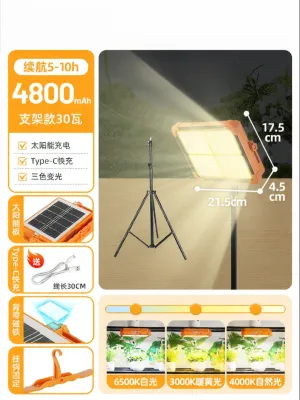
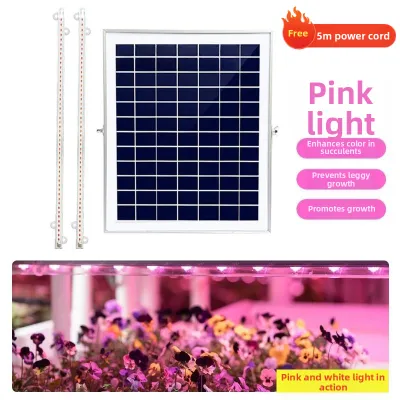
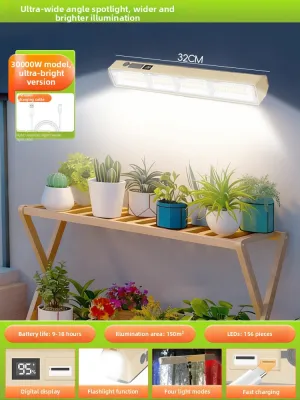
Prices are valid at publication and may change. Please refer to the product page for the latest price.

Once the solar panel generates electricity, that energy must be transferred and stored. The quality of the internal LED driver plays a critical role here, as a high-quality driver minimizes energy loss during the voltage conversion process. Cheap drivers often lose a significant percentage of power as heat, which not only wastes precious battery reserves but can also shorten the lifespan of the surrounding electronics. Look for systems that utilize high-efficacy LED chips, which require fewer watts of power to produce the intense light levels required for photosynthesis.
The final link in the efficiency chain is the battery’s charge and discharge efficiency. High-quality lithium-based batteries can achieve round-trip efficiencies of over 90%, meaning very little energy is lost when storing and retrieving power. However, all batteries experience gradual degradation over time, especially when subjected to daily charge cycles. To maintain long-term efficiency, the system must use a battery management system (BMS) that prevents overcharging and deep discharging, both of which accelerate capacity loss and reduce the overall utility of your solar investment.
Navigating Singapore's Tropical Climate and Weather Patterns
Singapore’s tropical climate presents unique challenges for outdoor and semi-outdoor electrical fixtures. High relative humidity, which frequently exceeds 80%, combined with sudden, torrential downpours during the monsoon seasons, can easily ruin poorly sealed electronics. When selecting a solar grow light for an exposed balcony or garden, you must verify its Ingress Protection (IP) rating. A minimum rating of IP65 is required to protect against dust and low-pressure water jets, while an IP67 rating offers superior protection against temporary immersion, ensuring the fixture remains safe and operational even during severe tropical storms.
Thermal management is another critical factor that directly impacts both safety and efficiency. Singapore’s high ambient temperatures, which regularly hover around 30°C to 33°C during the day, can cause solar panels and batteries to heat up significantly. High temperatures reduce the operating efficiency of solar panels and accelerate the chemical degradation of lithium batteries. To mitigate this, look for fixtures designed with aluminum heat sinks rather than cheap plastic housings, as aluminum dissipates heat much more effectively, keeping the internal components within their optimal operating temperature range.
Furthermore, Singapore’s weather is notoriously unpredictable, with extended overcast periods particularly during the Northeast Monsoon from December to March. During these weeks, solar panels may receive only a fraction of their usual daily sunlight. To prevent your plants from suffering from light deprivation, you must calculate the required battery capacity to sustain light output during consecutive cloudy days. A reliable solar grow light system should feature a battery capacity that is at least double the daily power consumption of the LED lights, providing a buffer or autonomy period of two to three days of low-light operation.
Matching Solar Light Output to Your Plants' Spectrum Needs
To ensure your solar grow light actually benefits your plants, you must look beyond simple brightness and evaluate the quality of the light spectrum. Plants do not utilize all wavelengths of light equally; they primarily rely on Photosynthetically Active Radiation (PAR), which spans wavelengths from 400 to 700 nanometers. When evaluating product listings on online marketplaces, look for the Photosynthetic Photon Flux Density (PPFD) values, which measure the amount of usable light that actually reaches the plant canopy per second, rather than relying solely on lumens, which are calibrated for human vision.
The choice of LED spectrum should align with your specific gardening goals. Full-spectrum white LEDs, which mimic natural sunlight, are highly versatile and suitable for a wide variety of plants throughout their entire life cycle. Alternatively, targeted red and blue diodes are highly energy-efficient because they focus power exclusively on the wavelengths most critical for photosynthesis—blue light for vegetative leaf growth and red light for flowering and fruiting. However, targeted red and blue lights produce a distinct purple hue that some home gardeners find visually unappealing in residential living spaces, making color temperature and visual style a matter of personal preference rather than a performance limitation.
It is also vital to recognize the inherent power limitations of solar-powered fixtures compared to traditional plug-in models. High-light plants, such as fruiting tomatoes, chili peppers, or desert succulents, require intense, prolonged light exposure that standard solar grow lights may struggle to provide consistently. For these demanding species, solar lights are best used as supplemental lighting to boost natural daylight on a semi-shaded balcony. Conversely, low-to-medium-light plants, such as leafy greens, herbs, ferns, and pothos, can easily thrive under the power levels delivered by a well-designed, energy-efficient solar grow light system.
Essential Specifications to Verify Before Purchasing
Before finalizing your purchase on any ecommerce platform, compile a checklist of essential specifications to verify against the manufacturer’s documentation. First, examine the battery chemistry. Lithium Iron Phosphate (LiFePO4) batteries are highly recommended for Singapore’s warm climate because they offer superior thermal stability, a lower risk of thermal runaway, and a significantly longer lifespan—often lasting over 2,000 charge cycles compared to standard Lithium-ion (Li-ion) batteries, which may degrade after 500 cycles.
Next, carefully check the physical dimensions of both the solar panel and the light fixture, ensuring you have adequate space to mount them securely. Pay close attention to the length of the connecting cable on split-panel models; a cable that is too short will severely limit your placement options, while a cable that is too long can introduce minor voltage drops if it is made of low-quality, thin-gauge wire. Ensure the mounting hardware included is suitable for your specific installation environment, whether you are clamping the panel to a balcony railing or mounting it to a concrete wall.
Finally, prioritize electrical safety and compliance. While low-voltage solar systems are generally safe, any component that connects to household mains electricity—such as an optional backup AC charger—must carry appropriate safety certifications. In Singapore, look for the Safety Mark issued by Enterprise Singapore on any plug-in adapters. For the solar components, look for recognized international compliance labels such as CE, RoHS, or FCC, which indicate that the product has been manufactured to meet basic safety and environmental standards. If you are planning a complex installation involving fixed wiring, damp areas, or mounting fixtures at a significant height, always isolate the power source during setup and consult a qualified professional to ensure the installation is structurally secure and electrically safe.
Frequently Asked Questions (FAQ)
Can solar grow lights fully replace plug-in grow lights for indoor gardening?
Solar grow lights generally cannot fully replace high-intensity, plug-in grow lights for intensive indoor cultivation or deep indoor spaces that receive zero natural light. Plug-in grow lights provide a consistent, high-wattage power supply that can run for 12 to 18 hours daily regardless of the weather outside. Solar-powered systems, by contrast, are limited by the daily sunlight captured by their panels and the storage capacity of their batteries. Consequently, solar grow lights are best utilized as supplemental lighting for plants on partially shaded balconies, or for low-light foliage plants situated near windows where they can receive a modest boost of daily light.
How should I position the solar panel on a shaded HDB balcony?
To maximize solar charging on a shaded HDB balcony, you must position the solar panel to capture the maximum amount of direct, unobstructed sunlight available. In Singapore, which lies just north of the equator, panels should generally face due south or due north, depending on the time of year, to optimize sun exposure. Angle the panel at approximately 10 to 15 degrees to allow rainwater to run off naturally and wash away dust. Utilizing a split-panel model with a long extension cable is highly advantageous; this allows you to mount the solar panel on the outermost edge of your air-conditioner ledge or balcony railing where sunlight is strongest, while keeping the actual grow light positioned deep inside the shaded balcony where your plants are sheltered from harsh winds.

Community discussion
Share your experience or ask a question. Comments are reviewed before publication.