
Selecting energy-efficient outdoor lighting for your home in Singapore is a smart, sustainable way to illuminate your garden, balcony, or driveway without increasing your monthly utility bill. However, with Singapore’s unique tropical environment and dense housing layouts, not all solar fixtures perform equally. To find the most reliable solar outdoor lighting brands, you must understand how to evaluate key technical specifications like solar panel efficiency, battery chemistry, and smart power management. This guide breaks down the essential criteria for choosing high-performing solar outdoor lights and outlines practical strategies for matching different brand categories to your specific residential needs.
Decoding Energy Efficiency Specs in Solar Outdoor Lights
When shopping for solar-powered outdoor lighting, the technical specifications listed on the packaging or product page can be overwhelming. To identify genuinely energy-efficient models, you need to focus on four primary indicators: luminous efficacy, solar panel material, battery chemistry, and smart power management systems.
Luminous Efficacy and LED Chip Quality Luminous efficacy refers to how efficiently a light source converts electrical power into visible light, measured in lumens per watt (lm/W). High-quality LED chips can deliver over 100 to 130 lm/W, whereas cheaper, unbranded alternatives might only produce 50 to 70 lm/W. Choosing a brand that uses premium LED chips ensures you get maximum brightness (lumens) while drawing the absolute minimum amount of power (watts) from the stored battery. This efficiency directly translates to a light that stays brighter for longer periods during the night.
Products mentioned in this guide
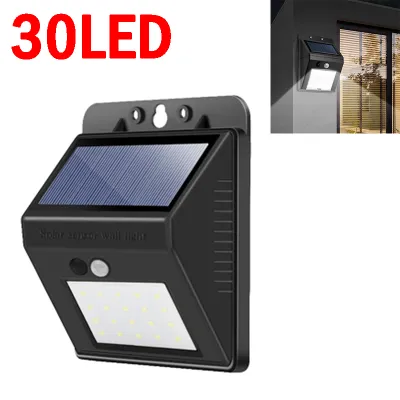
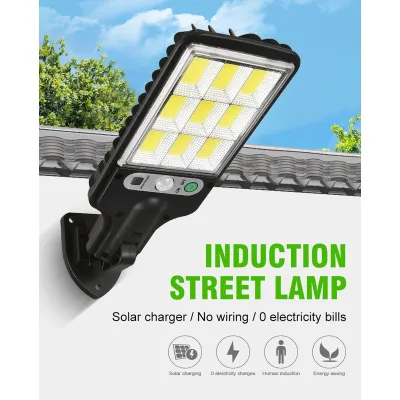
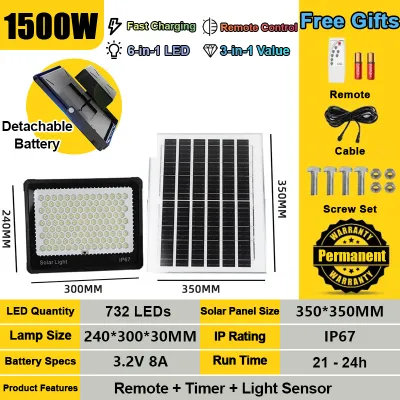
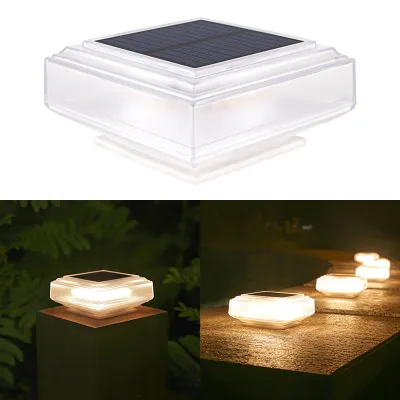
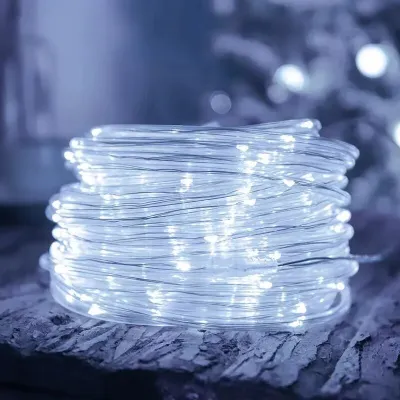
Prices are valid at publication and may change. Please refer to the product page for the latest price.
Solar Panel Types and Efficiency The solar panel is the engine of your outdoor lighting system, converting sunlight into electrical energy. There are two main types of solar panels used in residential fixtures: monocrystalline and polycrystalline. Monocrystalline panels are made from a single pure silicon crystal, giving them a uniform dark appearance and a high efficiency rating, typically between 15% and 22%. Polycrystalline panels, recognizable by their speckled blue color, are less expensive but have lower efficiency ratings, usually around 13% to 16%. For Singapore homes, where space is often limited and skies can be overcast, monocrystalline panels are highly recommended as they generate more electricity per square centimeter.
Battery Chemistry and Lifespan The energy captured by the solar panel must be stored in a battery for nighttime use. Traditional solar lights often used Nickel-Cadmium (NiCd) or Nickel-Metal Hydride (NiMH) batteries, which have low energy density and a short lifespan. Modern, high-performance solar lights utilize Lithium Iron Phosphate (LiFePO4) or Lithium-ion (Li-ion) batteries. LiFePO4 batteries are widely considered the gold standard for outdoor lighting because they offer a significantly longer lifespan (often lasting over 2,000 charge-discharge cycles), superior safety, and a deeper depth of discharge (up to 90% without damaging the battery). They also retain charge much better in high ambient temperatures compared to standard Li-ion batteries.
Smart Power Management Systems An efficient solar light does not simply run at full brightness from dusk to dawn. Instead, it uses a built-in microprocessor or controller to manage power consumption intelligently. Look for fixtures equipped with Passive Infrared (PIR) motion sensors, which keep the light in a low-power standby or dim mode (e.g., 10% brightness) and only boost to 100% brightness when motion is detected. Other smart features include dusk-to-dawn sensors that automatically turn the light on and off based on ambient light levels, and adaptive dimming algorithms that gradually reduce brightness as the battery level drops, ensuring the light remains functional throughout the night even after a cloudy day.
Climate and Housing Factors That Affect Solar Performance in Singapore
Singapore’s tropical climate and urban landscape present unique challenges for solar-powered outdoor lighting. High heat, intense rainfall, and architectural shading can significantly impact how well your solar lights charge and perform.

Heat Degradation and Battery Performance While solar panels require sunlight to generate electricity, excessive heat can actually degrade solar cells and lithium-based batteries over time. In Singapore, where daytime temperatures frequently exceed 30 degrees Celsius, outdoor fixtures can become incredibly hot, especially when installed in direct sunlight. This constant heat exposure increases the internal resistance of the battery, accelerating its capacity loss and shortening its overall lifespan. To mitigate this, look for reputable brands that design their fixtures with high-grade thermal management systems, such as aluminum heat sinks or ventilated battery compartments that help dissipate heat.
Weather Resistance and IP Ratings Singapore’s heavy monsoon seasons and high humidity levels demand robust weatherproofing. Water ingress is one of the most common causes of solar light failure, leading to corroded circuits and shorted batteries. When selecting outdoor lighting, always check the Ingress Protection (IP) rating. A minimum rating of IP65 is required for general outdoor use, indicating the fixture is dust-tight and protected against water jets. For completely exposed areas, such as garden walls, open pathways, or unshielded rooftops, look for IP66 or IP67 ratings, which ensure the light can withstand torrential downpours and high-pressure water without failing.
Sunlight Availability in Dense Urban Environments The amount of direct sunlight your solar panel receives is the single most critical factor determining its performance. In Singapore’s dense residential areas, finding a spot with uninterrupted sunlight can be difficult. HDB corridor walls, high-rise balconies, and closely spaced landed properties are often shaded by neighboring buildings, overhead awnings, or mature trees. If a solar panel is shaded for even a few hours during peak sunlight periods, its charging capacity will drop drastically. When planning your outdoor lighting, observe the sun patterns around your property to identify areas that receive at least 4 to 6 hours of direct, unshaded sunlight daily.
Space Constraints and Split-Panel Systems Because of these shading challenges, integrated solar lights—where the solar panel is fixed directly onto the light fixture—may not always be practical. If you want to illuminate a shaded carporch, a covered balcony, or a dark entryway, an integrated light will not receive enough sunlight to charge. In these scenarios, a split-panel solar system is the ideal solution. These systems feature a separate solar panel connected to the light fixture via a long, weatherproof cable. This allows you to mount the solar panel on a sunny rooftop or awning while placing the light fixture exactly where you need it, even if that area is completely shaded.
How to Evaluate Solar Lighting Brands for Reliability
With hundreds of solar light brands available on the market, separating high-quality products from cheap, unreliable alternatives can be challenging. To make an informed decision, you should evaluate brands based on their warranty coverage, safety certifications, specification transparency, and build quality.
Warranty and Local Support Because solar lights are continuously exposed to harsh outdoor elements, they are more prone to wear and tear than indoor fixtures. Choosing a brand with a strong local presence and a clear warranty policy is essential. A reliable brand should offer at least a 1-year to 2-year warranty that covers both the LED components and the battery system. Having a local distributor or customer service center in Singapore means you can easily obtain replacement parts, such as new batteries or mounting brackets, without having to ship the entire unit overseas or deal with unresponsive online sellers.
Safety and Quality Certifications Electrical safety is paramount, even for low-voltage solar systems. Look for brands that have their products certified by recognized international standards, such as CE (Conformité Européenne), RoHS (Restriction of Hazardous Substances), and FCC. If you are choosing a hybrid solar light—which can plug into your home’s mains power as a backup during prolonged rainy periods—ensure that the AC charger or power adapter carries the local Safety Mark regulated by Enterprise Singapore. This certification guarantees that the electrical components have been rigorously tested for fire and shock hazards.
Transparency in Product Specifications Trustworthy brands are transparent about their product specifications. They will clearly state the battery capacity in milliampere-hours (mAh) or watt-hours (Wh), the exact solar panel wattage (W), and the actual light output in lumens (lm). Be highly skeptical of generic brands on online marketplaces that advertise impossibly high numbers, such as ‘50,000 lumens’ or ‘1000W’ for a small, inexpensive fixture. These inflated claims are major red flags. A reputable brand will provide realistic, verifiable specifications that match the physical size and capability of the device.
Build Quality and Material Selection The materials used to construct the light fixture play a major role in its durability and heat dissipation. Premium solar lights are typically made from die-cast aluminum or high-grade, UV-stabilized polycarbonate. Aluminum is excellent for heat dissipation, helping to keep the LEDs and battery cool, while UV-stabilized plastics resist yellowing, cracking, and becoming brittle under Singapore’s intense tropical sun. Avoid cheap, thin ABS plastics, which degrade rapidly when exposed to UV radiation and moisture, leading to cracked housings and water leaks within a few months.
Brand Categories and Outdoor Lighting Selection Strategies for Your Home
To find the best solar outdoor lighting for your home, it helps to understand the different brand categories available in the market. Each category offers distinct advantages and trade-offs depending on your budget, installation environment, and specific lighting goals.
Established Global Lighting Brands These are well-known multinational lighting companies that have expanded their product lines to include solar-powered options. They are renowned for their rigorous research and development, consistent manufacturing quality, and robust local customer support. Buying from these brands gives you peace of mind, as their products undergo strict quality control and are backed by comprehensive warranties. However, they typically carry a higher upfront cost, and their solar catalogs may be more limited compared to their traditional wired lighting options.
Specialized Solar Lighting Manufacturers These brands focus exclusively on solar-powered technology. Because solar lighting is their primary business, they are often at the forefront of innovation, offering advanced features like high-efficiency monocrystalline panels, superior LiFePO4 battery integration, and highly optimized power management microprocessors. They offer a wide variety of specialized fixtures, from high-lumen security floodlights to decorative garden path lights. The main trade-off is that some of these specialized brands operate primarily online, meaning local physical support and immediate warranty claims may vary.
Smart Home Ecosystem Brands For homeowners who want a fully integrated smart home, several smart ecosystem brands offer solar-powered outdoor lights. These fixtures connect to your home’s Wi-Fi or Zigbee network, allowing you to control them via a smartphone app, set custom schedules, adjust color temperatures, and integrate them with other smart devices like outdoor security cameras. While highly convenient, these smart solar lights are generally more expensive and have a higher standby power draw because the wireless receiver must remain active, which can drain the battery faster on low-sunlight days.
Selecting the Right Category for Your Needs To help you decide which brand category is best suited for your specific home setup, consider the following decision matrix:
| Brand Category | Ideal Use Case | Key Advantages | Potential Drawbacks |
|---|---|---|---|
| Established Global Brands | General garden lighting, premium architectural accents | High build quality, local warranty, reliable safety standards | Higher initial purchase price, fewer niche solar designs |
| Specialized Solar Manufacturers | High-lumen security floodlights, remote perimeter lighting | Advanced solar panel efficiency, high-capacity batteries, split-panel options | Limited local physical stores, varying after-sales support |
| Smart Home Ecosystem Brands | Balconies, patios, smart home automated outdoor scenes | App integration, scheduling, color temperature adjustments | Higher standby power consumption, requires stable Wi-Fi/Zigbee |
For a landed property requiring high-powered security lighting along a dark perimeter wall, a specialized solar manufacturer offering high-lumen floodlights with a split-panel design is often the best choice. Conversely, if you are looking to add ambient, decorative lighting to a condominium balcony or a small HDB patio, a smart home ecosystem brand or an established global brand will provide the aesthetic appeal and convenient control you desire.
Installation and Maintenance Tips to Maximize Energy Savings
Even the most energy-efficient solar outdoor lighting will underperform if it is poorly installed or neglected. To get the maximum energy savings and longevity out of your investment, follow these essential installation and maintenance practices.
Optimizing Solar Panel Placement In Singapore, which is located just north of the equator, solar panels should be installed where they can receive the maximum amount of direct sunlight throughout the day. Ideally, panels should face either due south or due north, tilted at an angle of 10 to 15 degrees. This slight tilt is crucial because it allows rainwater to run off naturally, washing away loose dirt and dust. Ensure that the panel is completely clear of shadows from overhanging tree branches, building eaves, or neighboring structures. Even a small shadow covering a fraction of the solar panel can cause a significant drop in charging efficiency.
Routine Cleaning and Maintenance Over time, a layer of dust, traffic soot, pollen, and bird droppings will accumulate on the surface of your solar panel. This debris acts as a physical barrier, blocking sunlight and reducing the panel’s energy conversion efficiency. To maintain peak performance, wipe down the solar panel every two to three months. Use a soft, clean microfibre cloth and plain water to gently wipe the surface. Avoid using abrasive scrubbing pads, harsh chemical detergents, or high-pressure water sprays, as these can scratch the protective glass, damage the solar cells, or compromise the waterproof seals.
Caring for the Battery in Hot Climates To extend the life of your solar light’s battery in Singapore’s hot climate, try to avoid letting the battery drain completely to zero percent. If your solar lights have a physical power switch, it is a good practice to turn them off during prolonged periods of heavy rain or when you are away from home for an extended vacation. This allows the battery to rest and prevents deep discharge cycles that can permanently reduce its energy storage capacity. Additionally, when purchasing replacement batteries, always ensure they are stored in a cool, dry place before installation.
Understanding Safety and Professional Boundaries While installing low-voltage, ground-stake garden lights is a safe and simple DIY project, certain installations require professional assistance. If your project involves mounting heavy floodlights at a height (such as on a second-story facade of a landed home), working near overhead power lines, or installing a hybrid solar system that connects to your home’s main electrical panel, do not attempt to do this yourself. Working at heights poses significant fall risks, and handling fixed electrical wiring can lead to severe shock or fire hazards if done incorrectly. Always isolate the main power supply before inspecting any wired components, and hire a licensed electrical worker (LEW) or a professional installer to handle complex or high-mounted installations.
Frequently Asked Questions (FAQ)
Do solar outdoor lights work well during Singapore's monsoon season?
Yes, high-quality solar outdoor lights can still operate effectively during Singapore’s monsoon seasons, but their performance depends heavily on their components. On highly overcast or rainy days, solar panels still generate electricity from diffused ambient sunlight, though at a significantly reduced rate (often 10% to 25% of their peak output). To ensure reliable operation during these low-light periods, choose fixtures equipped with high-efficiency monocrystalline solar panels and high-capacity LiFePO4 batteries. Furthermore, utilizing smart power management features, such as motion sensors or adaptive dimming modes, is crucial as they conserve the stored battery power so the light can run for multiple consecutive cloudy days without running completely dry.
Can I replace the battery in my solar light myself?
Whether you can replace the battery yourself depends entirely on the design of the specific fixture. Many budget-friendly, entry-level solar lights are manufactured as sealed, integrated units; their battery compartments are glued shut to maintain waterproof integrity, meaning the battery cannot be replaced, and the entire fixture must be recycled once the battery degrades. However, premium and specialized solar lights are often designed with user-serviceable battery compartments secured by screws and waterproof rubber gaskets. When replacing a battery, always consult the manufacturer’s care instructions first. Ensure that the replacement battery matches the exact voltage, chemistry (e.g., replacing a LiFePO4 battery with another LiFePO4 battery of the same specifications), and physical size of the original, and take care to align the waterproof gasket perfectly when reassembling the housing to prevent water ingress.
Are solar lights bright enough for home security purposes?
Modern solar-powered lights are absolutely bright enough for home security, provided you select fixtures designed specifically for that purpose. Ambient garden path lights and decorative accent lights typically produce between 50 and 150 lumens, which is insufficient for security. For effective home security, you should look for dedicated solar floodlights or wall-mounted security lights that deliver at least 800 to 1,500 lumens. To make these high-lumen fixtures practical for solar power, they should always be paired with a Passive Infrared (PIR) motion sensor. This setup allows the light to remain off or in a low-power dim mode throughout the night, conserving battery energy, and then flash to full, blinding brightness only when motion is detected, effectively deterring potential intruders while maximizing energy efficiency.
Community discussion
Share your experience or ask a question. Comments are reviewed before publication.