
The best figurines and sculptures for small Singapore living rooms are those that balance physical dimensions with visual weight, ensuring they enhance the space without causing physical or visual clutter. In compact HDB flats and cozy condominiums, every square centimeter counts. Selecting the right living room decor items requires a deliberate approach to scale, material transparency, and strategic placement. By focusing on pieces that offer vertical presence, open-frame structures, or reflective surfaces, you can introduce artistic personality while preserving the airy, open feel of your home.
Assessing Your Space and Scale Requirements
Before purchasing any living room decor items, accurate physical measurements of your furniture surfaces are essential. Compact living rooms often feature narrow TV consoles, slim side tables, or shallow wall ledges. Measure the exact depth of these surfaces, leaving a safety margin of at least 3 to 5 centimeters from the edge to prevent accidental bumps and falls. For high-traffic areas, ensuring a stable base and checking the weight distribution of the sculpture is crucial to avoid tipping.
Proportional scaling is the key to visual harmony. A common design guideline is the rule of thirds: a decorative sculpture should ideally occupy no more than one-third to one-half of the width or height of the surface it sits upon. For instance, if you place a figurine on a 120-centimeter-wide media unit, the piece or its immediate cluster should not span more than 40 to 60 centimeters. This prevents the furniture from looking overwhelmed and maintains a balanced silhouette.
Products mentioned in this guide
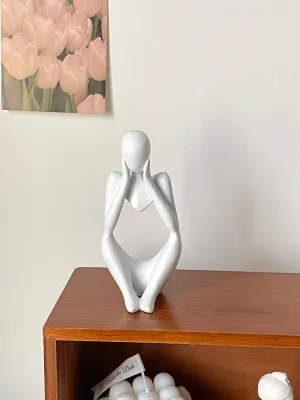
Prices are valid at publication and may change. Please refer to the product page for the latest price.
Negative space—the empty area surrounding an object—is just as important as the object itself. In small rooms, packing items tightly together creates visual noise that makes the entire room feel smaller. Aim to leave at least 15 to 20 centimeters of empty space around a standalone sculpture. This breathing room allows the eye to rest and frames the decorative piece as a deliberate, curated choice rather than random clutter.
Additionally, consider the height clearance. If you are placing figurines inside a recessed wall niche or on a shelf unit, measure the vertical clearance carefully. Leave at least 10 centimeters of overhead space so the sculpture does not look crammed into its compartment. This vertical gap also makes cleaning and dusting much easier.
Selecting the Right Visual Weight and Materials
Visual weight refers to how heavy an object looks, regardless of its actual physical weight. In compact Singapore living rooms, heavy, solid, dark-colored sculptures can act as visual anchors that pull the walls inward. To combat this, look for pieces made from translucent or semi-transparent materials, such as tinted glass, acrylic, or fine porcelain. These materials allow light to pass through, making the item appear lighter and less intrusive.

Open-frame or wireframe metal sculptures are excellent alternatives for small spaces. Because they consist of hollow geometric shapes or delicate lines, they allow the background wall or wallpaper to remain visible. This transparency tricks the brain into perceiving more open space while still introducing an artistic focal point. Reflective materials, such as polished brass, chrome, or glazed ceramics, also work well by bouncing natural light around the room, brightening up darker corners.
Managing color contrast is another powerful tool for spatial manipulation. If your living room features light-colored walls—common in many modern HDB flats—selecting sculptures in soft, neutral tones or pastel shades will create a low-contrast, harmonious look. The pieces blend gently into the background, maintaining a sense of continuity. Conversely, if you want a single statement piece, a high-contrast dark sculpture can work, provided it is surrounded by ample negative space to prevent it from feeling oppressive.
The balance between matte and glossy finishes significantly influences how light behaves in your living area. Matte finishes absorb light, offering a subtle, understated elegance that works beautifully in well-lit zones. Glossy finishes, on the other hand, reflect light and can make a small room feel more dynamic. However, excessive gloss under direct spotlighting can create harsh glare. It is often best to mix these textures, pairing a matte ceramic figurine with a polished metal tray to create depth without overwhelming the senses.
Strategic Placement for Compact Layouts
When floor and tabletop space is limited, look upward. Utilizing vertical space is one of the most effective ways to display living room decor items without sacrificing functional living areas or walkways. Floating shelves installed on an accent wall provide a dedicated platform for smaller figurines. Ensure that any wall-mounted shelves are securely anchored to the wall structure, especially when displaying heavier ceramic or stone sculptures, to prevent structural damage or injury.
Tall, narrow bookcases or display towers occupy a minimal footprint while offering multiple tiers of shelving. When styling these vertical units, avoid filling every shelf with decor. Instead, alternate between books, small plants, and sculptures. This staggered arrangement draws the eye upward, creating the illusion of higher ceilings and a more spacious room.
Grouping your decorative items using the rule of three or other odd-number clusters creates a cohesive, professional look. Instead of lining up figurines in a straight row, arrange them in a triangular formation with varying heights. Place the tallest piece at the back, a medium-sized item to one side, and the smallest piece in the front. This depth-based arrangement guides the viewer’s eye through the display, making it feel like a single, unified vignette rather than a collection of scattered objects.
For those who appreciate larger sculptural works, floor placements are still possible in compact layouts if handled strategically. Unused corners are ideal spots for a single, tall, slender sculpture. Placing the piece on a low-profile plinth can elevate it slightly, making it a clear focal point while keeping it out of primary traffic paths. Ensure there is a clear clearance of at least 60 centimeters around the pathway to allow comfortable movement through the living room.
Common Sizing and Styling Mistakes to Avoid
One of the most common mistakes in small-space styling is the accumulation of too many small figurines. While individual pieces may seem harmless, a collection of dozens of tiny items quickly turns into visual clutter, making the living room feel chaotic and cramped. Instead of scattering small trinkets across every available surface, invest in one or two well-proportioned statement pieces. A single, medium-sized sculpture with clean lines often has a far more sophisticated and spacious impact than a dozen miniature ones.
Another frequent error is ignoring natural sightlines and traffic flow. Placing tall or bulky sculptures directly in the line of sight between the sofa and the television, or blocking the natural light from a window, can make the room feel closed-in and uncomfortable. Always test the placement from different seating positions in the room. Ensure that no decorative item obstructs the flow of natural light or blocks pathways, keeping walkways clear and safe for everyone in the household.
Lastly, avoid choosing overly ornate, intricate, or highly detailed designs if your overall interior style leans toward modern minimalism. Intricate sculptures with busy patterns can clash with the clean lines of compact furniture, creating visual friction. Opt instead for organic shapes, abstract forms, or minimalist silhouettes that complement the existing architecture of your home. This stylistic alignment ensures that your living room decor items enhance the space rather than compete with it.
Frequently Asked Questions (FAQ)
How do I clean and maintain delicate sculptures in dusty environments?
To keep your delicate sculptures looking their best, regular, gentle cleaning is essential, especially in dusty tropical environments. Always check the manufacturer’s care instructions first, as different materials require specific handling. For most ceramic, glass, and metal figurines, a soft-bristled makeup brush or a dry, clean microfiber cloth is the safest tool to remove dust without scratching the surface. Avoid using harsh chemical cleaners, abrasive pads, or excessive moisture, which can damage delicate glazes, paint, or protective coatings. For intricate or porous materials like unsealed stone or wood, stick to dry dusting methods to prevent staining or moisture absorption.
Can I use large floor sculptures in a small HDB or condo living room?
Yes, you can successfully integrate a large floor sculpture into a compact HDB or condo living room, provided you follow a few spatial guidelines. The key is to treat the sculpture as a singular, deliberate focal point rather than one of many decorative items. Choose a tall, slender piece with a small footprint and tuck it into an unused corner or next to a media console where it will not obstruct walkways. Ensure there is ample negative space around the sculpture, and keep surrounding walls and surfaces relatively bare to let the piece stand out. Always measure the surrounding clearance to guarantee that household members can move freely without any risk of bumping into the display.
Community discussion
Share your experience or ask a question. Comments are reviewed before publication.