
When selecting wall decor for your home in Singapore, the frame you choose plays a vital role in both protecting your artwork and defining its visual impact. Kodak frame styles, which span both traditional physical print frames and modern wall-mountable digital photo frames, are highly regarded for their clean lines, professional gallery-style presentation, and focus on preserving visual integrity. Whether you are displaying a cherished family photograph, a limited-edition art print, or a rotating gallery of digital memories, understanding the design features and material options of these frames will help you choose the perfect match for your space.
Understanding the Kodak Brand Approach to Wall Frames
Kodak’s long-standing heritage in the imaging and photography industry heavily influences its approach to picture frames. For over a century, the brand has been synonymous with capturing, processing, and preserving visual memories. This expertise translates directly into their frame designs, which prioritize color accuracy, visual clarity, and a presentation style that respects the original print. Instead of overpowering the artwork with overly ornate or distracting details, these frames are crafted to act as a clean, elegant border that draws the eye inward to the image itself.
In the contemporary home decor market, it is important to distinguish between two primary categories of Kodak-branded frames. First, there are traditional physical frames, often produced under brand licensing agreements, which utilize classic materials like wood or metal and include professional-grade mat boards. Second, there are modern digital photo frames designed specifically for wall mounting. These digital displays feature high-resolution screens and smart connectivity, allowing you to showcase an entire library of images in a single physical location. The availability of specific physical frame styles can vary across Singapore, with options typically found through specialized photography distributors, custom framing boutiques, and major online marketplaces.
Products mentioned in this guide


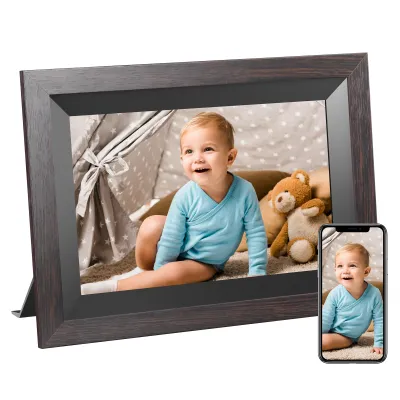
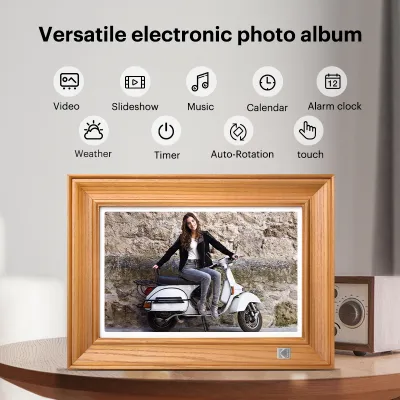




Prices are valid at publication and may change. Please refer to the product page for the latest price.
The overall design ethos associated with these frames centers on professional gallery-style presentation. This means clean, geometric lines, neutral color palettes, and the frequent inclusion of a mat board (or passe-partout) to create breathing room around the image. By adhering to these principles, the frames ensure that the visual integrity of your print remains uncompromised, making them a versatile choice for a wide variety of interior styles.
Key Design Dimensions to Evaluate When Choosing a Frame
Selecting the right frame involves evaluating several physical and visual attributes to ensure it complements both the artwork and your room’s decor. By understanding how different materials, border widths, and glazing options interact, you can make a more informed decision that balances aesthetics with practical durability.

Material and Texture Profiles
The material of your frame sets the tone for the entire display. Wood frames are a classic choice, offering natural warmth, organic grain textures, and a sense of timeless craftsmanship. They are particularly suited for portraiture, landscape photography, and traditional art prints, helping to ground the piece within a space. Depending on the wood species and finish, they can range from rustic and distressed to sleek and polished.
Metal frames, typically crafted from lightweight aluminum or steel, offer a highly durable and modern alternative. They are characterized by their incredibly thin profiles and high structural strength, making them excellent for supporting large-format prints without bending or warping. Metal finishes, such as matte black, brushed brass, or anodized silver, add a sophisticated, industrial touch to contemporary interiors.
For a more lightweight and minimalist look, acrylic or composite frames are increasingly popular. These materials allow for creative designs, such as “floating” frames where the artwork is sandwiched between two clear panels, creating the illusion that the print is suspended in mid-air. When choosing composite materials, always inspect the finish quality—whether it is a smooth matte, a high-gloss lacquer, or a textured wood-grain laminate—to ensure it aligns with the existing textures in your room.
Border Width and Moulding Contours
The width and shape of the frame’s border, also known as the moulding, significantly influence how the artwork is perceived. Thin, flat borders (typically ranging from 5mm to 15mm) are perfect for contemporary, minimalist, or Scandinavian-inspired spaces. These slim profiles keep the visual footprint to a minimum, ensuring that the artwork remains the absolute focal point of the wall.
Conversely, thicker, bevelled, or more ornate mouldings (measuring 25mm or wider) add substantial visual weight and grandeur to a display. These wider frames act as a strong boundary, separating the artwork from the surrounding wall and making a bold statement. They are highly effective in traditional, vintage, or formal gallery settings, where the frame itself is intended to be a key decorative element.
Another vital consideration is the use of a mat board, or passe-partout. This is the cardboard border that sits between the frame and the print. A high-quality, acid-free mat board not only prevents the print from directly touching the glazing—which can cause damage over time—but also elevates the perceived value of the art. A wide, neutral-toned mat board can make even a small photograph look like a curated museum piece.
Glazing and Panel Options
Glazing refers to the protective front cover of the frame, and your choice here affects both the viewing experience and the long-term preservation of the art. Standard glass is a traditional option that offers exceptional scratch resistance and crystal-clear clarity. However, glass is heavy and fragile, making it less suitable for exceptionally large frames or high-traffic areas where accidental impacts could occur.
Acrylic or plexiglass glazing is a modern, lightweight, and shatter-resistant alternative. It is highly recommended for large-format wall art, as it significantly reduces the overall weight of the frame and eliminates the risk of dangerous glass shards if the frame is dropped. The primary trade-offs are that acrylic scratches much more easily than glass and can attract dust due to static electricity.
Additionally, you must choose between glossy and matte (or anti-reflective) finishes. Glossy panels enhance color saturation and contrast, making colors appear vibrant, but they are highly reflective and can create distracting glare in brightly lit rooms. Matte or anti-reflective glazing diffuses light to reduce glare, allowing the artwork to be viewed clearly from various angles, though it can slightly soften the sharpest details of the print. Always verify the glazing type before making a purchase, especially when planning a large-scale installation.
Matching Frame Styles to Common Interior Themes
To create a cohesive look, your frame choices should harmonize with the overarching interior design theme of your home. Different frame characteristics excel in different environments, helping to tie the room together.
Modern Minimalist and Scandinavian Spaces
In Singapore’s popular Scandinavian and minimalist-themed homes, the design focus is on simplicity, light, and functionality. For these environments, slim metal profiles in neutral tones like matte black, clean white, or brushed silver are highly recommended. These frames provide a crisp, structured border without adding visual clutter.
Frameless or floating acrylic designs are also excellent choices, as they maintain a light visual footprint and allow the wall color to show through around the edges of the print. When framing prints for these spaces, stick to simple, unadorned white or off-white mat boards to preserve a clean, gallery-like aesthetic that aligns with the uncluttered nature of the room.
Classic, Vintage, and Traditional Rooms
For spaces that embrace warmer color palettes, rich textiles, and heritage furniture, frames with more character and depth are appropriate. Natural wood frames in rich tones like oak, walnut, or cherry add organic warmth and complement wooden furniture. Painted wood frames with subtle distressing can also enhance a rustic or vintage aesthetic.
To add a touch of elegance, consider frames with subtle metallic accents, such as antique gold, bronze, or copper. These finishes interact beautifully with warm lighting, creating a cozy and sophisticated atmosphere. For canvas prints or thicker artworks, choose frames with deeper profiles (deep rabbets) that can accommodate the depth of the canvas while providing a solid, premium border.
Eclectic and Gallery Wall Arrangements
Creating a gallery wall allows you to display a collection of personal photographs, art prints, and illustrations in a single, curated arrangement. To prevent an eclectic mix of frames from looking chaotic, it is helpful to establish a unifying element. For example, you can use frames of different sizes and materials but keep them all in a single color family, or you can mix different frame styles while keeping the mat board widths and colors completely identical.
When planning the layout, aim for a consistent spacing of 5cm to 10cm between each frame to ensure the arrangement looks intentional and balanced. A practical approach is to lay out your entire collection on the floor first, adjusting the spacing and positions until you are satisfied with the composition. You can also tape paper templates of each frame to the wall before driving any hardware into the surface.
Practical Installation and Climate Care in Singapore
Hanging and maintaining wall art in Singapore requires careful consideration of local building structures and the tropical climate. Proper installation techniques and routine care are essential to protect your investment and ensure safety.
Wall Identification and Hardware: Singaporean homes feature a mix of structural concrete walls and internal drywall or partition walls, particularly in modern HDB flats and condominiums. Before mounting any frame, you must identify the wall type. Concrete walls require a masonry drill bit, plastic wall plugs, and sturdy screws to support the weight of the frame safely. Standard nails or light-duty hooks are not sufficient and will likely fail. For drywall partitions, use specialized hollow-wall anchors or toggle bolts that expand behind the board to distribute the weight. If you prefer non-invasive hanging methods, such as heavy-duty adhesive strips, ensure the frame’s weight falls well within the manufacturer’s specified load rating. Additionally, clean the wall surface thoroughly to remove any dust or chalky paint residue, which can compromise the adhesive bond. Always verify the load capacity of the frame’s built-in hanging hardware before hanging.
Humidity and Climate Control: Singapore’s high relative humidity, which frequently exceeds 80%, poses a significant risk to framed art and wood frames. Excess moisture trapped inside a frame can lead to paper warping, mold growth, and the deterioration of both the print and the frame backing. To prevent this, it is crucial to encourage air circulation. Place small adhesive felt pads or silicone bumpers on the bottom corners of the frame’s backing board. This creates a small air gap of 2mm to 5mm between the frame and the wall, allowing air to flow freely and preventing moisture from becoming trapped. Avoid hanging valuable or sensitive artwork in highly humid areas like bathrooms, kitchens, or directly in the path of air-conditioning vents, where rapid temperature fluctuations can cause condensation to form behind the glazing.
Safety and Professional Help: For exceptionally large, heavy, or valuable frames, or if you are uncertain about your wall type and drilling capabilities, do not risk damage or injury. Stop and consult a qualified local handyman or professional picture hanging service. Professional installers have the specialized tools and experience to secure heavy loads safely, ensuring your frames remain securely anchored to the wall.
Routine Maintenance: To keep your frames looking their best, establish a gentle cleaning routine. Dust the frames and glazing regularly using a clean, dry, or slightly damp microfiber cloth. Avoid using harsh chemical cleaners, ammonia-based glass sprays, or alcohol-based solvents directly on the frame or glazing. These chemicals can seep behind the frame edges, damaging the artwork, stripping wood finishes, and causing acrylic panels to become permanently cloudy or brittle. If the glazing requires a deeper clean, apply a small amount of water or a specialized acrylic cleaner to the microfiber cloth first, rather than spraying it directly onto the frame.
Frequently Asked Questions (FAQ)
Can I mount a digital photo frame on the wall?
Yes, many modern digital photo frames, including those from Kodak, are designed with wall-mounting capabilities. While smaller models are often optimized for tabletop display, larger digital frames frequently feature built-in keyhole slots or standard VESA mounting patterns on the back. Before purchasing, verify the product specifications to ensure it supports wall mounting. You should also plan for cable management, as digital frames require a continuous power source. Using paintable cable covers or routing the power cord behind a partition wall can help maintain a clean, cable-free appearance.
How do I prevent framed art from fading in bright rooms?
Standard glass and basic acrylic glazing do not provide adequate protection against ultraviolet (UV) light, which is the primary cause of color fading and paper yellowing over time. To protect your artwork in bright, sunlit Singaporean apartments, look for frames equipped with UV-filtering conservation glass or acrylic, which can block up to 99% of harmful UV rays. Additionally, consider applying UV-blocking solar films to your windows. It is also best practice to avoid hanging valuable or highly sensitive prints on walls that receive direct, prolonged sunlight.
What is the safest way to clean acrylic frame covers?
Acrylic is much more susceptible to scratching than traditional glass, meaning it requires extra care during cleaning. Always use a clean, high-pile microfiber cloth to prevent micro-scratches. Lightly mist the cloth with a specialized acrylic cleaner or a mild solution of warm water and a single drop of gentle dish soap. Never use paper towels, rough sponges, or household glass cleaners containing ammonia or alcohol. These abrasive materials and harsh chemicals will degrade the acrylic surface, leading to a hazy, cloudy finish over time.
Community discussion
Share your experience or ask a question. Comments are reviewed before publication.