
To select the ideal LED fairy lights for your bedroom in Singapore, you must balance aesthetic preferences with practical considerations like power sources, smart integration, and electrical safety. The right choice transforms a standard sleeping space into a cozy sanctuary, but it requires verifying specifications such as voltage compatibility, wire insulation, and control methods before purchasing. By focusing on how these lights interact with your bedroom layout and daily routines, you can create a personalized lighting scheme that is both beautiful and safe.
Key Features to Evaluate for Bedroom Ambience
When planning your bedroom lighting, the color temperature of your LED fairy lights plays a fundamental role in setting the mood. Warm white lights, typically ranging from 2700K to 3000K, emit a soft, amber glow that mimics the natural light of sunset. This specific spectrum is highly recommended for resting areas because it helps signal to your body that it is time to wind down, promoting a relaxing environment before sleep. In contrast, cool white lights, which sit at 5000K or higher, produce a bright, blue-toned illumination that can feel clinical or overly stimulating in a bedroom, though they may serve a purpose in dedicated study or task areas.
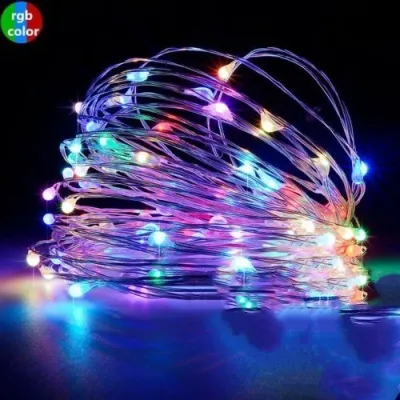
For those who desire versatility, multi-color RGB (Red, Green, Blue) LED fairy lights offer dynamic color-changing capabilities. These systems allow you to shift the room’s atmosphere instantly, transitioning from a calming deep blue for meditation to a warm orange or purple for a cozy evening vibe. When evaluating RGB options, look for models that offer smooth color transitions and customizable presets rather than abrupt flashing patterns, which can be disruptive to a restful bedroom environment.
Products mentioned in this guide
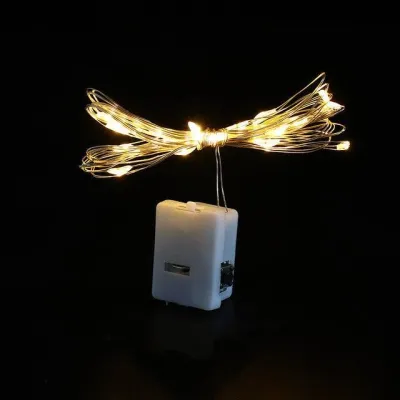
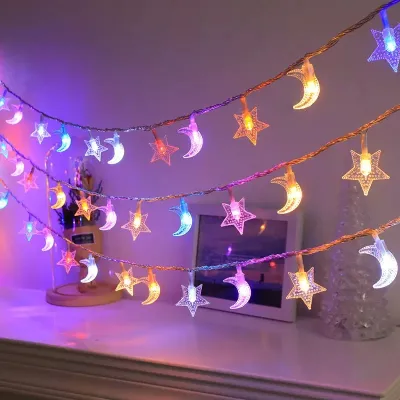
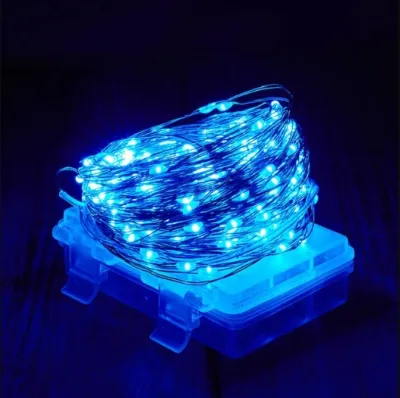
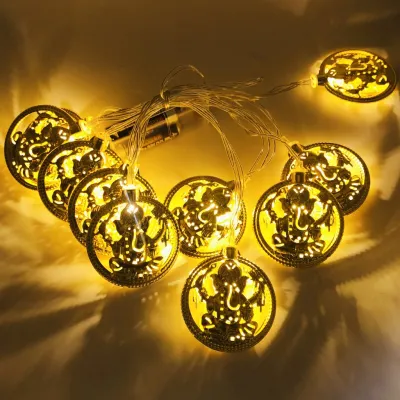
Prices are valid at publication and may change. Please refer to the product page for the latest price.
Dimmability is another essential feature to consider when selecting lights for a sleeping space. Many standard fairy lights operate at a single, fixed brightness level that can feel glaringly intense in a dark room. Choosing a model with step-less dimming or multiple preset brightness levels allows you to adjust the light output to match your current activity, whether you are reading a book or preparing to sleep. Ideally, the lights should be able to dim down to a very low percentage, allowing them to function as a subtle, non-disruptive nightlight.
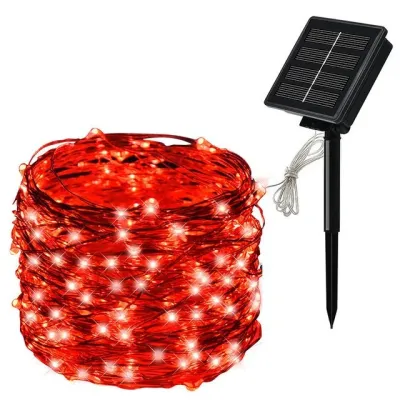
The physical construction of the light string, specifically the wire material, affects both the durability and the aesthetic of your installation. Bare copper wire fairy lights are incredibly thin, lightweight, and highly flexible, making them almost invisible when turned off. This flexibility allows you to wrap them tightly around delicate decor items, weave them through headboards, or shape them into specific wall patterns. However, bare copper is delicate and prone to tangling or breaking if handled roughly, so it is best suited for permanent, low-contact setups.
Alternatively, insulated PVC wires offer a more robust and durable construction. These lights feature copper wires encased in a protective plastic sleeve, making them highly resistant to physical wear, moisture, and accidental pulling. While PVC-insulated lights are thicker and more visible than bare copper, they are much easier to untangle and are safer for high-traffic areas or installations where the lights will be adjusted frequently.
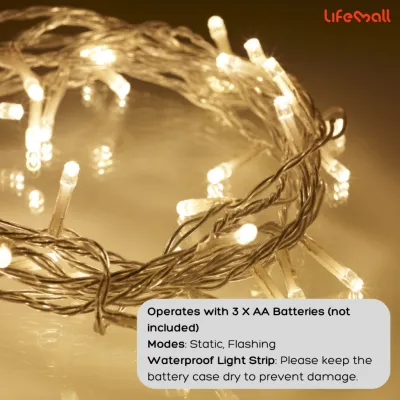
Your choice of power source will dictate where you can place your lights and how clean the final installation looks. USB-powered fairy lights are exceptionally versatile because they can run off standard wall adapters, power banks, or even a laptop port. This flexibility makes them ideal for creative placements far from a wall outlet, as you can easily hide a small power bank behind a headboard or shelf. Battery-operated models offer complete freedom from cords, making them perfect for temporary centerpieces or isolated shelves, though they require regular battery replacements or recharging, which can become inconvenient over time.
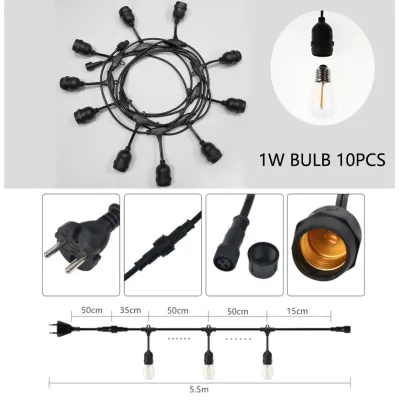
For permanent, high-output installations, direct wall plugs are often the most reliable option. They provide a consistent flow of power without the worry of battery depletion or USB port limitations. However, when using plug-in lights, you must plan your layout around the location of your bedroom’s electrical outlets to avoid running long, unsightly extension cords across the floor.
Smart Controls and Automation for Fairy Lights
Integrating smart controls into your bedroom lighting setup elevates convenience by allowing you to manage your environment without leaving the comfort of your bed. Smart LED fairy lights connect to dedicated mobile applications, unlocking a suite of advanced features that traditional manual lights cannot match. Through these apps, you can design custom lighting scenes, set precise schedules to align with your daily routines, and use intuitive color-wheel interfaces to select exact hues that match your mood.

Smart home compatibility is a key consideration if you already utilize voice assistants or central smart hubs. Verifying that your chosen fairy lights are compatible with platforms like Google Home, Amazon Alexa, or Apple Home allows you to integrate them into your existing home automation routines. For example, you can program a “Good Night” routine that simultaneously locks your doors, adjusts your air conditioning, and dims your fairy lights to a soft glow before turning them off completely.
When selecting smart lights, it is important to understand the differences between Wi-Fi and Bluetooth connection protocols, especially within typical Singapore home layouts. Wi-Fi-enabled fairy lights connect directly to your home network, allowing you to control them from anywhere, even when you are away from home. However, Singapore’s concrete-walled HDB flats and condominiums can sometimes block wireless signals, leading to connectivity drops if your bedroom is far from the main router. In such cases, a Wi-Fi range extender or a robust mesh network may be necessary to ensure stable operation.
Bluetooth-enabled fairy lights, on the other hand, establish a direct connection to your smartphone without relying on a home network. This makes them highly stable and easy to set up, but their control range is strictly limited to the immediate vicinity, typically within the same room. If you only plan to control your lights while inside your bedroom, Bluetooth is a highly reliable and cost-effective option, but if you want to control them remotely or integrate them into broader smart home automations, Wi-Fi is the preferred choice.
Many smart fairy lights also feature music synchronization and reactive lighting modes. These systems utilize built-in microphones on the controller or leverage your smartphone’s microphone to detect ambient sound, causing the lights to pulse, fade, or change color in time with the rhythm. While this feature may not be suitable for a quiet sleeping environment, it adds an engaging, dynamic element to entertainment setups, gaming desks, or creative workspaces within the bedroom.
Safe Installation and Placement in the Bedroom
A successful bedroom lighting installation must prioritize safety and protect your home’s surfaces from damage. In Singapore, where many residents live in rental properties or wish to maintain pristine painted walls, damage-free mounting solutions are essential. Clear adhesive clips designed specifically for light cables are excellent for securing wires along walls, headboards, or window frames without leaving sticky residue or peeling paint when removed. For lightweight copper wire lights, mounting putty offers a highly flexible, temporary solution, while tension rods can be used to drape lights across window frames without the need for drilling.
Although LED technology is highly efficient and generates significantly less heat than traditional incandescent bulbs, these lights still produce some thermal energy. It is crucial to maintain safe distances between the lights, power adapters, and flammable materials such as heavy drapes, bedding, or paper decorations. Avoid bundling the wires tightly or covering the power adapter with fabric, as this restricts airflow and can lead to heat buildup, increasing the risk of component failure or electrical hazards.
Proper cable routing is essential to prevent tripping hazards and protect the physical integrity of your lighting system. Secure the power cord along baseboards or behind furniture using cable organizers or adhesive clips. Ensure there is no physical strain or tension on the connection point where the wire meets the USB port or wall adapter, as constant pulling can fray the internal copper strands, leading to short circuits or loose connections.
When purchasing fairy lights from international online marketplaces, you must verify that the electrical specifications match local standards. Singapore operates on a standard mains voltage of 230V at a frequency of 50Hz, utilizing Type G three-pin plugs. If you purchase a plug-in model, ensure it is rated for this voltage and comes with an approved Type G plug or a certified adapter. For USB-powered models, verify that your USB wall adapter matches the input requirements (typically 5V) specified by the manufacturer to prevent overloading the circuit.
Building Your Shortlist: Matching Lights to Bedroom Styles
To finalize your purchase decision, it is helpful to set a realistic budget in S$ based on the features you require. Basic, manually controlled copper wire lights can cost under S$10 to S$20, offering a cost-effective way to add simple warmth to a small corner. On the other hand, fully featured smart LED strings with RGB capabilities, app integration, and voice control typically range from S$30 to S$80 or more, depending on the length and brand. Determining your budget early helps you decide whether to prioritize advanced automation or simple, reliable illumination.
Integrating fairy lights into your bedroom furniture requires a thoughtful approach to avoid creating visual clutter. To highlight a bed frame or headboard, wrap the wires neatly along the structural posts or secure them behind the headboard panel. This creates a clean, framed glow that accentuates the furniture’s lines rather than a chaotic tangle of wires. For canopy beds, draping the lights loosely along the fabric supports adds a whimsical, starry-night effect that enhances the room’s vertical space.
Indirect backlighting is an excellent technique for creating spatial depth and eliminating harsh shadows in your bedroom. By placing fairy lights behind mirrors, wall art, or curtains, you bounce the light off the wall surface, achieving a soft, diffused glow that is incredibly soothing to the eyes. This indirect lighting technique makes the bedroom feel larger and more inviting, providing a sophisticated alternative to direct, exposed bulbs.
Finally, consider the environmental conditions of your bedroom when reviewing product specifications. If you plan to place your fairy lights near indoor plants that require regular misting, close to a bedroom humidifier, or near an open window exposed to Singapore’s humid air, check the product’s Ingress Protection (IP) rating. An IP44 rating or higher indicates that the lights are protected against splashing water and high humidity levels, ensuring long-term durability and safety in damp conditions.
Frequently Asked Questions (FAQ)
Can LED fairy lights be left on all night?
LED technology is highly efficient and generates minimal heat compared to traditional incandescent bulbs, making them significantly safer for extended use. However, leaving any electrical device on continuously carries some risk, especially if the product is covered or lacks proper ventilation. It is always best to consult the manufacturer’s guidelines regarding continuous operation limits. To maximize safety and conserve energy, utilize smart timers, scheduling features, or auto-shutoff functions to turn the lights off automatically after you fall asleep.
How do I calculate the right length of fairy lights for my bed frame?
To determine the correct length, start by measuring the perimeter of the areas you plan to cover, such as the headboard or the bed frame posts. If you plan to wrap the lights tightly around a post or drape them in a sagging, wave-like pattern, you will need to account for this extra path; a good rule of thumb is to add 20% to 30% more length than the straight-line measurement. Always include a buffer of at least 1 to 2 meters for the lead wire to ensure it comfortably reaches the nearest power outlet or USB port without stretching. Additionally, check the bulb spacing on the product specifications, as wider spacing requires less wrapping to achieve a balanced look, while dense spacing provides a more intense glow.
Community discussion
Share your experience or ask a question. Comments are reviewed before publication.