
Choosing the right ceiling light for a standard Singapore Housing & Development Board (HDB) flat requires balancing modern aesthetics with strict physical constraints. With a typical ceiling height of 2.6 meters, selecting an LED ring light is not just about finding an attractive design; it is about ensuring the fixture does not obstruct daily movement, cause uncomfortable glare, or overload your electrical points. To achieve the best results in a 2.6m space, you should prioritize low-profile, flush-mount LED ring lights with a total thickness of under 10 centimeters, verify that the fixture carries recognized local safety certifications, and select brands that provide accessible local warranties and replacement parts. By focusing on these technical parameters rather than aesthetic trends alone, you can secure a fixture that enhances your living space safely and efficiently.
Why 2.6m Ceilings Change Your Lighting Choices
A ceiling height of 2.6 meters is standard across most modern HDB estates, but this height significantly limits your vertical clearance. When you factor in the average height of household occupants and the clearance needed for everyday activities—such as changing bedsheets, raising your arms, or moving tall furniture—every centimeter of fixture drop matters. A light fixture that extends too far downward quickly becomes a physical hazard and visually crowds the room, making an otherwise spacious HDB living room or bedroom feel cramped and oppressive.
Beyond physical clearance, vertical height directly dictates how light behaves in a room. In a high-ceiling home, light has ample space to disperse and soften before it reaches eye level. In a 2.6m HDB flat, however, the distance between the light source and your eyes is much shorter. If you install a large-diameter ring light that projects light downward without sufficient diffusion, you risk creating intense hotspots, harsh shadows, and uncomfortable direct glare. This is particularly problematic in areas where you sit or lie down, such as directly above a sofa or a bed, where looking upward can result in immediate eye strain.
Products mentioned in this guide
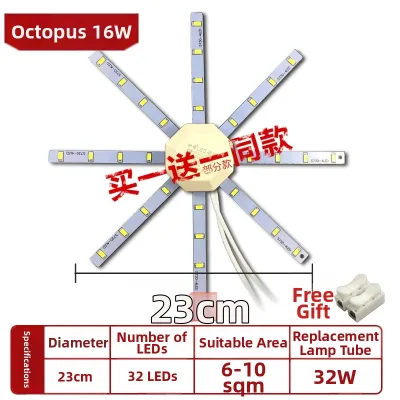
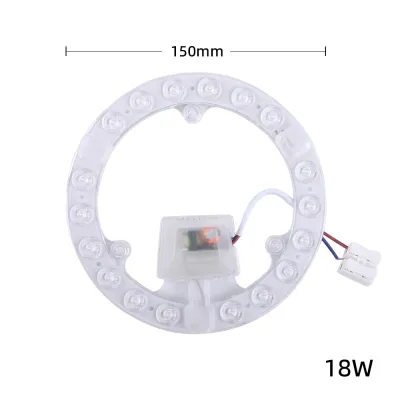
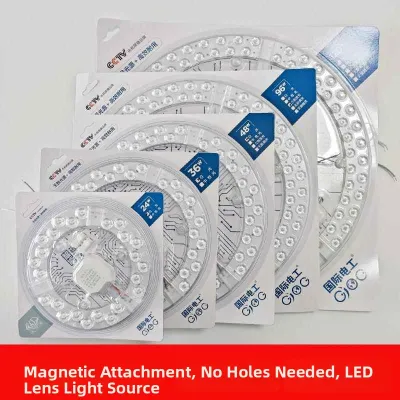
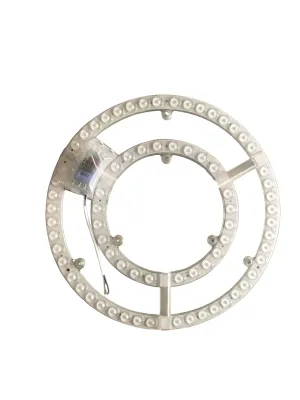
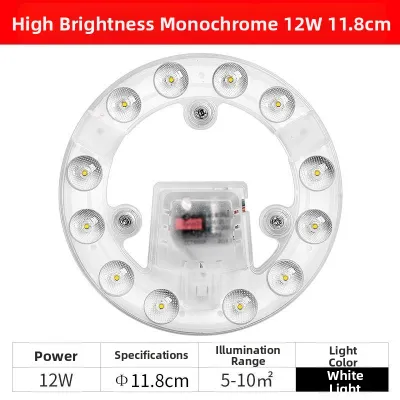
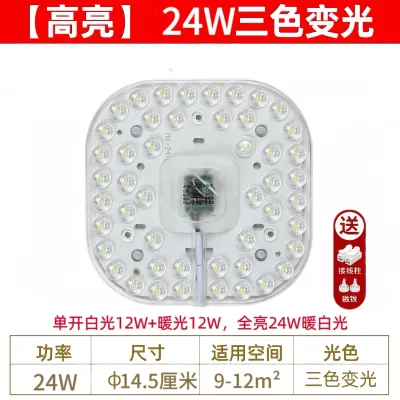
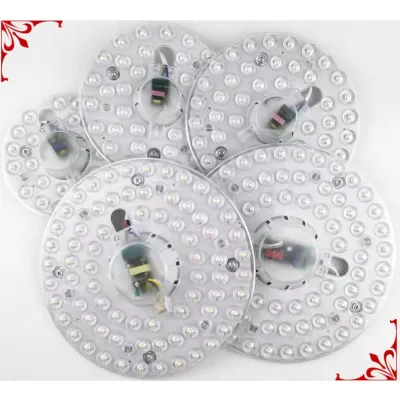
Prices are valid at publication and may change. Please refer to the product page for the latest price.
Proportion and scale also play a critical role in HDB interior design. A massive, thick ring light designed for double-volume ceilings will overwhelm a standard HDB layout. Conversely, a ring light that is too small may look lost or fail to provide adequate ambient illumination. To maintain a balanced aesthetic, you must consider the ratio of the fixture’s diameter to the room’s overall dimensions. For a typical HDB bedroom of about 10 to 12 square meters, a ring light with a diameter of 40 to 50 centimeters is generally proportionate. For larger living rooms, a diameter of 60 to 80 centimeters can work well, provided the vertical profile remains exceptionally slim.
The surface finish of your HDB ceiling also interacts dynamically with the light emitted by a ring fixture. Most HDB ceilings are finished with standard matte white emulsion paint, which acts as an excellent natural reflector, helping to bounce and scatter light throughout the room. However, if your ceiling has a textured finish or a semi-gloss paint, a high-intensity ring light can create distracting specular reflections and highlight minor surface imperfections. Choosing a fixture with an indirect lighting component—where some light is projected upward to wash the ceiling—can help soften these transitions and create a more uniform, visually pleasing ambient glow.
Essential Specifications to Verify on the Product Label
When browsing lighting catalogs or visiting local showrooms, you must look past the marketing photos and scrutinize the technical specifications on the product label. The most critical dimension to verify is the fixture’s overall depth or thickness. For a 2.6m ceiling, a true flush-mount LED ring light—one that sits directly against the concrete ceiling with no visible gap—is highly recommended. Look for fixtures with a thickness of 8 centimeters or less. If you prefer a semi-flush design, ensure the total drop from the ceiling to the lowest point of the ring does not exceed 15 centimeters, leaving at least 2.45 meters of clear headroom below.

Lumen output and wattage are equally vital to prevent over-illumination. Because HDB rooms are relatively compact, installing a fixture with excessively high lumens will turn your cozy living space into an uncomfortably bright environment. As a general guideline, aim for an illumination level of roughly 300 to 400 lumens per square meter for living areas, and 150 to 200 lumens per square meter for bedrooms. Translate this into the fixture’s total lumen output based on your room’s floor area. For example, a 15-square-meter living space typically requires a fixture emitting around 4,500 to 6,000 lumens. Avoid relying solely on wattage as a measure of brightness, as LED efficiency varies widely between different brands and driver designs.
Color temperature and dimming capabilities allow you to adapt the lighting to different times of day and activities. Many modern LED ring lights offer tri-color switching, allowing you to toggle between warm white (3000K), cool white (4000K), and daylight (6500K) using your standard wall switch. If you opt for a dimmable model, you must verify the dimming protocol. Some fixtures use proprietary remote controls or smart app integration, while others rely on wall-mounted dimmer switches. If you plan to use a wall dimmer, ensure the LED driver inside the fixture is explicitly labeled as dimmable and matches the type of dimmer switch installed in your home.
Beyond the physical dimensions, you must pay close attention to the electrical specifications of the LED driver, which is the heart of the fixture. In Singapore, the standard mains voltage is 230V at a frequency of 50Hz. Ensure the driver is rated for a voltage range that comfortably covers this (typically 220V to 240V). Cheap, unbranded drivers often have narrow voltage tolerances and poor thermal management, making them highly susceptible to failure in Singapore’s hot and humid tropical climate. A high-quality driver should feature built-in over-temperature and short-circuit protection, ensuring the fixture operates safely even during extended periods of use.
Finally, examine the quality of the diffuser and the beam angle. A high-quality diffuser made of optical-grade polymethyl methacrylate (PMMA) or polycarbonate is essential for a ring light. It should evenly scatter the light from the individual LED chips, eliminating visible “hotspots” or bright dots that cause glare. The beam angle should be wide—ideally 120 degrees or more—to ensure the light spreads horizontally across the ceiling and walls, reducing the cave-like effect where the top corners of the room remain dark while the center is intensely lit.
How to Evaluate Brands for Local HDB Compatibility
Because you cannot rely on unverified online claims of brand superiority, you must establish a systematic framework to evaluate lighting brands for local HDB compatibility. The first and most important step is checking for local regulatory compliance. In Singapore, electrical appliances, including LED drivers and certain lighting power supplies, must be registered with Enterprise Singapore and carry the Safety Mark. This mark indicates that the product has been tested and certified to meet local safety standards, reducing the risk of electrical fires, short circuits, or premature driver failure due to local voltage fluctuations.
Another critical factor is the availability of local warranty support and replacement parts. Unlike traditional fixtures where you can simply screw in a new lightbulb, integrated LED ring lights rely on built-in LED strips and an internal electronic driver. If the driver fails—which is the most common cause of an LED fixture stopping work—you will need an exact replacement that fits inside the fixture’s housing. Brands with an established local presence, physical showrooms, or authorized distributors in Singapore are highly preferable. They can provide immediate over-the-counter replacements or technical support, saving you from having to discard the entire fixture if a single component fails.
The physical construction of the ring frame itself is another key indicator of brand quality. High-quality brands typically construct their ring frames from powder-coated aluminum or robust steel, which serves a dual purpose: it provides structural rigidity and acts as an effective heat sink for the LED strips inside. LEDs generate a significant amount of heat at the junction point, and if this heat is not dissipated efficiently, the light output will degrade rapidly, and the lifespan of the chips will be severely shortened. Avoid brands that rely entirely on thin, lightweight plastic frames, as these can warp over time under the heat generated by the LEDs and fail to protect the internal components.
You should also assess how well a brand’s mounting systems accommodate HDB construction. HDB ceilings are constructed from precast concrete, which is incredibly dense and hard. Installing a ceiling fixture requires drilling into this concrete and securing the mounting bracket with appropriate wall plugs. Brands that design their fixtures with versatile, heavy-duty metal mounting brackets and multiple screw-hole configurations make the installation process much smoother. Avoid brands that use flimsy plastic mounting plates or proprietary brackets that do not align with standard ceiling junction boxes or concrete anchor spacings.
Lastly, leverage community feedback by reading reviews from local buyers who have installed the specific brand in standard HDB flats. Look for comments regarding the long-term reliability of the LED chips, whether the diffuser yellows over time under tropical humidity, and how easy the fixture is to mount on concrete ceilings. Pay close attention to any mentions of driver hum or flickering, as these are common issues in lower-quality brands that do not optimize their electronics for Singapore’s 230V, 50Hz electrical grid.
Installation Boundaries and Safety Requirements
Installing a new LED ring light on an HDB concrete ceiling involves specific safety boundaries and physical limits that you must respect. Standard HDB concrete ceilings require proper masonry drill bits and plastic or metal wall plugs to secure the mounting bracket. For lightweight flush-mount fixtures weighing under 5 kilograms, high-quality plastic wall plugs are generally sufficient. However, if you are installing a larger, heavier semi-flush or suspended ring light, you must use metal expansion anchors (commonly known as rawlbolts) to ensure the fixture remains securely anchored over time and does not pose a falling hazard.
Drilling into HDB precast concrete requires the right tools and technique to avoid damaging your ceiling or the fixture. Standard impact drills often struggle with the dense concrete used in HDB construction, leading to oversized, messy holes that cannot hold wall plugs securely. Instead, you should use a rotary hammer drill equipped with a high-quality carbide-tipped masonry bit. Be mindful of the drilling depth; drilling too deep can strike structural steel reinforcement bars (rebar) embedded in the concrete. If you encounter sudden resistance that feels metallic, stop drilling immediately and shift the mounting bracket slightly to drill a new hole, ensuring you do not compromise the structural integrity of the ceiling or damage your drill bit.
Before undertaking any installation, you must evaluate the existing wiring conditions. Older HDB flats may have older wiring configurations, while newer BTO flats typically come with standard ceiling rose points or pre-installed junction boxes. You must ensure that the base plate of your chosen LED ring light is large enough to completely cover the existing ceiling opening or junction box, maintaining a neat and professional finish. If the existing wiring is degraded, brittle, or lacks a proper earth connection, do not attempt to connect the new fixture yourself.
Safety must always be your top priority when working with electricity. Before touching any wires or removing an old fixture, you must isolate the power. Do not rely solely on turning off the wall switch, as some older or improperly wired systems may still have live current running to the ceiling point. Locate your home’s main consumer unit (DB box) and switch off the miniature circuit breaker (MCB) controlling the lighting circuit for that specific room. Use a reliable voltage tester pen to verify that the wires are completely dead before proceeding with any physical contact.
It is crucial to understand the legal and safety boundaries regarding DIY electrical work in Singapore. While replacing an existing light fixture on a like-for-like basis is generally permissible for homeowners who possess the necessary skills and tools, any modification to the fixed electrical wiring is not. If your installation requires running new electrical conduits, adding new switch points, modifying the distribution board, or installing complex smart lighting control systems, you must hire a Licensed Electrical Worker (LEW). Working beyond your competence not only risks severe electrical shock or fire but can also void your home insurance and violate local housing regulations.
Frequently Asked Questions (FAQ)
Can I install a suspended LED ring light in an HDB bedroom? (FAQ)
While you can physically hang a suspended LED ring light in an HDB bedroom, it is generally not recommended due to the standard 2.6-meter ceiling height. A suspended fixture requires a minimum drop length to look aesthetically balanced, which often brings the bottom of the ring down to 2.2 meters or lower. This low clearance creates a significant risk of accidentally hitting the fixture when changing bedsheets, dressing, or moving around the room. Additionally, a hanging ring light in a compact bedroom visually crowds the space, making the ceiling feel lower than it actually is. For HDB bedrooms, a flush-mount LED ring light is a much safer and more visually spacious alternative.
Do LED ring ceiling lights require special dimmer switches? (FAQ)
Yes, LED ring ceiling lights require compatible dimming systems to function without flickering or buzzing. Standard wall dimmers designed for older incandescent bulbs are typically incompatible with LED drivers. If you want to dim your ring light, you must ensure the fixture’s built-in LED driver is labeled as dimmable and specify whether it requires a leading-edge or trailing-edge phase-cut dimmer. Alternatively, many modern brands offer dedicated remote controls or smart home protocols (such as Zigbee or Wi-Fi) that handle dimming digitally within the fixture itself, bypassing the need to install a specialized wall dimmer switch.
How do I clean a large LED ring fixture without damaging the diffuser? (FAQ)
To clean your LED ring fixture safely, always turn off the power at the wall switch and allow the fixture to cool completely before starting. Use a soft, dry microfiber cloth to gently wipe away dust and cobwebs from the outer surface of the diffuser. For stubborn smudges or insect spots on acrylic or polycarbonate diffusers, slightly dampen the microfiber cloth with water mixed with a tiny drop of mild, pH-neutral dish soap. Never use abrasive scrubbing pads, harsh chemical solvents, or alcohol-based cleaners, as these can scratch, cloud, or permanently degrade the optical properties of the plastic diffuser.
Community discussion
Share your experience or ask a question. Comments are reviewed before publication.