
Creating a warm, inviting living room ambiance in Singapore requires more than just selecting a stylish fixture; it demands a strategic understanding of how light interacts with your living space. An led standing light serves as a highly versatile tool for this purpose, offering both localized task lighting and soft, indirect illumination that can transform the mood of a room. Whether you are aiming to soften the concrete lines of a modern HDB flat or add warmth to a spacious condominium living area, the right choice of LED floor lamp brand can significantly alter your home’s evening atmosphere.
To achieve the ideal ambiance, homeowners must navigate a variety of technical specifications, spatial constraints, and brand offerings. The market ranges from smart, color-changing ecosystems to minimalist architectural designs, each catering to different aesthetic and functional preferences. By understanding the core lighting metrics, electrical compatibility requirements, and placement strategies specific to Singapore homes, you can make an informed decision that enhances both the beauty and utility of your living space.
Defining Living Room Ambiance: Key Lighting Metrics
To design a living room that transitions seamlessly from a bright, functional daytime space to a cozy evening retreat, you must understand the technical properties of light. Ambiance is not merely a subjective feeling; it is the direct result of color temperature, color rendering, dimming precision, and how light is distributed across the room.
Products mentioned in this guide
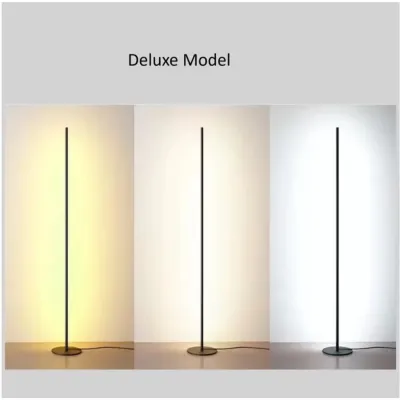
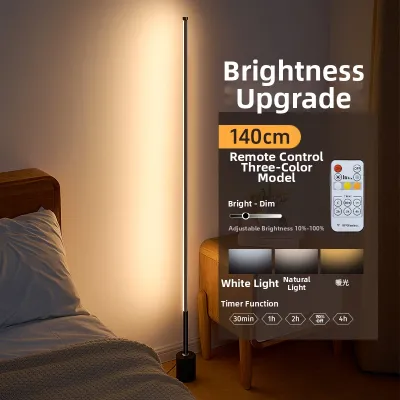
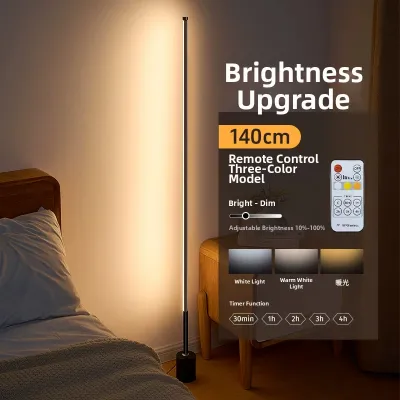
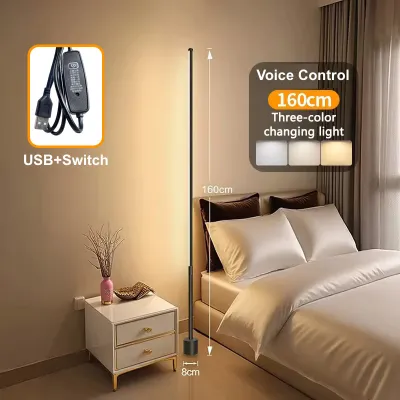
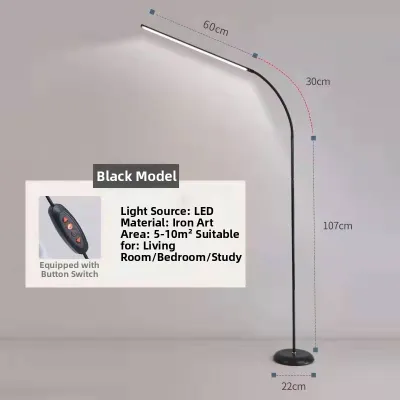
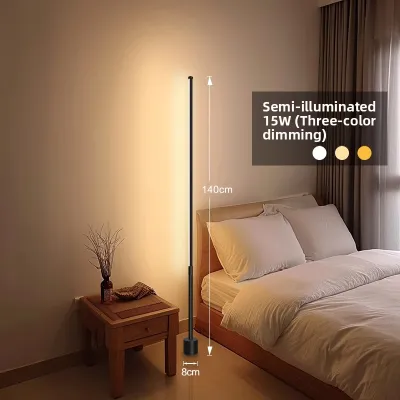
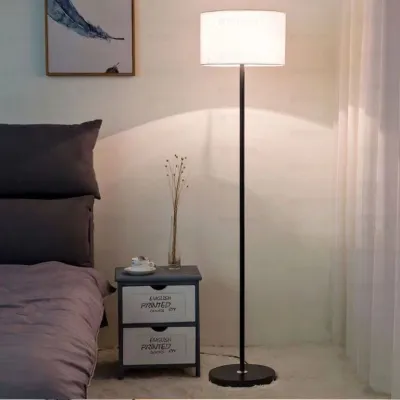
Prices are valid at publication and may change. Please refer to the product page for the latest price.
Color Temperature (CCT)
Correlated Color Temperature, measured in Kelvin (K), dictates the warmth or coolness of the light emitted. For an ambient, relaxing living room environment, a CCT between 2700K and 3000K (warm white) is highly recommended. This range mimics the soft, golden glow of traditional incandescent bulbs or late-afternoon sunlight, which helps signal to the brain that it is time to wind down. Conversely, cooler temperatures above 4000K (cool white or daylight) stimulate alertness and can make a living room feel clinical, sterile, or overly bright during evening hours. If your living room serves multiple purposes, consider brands that offer adjustable CCT, allowing you to switch from cool daylight for daytime reading to warm amber tones for nighttime relaxation.
Color Rendering Index (CRI)
The Color Rendering Index measures how accurately a light source reveals the true colors of objects compared to natural sunlight. For a living room to feel vibrant and high-end, look for an led standing light with a CRI rating of 90 or higher (often labeled as Ra 90+). A high CRI ensures that the rich textures of teak furniture, fabric sofas, wall art, and indoor plants look natural and appealing under artificial light. Low-CRI lighting (typically below 80) can make colors look muted, grey, or slightly distorted, detracting from the overall aesthetic of your interior design.
Dimming Capabilities
Fixed-brightness lights limit the versatility of a living room. To truly control the ambiance, dimming is essential. High-quality floor lamps feature either stepless physical dimming (using a touch-sensitive slider on the pole) or digital smart dimming via an app or remote control. This allows you to adjust the light output from 100% for reading or cleaning down to a subtle 5% glow for watching movies or hosting intimate gatherings. When choosing a dimmable lamp, ensure the driver is engineered to prevent flickering, which can cause eye strain and headaches.
Light Distribution
How a lamp projects light determines its spatial effect. Uplighting bounces light off the ceiling, creating a soft, diffuse glow that makes low-ceiling rooms feel taller and more open. Downlighting concentrates light downward, creating focused pools of light that are ideal for reading or highlighting specific furniture pieces. Diffused omnidirectional lighting distributes light in all directions through a shade, acting as a soft, glowing column that fills dark corners and balances the overall brightness of the room without harsh glare.
Adapting to Singapore Living Spaces and Electrical Standards
Singapore’s residential landscape presents unique physical and environmental conditions that directly influence how you select and position home lighting. From HDB flats to condominiums and landed properties, several practical factors must be kept in mind.

Spatial Constraints
Many modern Singapore homes, particularly HDB Build-To-Order (BTO) flats and compact apartments, feature highly optimized floor plans where space is at a premium. A bulky floor lamp with a wide, sprawling tripod base can easily obstruct walkways and make a room feel cluttered. For these spaces, prioritize slim-profile linear designs, corner-hugging vertical poles, or cantilevered arc lamps. An arc lamp is particularly useful because its heavy base can be tucked neatly behind or beside a sofa, while the long arm extends over a coffee table, delivering light exactly where it is needed without occupying valuable floor space in the center of the room.
Electrical Compatibility
Singapore operates on a 230V/50Hz electrical system and utilizes the Type G (BS 1363) 3-pin plug. When purchasing an led standing light online, especially from global platforms, it is vital to verify that the power adapter and voltage rating match Singapore’s standards. Importing a 110V lamp designed for North America or Japan without a certified, safe step-down transformer poses a severe fire and electrical hazard. Furthermore, for peace of mind, check if the power supply unit or plug adapter carries the local Safety Mark, which indicates the product has been tested and certified safe for use in Singapore households.
Climate Considerations
Singapore’s tropical climate features high relative humidity year-round. If a floor lamp is placed near open balconies, large indoor plants, or humidifiers, the materials are highly susceptible to oxidation and corrosion. Look for lamps constructed from high-quality anodized aluminum, powder-coated steel, or brass with protective clear coats. Avoid cheap, untreated ferrous metals that can rust quickly in humid conditions.
Smart Home Integration
Many Singapore households utilize smart home ecosystems such as Apple Home, Google Home, Samsung SmartThings, or Home Assistant. If you plan to automate your lighting—such as dimming the living room lights automatically at 8:00 PM—ensure the floor lamp brand natively supports these protocols or can be fitted with a compatible smart bulb.
Navigating LED Standing Light Brand Categories
To find the perfect match for your home, it helps to categorize the market into distinct brand types based on their design philosophy, technology, and target use cases.
Smart Lighting Ecosystem Brands
These brands prioritize seamless connectivity, app-based customization, and automated scene-setting. They are ideal for tech-savvy homeowners who want to synchronize their floor lamps with other smart lights, televisions, or music systems. These systems often utilize Zigbee or Wi-Fi to offer millions of color options and precise white-light tuning.
Designer and Architectural Brands
Focusing on sculptural forms, premium materials, and precise optical engineering, these brands treat the floor lamp as a piece of functional art. They are highly suited for spacious living rooms or landed properties where the lamp serves as a visual centerpiece. These fixtures often feature custom-designed lenses that eliminate glare and project light in precise, mathematically calculated patterns.
Minimalist and Functional Brands
Characterized by clean lines, ultra-thin profiles, and integrated touch controls, these brands focus on space-saving utility. They blend seamlessly into modern Scandinavian, industrial, or minimalist Singaporean interiors, providing excellent light output without drawing excessive visual attention to the fixture itself.
Mass-Market and Modular Brands
These brands offer high affordability and modular flexibility. They often utilize standard bulb sockets (such as E27 or GU10), allowing homeowners to choose and replace their own LED bulbs over time. This is an excellent, budget-friendly option for those who want to experiment with different smart bulbs without committing to an expensive integrated fixture.
Purchasing Channels
To ensure authenticity, electrical safety, and valid warranty coverage in Singapore, always purchase through official brand stores, authorized local lighting showrooms (such as those along Balestier Road or Jalan Besar), or reputable local online home decor platforms. Avoid purchasing from unauthorized third-party sellers on global marketplaces, as these products may lack the correct plug types, voltage compatibility, or local warranty support.
Pre-Purchase Checklist for LED Floor Lamps
Before finalizing your purchase, use this checklist to compare different models and brands, ensuring your chosen lamp delivers long-term performance, safety, and visual comfort.
Integrated LED vs. Replaceable Bulbs
Integrated LED lamps offer incredibly sleek, low-profile designs because the light-emitting diodes are built directly into the fixture’s frame. However, if the LED driver or chip fails after the warranty period, the entire lamp may need to be replaced. Conversely, lamps with replaceable bulb sockets (like E27) are slightly bulkier but offer long-term maintainability, as you can easily swap out a failed bulb or upgrade to a newer smart bulb.
Glare Control
Direct exposure to bare LED chips can cause intense visual fatigue and discomfort. When evaluating a lamp, check for the presence of frosted glass or acrylic diffusers, honeycomb louvers, or physical shades that shield the light source from direct line-of-sight. Indirect lighting designs, which direct the light toward walls or ceilings, are highly effective at preventing glare in seating areas.
Build Quality and Stability
A top-heavy floor lamp is a significant tipping hazard, particularly in households with young children, active pets, or robotic vacuum cleaners. Before purchasing, verify the weight of the lamp’s base. A high-quality lamp should feature a heavy, low-profile base (often weighted with cast iron or heavy stone) that keeps the center of gravity low and prevents accidental tipping.
Warranty and After-Sales Support
Because LED floor lamps rely on electronic drivers and delicate circuitry, they are more vulnerable to electrical surges than traditional incandescent lamps. Ensure the brand or retailer offers a robust local warranty that specifically covers both the LED chips and the internal electronic driver. A local warranty ensures you can easily obtain replacement parts or repairs without shipping the item overseas.
Placement and Safety Guidelines
Proper placement and safety precautions ensure that your floor lamp not only looks beautiful but also operates safely and reliably for years to come.
Strategic Placement
To maximize the visual appeal of your living room, place your led standing light in underutilized dark corners to eliminate harsh shadows and expand the perceived boundaries of the room. Positioning a lamp slightly behind or beside a primary reading chair provides excellent task lighting without casting shadows on your book. Alternatively, placing an uplighter behind a sofa or television console creates a soft wash of indirect light that reduces eye strain during evening screen time.
Cord Management
Loose electrical cords are both an aesthetic eyesore and a serious tripping hazard. Route the lamp’s cable neatly along baseboards, securing it with adhesive cord clips or running it beneath heavy furniture. If the cord must cross a high-traffic walkway, utilize a low-profile, rubberized cord cover that sits flat against the flooring to prevent trips and protect the cable from wear.
Heat and Clearance
Although LED technology is highly efficient and runs significantly cooler than traditional incandescent or halogen bulbs, the internal power driver and enclosed LED arrays still generate localized heat. Always maintain a safe distance of at least 10 to 15 centimeters between the lamp’s hot zones (such as the driver housing or light head) and flammable materials like heavy curtains, fabric wall hangings, or dry indoor plants. Never cover the ventilation slots of an active LED fixture.
Frequently Asked Questions (FAQ)
Can I use a smart LED standing light without a smart hub?
Yes, many smart LED floor lamps can be operated without a dedicated smart hub. Lamps that utilize direct Wi-Fi or Bluetooth connectivity can connect directly to your home router or smartphone, allowing you to control brightness and color settings via a dedicated mobile app. However, if the lamp uses a Zigbee or Thread protocol, you will typically require a compatible smart hub to enable remote control, automation routines, and integration with broader smart home ecosystems.
How do I clean and maintain the finish of a metal or fabric floor lamp shade?
To maintain the appearance of your floor lamp, always turn off the power and unplug the fixture before cleaning. For metal finishes, gently wipe the surface with a dry, lint-free microfiber cloth to remove dust and fingerprints; avoid using abrasive chemical cleaners or solvent-based polishes unless specifically recommended by the manufacturer. For fabric shades, use a soft-bristled brush or a vacuum cleaner attachment on its lowest suction setting to gently lift accumulated dust. Always consult the manufacturer’s care instructions for material-specific guidelines.
Is it safe to leave an LED floor lamp on all night for ambient lighting?
High-quality LED floor lamps are generally safe for extended or overnight use because they generate minimal heat compared to older lighting technologies. However, continuous operation can shorten the lifespan of the internal electronic driver, which is sensitive to prolonged heat accumulation. To ensure safety and conserve energy, it is highly recommended to use built-in timers, smart schedules, or motion sensors to turn the lamp off when the living room is unoccupied. Always ensure the lamp is placed in a well-ventilated area away from flammable materials.
Community discussion
Share your experience or ask a question. Comments are reviewed before publication.