
Selecting the right LED track light for a standard 2.6m HDB flat ceiling requires balancing functional illumination with spatial comfort. In a home with limited vertical clearance, bulky fixtures can make rooms feel cramped, while poorly selected beam angles risk casting harsh glare directly into your line of sight. To achieve a bright, open, and visually comfortable home, you must focus on low-profile track systems and strategic beam spreads that distribute light without overwhelming the physical space.
By prioritizing compact track heads, verifying physical dimensions, and matching beam angles to specific room zones, you can create an efficient lighting layout. This approach ensures your ceiling feels high and airy while providing targeted light exactly where it is needed.
Understanding 2.6m Ceiling Constraints in HDB Flats
Standard HDB flats typically feature a ceiling height of approximately 2.6 meters, which presents unique spatial and visual challenges for lighting design. When fixtures protrude too far downward, they occupy valuable vertical space and can make a room feel physically and visually smaller. Bulky track heads or deep tracks disrupt the clean sightlines of a room, drawing unnecessary attention upward and creating a heavy, oppressive atmosphere.
Products mentioned in this guide
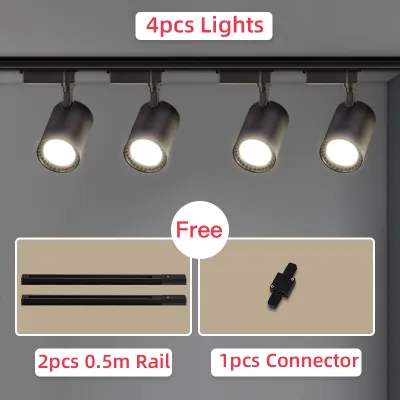
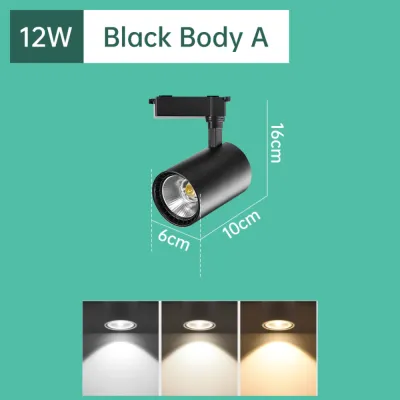
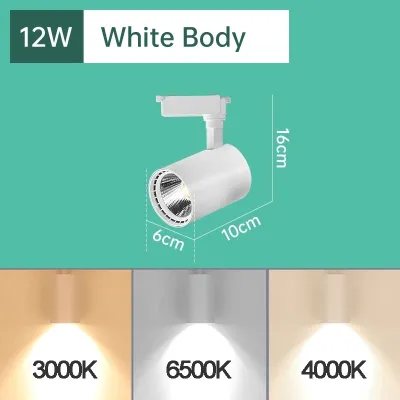
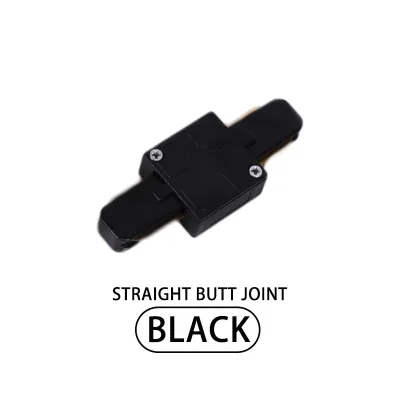
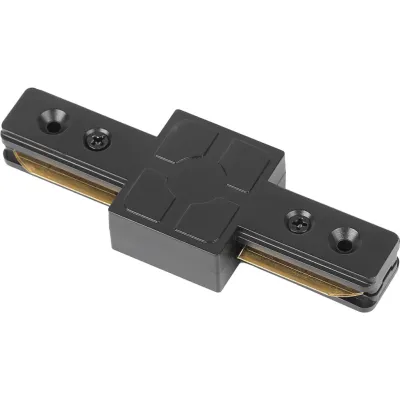
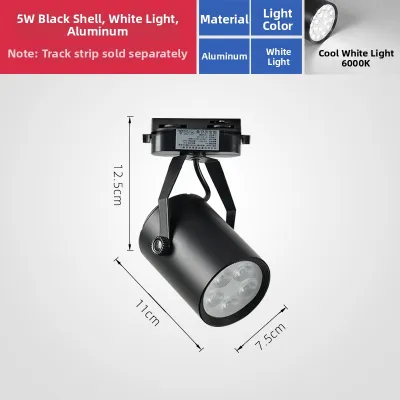
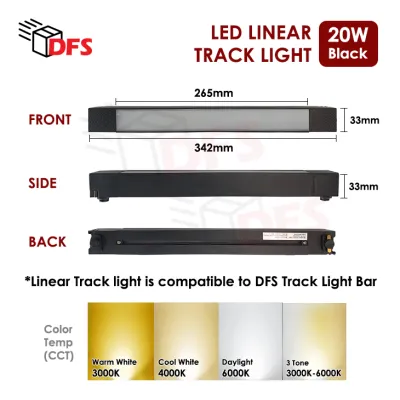
![[BUY 1 FREE 1 BULB] DFS LED LIGHT Track light Tri-tone 9W 5W 4W Gu10 Bulb](https://img.lazcdn.com/g/p/58b72f34a73ab0ccee36fd4667d0bd6f.jpg_400x400q80.jpg_.webp)
Prices are valid at publication and may change. Please refer to the product page for the latest price.
Another critical concern with low ceilings is the increased risk of direct and indirect glare. Because the light sources are positioned closer to your eye level than they would be in high-ceiling properties, any exposed or poorly angled bulb can cause immediate visual discomfort. This proximity means that light distribution must be managed carefully to prevent harsh hotspots on walls and floors.
Additionally, installing track lights close to the concrete ceiling slab requires careful consideration of heat dissipation and clearance. LED fixtures generate heat at their base and driver units, which must escape efficiently to prevent premature component failure. Ensuring there is adequate breathing room around the fixture, and choosing tracks designed for direct surface mounting on concrete, helps maintain safety and longevity.
Choosing the Right LED Track Light Profile
When selecting a track profile for a 2.6m ceiling, you must first evaluate the structural limitations of your HDB flat. Recessed track profiles, which sit flush with the ceiling surface, offer the cleanest visual lines but typically require a false ceiling. Because installing a false ceiling reduces your available headroom even further—often by 10 to 15 centimeters—surface-mounted tracks are generally the more practical choice for preserving the maximum 2.6m height.

To minimize visual clutter, look for low-profile, minimalist track systems. Slim tracks with a depth of 2 centimeters or less keep the hardware as close to the ceiling slab as possible. Pair these slim tracks with compact, integrated LED track heads rather than bulky fixtures that use replaceable bulbs, as integrated units are often significantly shorter and sleeker.
Before purchasing any lighting system, calculate the total drop height by adding the depth of the track rail to the maximum vertical extension of the track head. For a 2.6m ceiling, aim for a total fixture drop of no more than 15 to 20 centimeters. This ensures that the lowest point of the light remains well above head height, maintaining safe clearance for tall occupants and moving furniture.
Selecting Beam Angles to Prevent Glare and Enhance Space
The beam angle of your LED track light determines how wide or narrow the light spreads, directly influencing how spacious your HDB flat feels. For general ambient lighting, wide beam angles of 60 degrees or more are highly effective. These wide spreads wash the floor and walls with an even, soft light, reducing harsh shadows and making compact living areas feel larger and more open.
Conversely, if you want to highlight artwork, shelving, or architectural features, medium (24 to 36 degrees) or narrow (15 to 20 degrees) beam angles are appropriate. However, in a low-ceiling environment, narrow beams must be used sparingly and positioned precisely. If misaligned, tight beams can create intense, distracting hotspots on your walls or floor, causing uncomfortable contrast zones.
To mitigate glare while maintaining flexibility, select track heads with adjustable tilt and rotation mechanisms. This allows you to angle the light away from direct sightlines, such as seating areas or doorways. Additionally, look for fixtures compatible with glare-control accessories like honeycomb louvers or deep-baffled snouts, which physically block stray light from entering your eyes without reducing the useful beam on your target surface.
Layout and Placement Strategies for Low Ceilings
Achieving balanced illumination with a 2.6m ceiling depends heavily on where you position your tracks. Instead of running a single track down the exact center of the room—which can create a harsh runway effect and leave corners dark—consider a perimeter layout. Placing tracks parallel to the walls allows you to direct light outward, washing the vertical surfaces to create an illusion of greater width and height.
When planning a wall-washing setup, consult the manufacturer’s guidelines for the optimal distance between the track and the wall. Generally, placing the track about 50 to 60 centimeters away from the wall provides a smooth, gradual light gradient. Placing the track too close to the wall results in sharp, distracting light scallops that emphasize minor plaster imperfections rather than enhancing the space.
To maximize the utility of your track system, divide your lights into distinct zones and circuits. By wiring different sections of the track to separate switches, you can easily transition from bright, functional task lighting during the day to soft, low-glare ambient lighting in the evening. This zoning capability is particularly useful in open-concept HDB living and dining areas.
Electrical and Installation Safety Checks
Before installing any track lighting system, you must verify the electrical infrastructure of your HDB flat. Inspect the existing ceiling junction boxes to ensure they are in good condition and rated to support the weight of your chosen track and fixtures. While track systems are generally lightweight, secure mounting to the concrete slab using appropriate masonry anchors is essential to prevent sagging or accidental detachment.
Verify that the voltage of your track system matches your home’s electrical supply, which is standard in Singapore. If you opt for low-voltage track systems (such as magnetic tracks), you must plan for the placement of the external transformer or driver. Because these drivers can be bulky, they should be housed in an accessible, well-ventilated location—such as a nearby distribution box or cabinet—rather than stuffed into tight ceiling cavities where heat can build up.
Always prioritize safety when dealing with fixed electrical wiring and work at height. Before beginning any installation or maintenance, isolate the power at the main distribution board. If your project involves routing new wiring, modifying structural concrete, or installing complex multi-circuit tracks, stop and consult a licensed electrical worker to ensure compliance with local safety regulations.
Frequently Asked Questions (FAQ)
Can I use pendant track lights in an HDB flat with a 2.6m ceiling?
Using pendant track lights on a 2.6m ceiling is generally not recommended for high-traffic walkways, as they present a physical obstruction and reduce headroom. However, you can safely install them over fixed furniture zones where people do not walk, such as directly above a dining table or a kitchen island. Ensure the bottom of the pendant sits at least 75 to 90 centimeters above the tabletop to provide clear sightlines while preventing accidental bumps.
Do I need a dimmer switch for LED track lights in a low-ceiling room?
While not strictly mandatory, a dimmer switch is highly beneficial for managing light intensity in rooms with limited ceiling heights. Because the light sources are closer to eye level, the ability to lower the brightness helps prevent eye strain and creates a more relaxing atmosphere. Before purchasing, verify that your LED track heads and drivers are explicitly labeled as dimmable, and pair them with a compatible dimmer switch to ensure smooth, flicker-free performance.
Community discussion
Share your experience or ask a question. Comments are reviewed before publication.