
For a standard 2.6m HDB ceiling, highly suitable LED track lights are low-profile, surface-mounted systems paired with compact, adjustable track heads. Because a 2.6m ceiling height is relatively low, bulky fixtures can make the living space feel cramped and cause uncomfortable glare. Selecting slim tracks, wider beam angles for general illumination, and fixtures with built-in anti-glare features like deep-recessed lenses ensures a comfortable, well-lit home without sacrificing headroom.
Understanding 2.6m Ceiling Constraints and Track Types
A ceiling height of 2.6 metres is standard for most modern Housing & Development Board (HDB) flats in Singapore. This height limits vertical clearance, meaning every centimetre of light fixture drop impacts the openness of the room. Homeowners must carefully evaluate how different track types affect both physical clearance and visual space.
Surface-mounted tracks are the most practical choice for standard concrete HDB ceilings. They mount directly to the slab, typically adding only 1.5 to 2 centimetres of depth. However, you must account for the height of the track heads and any external driver boxes, which can add significant visual weight if not selected carefully.
Products mentioned in this guide
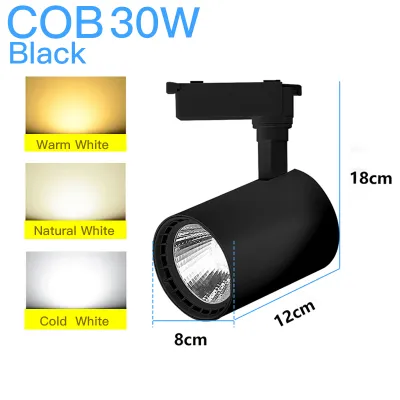
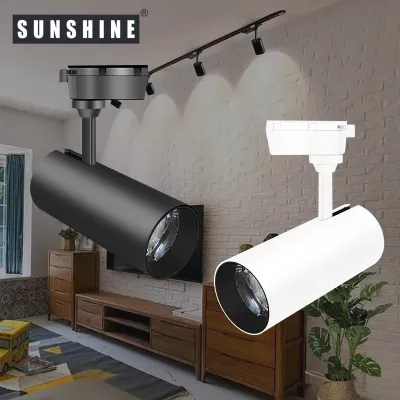
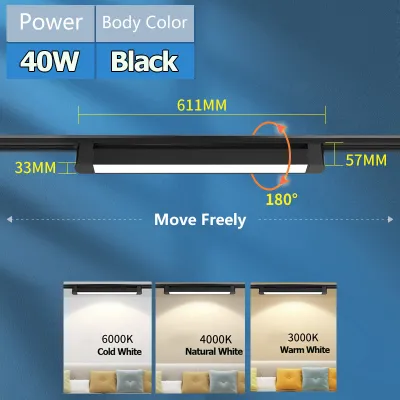
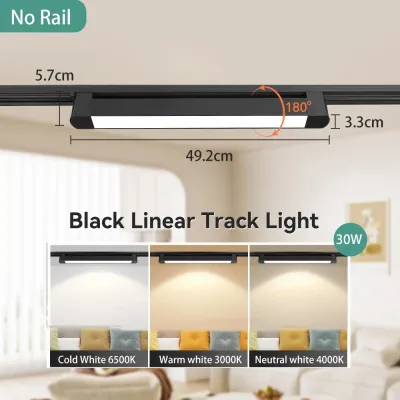
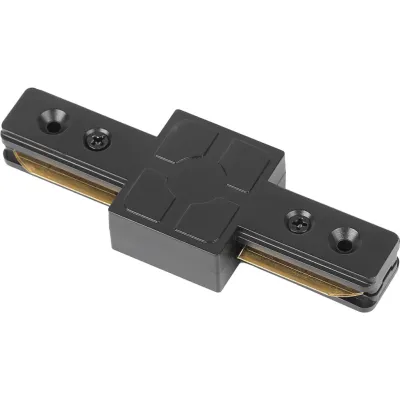
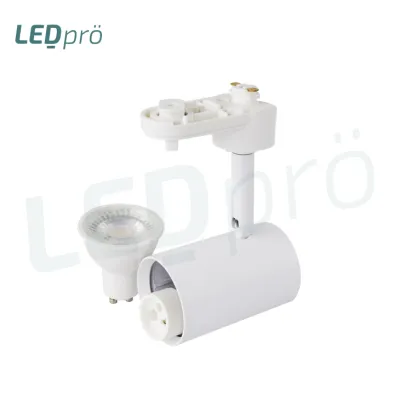
![[BUY 1 FREE 1 BULB] DFS LED LIGHT Track light Tri-tone 9W 5W 4W Gu10 Bulb](https://img.lazcdn.com/g/p/58b72f34a73ab0ccee36fd4667d0bd6f.jpg_400x400q80.jpg_.webp)
Prices are valid at publication and may change. Please refer to the product page for the latest price.
Recessed track systems offer a completely flush look but require a false ceiling. Installing a false ceiling in a 2.6m flat reduces the clearance even further, often bringing the final height down to 2.4 metres or less. This can make the living space feel oppressive unless carefully planned with ultra-slim recessed profiles.
Hacking concrete HDB ceilings to recess tracks is strictly prohibited under local structural guidelines. Therefore, homeowners must choose between a minimal surface-mounted track or a strategic false ceiling drop only in specific zones, such as along the walls.
Visual weight is another critical factor. Thick, heavy track profiles in dark colours can visually slice a low ceiling, making the room feel smaller. Opting for slim, white tracks that match a white ceiling helps the system blend seamlessly into the background.
Choosing Low-Profile LED Fixtures for Compact Spaces
Selecting the right fixture shape is essential to preserve headroom and maintain a clean aesthetic. Heavy, dangling track heads are unsuitable for low ceilings as they present a physical hazard and clutter the line of sight.

Cylindrical track heads are highly popular but vary greatly in size. For a 2.6m ceiling, look for miniature or micro-cylinders that do not exceed 10 to 12 centimetres in length. These compact fixtures provide directional light without protruding too far into the living space.
Flat, disc-shaped, or panel-style track fixtures offer an excellent alternative for general ambient lighting. They distribute light over a wider area and have a very shallow profile, keeping the ceiling plane clean and unobstructed.
Adjustable fixtures allow you to angle the light toward walls or specific features. When angling track heads, ensure the drop length at the maximum tilt does not interfere with daily activities or tall furniture.
Scale is key to a balanced interior design. Oversized fixtures designed for commercial spaces or high-ceiling lofts will overpower a standard HDB living room. Always verify the physical dimensions of the track heads before purchasing to ensure they match the residential scale of your flat.
Controlling Beam Angles and Glare at Close Range
Because a 2.6m ceiling places the light sources closer to eye level, glare control is a primary comfort consideration. Direct exposure to intense LED light points can cause eye strain and headaches.
For general ambient lighting, wider beam angles of 40 to 60 degrees are preferred. A wider beam spreads the light more evenly across the floor and walls, reducing harsh shadows and preventing hot spots directly under the fixtures.
Narrow beam angles of 15 to 24 degrees should be reserved strictly for accent lighting, such as highlighting artwork or a feature wall. Position these fixtures so the light washes down the wall rather than pointing directly into seating areas where people might look up.
Anti-glare accessories are highly effective in low-ceiling environments. Look for track heads designed with deep-recessed lenses, which hide the LED chip from direct view at normal viewing angles.
Honeycomb louvers and snoots (baffles) can also be attached to compatible track heads. These accessories mechanically block stray light spill, directing the beam precisely where it is needed while keeping the source comfortable to look at from across the room.
Heat Management and HDB Electrical Safety
LED lights generate heat at the back of the diode, which must be dissipated to ensure longevity and safety. In a compact HDB flat, heat buildup near the ceiling can degrade the LED driver and reduce light output over time.
Examine the heat sink design of any track light fixture. High-quality fixtures use aluminum casings with integrated cooling fins or thermal pathways to draw heat away from the sensitive electronics. Avoid fully enclosed plastic fixtures that trap heat.
Verify the voltage compatibility of the track system with Singapore’s standard 230V electrical supply. Most residential track systems run on mains voltage directly, but some low-voltage systems (like 24V or 48V magnetic tracks) require a step-down transformer.
If your system requires a transformer, plan its placement carefully. It must be housed in a well-ventilated, accessible location—never sealed permanently inside a concrete ceiling or behind an unventilated panel, as this poses a fire hazard.
Always engage a licensed electrical worker (LEW) or a qualified electrician to handle the installation. They will ensure the circuit load is calculated correctly, the wiring complies with local electrical standards, and the power is safely isolated at the distribution board during installation.
Measurement and Layout Planning Checklist
Before purchasing any track lights, take precise measurements of your space. Note the exact ceiling height and identify any structural obstructions, such as structural beams, air conditioning trunking, or ceiling fans.
Maintain a safe clearance distance between track lights and ceiling fans. A moving fan blade passing in front of a track light creates a highly distracting strobe effect throughout the room. Ensure the track is positioned well outside the sweep radius of the fan.
Calculate the distance from the wall when planning accent lighting. For a 2.6m ceiling, placing the track approximately 50 to 60 centimetres away from the wall provides an ideal angle for wall-washing without creating harsh shadows.
Check the manufacturer’s specifications for the maximum wattage and number of fixtures allowed on a single track run. Overloading a track can lead to overheating, flickering, or tripped circuit breakers.
Map out your furniture layout to ensure the track heads point toward functional areas, such as dining tables or reading corners, while avoiding direct glare over beds or sofas.
Frequently Asked Questions (FAQ)
Can I install magnetic track lights in an HDB with a 2.6m ceiling?
Yes, magnetic track lights are highly suitable for 2.6m HDB ceilings due to their ultra-slim, low-profile tracks. Surface-mounted magnetic tracks add minimal height, keeping the ceiling clean. However, you must plan for the external transformer, which is required to convert the mains voltage to 24V or 48V. Since you cannot hack the concrete ceiling to hide the transformer, you must locate it in an accessible distribution box, a nearby cabinet, or a small false ceiling section.
Do I need a transformer for LED track lights, and where should it go?
Standard 230V LED track lights do not require an external transformer because they have integrated drivers built into each track head. However, low-voltage systems, such as magnetic tracks, require a transformer. The transformer must be placed in a well-ventilated, accessible area for safety and maintenance. Common locations include inside a DB box, within a ventilated carpentry cabinet, or behind an accessible access panel in a false ceiling.
How do I clean and maintain track light fixtures safely?
Before cleaning or adjusting your track lights, always turn off the power at the main wall switch to prevent electrical shocks. Use a sturdy step ladder to reach the fixtures safely at the 2.6m height. Wipe the track and fixtures with a dry, clean microfiber cloth to remove dust. Avoid using liquid cleaners, wet cloths, or chemical sprays, as moisture can seep into the track live parts and damage the electrical contacts.

Community discussion
Share your experience or ask a question. Comments are reviewed before publication.