
Finding a truly long-lasting reed diffuser in Singapore requires looking beyond marketing buzzwords to evaluate the carrier solvent, fragrance oil concentration, and reed material. While many premium home aroma brands claim exceptional longevity, the actual lifespan of any diffuser is heavily dictated by your indoor environment, such as air conditioning and humidity. To secure a persistent home aroma, buyers should prioritize brands that utilize low-volatility, alcohol-free bases (like glycol ethers or bio-based solvents) and high-density synthetic or high-quality rattan reeds.
Instead of chasing a single “universal winner” brand, consumers should learn to identify the structural and chemical markers of high-performance diffusers. This approach ensures you get the best value for your budget, whether shopping at high-end boutiques in Orchard Road or browsing local online marketplaces. By understanding how these products interact with the local climate, you can make an informed purchase that keeps your living spaces smelling fresh for months.
Understanding What Controls Reed Diffuser Longevity
The baseline evaporation speed of any reed diffuser is primarily determined by its carrier solvent. Many mass-market brands rely on alcohol-based solvents, such as ethanol or isopropyl alcohol, because they are inexpensive and provide a strong initial burst of fragrance. However, alcohol has a high vapor pressure, meaning it evaporates rapidly, often depleting a standard bottle within a few weeks. In contrast, premium brands typically use glycol-based or bio-based solvents, which have a much lower vapor pressure, allowing for a slow, controlled release of the home aroma over several months.
Products mentioned in this guide
![[Ideal Gift]SHIORA Aromatherapy Series Home Scent Reed Diffuser | 50/100ml/200ml | Essential Oil | Room Perfume | Cedarwood Citronella Lavender Lemongrass Sandalwood Peppermint](https://img.lazcdn.com/g/p/ee02a57b19e36376ad6b1d3e90bcfbf6.png_400x400q80.png_.webp)

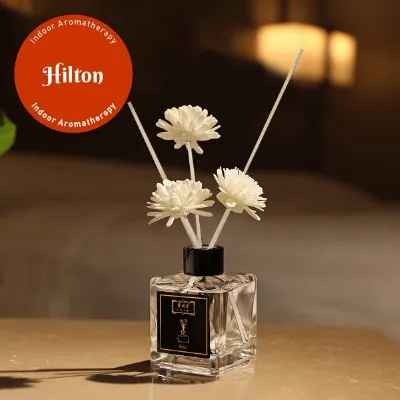
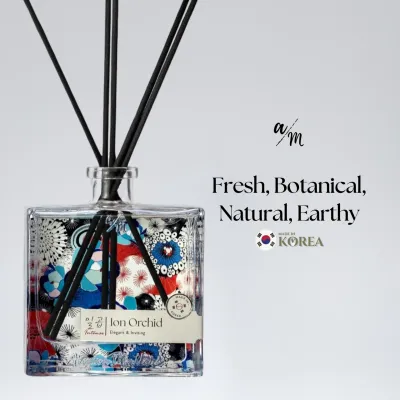
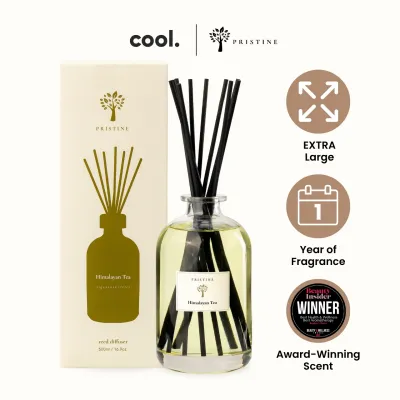

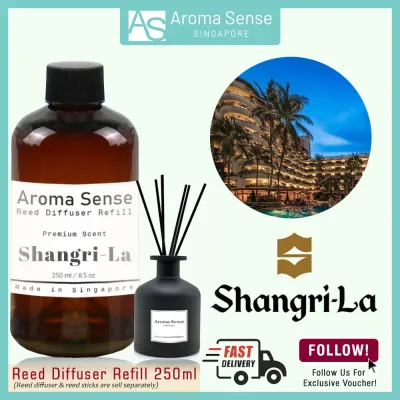
Prices are valid at publication and may change. Please refer to the product page for the latest price.
Fragrance oil concentration also plays a critical role in balancing initial scent throw with overall lifespan. High-quality diffusers generally feature a fragrance oil concentration of 15% to 25%. This high ratio ensures that even as the carrier solvent slowly evaporates, a consistent amount of fragrance molecules is drawn up the reeds. Lower concentrations require more reeds to achieve a noticeable scent throw, which in turn accelerates the depletion of the liquid.
Furthermore, the physical structure of the reeds dictates how effectively the liquid is drawn upward. Natural rattan reeds contain micro-channels that pull the liquid via capillary action, but their organic nature means pore sizes can vary, sometimes leading to uneven performance or clogging. Synthetic fiber reeds, engineered from polyester or nylon, feature perfectly uniform, open pores. While synthetic reeds often provide a stronger and more consistent scent throw, they can also deplete the liquid slightly faster if paired with a highly volatile solvent.
How Local Indoor Climates Affect Evaporation Rates
Singapore’s tropical climate and widespread use of air conditioning create unique challenges for maintaining a long-lasting home aroma. In air-conditioned spaces, the air is dehumidified and kept in constant motion by fan coil units. This dry, moving air accelerates the evaporation of the carrier solvent from the exposed tips of the reeds. When the air conditioning is turned off, the sudden rise in temperature and humidity can cause the remaining fragrance oils on the reeds to thicken, which hinders future capillary action.

In non-air-conditioned spaces, high ambient humidity presents a different obstacle. When relative humidity levels exceed 80%, the air is already saturated with water vapor, which can slow down the evaporation of water-soluble carrier solvents. However, the high tropical heat simultaneously accelerates the evaporation of volatile top notes, such as citrus or eucalyptus. This imbalance often causes the diffuser to lose its complex scent profile quickly, leaving behind a faint, flat base note that struggles to disperse in the heavy, humid air.
Airflow dynamics near windows, ceiling fans, and ventilation shafts also physically strip fragrance molecules from the air. Placing a diffuser directly in the path of a strong draft might temporarily boost the scent throw, but it rapidly depletes the liquid. To achieve a persistent home aroma without wasting product, you must carefully balance placement to avoid these high-velocity air currents.
Key Criteria for Evaluating Long-Lasting Brands
To identify brands that offer genuine longevity, start by examining the ingredient list or Safety Data Sheet (SDS), which many reputable home aroma manufacturers make available online. Look for the primary solvent used in the formulation. If the first ingredient listed is alcohol, denatured alcohol, or water, the product is highly likely to deplete quickly. Conversely, look for formulations that specify glycol ethers, glycerin-based solvents, or proprietary eco-solvents, as these indicate a slower-evaporating, high-performance base.
Next, evaluate the physical quality and thickness of the reeds provided by the brand. High-performance brands typically supply thick reeds, measuring between 3mm and 5mm in diameter. Thinner reeds have smaller capillary channels that clog easily and cannot sustain a steady draw of heavier fragrance oils. The reeds should feel dense and firm to the touch; soft, easily bent reeds often indicate low-grade rattan or poorly bonded synthetic fibers that will degrade rapidly in a humid environment.
Brand transparency is another reliable indicator of quality. Trustworthy brands avoid making vague, open-ended claims like “lasts forever” or “scents your entire home.” Instead, they provide realistic performance metrics based on specific bottle sizes, such as stating that a 100ml bottle is optimized to scent a room of up to 15 square meters for approximately six to eight weeks under standard conditions.
Finally, consider the availability of refills and the design of the vessel. Brands that prioritize long-term value will offer dedicated refill bottles and replacement reed packs, allowing you to reuse the original decorative glass vessel. The vessel itself should ideally feature a narrow neck or a collar design. A wide-mouthed jar allows the liquid to evaporate directly from the surface, bypassing the reeds entirely and wasting valuable fragrance.
Verifying Brand Claims Before You Buy
When shopping for a home aroma, it is essential to filter out misleading marketing language. Be skeptical of vague claims such as “lasts up to six months” when there is no mention of the bottle size, the number of reeds used, or the testing environment. Often, these claims are based on laboratory tests conducted in sealed, draft-free rooms at a constant, cool temperature. In a real-world Singaporean home, the actual lifespan may be significantly shorter.
To find reliable performance data, look beyond the initial five-star reviews on brand websites, which are often written immediately after unboxing when the scent throw is at its peak. Instead, search for reviews on independent home decor forums, local lifestyle blogs, or verified buyer sections on online marketplaces. Look specifically for feedback from users who have had the product for at least four to six weeks, paying close attention to comments regarding how quickly the liquid level drops and whether the scent remains noticeable over time.
Additionally, ensure you purchase your home aroma products from authorized physical boutiques, department stores, or official online brand stores. Reed diffusers are highly sensitive to storage conditions. Products sold through unauthorized parallel importers or discount online resellers may have been stored in hot, unventilated warehouses for extended periods, which degrades the fragrance oils and breaks down the carrier solvents before the product even reaches your home.
Practical Steps to Extend Your Diffuser's Lifespan
To maximize the lifespan of your reed diffuser, establish a disciplined reed-flipping routine. Flipping the reeds exposes the saturated end to the air, providing an immediate boost to your home aroma. However, flipping them too frequently—such as every day—accelerates the evaporation process and depletes the liquid rapidly. Instead, limit flipping to once every one to two weeks, or only when you notice the scent throw has significantly diminished.
Knowing when to replace your reeds is equally important. Over time, reeds inevitably become clogged with airborne dust, pet dander, and microscopic grease particles, especially in open-concept living spaces near kitchens. Once the capillary channels are blocked, the reeds can no longer draw the liquid upward, leaving you with a full bottle of diffuser liquid that emits no scent. As a rule of thumb, always use a fresh set of reeds whenever you refill the bottle or if the existing reeds have been in use for more than three months.
Proper placement is the final key to longevity. Position your diffuser in a high-traffic area, such as a hallway or near an entryway, where the natural movement of people walking past will gently circulate the scent throughout the space. However, keep the vessel away from direct sunlight, which heats the liquid and causes rapid, uneven evaporation. Avoid placing it directly on top of heat-emitting electronics, near air conditioning vents, or in drafty pathways where the moving air will strip the fragrance away too quickly.
Frequently Asked Questions (FAQ)
Can I mix different brand refills and reeds?
While it may be tempting to mix and match components, doing so can severely compromise the performance of your home aroma. Different brands formulate their carrier solvents with specific viscosities and evaporation rates designed to work in tandem with their proprietary reeds. For instance, a brand that uses a thick, oil-heavy solvent will pair it with wide-channeled reeds to facilitate proper capillary action. If you place those same reeds into a highly volatile, alcohol-based refill from another brand, the liquid may evaporate in a matter of days. Conversely, using fine-pored reeds with a thick oil refill can result in complete clogging and zero scent throw.
Why does my diffuser stop smelling even when liquid remains?
This common issue is usually caused by one of two factors: olfactory fatigue or physical clogging. Olfactory fatigue, often called nose blindness, occurs when your brain adapts to a continuous, unchanging scent in your immediate environment, effectively filtering it out. To test this, step out of your home for a few hours; if the scent is noticeable when you return, your diffuser is working fine. If the scent is truly gone, the culprit is likely physical clogging. Dust and airborne oils coat the reeds over time, blocking the microscopic channels and stopping the capillary action. Replacing the old reeds with a fresh set will usually restore the home aroma immediately.

Community discussion
Share your experience or ask a question. Comments are reviewed before publication.