
Finding a long-lasting diffuser for home use involves looking beyond attractive packaging and marketing claims. While many premium brands promise months of continuous fragrance, the actual longevity and scent throw of a reed diffuser depend on a delicate balance of chemical formulation, physical materials, and the specific environment of your living space. In tropical climates like Singapore, where homes frequently transition between high humidity and dry, air-conditioned air, these factors become even more critical. Understanding how carrier bases, fragrance concentrations, and reed types interact allows you to identify high-performing products and maintain them for maximum lifespan. By focusing on the science of evaporation and the structural quality of the product, you can make an informed purchase decision that keeps your living space smelling fresh without constantly replacing depleted bottles.
How Scent Throw and Longevity Actually Work
To choose a high-performing diffuser for home spaces, it is essential to understand the physics of fragrance evaporation. Scent throw refers to how far and how effectively a fragrance travels through the air of a room. Longevity, on the other hand, refers to the lifespan of the liquid inside the bottle. These two performance metrics are often in direct competition. A formulation that evaporates rapidly will project a powerful, immediate scent throughout a large room, but it will deplete the bottle in a matter of weeks. Conversely, a slow-evaporating formula might last for several months but fail to project beyond a tiny radius. Balancing these two aspects requires a carefully engineered formulation that controls the release of volatile compounds.
The primary driver of this balance is the carrier liquid, which makes up the bulk of the diffuser’s volume. Historically, many home fragrance products relied on alcohol or glycol ethers to dissolve fragrance oils. Alcohol-based carriers evaporate very quickly, producing an intense initial burst of scent that can be overwhelming before rapidly fading as the liquid disappears. Modern, high-quality diffusers utilize specialized, non-toxic solvent bases such as glycerin-derived or soy-based carriers. These advanced solvents have a much lower vapor pressure, meaning they evaporate at a highly controlled, steady rate. This ensures that the fragrance is released gradually, maintaining a consistent scent throw over several months without premature depletion. When evaluating brands, looking for those that explicitly state they use alcohol-free or bio-based carriers is an excellent starting point.
Products mentioned in this guide
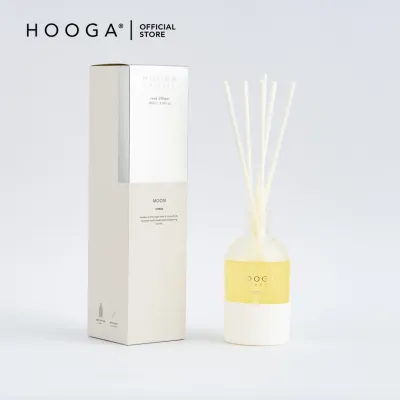
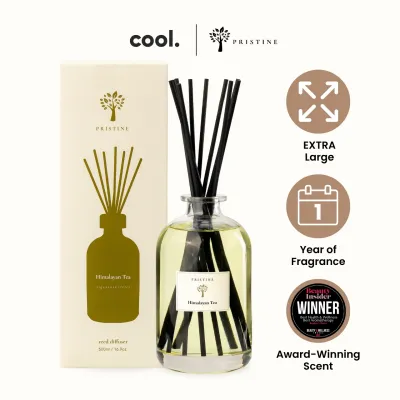
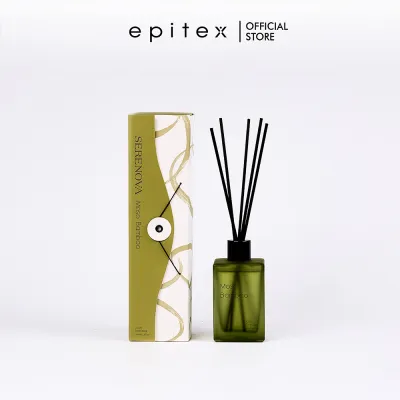
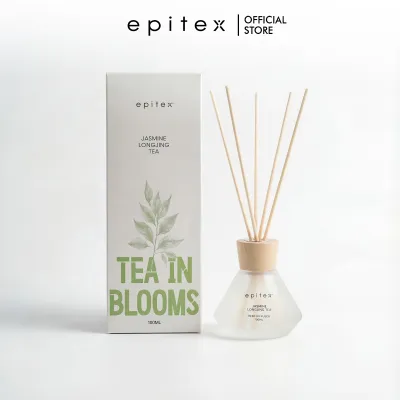
Prices are valid at publication and may change. Please refer to the product page for the latest price.
Another critical factor is the concentration of fragrance oil within the mixture. Premium home diffusers typically contain a higher percentage of pure fragrance oils—often ranging from 15% to 30%—blended with the carrier. Lower-tier products may contain as little as 5% fragrance oil, with the remainder consisting of cheap solvents or water. When the fragrance concentration is low, the scent throw is weak, prompting users to add more reeds or place the bottle in drafty areas, which only accelerates the evaporation of the carrier without improving the olfactory experience. Investing in a formulation with a high concentration of fine fragrance oils ensures that even a slow, controlled evaporation rate yields a noticeable and pleasant aroma.
What to Look for on the Label and Packaging
When shopping for a diffuser for home use, you can assess its potential longevity and performance by examining the physical design and the product label. The first physical component to evaluate is the reed material. Traditional rattan reeds are natural wood sticks containing dozens of tiny, hollow channels that draw the liquid upward via capillary action. While rattan is excellent for a slow, steady release, the natural channels can easily become clogged by dust or heavy fragrance oils. Modern fiber reeds, made from synthetic polyester or cotton blends, are engineered to have uniform, open pores. Fiber reeds absorb and release liquid much more rapidly than rattan, providing a stronger and more immediate scent throw, though they may consume the liquid slightly faster. Understanding this trade-off allows you to choose the right reed type for your specific spatial needs.

The architecture of the diffuser vessel itself plays a surprisingly large role in evaporation control. Look for bottles designed with narrow necks or restricted openings. A wide-mouthed jar exposes a large surface area of the liquid directly to the air, allowing the carrier solvent to evaporate directly from the bottle rather than traveling up the reeds. A narrow neck ensures that almost all evaporation occurs through the reeds themselves, which is essential for maximizing the lifespan of the product. Additionally, high-quality brands often package their diffusers with secure, airtight collars or stoppers, allowing you to seal the bottle if you travel or wish to pause the fragrance release. This simple design feature prevents unnecessary waste when the room is unoccupied for extended periods.
Label transparency is another key indicator of a reliable product. While manufacturers rarely disclose their exact proprietary scent formulas, reputable brands will often state the type of carrier base used and confirm that the product is free from phthalates, parabens, and highly volatile organic compounds (VOCs). Look for indications of the total volume relative to the expected lifespan; for example, a standard 100ml to 150ml bottle should realistically last between two and three months in a typical indoor environment. If a brand promises six months of scent from a tiny 50ml bottle, the claim is likely unrealistic unless the scent throw is virtually imperceptible. Checking these specifications helps you avoid products that rely on exaggerated marketing rather than sound formulation.
How to Extend Your Diffuser's Lifespan at Home
Even the highest-quality diffuser for home use will underperform if it is placed in an unfavorable environment or left unmaintained. In Singapore’s tropical climate, indoor spaces present unique challenges. Many homes rely on a combination of natural ventilation, ceiling fans, and air conditioning. Placing a reed diffuser directly in the path of an air conditioning vent, a powerful fan, or an open window will dramatically accelerate the evaporation rate. The dry, moving air strips the fragrance liquid from the exposed reeds faster than the capillary action can replenish it, exhausting the bottle prematurely. Instead, position your diffuser in an area with gentle, natural air circulation, such as an entryway, a hallway, or the center of a living room away from direct drafts. This allows the scent to disperse naturally as people walk past, creating a pleasant ambient aroma without wasting liquid.
Temperature and sunlight also play major roles in fragrance degradation. Direct sunlight heating a glass diffuser bottle will warm the liquid inside, increasing its vapor pressure and causing rapid, uncontrolled evaporation. Furthermore, UV rays can break down the delicate chemical bonds of the fragrance oils, altering the scent profile and causing the liquid to discolor or turn cloudy. To preserve both the aesthetic appeal and the olfactory integrity of your diffuser, keep it on a stable, shaded shelf or side table away from windows and heat-emitting appliances. This simple placement adjustment can extend the lifespan of your diffuser by several weeks.
Regular maintenance is simple but crucial for sustaining a consistent scent throw. Over time, gravity causes dust and airborne particles to settle on the exposed tops of the reeds, forming a barrier that blocks the fragrance from escaping. To combat this, flip the reeds once every one to two weeks. Always perform this task over a sink or a protective paper towel, as dripping fragrance oils can permanently damage polished wood, varnished surfaces, or natural stone countertops. If you notice that the liquid level in the bottle remains high but the scent has completely vanished even after flipping, the reeds have likely become fully saturated or clogged with dust. In this scenario, replacing the old reeds with a fresh set will instantly revive the diffuser’s performance without requiring you to buy a whole new bottle.
Building a Shortlist of Reliable Diffuser Brands
When compiling a shortlist of potential diffuser brands to purchase, you should evaluate them based on structural indicators of quality rather than subjective marketing claims. One of the most reliable ways to ensure longevity is to match your preferred scent profiles with the physical properties of the fragrance ingredients. Scent molecules evaporate at different rates based on their molecular weight. Light, refreshing scents dominated by citrus, green tea, or marine notes consist of small, highly volatile molecules that disperse quickly and dissipate rapidly. In contrast, deep, warm scents featuring base notes of sandalwood, cedarwood, amber, patchouli, vanilla, or musk are composed of heavy, complex molecules that cling to surfaces and evaporate very slowly. If your primary goal is a long-lasting scent throw, look for brands that offer sophisticated blends anchored by these heavy base notes, as they naturally linger in the air for much longer.
Another hallmark of a high-quality brand is the availability of dedicated refills and replacement parts. Purchasing a complete diffuser set—including a decorative glass vessel, a decorative collar, and a set of reeds—can represent a significant initial investment, often ranging from S$40 to over S$100 depending on the brand’s positioning. Brands that prioritize sustainability and long-term customer value will offer separate refill bottles of their signature scents alongside affordable packs of replacement reeds. This approach is not only environmentally friendly, reducing the need to discard beautiful glass bottles, but it also makes continuous home fragrancing far more cost-effective over time. When comparing brands, prioritize those that make it easy to purchase refills, as this indicates a commitment to a long-term relationship with the consumer.
Finally, assess the brand’s transparency regarding safety and ingredient sourcing. Reputable manufacturers formulate their home fragrances in compliance with international safety standards, such as those set by the International Fragrance Association (IFRA). These standards restrict or ban ingredients that are known allergens or environmental hazards. A brand that openly shares its commitment to clean formulations, uses sustainably sourced essential oils, and utilizes biodegradable, non-toxic carrier bases is highly likely to deliver a superior, safer, and more consistent olfactory experience in your home. By focusing on these objective criteria—scent profile composition, refill availability, and ingredient safety—you can build a reliable shortlist of brands that deliver genuine longevity and performance.
Frequently Asked Questions (FAQ)
Why did my reed diffuser stop smelling after a few weeks?
A sudden drop in scent throw is usually caused by one of three common factors: reed clogging, environmental placement, or olfactory fatigue. Over time, airborne dust, pet dander, and high indoor humidity can settle on the exposed portions of the reeds, blocking the microscopic channels and preventing the fragrance oil from evaporating into the room. Additionally, placing the diffuser in a stagnant corner with no air movement prevents the scent from dispersing, while placing it too close to an air conditioning vent can dry out the reeds prematurely. Finally, you may simply be experiencing olfactory fatigue, commonly known as nose blindness. When you are constantly exposed to the same ambient scent in your home, your brain eventually filters it out as background noise. To test this, step outside your home for a few hours; if the scent is noticeable when you return, your diffuser is still working perfectly.
Are fiber reeds better than rattan for long-lasting scent?
Neither material is universally superior, as they serve different preferences and environmental needs. Fiber reeds are manufactured from synthetic materials designed to pull liquid upward rapidly and distribute it evenly. They offer a highly consistent, powerful scent throw from the moment they are inserted, making them ideal for larger rooms or open-plan living spaces. However, because they draw liquid so efficiently, they will consume the diffuser fluid at a faster rate, shortening the overall lifespan of the product. Rattan reeds, being a natural wood product, absorb the liquid more slowly and release it gradually. This results in a gentler, more subtle scent throw that is well-suited for smaller spaces like bathrooms or study rooms, while preserving the liquid for a longer period. If your priority is maximum longevity, rattan reeds are generally more suitable, whereas fiber reeds are preferred for maximum scent projection.

Community discussion
Share your experience or ask a question. Comments are reviewed before publication.