
Selecting the right multicultural decorative statues for a Singapore home requires a thoughtful blend of cultural appreciation, material resilience, and spatial awareness. In a cosmopolitan city-state where modern high-rise living meets a rich tapestry of Chinese, Malay, Indian, Eurasian, and global heritages, integrating diverse sculptural elements can transform a standard interior into a deeply personal, character-rich sanctuary. However, achieving this balance goes beyond simple aesthetics; it demands an understanding of the historical narratives behind each piece, how materials behave in a tropical climate, and how to scale art appropriately within contemporary condominium and HDB layouts.
By focusing on respectful display practices, material durability, and balanced proportions, you can curate a collection of statues that honors global traditions while enhancing your home’s modern design. This guide provides a practical framework to help you navigate the cultural, aesthetic, and environmental considerations of incorporating heritage sculptures into your living space.
Honoring Cultural Significance and Context
Before introducing any cultural artifact or statue into your living space, dedicating time to research its origin, cultural narrative, and artisan background is essential. Every traditional sculpture carries a history, whether it represents a specific folklore, a regional craft technique, or a sacred spiritual lineage. Understanding these narratives prevents superficial decoration and fosters genuine appreciation, allowing you to share the story of the piece with guests who visit your home.
Products mentioned in this guide
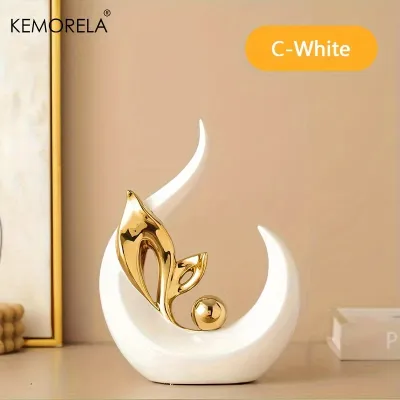
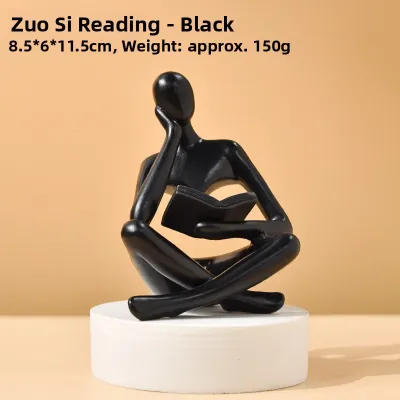
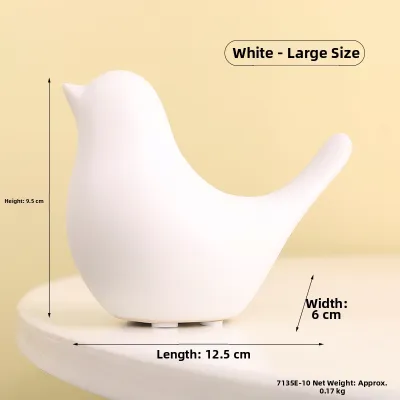
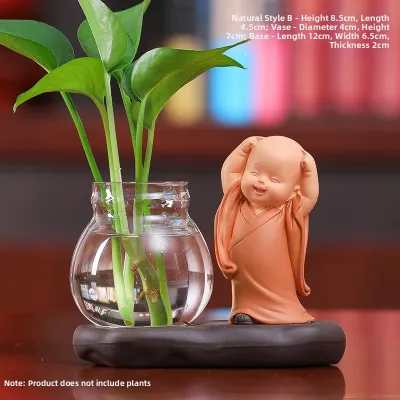
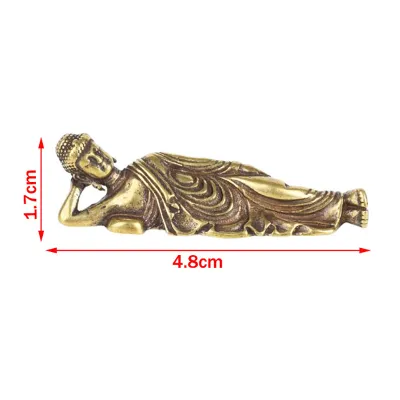
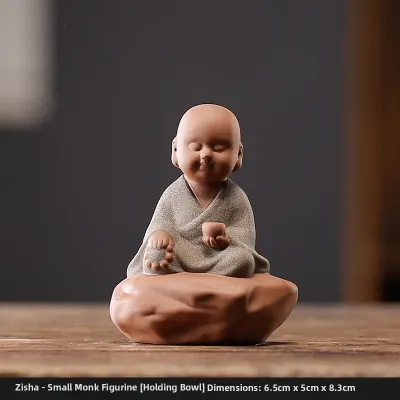
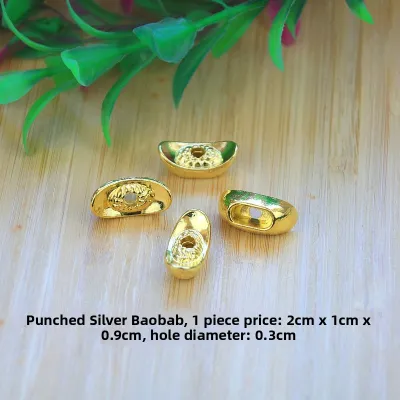
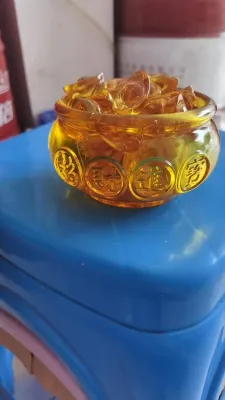
Prices are valid at publication and may change. Please refer to the product page for the latest price.
When displaying multicultural statues, traditional placement rules must be respected to maintain cultural sensitivity. Many Asian and global heritages dictate specific guidelines for displaying revered figures or symbols. For instance, certain statues require elevation above eye level, specific directional facing (such as facing the main entrance to welcome positive energy), or placement away from private or utilitarian areas like bedrooms, bathrooms, and kitchens.
It is crucial to distinguish between purely decorative cultural motifs and sacred religious icons. While a stylized geometric sculpture inspired by traditional architecture or a secular folk-art figurine can be placed freely to suit your design preferences, a consecrated deity statue or a sacred symbol demands strict adherence to traditional reverence. If you are unsure whether a piece is secular or sacred, consulting cultural experts, community elders, or the artisan who created the work can provide the necessary clarity before you finalize its placement.
Blending Heritage Pieces with Modern Aesthetics
Integrating ornate, traditional statues into a contemporary Singaporean interior does not require you to compromise on a clean, modern aesthetic. The key lies in creating a deliberate visual dialogue between the old and the new, ensuring that each heritage piece feels like a curated choice rather than an accidental clutter.

Using contrast and negative space is one of the most effective ways to highlight a multicultural statue as a focal point. By placing a highly detailed, textured sculpture against a minimalist, solid-colored wall or on a clean-lined console table, you allow the eye to rest and focus entirely on the craftsmanship of the artifact. This breathing room prevents the visual noise that often occurs when too many decorative accessories are grouped together.
Pairing intricate cultural pieces with minimalist, modern furniture creates a balanced, sophisticated atmosphere. For example, a rustic, hand-carved wooden statue from Southeast Asia can sit beautifully atop a sleek, matte-black metal sideboard or a polished concrete shelf. This juxtaposition of organic, historical textures with smooth, industrial materials highlights the unique qualities of both elements, elevating the overall design of the room.
Selecting Materials and Finishes
The material of your decorative statue plays a significant role in how well it integrates into your home’s existing design scheme and how it interacts with light. Polished metals, such as brass or bronze, introduce warmth and a touch of luxury, catching both natural sunlight and warm indoor lighting to create dynamic highlights. Matte ceramics and terracotta offer an earthy, grounded aesthetic that pairs exceptionally well with modern organic or Scandinavian-influenced interiors, providing a soft, tactile quality.
Carved wood brings natural warmth and unique grain patterns into a space, making it ideal for creating a cozy, inviting atmosphere, though it requires careful inspection to ensure it has been properly treated against pests and moisture. Natural stone, such as marble, granite, or sandstone, carries a sense of permanence and substantial visual weight, making it an excellent choice for grounding a room’s decor.
When selecting a statue, always check the manufacturer or gallery specifications regarding finish durability, sealing requirements, and indoor suitability. Unsealed materials may be highly susceptible to staining, dust accumulation, or moisture damage, whereas professionally sealed or lacquered finishes offer greater protection and easier maintenance over time.
Balancing Scale and Visual Weight
Achieving the correct proportion between your decorative statues and the surrounding furniture is vital for maintaining a balanced, uncluttered modern feel. A statue that is too small can easily get lost on a large sideboard, appearing insignificant, while an oversized piece can overwhelm a compact room, making the space feel cramped and restrictive.
When deciding between floor-standing and shelf-display statues, assess the ceiling height and overall volume of the room. In typical Singaporean apartments with standard ceiling heights, medium-sized statues (ranging from 30 to 60 centimeters in height) placed on consoles, sideboards, or low shelving units often provide the ideal visual impact without dominating the vertical space. Floor-standing statues should be reserved for spacious corners or entryways where they have sufficient clearance and do not obstruct natural light or walking paths.
To maintain a modern, airy aesthetic, avoid overcrowding your display areas. Ensure there is adequate physical and visual breathing room around each statue, allowing its silhouette to be clearly defined against the background. A good rule of thumb is to leave at least twice the width of the statue as open space on either side, ensuring the piece remains a distinct, intentional design element.
Adapting to Singapore's Climate and Space
Singapore’s tropical climate, characterized by consistently high humidity levels and warm temperatures, presents unique challenges for preserving decorative art. High humidity can accelerate the degradation of organic materials, causing untreated wood to warp, split, or develop mold, and causing certain metals to oxidize or tarnish rapidly. When choosing statues, prioritize materials that are naturally resilient to moisture, or ensure that wooden and metal pieces have been treated with high-quality, moisture-resistant sealants or lacquers.
UV radiation from intense, direct sunlight is another critical factor to consider, especially if your apartment features large, floor-to-ceiling windows or balconies. Prolonged exposure to sunlight can cause painted finishes to fade, crack, or peel, and can degrade the structural integrity of certain resin-based or composite materials. If you plan to place a statue near a sunlit window, verify that the material is UV-resistant, or utilize UV-filtering window films and sheer curtains to protect your investment.
Spatial constraints in HDB flats and condominiums require careful planning to ensure both safety and smooth traffic flow. High-traffic areas, such as narrow hallways, entryways, or active living rooms, are prone to accidental bumps and vibrations. Ensure that statues placed in these zones are highly stable, securely anchored, or positioned on sturdy furniture that cannot be easily shaken, keeping walkways clear to prevent accidental damage to both the artwork and your family members.
Building a Filtered Shortlist for Purchase
To find the perfect multicultural statue for your home, establish a structured framework that filters options based on budget, authenticity, and practical constraints. Begin by defining a clear budget range in S$; while mass-produced decorative items may cost under S$50, unique, hand-crafted pieces from specialized galleries or verified artisan platforms can range from S$150 to over S$1,000. Setting a realistic budget helps narrow your search and allows you to focus on sourcing channels that align with your financial and aesthetic goals.
Sourcing from reputable galleries, local heritage boutiques, or verified artisan platforms ensures that your purchase supports genuine craftsmanship and ethical trade practices. These channels often provide detailed documentation regarding the artist’s background, the cultural significance of the piece, and the materials used, giving you peace of mind regarding the authenticity and ethical origin of your acquisition.
Before making a purchase, cross-reference your aesthetic preferences with the cultural respect guidelines and environmental checks established earlier. Ask yourself if the statue’s symbolic meaning aligns with your household values, and verify if its material can withstand your home’s specific humidity and lighting conditions.
Creating a simple comparison matrix can greatly simplify your decision-making process. List your top three or four candidate statues and evaluate them across key columns: dimensions, material durability, care requirements, cultural appropriateness, and overall visual impact. This systematic approach ensures that you select a piece that is not only beautiful but also durable, respectful, and perfectly scaled for your modern Singaporean living space.
Safe Placement and Maintenance Boundaries
Ensuring the physical safety of your household and the preservation of your decorative statues requires careful attention to structural support and proper installation. Heavy statues made of solid stone, dense ceramic, or cast metal possess significant physical weight and can pose serious safety hazards if placed on inadequate supports. Always verify the load-bearing capacity of your shelves, console tables, and wall mounts before displaying heavy pieces, ensuring that the furniture itself is stable and anchored to prevent tipping.
For complex installations, such as wall-mounted sculptures, suspended displays, or exceptionally heavy floor-standing pieces, planning for professional installation is highly recommended. Qualified professionals can assess wall composition—distinguishing between solid concrete walls and hollow drywall partitions—and use the appropriate heavy-duty anchors, brackets, or structural supports to secure the artwork safely.
Routine maintenance should always align with the manufacturer’s or artisan’s specific care instructions. If you observe signs of material degradation, such as flaking paint, fine cracks in ceramic, or deep corrosion on metal, avoid using generic household cleaning agents or DIY restoration techniques. Stop immediately and consult the maker or a qualified professional conservator to prevent irreversible damage to the piece.
Frequently Asked Questions (FAQ)
How do I clean delicate cultural artifacts without damaging them?
For routine, low-risk maintenance of delicate cultural statues, always use soft, dry microfiber cloths or high-quality, soft-bristled brushes (such as natural makeup brushes or artist brushes) to gently remove dust from intricate carvings and crevices. Avoid using liquid cleaners, water, chemical solvents, or abrasive polishes unless they are explicitly recommended by the manufacturer’s care label, as moisture can penetrate porous materials like terracotta, unsealed wood, or plaster, leading to structural swelling, mold growth, or paint loss. If you notice signs of active material degradation, such as flaking finishes, powdery residue, or structural instability, refrain from cleaning the piece yourself and seek the guidance of a professional art conservator.
Are there specific placements to avoid for cultural statues?
To maintain cultural respect and protect your decorative statues from physical damage, avoid placing revered figures, sacred symbols, or culturally significant artifacts directly on the floor, near shoe racks, or in close proximity to waste bins and laundry areas. Additionally, keep statues away from high-traffic zones where they are vulnerable to accidental bumps, and avoid placing them near direct heat sources, air conditioning vents, or areas prone to high moisture fluctuations, such as bathrooms or open-air balconies without adequate shelter. Ensuring a stable, elevated, and protected environment preserves both the physical integrity and the symbolic dignity of your cultural decor.
Community discussion
Share your experience or ask a question. Comments are reviewed before publication.