
When a power outage occurs in a Singapore HDB flat, the sudden transition to total darkness can instantly disrupt your evening, compromise safety, and make navigating tight spaces hazardous. While Singapore’s electrical grid is highly reliable, localized blackouts due to substation maintenance, severe weather, or tripped domestic distribution boards (DB boxes) still happen. Selecting the right Nitecore portable lighting setup depends heavily on the specific layout and size of your flat. A compact 3-room unit presents different spatial challenges than a sprawling 5-room or Executive flat, requiring a strategic mix of high-output ambient lanterns, directional flashlights, and hands-free headlamps to ensure complete safety and comfort.
Assessing Blackout Lighting Needs by HDB Layout
HDB flats are designed with specific architectural configurations that dictate how light travels—or fails to travel—during an outage. Understanding these spatial characteristics allows you to plan your emergency lighting placement effectively, rather than buying random lights and hoping they suffice when the power goes out.
In a 3-room flat (typically around 60 to 65 square metres), the compact layout means a single, well-placed ambient light source can often illuminate the main living and dining area. However, because these flats often feature a linear design, light from the living room rarely reaches the kitchen or the master bathroom. You will need to supplement your central light with small, dedicated units in these isolated zones.
Products mentioned in this guide
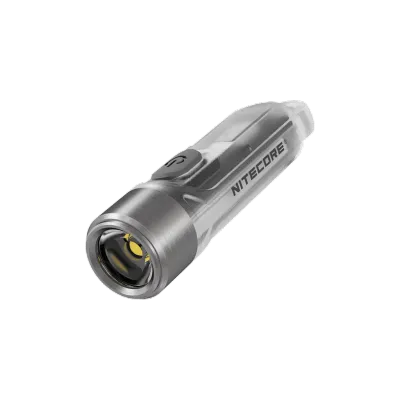
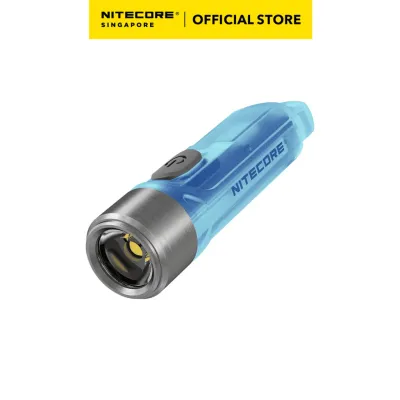
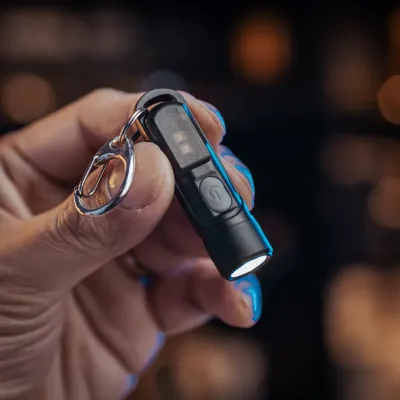
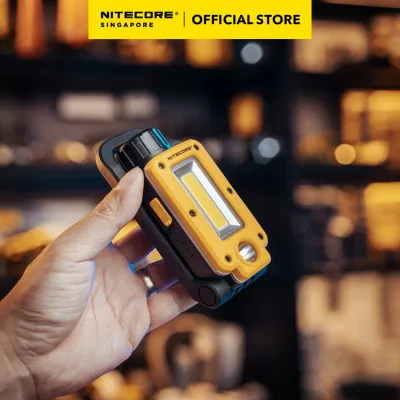
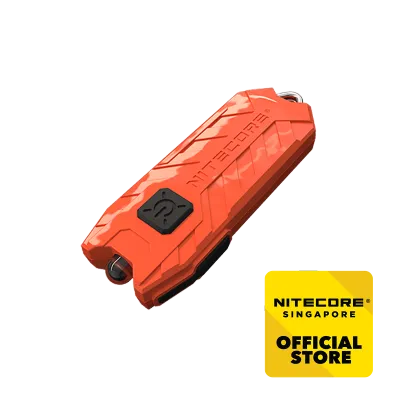
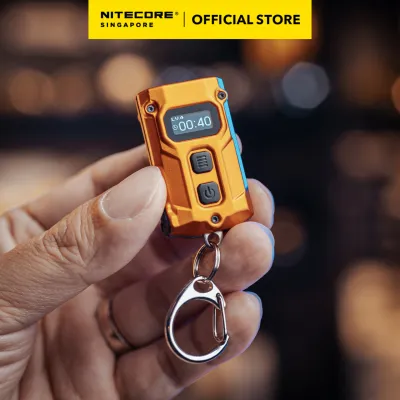
Prices are valid at publication and may change. Please refer to the product page for the latest price.
For 4-room flats (averaging 90 square metres), the layout introduces a distinct transition corridor leading from the living area to the bedrooms. This hallway is a critical bottleneck; during a blackout, it receives zero natural light from external windows, turning into a pitch-black passage. Navigating this corridor to access the common bathroom or check on children requires immediate, reliable illumination.
In 5-room and Executive flats (ranging from 110 to over 130 square metres), the sheer physical footprint and open-plan living-dining concepts create massive zones of shadow. Natural light from balcony windows rarely penetrates deep into the dining area or the kitchen. Furthermore, these larger homes often feature more complex entryways and utility rooms, requiring multiple coordinated light sources to establish safe paths of movement.
To calculate your household’s emergency lighting requirements, start by mapping out your critical navigation paths. A basic rule of thumb is to allocate one primary ambient light source (such as a lantern) for the main gathering area, one highly portable light (such as a flashlight or headlamp) near your DB box, and one low-intensity locator light for each occupied bedroom and windowless bathroom. If your household includes vulnerable individuals, such as elderly family members or young children, your needs change. Elderly individuals generally require higher contrast and up to four times more light to navigate safely without risking falls, making glare-free, high-output ambient lights essential along corridors and in bathrooms. For households with young children, immediate access to soft, non-frightening light near their beds is crucial to prevent panic.
Key Specifications to Check on Nitecore Product Labels
When shopping for Nitecore portable lights, looking past marketing buzzwords and focusing on the technical specifications listed on the product packaging or official spec sheets is essential. These metrics tell you exactly how a light will perform in a real-world HDB blackout scenario.

Lumens and Beam Profile Lumens measure the total amount of visible light emitted by a source. To match a light to your space, consider both the lumen output and the beam profile. A flood beam spreads light wide over a short distance, making it ideal for illuminating entire rooms. A throw beam focuses light into a tight, far-reaching spotlight, which is useful for searching or navigating long corridors. For a large HDB living room, a floodlight or lantern emitting 300 to 500 lumens is ideal for comfortable ambient lighting. In contrast, a compact bedroom or bathroom requires only 50 to 100 lumens of diffused light; excessive brightness in small spaces causes harsh glare and eye strain.
Battery Type and Runtime Nitecore models typically utilize either built-in lithium-ion batteries or removable cells, such as 18650 or 21700 rechargeable batteries. Built-in batteries offer simplicity and easy recharging, but once they run flat, the light is out of commission until recharged. Removable cells allow you to swap in pre-charged spares instantly during an extended outage. When evaluating runtime, always look at the rated hours on “Medium” or “Low” settings (usually 15 to 100 lumens) rather than the “Turbo” or “High” settings. High-output modes generate massive heat and drain batteries rapidly, often lasting only minutes before thermal regulation automatically steps down the brightness. For a practical blackout, you need a light that can reliably sustain a moderate, usable output for 4 to 8 hours.
Charging Interfaces With USB-C being the standard charging interface in modern Singapore homes, choosing USB-C rechargeable models ensures you can easily charge your emergency lights using your existing phone chargers, wall outlets, or laptop ports. Additionally, check the product specifications to see if the model supports reverse charging (sometimes listed as “Power Bank Function” or “OTG Output”). This feature allows the light’s internal battery to act as an emergency power source to charge your mobile phone, keeping you connected during a prolonged power failure.
Ingress Protection (IP) Ratings The IP rating indicates how well the light’s housing seals against dust and moisture. The rating consists of two digits: the first represents solid particle protection (0 to 6), and the second represents liquid ingress protection (0 to 9). Because HDB kitchens and bathrooms are high-humidity environments prone to steam, condensation, and accidental water splashes, you should verify that any light designated for these areas carries at least an IPX4 rating (splash-resistant) or, ideally, an IP66 or IP67 rating (dust-tight and highly water-resistant).
Matching Nitecore Light Types to Specific HDB Zones
Every zone within an HDB flat serves a different function, meaning a single type of flashlight cannot meet all your needs. Matching specific Nitecore form factors to the unique physical layouts of your home ensures optimal safety and efficiency.
Open Living and Dining Areas
The living and dining areas are the central hubs of an HDB flat, where family members naturally gather during an emergency. To keep these large, open-plan spaces functional, you need omnidirectional ambient lighting rather than directional spotlights.
Omnidirectional lanterns or area lights with built-in diffusers are the best choices for these zones. A diffuser softens the raw LED light, spreading it evenly across 360 degrees to eliminate harsh shadows and prevent blinding glare when placed on a central dining table or coffee table.
When selecting a lantern, check for specific physical features that enhance utility:
- Built-in hanging hooks or loops: These allow you to suspend the light from a ceiling fan hook, curtain rod, or door frame, casting light downward to mimic standard ceiling fixtures.
- Magnetic bases: A strong magnet in the base allows you to mount the light securely to metal surfaces, such as refrigerator doors, metal shelving units, or steel door frames, keeping table surfaces clear.
- Flat, stable bases: Ensure the light has a low centre of gravity and a wide, non-slip base so it remains upright if bumped in the dark.
Corridors, Stairwells, and Transition Zones
Navigating the narrow, windowless hallways of a 4-room or 5-room flat during a blackout requires highly portable, directional light sources that can be deployed instantly.
Compact flashlights and headlamps are indispensable for these transition zones. A headlamp is particularly valuable because it provides hands-free illumination, allowing you to safely carry a child, assist an elderly relative, or use both hands to locate and inspect your home’s DB box to see if a tripped circuit breaker caused the outage.
For flashlights and headlamps used in these zones, verify the presence of these physical design elements:
- Pocket clips and lanyards: A deep-carry pocket clip allows you to attach the light to your pocket or belt, while a wrist lanyard prevents you from dropping and damaging the light in a moment of panic.
- Quick-access tail switches or physical buttons: Look for models with simple, intuitive interfaces that allow you to turn the light on instantly at a usable level, without requiring you to cycle through multiple flashing or strobe modes in the dark.
- Anti-roll bodies: Flashlights with flat edges or machined ridges on the barrel will not roll off flat surfaces when laid down horizontally on a hallway shelf or console table.
Bedrooms and Windowless Bathrooms
Bedrooms and bathrooms require localized, low-glare lighting that prioritizes eye comfort, physical stability, and ease of placement on narrow surfaces.
For bedside tables and bathroom countertops, choose smaller, low-lumen emergency lights, keychain lights, or models featuring warm or neutral white light modes (typically around 2700K to 4000K). Cool white light (above 5000K) can be incredibly harsh on dark-adapted eyes, disrupting sleep patterns and causing visual discomfort. Warm light, on the other hand, provides a calming atmosphere and reduces eye strain.
Because space is often limited on nightstands and bathroom shelves, physical stability is a critical factor:
- Flat tail caps: A flashlight with a flat tail cap can be stood vertically on its end (known as "candle standing"). This projects the beam straight up at the ceiling, bouncing soft, indirect light throughout the entire room.
- Anti-roll designs: Ensure the light has physical contours that prevent it from rolling off narrow bathroom ledges, medicine cabinets, or tiled surfaces, which could result in a cracked lens or damaged internal circuitry.
- Compact footprints: Small keychain lights or ultra-compact lanterns take up minimal space, making them easy to store permanently in a drawer or on a shelf for immediate access.
Battery Maintenance and Storage in Singapore's Climate
Singapore’s tropical climate, characterized by consistently high ambient temperatures (often averaging 30°C to 32°C) and relative humidity levels frequently exceeding 80%, presents a challenging environment for storing battery-powered emergency equipment. High heat and moisture can significantly accelerate the chemical degradation of lithium-ion batteries, reducing their overall lifespan and capacity.
To protect your investment and ensure your Nitecore lights are ready when a blackout occurs, follow these standard storage and maintenance guidelines:
- Avoid heat traps: Never store your emergency lights or batteries in metal cabinets exposed to direct afternoon sun, near kitchen appliances that generate heat, or in enclosed utility closets that lack ventilation. Choose a cool, dry, and centrally located cupboard inside your living area.
- Store at partial charge: If you plan to store a light unused for several months, charge or discharge the battery to approximately 50% to 60% of its capacity. Storing lithium-ion batteries at 100% full charge or completely depleted (0%) in hot environments accelerates capacity loss and can permanently damage the battery cells.
- Isolate removable batteries: For Nitecore models that utilize removable 18650, 21700, or AA/AAA batteries, physically remove the cells from the light compartment before long-term storage. This prevents parasitic drain (where the light's standby circuitry slowly saps power over time) and eliminates the risk of battery leakage or contact corrosion that can ruin the light's internal terminals.
- Establish a routine inspection schedule: Set a recurring reminder every three to six months to inspect, test, and maintain your emergency lights. Take each light out, check for physical defects, wipe down the contacts with a clean, dry microfiber cloth, and test the operation. If the battery level has dropped significantly, top it up to preserve its health. This simple routine ensures that you will never be left in the dark with a dead battery when an actual power failure occurs.
Safety Boundaries and When to Replace Your Light
While Nitecore designs high-quality portable lighting instruments with built-in safety features, users must understand the physical limits of high-output LED technology and recognize the signs of hardware degradation to prevent accidents.
Thermal Management High-output LEDs generate a significant amount of heat during operation. When running a Nitecore flashlight or lantern on high or turbo settings, the body of the light can become hot to the touch. This is normal behavior as the aluminum housing acts as a heatsink to draw heat away from the internal LED emitter. However, you must never leave a high-output light unattended on a high setting, and you must keep it away from flammable materials such as curtains, bedding, paper, or clothing. If a high-lumen light is accidentally activated face-down on a mattress or sofa, the intense heat concentrated at the lens can melt synthetic fabrics or ignite flammable materials within minutes.
Degradation Signs Lithium-ion batteries have a finite lifespan and will eventually degrade. You must regularly inspect your lights for observable signs of failure:
- Battery swelling or bloating: If the casing of a light with a built-in battery appears warped, swollen, or cracked, or if the battery compartment cover on a removable-cell model is difficult to close, the battery has failed. Discontinue use immediately, as swollen batteries present a severe fire and chemical hazard.
- Corrosion on contacts: Check for white, green, or blue powdery deposits on the battery contacts or charging ports. Corrosion restricts electrical flow, causing erratic performance or complete failure.
- Persistent flickering or rapid power drops: If a light flickers constantly during use, or if the battery indicator drops from fully charged to empty within a few minutes of turning it on, the battery can no longer hold a charge and must be replaced.
Always consult the specific Nitecore user manual for your model to verify exact charging parameters (such as maximum input voltage and current), safety warnings, and disposal instructions. Never attempt to force open a sealed, non-user-serviceable battery compartment. When disposing of a degraded light or battery, do not throw it in your household rubbish bin; instead, take it to a designated e-waste recycling point in Singapore to ensure safe and environmentally responsible disposal.
Frequently Asked Questions (FAQ)
Can I use Nitecore flashlights as a primary power bank for my phone during a blackout?
While certain Nitecore models feature reverse charging capabilities that allow them to function as a power bank, they should not be relied upon as your primary high-capacity power source. You must check the specific model’s output wattage and total battery capacity on the product label. Many compact flashlights have limited battery capacities (often between 1,500mAh and 4,000mAh) and lower output wattages. In a blackout, using your flashlight to charge a modern smartphone will rapidly drain the light’s battery, potentially leaving you without illumination. Treat this feature as an emergency backup to give your phone a partial charge for critical calls, rather than a dedicated high-capacity power bank.
Are Nitecore emergency lights safe to leave plugged in continuously?
To determine if a specific Nitecore model can be left plugged in indefinitely, you must check the manufacturer’s user manual for built-in overcharge protection and standby or pass-through power specifications. While modern Nitecore lights incorporate advanced charging circuits that automatically stop charging once the battery is full, continuous exposure to electrical current and trickle-charging can still degrade lithium-ion batteries over time. As a general safety and battery preservation practice, it is highly recommended to unplug rechargeable devices once they reach 100% charge, unless the manual explicitly states the model is designed for continuous standby or wall-mounted emergency backup use.
Community discussion
Share your experience or ask a question. Comments are reviewed before publication.