
Creating a gallery wall in Singapore homes is an exceptional way to personalize a living space, but achieving a polished, cohesive look requires more than just gathering a random assortment of art. The primary challenge lies in selecting painting frame brands that offer the exact consistency needed to tie the entire display together. In a market filled with diverse retail options, from budget-friendly home decor chains to high-end custom framing studios, making the right choice involves looking past brand popularity. Instead, you must evaluate specific technical details such as finish uniformity, sizing standards, and material durability under local environmental conditions.
Singapore’s unique tropical climate, characterized by high relative humidity, adds another layer of complexity to this decision. Moisture can warp low-quality wood or cause paper mats to buckle over time, meaning your choice of frame brand directly impacts the longevity of your display. By focusing on brands that maintain strict manufacturing standards and offer compatible collections, you can simplify the design process and ensure your gallery wall remains structurally sound and visually balanced for years to come.
What Defines a Cohesive Gallery Wall
A cohesive gallery wall is not merely a collection of pictures hung close together; it is a curated visual narrative that relies on structural harmony. To achieve this, you must establish clear visual anchors that guide the viewer’s eye smoothly across the arrangement. One of the most effective anchors is consistent matting—using the same border width and color (such as off-white or cream) across all pieces, regardless of the artwork’s individual colors. Additionally, maintaining a uniform frame depth ensures that no single piece protrudes awkwardly from the wall, preserving a clean, flat profile when viewed from the side.
Products mentioned in this guide


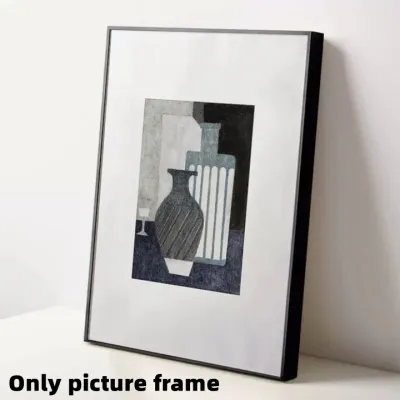
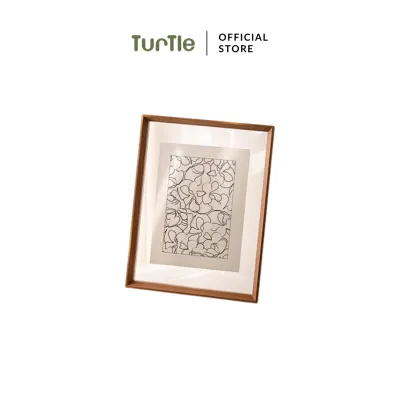
![SG Stock [Bulk Price ] A4 Wooden Photo frame Picture Frame Certificate Holder Graduation Photos Frame Christmas Gift Home Office Decoration](https://img.lazcdn.com/g/p/2f603894c3a2fada3d93a87b8b4b038f.jpg_400x400q80.jpg_.webp)

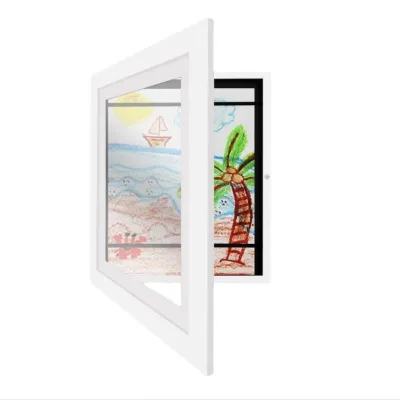
![[SG Seller]Kids Art Frames Flip Frame Wooden Decorative Picture Frame Changeable Children Drawing Portfolio Storage Box](https://img.lazcdn.com/g/p/5f4092ae039530ad01f6cdce32dff75f.jpg_400x400q80.jpg_.webp)
Prices are valid at publication and may change. Please refer to the product page for the latest price.
The profile of the frame itself plays a decisive role in setting the room’s overall design tone. For instance, flat, thin-profile frames in matte black or natural oak evoke a modern, minimalist aesthetic that complements contemporary Singaporean interiors. Conversely, wider, ornate frames with gold leafing or detailed plaster moldings lean toward a classic or eclectic style. Mixing these profiles haphazardly can create visual chaos, whereas selecting a dominant profile style establishes a clear design theme.
Sourcing your frames from a single brand or a dedicated, curated collection is the most straightforward way to minimize visual clutter. Manufacturers design these collections to share identical proportions, rabbet depths, and finish tones. This systematic compatibility eliminates the subtle discrepancies in color and texture that often occur when buying from multiple unrelated sources, simplifying your planning process significantly.
How to Evaluate Painting Frame Brands for Consistency
When building a multi-piece gallery wall, evaluating a painting frame brand requires a systematic inspection of their manufacturing consistency. The first element to analyze is finish uniformity. Minor variations in wood grain staining, paint sheen, or metallic anodization can become highly noticeable when frames are hung side by side under bright gallery lighting. Before committing to a bulk purchase, inspect different batches of the same frame line to verify that the colors and finishes match perfectly without noticeable gradient shifts.

A reliable brand must also offer a comprehensive range of sizes and orientations within the same profile family. A successful gallery wall often incorporates a mix of square, portrait, and landscape orientations. Ensure the brand provides matching profiles across all these variations, allowing you to scale your layout up or down without losing visual continuity. Check if the hanging hardware on the back is pre-installed for both vertical and horizontal mounting, as retrofitting hardware yourself can compromise the frame’s structural integrity.
Material and build quality are critical, especially when dealing with Singapore’s high humidity levels. Inspect the corner joints of the frames; high-quality brands use precise miter cuts joined with internal V-nails and wood glue to prevent gaps from forming over time. The backing material should be sturdy and moisture-resistant, such as sealed MDF or acid-free barrier boards, to protect the artwork from tropical humidity. Furthermore, evaluate the glazing options. While traditional glass offers excellent scratch resistance, high-quality acrylic glazing is often preferred for large gallery walls because it is lightweight, shatterproof, and can be treated with anti-reflective coatings to reduce glare from nearby windows or spotlights.
Finally, understand the brand’s customization limits. While ready-made frames are cost-effective, you may occasionally encounter an odd-sized print or painting that does not fit standard dimensions. A brand that offers both standard ready-made frames and a matching custom framing service allows you to bridge this gap seamlessly. This ensures that even your custom-sized pieces will feature the exact same profile and finish as your off-the-shelf frames, maintaining the wall’s overall cohesion.
Where to Find Reliable Frame Collections in Singapore
Navigating the retail landscape in Singapore reveals several distinct avenues for sourcing high-quality painting frames. For collectors with valuable art or non-standard dimensions, dedicated framing studios and local galleries—frequently found in creative hubs like Bras Basah Complex or specialized industrial estates in Kallang and Ubi—are the premier choice. These establishments offer bespoke consultation, allowing you to select exact wood profiles, custom mat boards, and museum-grade conservation glass. While this route requires a higher investment, it guarantees professional assembly and precise color matching that ready-made options cannot replicate.
For standard-sized prints and a more budget-conscious project, major home decor and lifestyle retailers offer highly consistent, ready-made frame collections. Large Scandinavian home furnishing chains and local lifestyle boutiques in Singapore carry extensive ranges of minimalist frames designed specifically for modular gallery layouts. These brands maintain strict quality control, ensuring that a frame purchased today will match one purchased months later. Their standardized sizing also makes it easy to swap out artwork whenever you want to refresh your space.
If you prefer shopping via online marketplaces or official brand stores, extra diligence is required to ensure consistency. When purchasing online, always verify the seller’s authenticity and read customer reviews focusing on packaging quality, as glass and acrylic glazing are highly susceptible to damage during transit. Look for sellers that offer clear return or replacement policies for damaged goods. To avoid color discrepancies, consider ordering a single test frame to inspect the physical finish and material quality in your home’s natural light before placing a large bulk order for your entire gallery wall.
Rules for Mixing Frames While Maintaining Visual Unity
While sourcing from a single brand is the easiest path to cohesion, mixing frames from different collections or brands can add depth and character to your gallery wall if executed with clear design rules. The foundational principle to follow is the “one unifying element” rule. If you choose to vary the frame profiles—perhaps mixing a sleek modern metal frame with a rustic wooden one—you must keep another major element constant. This could mean ensuring all frames are finished in the exact same shade of matte black, or using identical off-white mat boards with uniform border widths to bind the diverse styles together.
Another critical consideration is the balance of visual weight across your layout. Visually heavier frames—such as those with wider profiles, darker colors, or ornate details—should generally be positioned toward the bottom or the center of your gallery wall. This placement anchors the arrangement, preventing it from looking top-heavy or unstable. Lighter, thinner, or lighter-colored frames can then be arranged around the periphery to create a sense of openness and movement.
When your artwork collection consists of pieces with highly irregular dimensions, mat boards become your most valuable tool for standardizing the display. Instead of buying custom frames for every odd-sized print, you can purchase larger, standardized frames from a single brand and use custom-cut mats to bridge the size difference. This technique allows the outer edges of your frames to form a clean, organized grid or a balanced asymmetrical layout, while the inner openings are tailored precisely to the unique dimensions of each individual artwork.
Planning the Layout and Hanging Frames Safely
Before driving any nails or screws into your wall, a meticulous planning and physical layout phase is essential to avoid costly mistakes. Begin by creating paper templates of each framed piece using kraft paper or newspaper. Cut the paper to the exact outer dimensions of each frame, label them, and use low-tack painter’s tape to arrange them on your wall. This interactive process allows you to experiment with spacing, adjust alignments, and visualize the final composition from different angles in the room without damaging your wall surface.
Once you have finalized the layout, you must identify your wall type to select the appropriate mounting hardware. In Singapore, the vast majority of structural walls in HDB flats and condominiums are made of solid concrete or brick, which require a masonry drill bit, plastic wall plugs (anchors), and sturdy screws to secure heavy frames. Partition walls, often found in newer developments or renovated study areas, are typically made of drywall; these require specialized toggle bolts or hollow-wall anchors to distribute the weight safely and prevent the plasterboard from tearing.
Safety must remain your top priority, particularly when hanging heavy, oversized frames with glass glazing or installing art in high-traffic zones like hallways and dining areas. Always check the manufacturer’s weight limits for both the frames and the hanging hardware you plan to use. If you are drilling near light switches, power outlets, or known utility lines, use a reliable wall scanner to locate hidden electrical conduits, and isolate the power at the main distribution board before drilling. For exceptionally heavy or complex installations, or if you are unsure of your wall’s structural capacity, consulting a qualified professional handyman is the safest course of action to ensure your gallery wall remains securely anchored.
Frequently Asked Questions (FAQ)
How do I clean acrylic glazing without causing scratches?
Acrylic glazing requires gentle care to maintain its clarity and prevent fine surface scratches. Always use a clean, ultra-soft microfiber cloth and a specialized, ammonia-free cleaner formulated specifically for acrylic or plastics. Avoid using standard household glass cleaners, paper towels, rough sponges, or dry cloths, as these can trap abrasive dust particles and create permanent swirl marks on the surface.
Can I repaint mismatched frames to look cohesive?
Yes, repainting mismatched frames is a viable DIY option, but it requires thorough surface preparation to achieve a professional finish. You must lightly sand the existing frame surface to remove gloss or varnish, apply a high-quality primer suitable for the specific material (wood, MDF, or metal), and finish with multiple thin coats of spray paint or acrylic enamel. Keep in mind that DIY painting carries the risk of obscuring fine textures, voiding manufacturer warranties, and may not match the durability of a factory-applied finish.
Community discussion
Share your experience or ask a question. Comments are reviewed before publication.