
Selecting the right smart ceiling lights for a standard Singapore Housing & Development Board (HDB) flat requires balancing modern functionality with the physical constraints of a 2.6-metre ceiling height. To prevent a cramped, visually heavy environment, the best choices are low-profile flush mounts and shallow semi-flush fixtures that preserve comfortable headroom. By focusing on compact fixture depths, appropriate diameters, and proper light distribution, you can enjoy seamless smart lighting without compromising on safety or spatial proportions.
When planning your layout, the primary goal is to maintain an open, airy feel while ensuring the smart features integrate perfectly with your daily routines. This guide breaks down the essential sizing rules, profile choices, and technical specifications to help you select the ideal fixtures for your home.
Quick Guide to Lighting Proportions for 2.6m Ceilings
Designing for a 2.6-metre ceiling height means working within a relatively tight vertical envelope. Unlike private properties with double-volume ceilings, standard HDB flats require careful calculation of a fixture’s vertical drop. The absolute baseline for any high-traffic walkway is to maintain a minimum clearance of 2.0 to 2.1 metres from the floor to the bottom of the light fixture. This ensures that tall family members and guests can walk freely without feeling enclosed or risking accidental contact with the light.
Products mentioned in this guide
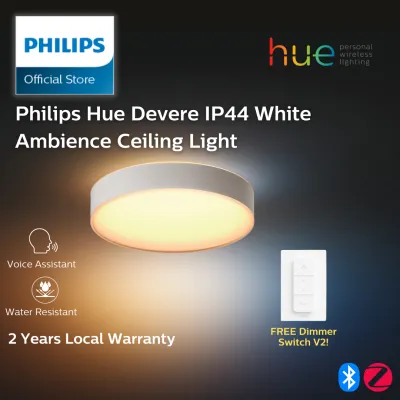
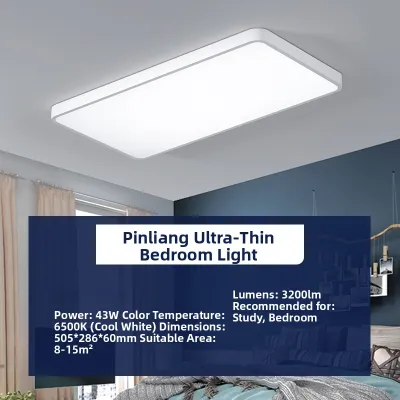
Prices are valid at publication and may change. Please refer to the product page for the latest price.
To achieve this clearance, low-profile flush mounts and ultra-thin smart panels are the preferred fixture types. These designs sit tight against the concrete slab, minimizing visual intrusion. Additionally, managing the visual weight of the fixture is crucial in compact spaces. A light with a wide, shallow profile distributes illumination across the ceiling surface, creating a soft bounce of light that visually lifts the room and makes the ceiling appear higher than it actually is.
When selecting smart fixtures, prioritize models that offer wide-angle diffusion. Avoid bulky, deep-dish designs that cast harsh downward shadows, as these can make a small room feel even more confined. Instead, look for clean, minimalist geometries that blend seamlessly into the ceiling plane.
Choosing the Right Fixture Profile
Deciding between a flush mount and a semi-flush mount depends entirely on the specific room function, traffic patterns, and the exact clearance available in that zone.

Flush Mount Ceiling Lights
Flush mount ceiling lights are the safest and most practical choice for low-clearance zones in an HDB flat. Because they mount directly against the ceiling with no gap, they maximize the available vertical space. These fixtures are highly recommended for high-traffic areas such as hallways, entryways, and bedrooms where people frequently walk directly beneath the light source.
Before purchasing, always verify the exact fixture height from the manufacturer’s technical specifications. For a 2.6-metre ceiling, aim for a fixture depth of 10 centimetres or less. This ensures the light remains well above the 2.0-metre safety threshold. Additionally, pay attention to the light diffusion material; high-quality acrylic or frosted glass diffusers help eliminate hot spots, ensuring the integrated smart LEDs cast a smooth, even glow across the entire room.
Semi-Flush Mount Ceiling Lights
Semi-Flush mount ceiling lights feature a small stem or canopy that creates a slight gap between the fixture and the ceiling. This design allows for a subtle decorative statement and can cast a pleasant glow upward, reflecting light off the ceiling to soften the room’s overall ambiance. Semi-flush mounts are highly suitable for dedicated zones where people do not walk directly underneath, such as over a dining table, a living room coffee table, or the foot of a bed.
To ensure a safe installation, calculate the remaining headroom by subtracting the total fixture drop from your 2.6-metre ceiling height. For example, a fixture with a 25-centimetre drop leaves 2.35 metres of clearance, which is perfectly safe and visually balanced over furniture. However, you must ensure that the stem or chain does not obstruct sightlines across the room or interfere with the operation of ceiling fans, which are common in local homes.
Matching Light Diameter to Room Dimensions
Choosing the correct fixture diameter is just as important as managing its height. A light that is too small will look lost and underpowered, while a fixture that is too large can overwhelm the room and make the ceiling feel lower.
To estimate the ideal fixture diameter, you can apply a simple interior design rule of thumb based on room dimensions. Add the length and width of the room in metres, and use that sum to guide your diameter choice. For a standard HDB bedroom measuring approximately 3 metres by 3 metres, a fixture diameter of 30 to 40 centimetres is generally ideal. For larger living rooms, you can comfortably scale up to a 45 to 60-centimetre diameter, provided the fixture maintains a very slim profile.
In modern open-plan HDB layouts, such as combined living and dining areas, avoid relying on a single massive ceiling light to illuminate the entire space. Instead, break the area into multi-functional zones. Use a medium-sized flush mount for the main living area, and complement it with a coordinated semi-flush fixture or smart track lighting to define the dining zone. This approach provides balanced illumination and adds depth to the space.
Finally, always balance the fixture size with existing ceiling features. If your flat has structural concrete beams or a recessed false ceiling tray, ensure the light fixture leaves at least 15 to 20 centimetres of breathing room from these architectural boundaries to maintain a clean, uncluttered aesthetic.
Essential Specifications to Verify Before Purchase
Smart ceiling lights represent a long-term investment in your home’s comfort and functionality. Before making a purchase from an online marketplace or local showroom, verify several critical technical and spatial specifications.
- Physical Dimensions: Do not rely on product photos alone, as they can be visually misleading. Locate the official specification sheet and note the exact height, drop length, and diameter.
- Lumen Output and Wattage: Ensure the light output matches the room's square footage. For a standard HDB bedroom, a light output of 1,500 to 2,500 lumens is typically sufficient. For larger living spaces, look for fixtures delivering 3,000 lumens or more, or plan to layer your lighting with smart floor lamps and downlights.
- Ambiance Options: Choose between White Ambiance (which offers adjustable warm-to-cool white light, perfect for task-oriented spaces like kitchens and study rooms) and White and Color Ambiance (which adds millions of colors, ideal for setting dynamic moods in living rooms and bedrooms).
- Dimming Compatibility: Smart ceiling lights feature integrated digital dimming. They must never be connected to traditional wall dimmer switches, as this can cause flickering, buzzing, or permanent damage to the smart driver. Use compatible smart wireless dimmers or app controls instead.
- Electrical Certification: Ensure the fixture is rated for Singapore's standard 220V-240V electrical supply and carries relevant local safety certifications, such as the Safety Mark, to guarantee safe and reliable operation.
Installation Clearances and Safety Checks
Installing new ceiling fixtures in an HDB flat requires careful attention to physical safety and electrical standards. Because these installations involve working at height and connecting fixed electrical wiring, proper preparation is essential.
First, maintain strict headroom clearances. Ensure the bottom of any walkway fixture sits at least 2.0 metres above the floor. If you are installing a light over a bed, verify that there is enough clearance to prevent anyone from accidentally hitting the fixture when sitting up or changing sheets.
Second, check your existing ceiling junction box. Smart ceiling lights can be heavier than basic plastic batten holders due to their integrated drivers, metal chassis, and glass or heavy acrylic diffusers. Ensure the junction box is securely anchored to the concrete slab and rated to support the weight of your chosen fixture. If you notice any signs of cracked concrete, loose screws, or degraded wiring, stop immediately.
For any fixed wiring installation, always isolate the mains power at the distribution board (DB box) before commencing work. Because of the risks associated with electrical work and working at height, it is highly recommended to engage a licensed electrician (EMA-certified in Singapore) to handle the installation. A professional will ensure the wiring complies with local standards (SS 638) and that the fixture is mounted securely to the concrete ceiling.
Frequently Asked Questions (FAQ)
Can I use a Philips Hue pendant light in a 2.6m HDB flat?
Yes, but you must restrict their placement to specific zones. Pendant lights should not be hung over open walkways in a 2.6-metre flat, as they will hang too low and create a physical hazard. Instead, install them exclusively over dedicated furniture, such as a dining table or a kitchen island. Ensure the drop length is adjustable so you can position the bottom of the pendant roughly 75 to 90 centimetres above the tabletop. This keeps the light out of direct sightlines while seated and prevents anyone from bumping into it.
Do I need a specific smart bridge for these ceiling lights?
Most modern Philips Hue ceiling lights feature dual-protocol support, allowing them to connect via both Bluetooth and Zigbee. If you choose to use Bluetooth, you can control the lights directly from your smartphone within a single room. However, to unlock the full suite of smart features—such as out-of-home control, advanced scheduling, voice assistant integration, and synchronization with motion sensors or smart switches—you will need to connect the fixtures to a Philips Hue Bridge. Check the product packaging before purchase to confirm the specific control requirements for your setup.

Community discussion
Share your experience or ask a question. Comments are reviewed before publication.