
Building a gallery wall in Singapore requires balancing visual harmony with the practical realities of local homes. High humidity levels, typical concrete wall construction, and varying natural light conditions mean that selecting the right photo frames involves more than just picking attractive designs. By focusing on material durability, structural compatibility, and reliable sourcing, you can create a display that remains secure and visually striking over time.
To achieve a professional look, you must evaluate how different frame brands construct their products and how those products perform in a tropical climate. This guide outlines the essential steps to assess your space, evaluate frame quality, match styles to your decor, and execute a safe installation.
Defining Your Gallery Wall Requirements
Before browsing frame collections, you must analyze the physical characteristics of your room. Start by measuring the total wall area dedicated to the display. Mark the boundaries using painter’s tape to visualize how the arrangement will sit in relation to your furniture, ensuring the composition feels balanced and does not overwhelm the room.
Products mentioned in this guide
![[SG Stock] Wooden Photo Frame | Solid Wood | Glass panel | 4R to A3 | Wall Gallery Decoration | Tabletop Display](https://img.lazcdn.com/g/p/1ea1d59f1ab3f06577c62d4bc2726540.jpg_400x400q80.jpg_.webp)
![[SG Stock] Wooden Picture Frame Wooden Photo Frame- Wall Art Poster Painting Hanging Stand Table Decor A3 A4 4R 5R](https://img.lazcdn.com/g/p/7e82d3ea8ef383b11bfd2b9f17d6a169.jpg_400x400q80.jpg_.webp)
![SG Stock [Bulk Price] Wooden Photo Frame Elegant Picture Frame Table Wall Display Graduation Photos Christmas Gift Home Office Decoration](https://img.lazcdn.com/g/p/f72618211397e81a3a8318f4031005b4.jpg_400x400q80.jpg_.webp)
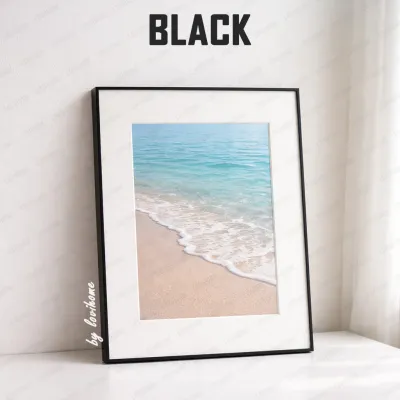

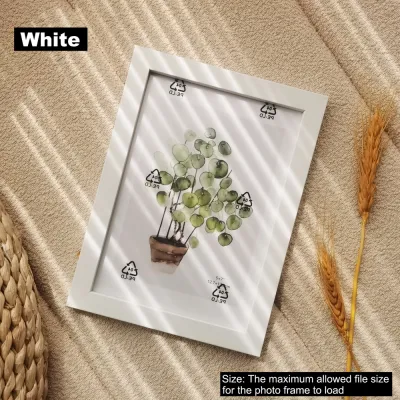
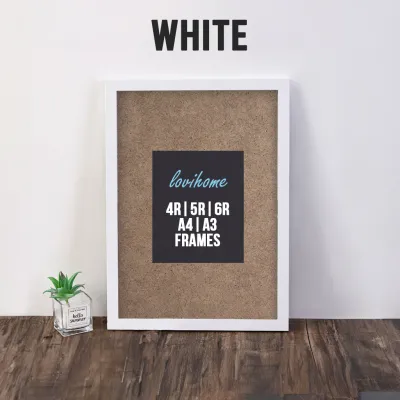
Prices are valid at publication and may change. Please refer to the product page for the latest price.
Wall composition is a critical factor in Singaporean homes. Most residential properties, particularly Housing & Development Board (HDB) flats and condominiums, feature internal walls made of reinforced concrete or solid brick covered in plaster. These walls offer excellent load-bearing capacity but require masonry drilling and plastic wall plugs to secure heavy frames. If your home has lightweight drywall partitions, which are common in newer developments or partitioned study rooms, you must use specialized hollow-wall anchors and limit the overall weight of your frames.
Ambient lighting also dictates your framing choices. Rooms with large windows receive intense tropical sunlight, which can create distracting reflections on standard glass. If your gallery wall faces a window, look for brands that offer non-glare acrylic or anti-reflective glass. This ensures your images remain visible from all angles without being obscured by harsh glare.
Key Evaluation Criteria for Photo Frame Brands
When comparing photo frame options, material selection directly impacts the longevity of your display. Solid wood frames provide a classic, premium aesthetic, but they must be properly sealed or treated to resist warping in humid environments. If you select wood, verify that the manufacturer uses kiln-dried timber or protective coatings that seal out moisture.

Medium-density fibreboard (MDF) and composite resins are common, budget-friendly alternatives. While MDF is highly uniform and resistant to natural splitting, standard MDF can swell and degrade if exposed to high humidity over prolonged periods. For areas near bathrooms, kitchens, or open balconies, aluminum or high-quality composite resin frames are highly suitable options because they are completely unaffected by moisture and remain lightweight.
Glazing is another vital component to inspect. Traditional glass is highly scratch-resistant and provides excellent clarity, but it adds significant weight to the display and poses a safety hazard if a frame falls. Acrylic glazing is lightweight, shatter-resistant, and highly recommended for high-traffic areas or homes with young children. When choosing acrylic, check the manufacturer’s specifications to ensure it is optical-grade to avoid a cheap, wavy appearance.
Finally, examine the backing and assembly hardware. Reliable brands use sturdy backing boards, such as moisture-resistant MDF or rigid plastic, held in place by secure turn-buttons or flexible metal tabs. The hanging hardware attached to the frame should be robust; look for pre-installed D-rings or heavy-duty hanging wire rather than flimsy, centered saw-tooth hangers, especially for frames larger than A4 size.
Matching Frame Styles to Gallery Wall Themes
Your choice of frame profile should complement both the artwork and the overall interior design of your home. For modern, minimalist, or Scandinavian-inspired spaces, thin-profile frames with flat faces are highly effective. These frames, typically available in matte black, satin white, or light natural oak, keep the visual focus entirely on the artwork and create a clean, organized grid layout.
If your style leans toward traditional, transitional, or eclectic aesthetics, consider wider mouldings with textured surfaces or ornate details. Darker wood stains, distressed finishes, or metallic accents like brushed gold and bronze add warmth and historical character. These frames work beautifully for family portraits, vintage botanical prints, or classic oil paintings.
Creating a cohesive gallery wall does not mean every frame must be identical. You can successfully mix different materials and colors by establishing a unifying element. For example, using identical off-white mat boards (passe-partouts) inside diverse frames creates a visual bridge that ties the collection together. Alternatively, keeping the spacing between different frames perfectly uniform helps maintain a sense of order amidst varied styles.
Where to Source and Verify Photo Frames in Singapore
Sourcing photo frames locally involves choosing between physical showrooms and online marketplaces. Visiting physical home decor stores, furniture retailers, or specialty framing workshops allows you to conduct tactile quality checks. You can inspect the miter joints at the corners to ensure they are seamless and tight, check the rigidity of the frame, and verify the clarity of the glazing before purchasing.
Online marketplaces and specialty e-commerce platforms offer a wider variety of sizes and styles, often at competitive prices. However, buying online requires careful verification to avoid disappointment. Always read the detailed product specifications rather than relying solely on promotional images, which often use digital mockups that distort the actual scale of the frames.
Pay close attention to the listed dimensions. Distinguish between the external frame size, the internal rebate size (the maximum paper size the frame can hold), and the mat opening size (the visible area of the artwork when using the included cardboard border). Checking these measurements prevents the common mistake of buying frames that are too small for your prints.
Additionally, verify the seller’s policies regarding shipping and transit damage. Because frames contain fragile glass or scratch-prone acrylic, ensure the retailer uses robust packaging, such as thick bubble wrap and corner protectors, and offers a clear replacement policy for items damaged during delivery.
Installation and Layout Considerations for Cohesive Displays
To ensure your gallery wall is installed safely and accurately, start with a detailed layout plan. Avoid drilling holes immediately; instead, trace the outline of each frame onto brown paper or newspaper and cut out the templates. Use painter’s tape to stick these templates to the wall, allowing you to experiment with different arrangements and spacing without damaging the plaster.
Once you finalize the layout, mark the exact hanging points on the templates. Remember that the hanging hook on the back of the frame is usually lower than the top edge of the frame. Measure this drop distance on each frame and transfer it to the corresponding paper template on the wall before drilling.
Select your mounting hardware based on the weight of the frame and your wall type. For concrete walls, use a hammer drill with a masonry bit to insert plastic wall plugs, then drive in steel screws. For drywall, use self-drilling drywall anchors or toggle bolts. If you prefer non-invasive methods, high-quality adhesive strips can support lightweight frames, but you must strictly follow the manufacturer’s weight limits and surface preparation instructions, as high humidity can sometimes weaken adhesives over time.
Always prioritize safety during installation. Use a reliable stud finder with a live-wire detection feature to ensure you do not drill into hidden electrical conduits or water pipes. If your gallery wall extends high up the wall, use a stable stepladder and have a second person assist you to hold the frames and verify alignments from a distance.
Frequently Asked Questions (FAQ)
How do I prevent photo frames from fading in direct sunlight? (FAQ)
To protect your framed prints from fading, select frames equipped with UV-filtering acrylic or museum-grade glass, which block a significant portion of harmful ultraviolet rays. Additionally, avoid positioning your gallery wall on surfaces that receive direct, prolonged sunlight during the day. For highly exposed areas, consider using high-quality duplicate prints or reproductions rather than irreplaceable original photographs or valuable artworks.
What is the ideal spacing between frames in a gallery wall? (FAQ)
An ideal spacing distance for most residential gallery walls is between 5 cm and 8 cm. Keeping the spacing consistent across the entire arrangement creates a balanced and intentional look. For smaller, delicate frames, a tighter spacing of about 5 cm works well, while larger, heavier frames benefit from a wider gap of up to 10 cm to give each piece sufficient breathing room.
Community discussion
Share your experience or ask a question. Comments are reviewed before publication.