
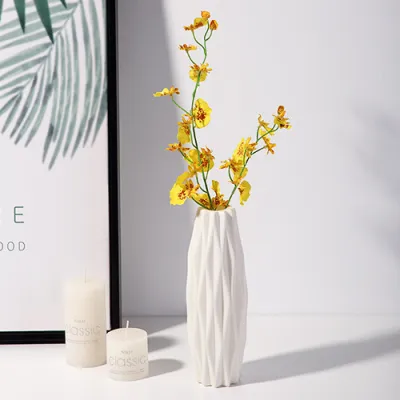
To complement a modern minimalist home, highly suitable plastic vase styles are those featuring clean geometric lines, organic fluid silhouettes, and muted matte or frosted finishes. Unlike traditional ornate glassware, a minimalist plastic vase relies on structural simplicity and a restrained color palette to integrate into a space without creating visual noise. By selecting designs with thickened walls, seamless construction, and neutral tones, you can achieve the visual appeal of ceramic or stone while enjoying the lightweight, shatterproof benefits of modern polymers.
Defining Modern Minimalist Aesthetics for Vases
Minimalism is not merely about having fewer items; it is about ensuring that every object in a room serves a clear aesthetic or functional purpose. When evaluating vases for a minimalist interior, color is the first critical element to consider. A highly compatible palette consists of neutral tones, monochromatic shades, and muted earth colors such as charcoal, off-white, beige, terracotta, and soft olive. These colors allow the vase to blend into the background or act as a subtle, grounding focal point rather than competing with the surrounding decor.
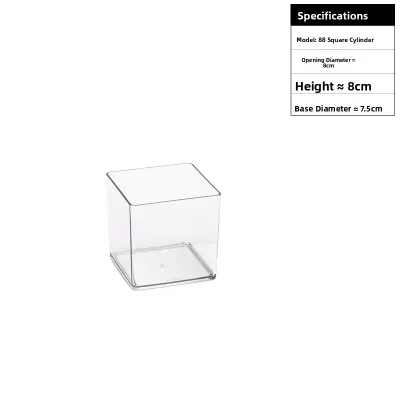
Shape is equally vital in defining a minimalist aesthetic. Minimalist vases prioritize geometric forms and streamlined silhouettes over intricate patterns, fluted rims, or decorative handles. A clean cylinder, a sharp cube, or a gently tapered cone communicates a sense of order and calm. The absence of ornate detailing ensures that the eye is drawn to the overall form of the vessel and the natural beauty of any botanical elements placed inside it.
Products mentioned in this guide
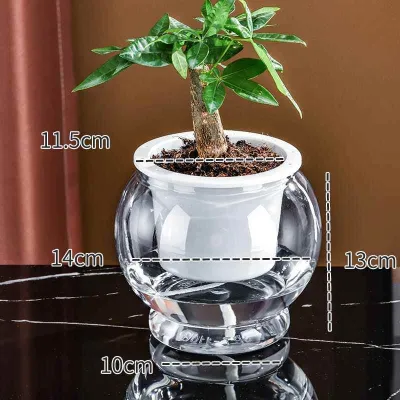
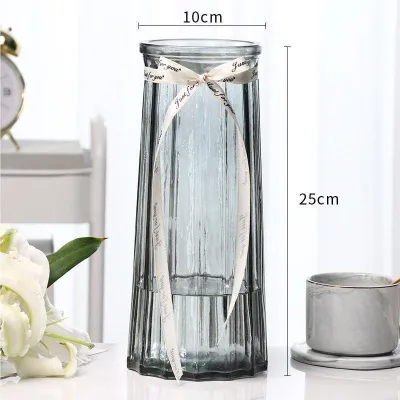
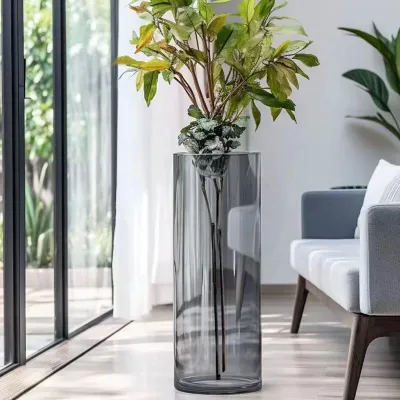
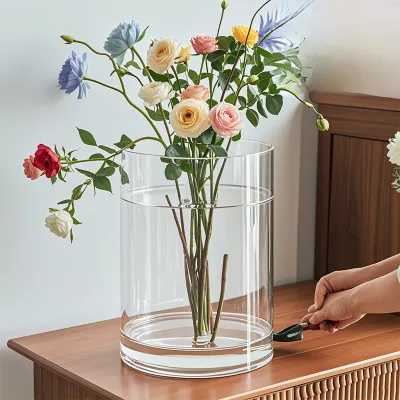
Prices are valid at publication and may change. Please refer to the product page for the latest price.
Surface texture dictates how a vase interacts with light, which is a cornerstone of minimalist design. High-gloss finishes can sometimes create harsh, distracting reflections that disrupt the visual flow of a room. In contrast, matte and frosted finishes diffuse light softly, creating a subtle shadow play that emphasizes the vase’s physical form. A matte surface also helps to mask the synthetic nature of plastic, giving the material a more organic, tactile quality that mimics stone, plaster, or unglazed ceramic.
Key Design Features to Look for in Plastic Vases
To ensure a plastic vase looks sophisticated rather than cheap, you must look closely at how the material is processed and finished. High-quality manufacturers often apply ceramic-like matte coatings or use advanced resin formulations that mimic natural materials. Thickened resin constructions are particularly desirable because they reduce the translucency common in cheap plastics. When light passes through a thin plastic wall, it can reveal water levels, stem shadows, and manufacturing imperfections, which instantly breaks the minimalist illusion. A thick, opaque wall ensures the vessel maintains its visual weight and solid appearance.

Structural proportions also play a major role in the perceived quality of a plastic vase. A well-designed vase should have a balanced ratio between its height, base width, and rim thickness. A very thin rim can make a plastic vase look flimsy, whereas a slightly rounded or thickened rim suggests deliberate craftsmanship. Base stability is another critical factor; because plastic is inherently lightweight, a vase with a narrow base can easily tip over when holding heavier floral arrangements. Look for designs that incorporate a weighted base or a wider footprint to ensure physical stability.
Color uniformity is another indicator of quality. When browsing options on online marketplaces, check product descriptions and customer reviews for mentions of color consistency. It is also wise to look for UV-resistance claims on product labels. In sunny environments, such as a bright living room in Singapore, prolonged exposure to sunlight can cause low-grade plastics to yellow, fade, or become brittle. Selecting UV-stabilized polymers helps ensure that your neutral-toned vase retains its pristine color and structural integrity over years of display.
Evaluating Plastic Vase Styles for Minimalist Spaces
The shape of a vase dictates how it interacts with both the floral arrangements it holds and the surrounding room layout. In minimalist design, where negative space is treated as an active design element, choosing the right silhouette is essential for maintaining visual balance. Different shapes serve different functional roles, helping to either ground a spacious tabletop or soften the sharp angles of modern furniture.
Geometric and Architectural Shapes
Geometric and architectural plastic vases—such as cylinders, cubes, rectangular prisms, and faceted forms—provide a strong structural grounding in minimalist environments. These shapes echo the clean lines of modern architecture and furniture, making them feel like an extension of the room’s built-in elements. They work exceptionally well on flat, expansive surfaces such as console tables, open shelving units, and entryways, where their sharp profiles can be appreciated against a clean wall.
When styling geometric vases, the key is restraint. These vessels are well-suited for single-stem botanicals, structured branches like eucalyptus or monstera leaves, or even as standalone sculptural displays without any flora at all. A single, dramatic branch placed in a tall cylindrical vase creates a striking asymmetrical balance that is highly valued in minimalist design.
To maintain visual harmony, consider the scale of the vase in relation to its surroundings. A large, faceted geometric vase can easily dominate a small shelf, so it is important to leave ample negative space around it. If you are placing a geometric vase on a sleek metal or concrete console, choose a contrasting texture—such as a soft matte finish—to prevent the overall arrangement from feeling too cold or industrial.
Organic and Fluid Silhouettes
While geometric shapes provide structure, organic and fluid silhouettes introduce a necessary softness to rigid minimalist spaces. Vases with streamlined curves, teardrop profiles, or smoothly irregular, asymmetrical contours mimic forms found in nature. These gentle lines help break up the monotony of straight edges and sharp corners commonly found in modern minimalist apartments, creating a more inviting and lived-in atmosphere.
These fluid designs are highly suited for intimate spaces where people gather or rest, such as dining table centerpieces, coffee tables, and bedside tables. A curved vase on a bedside table adds a calming, organic touch that promotes relaxation.
When choosing an organic-shaped plastic vase, pay close attention to the manufacturing quality, specifically the mold seams. Because organic shapes require complex molds, cheaper plastic vases often exhibit prominent, raised seam lines along their curves. These seams disrupt the fluid visual flow and immediately reveal the material’s synthetic origin. Opt for high-quality molded plastics where the seams have been polished down or integrated seamlessly into the design. Additionally, keep floral arrangements simple; a busy, multi-colored bouquet can clash with the subtle elegance of a fluid silhouette, so stick to a few delicate stems or a single type of flower.
Practical Considerations and Quality Checks Before Purchase
Before purchasing a plastic vase, it is essential to verify its physical specifications to ensure it is both functional and durable. Start by reviewing the product description for material details. Look for high-density polyethylene (HDPE), polypropylene (PP), or thick acrylic, as these materials offer enhanced durability and impact resistance. Ensure the manufacturer explicitly states whether the vase is water-tight, especially if you plan to use it for fresh flowers. Some decorative plastic vases are designed solely for dry arrangements and may have small seams or porous bases that can slow-leak over time.
Another physical detail to check is the flatness of the base. A warped base will cause the vase to wobble, increasing the risk of spills. If you are placing the vase on delicate minimalist furniture, such as a matte-lacquered sideboard or a polished wooden table, check if the vase features non-scratch pads on the bottom. If it does not, you can easily apply small adhesive felt pads yourself to protect your furniture surfaces from scratches.
Weight distribution is a common issue with plastic vessels. Because plastic is much lighter than glass or ceramic, a tall vase filled with water and heavy fresh blooms can become top-heavy. This imbalance increases the risk of tipping, which can damage nearby electronics or books. If you plan to use the vase for heavy arrangements, look for designs with a flared base, or consider adding clean decorative stones or sand to the bottom of the vessel to lower its center of gravity.
Finally, verify the cleaning instructions provided by the manufacturer. Plastic surfaces are more susceptible to scratching than glass or ceramic. To maintain the pristine matte or frosted finish of your minimalist vase, avoid using abrasive scrubbing pads or harsh chemical cleaners. Check if the material can withstand mild dish soap and warm water without clouding, scratching, or losing its protective coating.
Building Your Minimalist Vase Shortlist
Creating a curated shortlist of plastic vases requires a systematic approach based on your specific spatial constraints and functional needs. Rather than buying on impulse, start by measuring the exact dimensions of the shelf, table, or niche where the vase will reside. Note the height clearance and the depth of the surface. A minimalist arrangement requires breathing room, so aim for a vase height that leaves at least one-third of the vertical space open.
Next, align the vase’s physical dimensions with your preferred floral materials. If you favor tall, heavy-headed fresh flowers, you will need a deep vessel with a narrow neck to support the stems and a wide, stable base to prevent tipping. Conversely, if you prefer light, airy dried grasses or single-stem botanicals, a shallow vase with a wider neck or a small sculptural bud vase will work effectively.
Finally, weigh the material thickness and finish quality against your budget. While basic plastic vases are highly affordable, investing slightly more in a thickened, UV-resistant resin vase with a premium matte finish will yield a product that looks indistinguishable from high-end ceramic. Consider how often you plan to move or clean the vase; if it is destined for a high-traffic area where it might be knocked over by children or pets, prioritizing shatterproof, high-impact plastic is a practical decision that saves money on replacements in the long run.
Frequently Asked Questions (FAQ)
Can plastic vases look expensive in a minimalist setting?
Yes, plastic vases can look remarkably premium when selected with the right design features. The key is to choose vases with matte, frosted, or textured finishes that mimic natural materials like stone, plaster, or unglazed ceramic. Thick-walled constructions are essential, as they provide the visual weight and opacity associated with high-end decor. To maintain an expensive look, avoid common cheap indicators such as visible mold seams, thin and translucent walls, and artificial high-gloss finishes that reflect light harshly.
Are plastic vases safe for fresh flowers and water?
Most high-quality plastic vases are generally safe for fresh flowers and water, but you should always verify the product specifications before filling them. Look for explicit water-tightness guarantees on the product label. Because plastic can be porous or prone to scratching, it is important to clean the interior regularly with mild soap and a soft cloth to prevent algae and bacterial buildup, which can shorten the lifespan of your flowers. Be aware that certain plant saps or water additives may stain lighter-colored plastics over time, so rinse the vase thoroughly after each use.
Community discussion
Share your experience or ask a question. Comments are reviewed before publication.