
Selecting the right adjustable downlight brand for a whole-home lighting project in Singapore requires looking beyond aesthetic appeal to evaluate technical engineering, optical performance, and local safety compliance. A reliable brand must deliver consistent light quality across multiple rooms, survive Singapore’s humid tropical climate, and interface seamlessly with local electrical systems. Homeowners should focus on brands that provide high color rendering, robust heat dissipation, official Singapore Safety Mark certification, and verifiable photometric data. By establishing these technical baselines, you can ensure your home’s lighting remains visually cohesive, energy-efficient, and safe for years to come.
What Makes an Adjustable Downlight Brand Reliable for Whole-Home Use?
Optical consistency is the cornerstone of any successful whole-home lighting installation. When you install downlights across living rooms, corridors, and open-plan kitchens, any slight variation in color temperature or light output becomes immediately distracting. Reliable manufacturers manage this by adhering to strict MacAdam ellipse standards, often specified as Standard Deviation of Color Matching (SDCM). High-quality brands guarantee an SDCM of 3 or lower, which means the human eye cannot detect any color variation between individual fixtures of the same rated color temperature. Furthermore, look for brands that deliver a high Color Rendering Index (CRI) of Ra 90 or above, with a strong R9 value for red tones. This ensures that interior paint finishes, wood grains, and fabrics look vibrant and natural throughout the home.
Thermal management is another critical factor that separates premium brands from budget alternatives. LEDs are highly sensitive to heat; excessive junction temperatures accelerate lumen depreciation and cause premature color shifting. Reliable brands design their adjustable downlights with robust passive cooling systems, utilizing high-grade materials like die-cast aluminum rather than cheap thermal plastics. A well-engineered heatsink efficiently draws heat away from the LED chip, maintaining optimal operating temperatures even when the module is tilted or recessed deeply into a false ceiling. This thermal efficiency directly translates to a longer operational lifespan, preserving the light’s original brightness and color accuracy over tens of thousands of hours.
Products mentioned in this guide
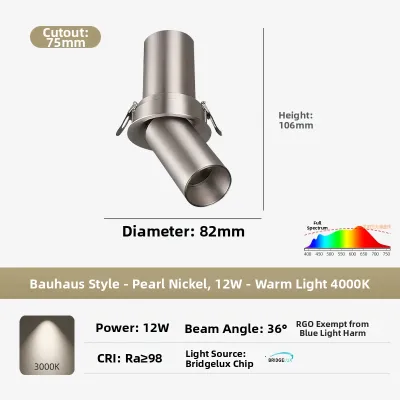
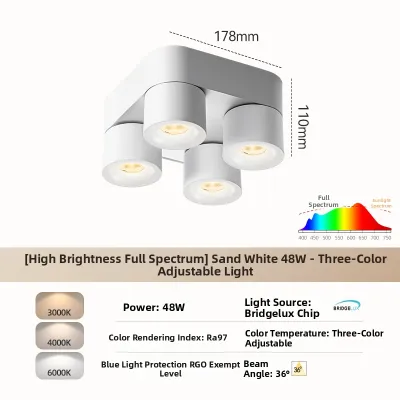
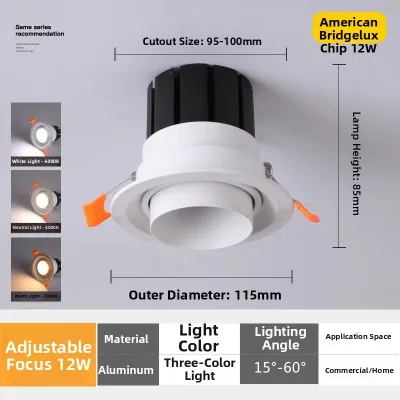
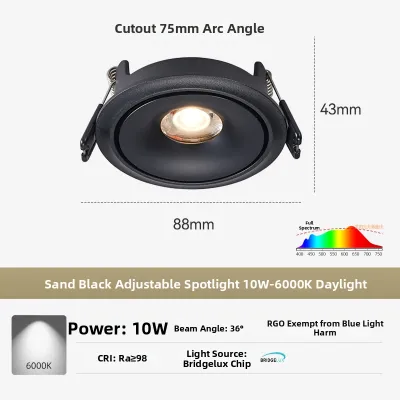
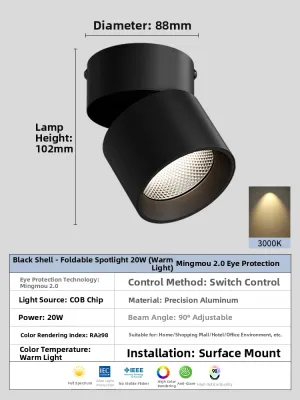
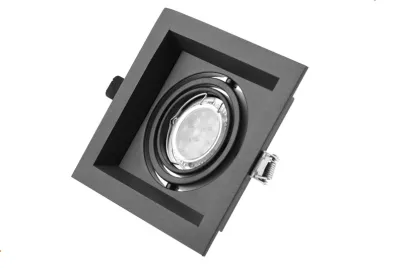
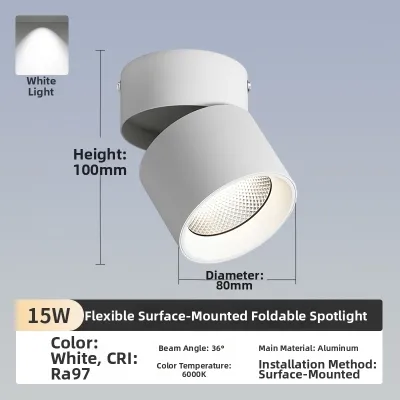
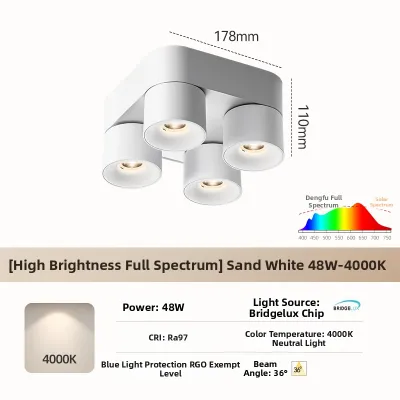
Prices are valid at publication and may change. Please refer to the product page for the latest price.
Local electrical safety compliance is non-negotiable for any mains-powered lighting fixture installed in Singapore. Homeowners must verify that the chosen brand’s products—specifically the LED drivers—carry the Singapore Safety Mark. Certified by Enterprise Singapore under the Consumer Protection (Safety Requirements) Registration Scheme, this mark indicates that the electrical components have undergone rigorous testing to withstand local grid conditions and prevent hazards like short circuits, overheating, or electrical fires. Relying on uncertified fixtures imported directly from overseas without this mark poses significant safety risks and can void home insurance policies in the event of an electrical mishap.
Finally, a reliable brand stands out by publishing transparent, comprehensive photometric data and technical specifications. This includes polar curves, Unified Glare Rating (UGR) tables, and detailed lumen-per-watt efficacy ratings. This technical documentation allows your interior designer or lighting specialist to calculate exact lux levels and plan precise fixture placement. Brands that hide or omit this data, relying instead on vague marketing claims, often deliver unpredictable real-world performance, leading to under-lit spaces or uncomfortable glare.
Key Specifications to Verify Before Committing to a Brand
Electrical and Dimming Compatibility
Before committing to a specific brand for a whole-home project, you must verify that the electrical specifications align perfectly with Singapore’s national grid, which operates at a standard voltage of 230V AC and a frequency of 50Hz. The LED drivers supplied with your adjustable downlights must be rated to handle these input parameters safely and efficiently. Using drivers designed for different regional voltages can result in immediate component failure, extreme flickering, or severe safety hazards.

Dimming compatibility is one of the most common pain points in modern residential lighting. LED downlights require compatible dimming protocols to function smoothly without annoying buzzing noises or visual flickering. Most residential setups in Singapore use phase-cut dimming, which is divided into leading-edge (triac) and trailing-edge (electronic) systems. Trailing-edge dimming is generally superior for LED drivers as it offers smoother dimming curves and reduces electrical stress on the components. Always request the brand’s official dimmer compatibility list to ensure the downlights will work flawlessly with your selected wall dimmer switches.
For advanced home automation, you may need to evaluate smart home integration capabilities. If you plan to implement a centralized smart lighting system, verify whether the brand offers drivers compatible with protocols like DALI (Digital Addressable Lighting Interface), 0-10V analog systems, or wireless standards such as Zigbee, Thread, or Bluetooth Mesh. Smart integration requires constant-power wiring and specialized control modules, meaning you must coordinate with your electrical contractor early in the renovation process to avoid costly rewiring later.
Optical and Physical Dimensions
Physical dimensions are a critical practical consideration, particularly when dealing with the limited false ceiling space common in Singapore’s HDB flats and private condominiums. The concrete structural slabs in these homes often leave a very shallow plenum space behind the plasterboard, sometimes measuring as little as 50mm to 100mm. You must measure this clearance depth carefully and choose a downlight brand that offers low-profile housings or remote driver configurations that can fit comfortably within the ceiling cavity without touching structural concrete or insulation material.
Visual comfort should never be sacrificed for brightness, which makes glare control a vital specification to check. The Unified Glare Rating (UGR) is an international scale measuring psychological glare in indoor environments; for residential living spaces, a UGR of less than 19 is highly desirable. Look for brands that design fixtures with deep-recessed bezels, secondary reflectors, or anti-glare honeycomb louvers. These design features physically shield the light source from direct line-of-sight, ensuring that the light illuminates the room beautifully without creating harsh, blinding hotspots when you look across the ceiling.
The mechanical adjustability of the downlight module determines how effectively you can direct light where it is needed. Check the maximum tilt and rotation angles specified by the manufacturer. High-quality adjustable downlights typically offer a tilt angle of at least 15 to 30 degrees and a horizontal rotation of 350 to 360 degrees. This flexibility is essential for accent lighting, allowing you to wash a feature wall with light, highlight framed artwork, or direct task lighting onto a kitchen countertop or study desk with high precision.
Evaluating Brand Support and Availability in Singapore
A whole-home lighting installation represents a significant financial and long-term commitment, making robust brand support and local availability essential. When evaluating potential brands, examine the warranty terms closely. A reliable residential warranty should span at least three to five years and cover both the LED emitter chip and the external driver. Crucially, ensure that this warranty is backed by a local office or an established authorized distributor in Singapore. If a component fails, a local warranty ensures you can obtain a replacement immediately, rather than waiting weeks for international shipping or dealing with unresponsive overseas sellers.
Physical showrooms and authorized lighting specialists play an invaluable role in the selection process. Visiting a physical showroom, such as those located in Singapore’s prominent lighting hubs along Balestier Road, Jalan Besar, or Geylang, allows you to inspect the build quality of the fixtures firsthand. You can observe the actual color rendering, compare different beam angles (such as narrow 15-degree spots versus wide 40-degree floods), and feel the mechanical resistance of the adjustable joints. This hands-on evaluation ensures that the fixtures meet your expectations before you place a bulk order for your entire home.
It is highly recommended to avoid purchasing whole-home lighting systems from unverified sellers on general online marketplaces. While these platforms may offer lower upfront prices, the products often lack genuine safety certifications, use low-grade internal components prone to early failure, and offer zero valid warranty support. Purchasing through official brand stores, authorized distributors, or specialized local lighting retailers guarantees that you receive authentic products, professional technical advice, and reliable after-sales service.
For complex installations involving extensive dimming zones or smart home integration, choose brands that offer dedicated technical support or maintain an authorized installer network. Having access to technical experts who understand the specific wiring diagrams, driver loads, and control protocols of their products can save significant time and prevent costly installation errors. Your electrical contractor can coordinate directly with these specialists to ensure a smooth, trouble-free setup.
Matching Adjustable Downlights to Different Rooms Safely
Dry Zones: Living Areas, Bedrooms, and Hallways
In dry living spaces like bedrooms, living rooms, and corridors, your primary focus should be on optical quality, atmosphere creation, and design integration. For these areas, select adjustable downlights with high color rendering (CRI Ra ≥ 90) to ensure your furniture, wall colors, and decor are displayed in their true, natural tones. Warm white color temperatures (2700K to 3000K) are ideal for creating a cozy, relaxing ambiance in bedrooms and living rooms, while neutral white (4000K) is excellent for hallways, study corners, and walk-in wardrobes where task clarity is important.
Adjustable downlights are exceptionally versatile tools for creating visual layers in dry zones. Instead of relying on a grid of fixed downlights that flood the room with flat, uniform light, use adjustable modules to highlight specific architectural features, textured wallpaper, or artwork. Position the fixtures approximately 30cm to 60cm away from the wall and tilt them to create a soft wall-washing effect that adds depth and drama to the room. Carefully planning these angles helps prevent harsh shadows on faces and minimizes direct glare in seating or sleeping areas.
Finally, consider the aesthetic integration of the downlight trim with your ceiling design. Reliable brands offer a variety of bezel finishes, including matte white, matte black, and brushed metallic options. A matte white trim blends seamlessly into standard white plaster ceilings for a clean, minimalist look, while matte black trim can create a striking, modern architectural statement. Trimless or plaster-in models are also available for an ultra-sleek, flush finish, though these require precise installation by experienced plastering contractors.
Wet Zones: Bathrooms and Kitchens
Wet zones like bathrooms and kitchen cooking areas introduce moisture, steam, and grease into the environment, demanding strict safety precautions and specialized product specifications. When selecting adjustable downlights for these spaces, you must verify the Ingress Protection (IP) rating. The IP rating consists of two digits: the first indicates protection against solid objects, and the second indicates protection against liquids. For general bathroom zones outside the direct shower area, an IP44 rating (protection against splashing water) is typically sufficient. For fixtures installed directly inside shower cubicles or wet zones, you must use IP65-rated models, which are completely dust-tight and protected against water jets.
Moisture ingress can quickly damage sensitive LED electronics and cause corrosion within the ceiling cavity. Ensure the brand’s wet-zone models feature sealed bezels, tempered glass covers, and high-quality silicone gaskets. These components create an airtight seal that prevents humid air, steam, and grease from migrating into the false ceiling, protecting both the downlight fixture and the surrounding building structure from mold and electrical degradation.
Safety must always be the top priority when dealing with electricity in damp environments. All electrical installations in wet zones, especially those involving modifications to fixed wiring, must be carried out by a qualified, licensed electrician in accordance with local Singapore safety regulations (such as SS 638). Before any installation or maintenance work begins, ensure the mains power supply is completely isolated. If the product manual does not explicitly state that the downlight is certified for wet-location use, do not proceed with the installation; stop immediately and consult a professional lighting specialist or a licensed electrician.
Frequently Asked Questions (FAQ)
Can I mix different adjustable downlight brands in the same room?
It is highly recommended to avoid mixing different adjustable downlight brands within the same room or visual field. Even if two brands claim the same nominal color temperature (such as 3000K) and CRI, differences in LED binning, phosphor coatings, and optic designs will result in visible variations in light color, beam edge sharpness, and brightness. This inconsistency can make the ceiling look messy and disjointed. If you must mix brands due to supply issues, restrict the secondary brand to separate, enclosed spaces like utility rooms or store cupboards where direct visual comparison is impossible.
Do adjustable downlights require special transformers or drivers?
Yes, modern LED adjustable downlights require dedicated LED drivers rather than traditional magnetic or electronic halogen transformers. These drivers regulate the electrical current flowing to the LED chip, protecting it from voltage fluctuations and ensuring stable light output. LED drivers can be integrated directly into the downlight housing or supplied as remote units connected by a cable. Remote drivers are generally preferred for adjustable downlights because they keep heat away from the light source and can be easily accessed and replaced through the ceiling cut-out without damaging the plasterboard.
How do I clean and maintain adjustable downlights without damaging the finish?
To clean your adjustable downlights safely, always turn off the mains power supply and allow the fixtures to cool down completely to prevent electrical shocks or burns. Gently wipe the outer bezel and the adjustable light module using a clean, dry, soft microfiber cloth or a soft-bristled brush to remove accumulated dust. Never use liquid spray cleaners, chemical solvents, wet cloths, or abrasive scrubbing pads. These harsh materials can strip away delicate anti-glare coatings, damage powder-coated matte finishes, and seep into the housing, compromising the electrical safety of the fixture.
Community discussion
Share your experience or ask a question. Comments are reviewed before publication.