
An emergency kit is a vital asset for any Singapore household, particularly within high-density Housing & Development Board (HDB) estates. When a localized power outage or building-wide electrical fault occurs, a dependable high power torch light becomes your primary tool for safety and navigation. A reliable emergency torch must deliver consistent brightness, maintain battery stability during long periods of storage, and remain compact enough to fit into a household grab bag.
Rather than choosing a brand based solely on aggressive marketing or cheap online listings, selecting a reliable manufacturer requires verifying technical transparency, safety certifications, and local after-sales support. This guide outlines how to evaluate torch brands, match technical specifications to HDB layouts, and ensure your emergency lighting remains operational when you need it most.
How to Evaluate Torch Light Brand Reliability
When independent performance tests are unavailable, evaluating a brand’s reliability relies heavily on its structural transparency and customer support infrastructure. Reputable manufacturers of high-power illumination tools consistently publish standardized technical specifications. Look for brands that explicitly reference the ANSI/PLATO FL 1 standard on their packaging and documentation. This standard ensures that metrics for light output (lumens), beam distance, peak beam intensity, run time, water resistance, and impact resistance are measured using uniform, verifiable testing methods.
Products mentioned in this guide
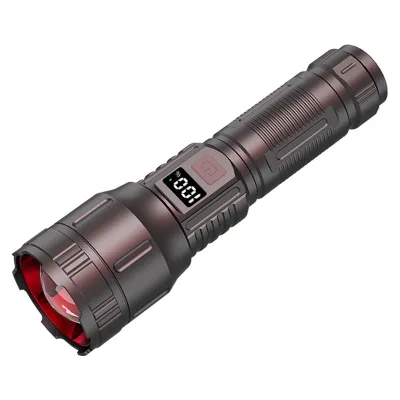
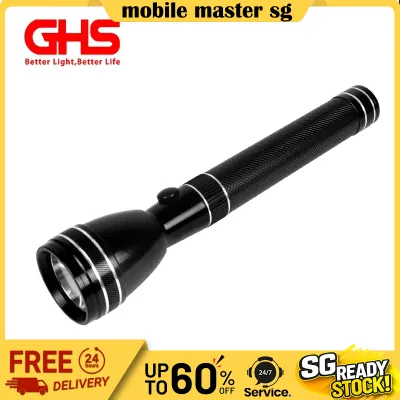
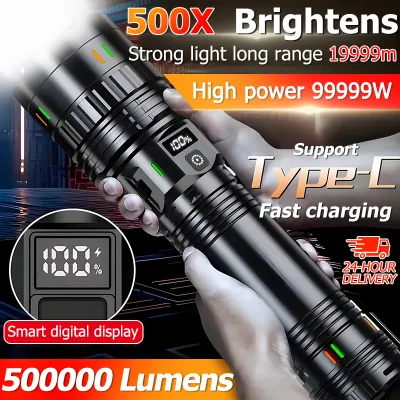
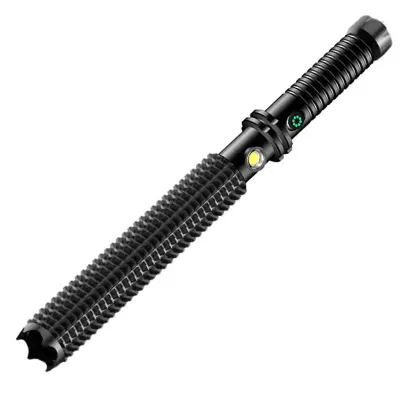
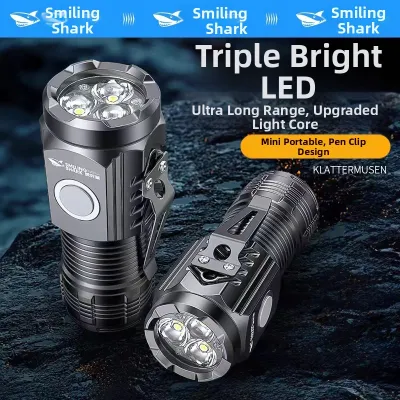
Prices are valid at publication and may change. Please refer to the product page for the latest price.
Understanding these standardized metrics prevents you from falling victim to exaggerated performance claims. For instance, a brand adhering to ANSI standards must measure runtime from the initial turn-on until the light output drops to 10% of the original value. Brands that do not use these standards often claim astronomical runtimes that are practically useless because the light output drops to a faint glimmer within minutes.
Local support is another critical indicator of brand commitment. A trustworthy brand typically offers a clear warranty period—often ranging from two to five years—and maintains authorized local distributors or service centers in Singapore. Having a physical point of contact ensures that if a switch fails or a charging port malfunctions, you can obtain a replacement or repair without navigating complex international shipping processes.
Analyzing user feedback patterns across independent forums and enthusiast communities can also reveal long-term performance trends. Pay close attention to reports regarding heat management, as high-power LEDs generate significant thermal energy that must be dissipated safely. Reliable brands design robust thermal regulation circuitry that automatically steps down brightness to prevent overheating. Additionally, look for feedback on switch durability and whether the brand’s proprietary batteries suffer from premature capacity loss during prolonged storage.
Finally, examine the physical construction materials used by the brand. Reputable manufacturers typically construct their torch bodies from aircraft-grade aluminum alloy with a Type III hard-anodized finish. This specific coating provides exceptional resistance to scratches, corrosion, and impact, ensuring the torch remains structurally sound even if dropped onto hard concrete floors or stored in humid environments.
Essential Specifications for HDB Emergency Lighting
Selecting the right specifications requires balancing the unique layout of HDB flats with the physical limitations of portable lighting technology.

Lumens and Beam Distance For indoor HDB environments, an excessively powerful beam can actually hinder visibility due to intense glare reflecting off light-colored walls and tiled floors. A torch with a variable output ranging from 10 lumens (for close-up tasks) to 1,000 lumens (for illuminating entire rooms) offers the necessary versatility. Beam distance is less critical for indoor use, but a wider floodlight beam pattern is highly beneficial for dispersing light evenly across a living room or kitchen, rather than focusing a tight, blinding spotlight on a single point.
Optical Design and Beam Profile The internal reflector of the torch dictates how the light is distributed. Torches with a textured “orange peel” reflector create a smooth, diffused beam with a gradual transition from the bright center to the outer spill. This profile is highly suited for indoor navigation as it minimizes harsh shadows and eye strain. Conversely, smooth, deep reflectors project a highly focused hotspot designed for long-range throw, which is less practical inside a flat but useful for outdoor search scenarios.
Battery Types and Storage Stability The choice between built-in rechargeable lithium-ion batteries and removable standard cells is a pivotal decision for emergency preparedness. Built-in lithium-ion batteries offer high energy density and convenient USB charging, but they gradually lose capacity over time and cannot be easily replaced if they fail during an extended blackout. Removable rechargeable cells, such as standard 18650 or 21700 lithium-ion batteries, allow you to store spare, pre-charged cells alongside the torch.
Alternatively, torches that accept standard AA or AAA alkaline or Nickel Metal Hydride (NiMH) batteries provide excellent shelf life and are easy to source, though they offer lower maximum brightness and runtimes compared to lithium-ion alternatives. If choosing lithium-ion, look for cells with built-in protection circuit boards (PCBs) that guard against overcharging, over-discharging, and short circuits.
Size, Weight, and Portability An emergency torch must be easily accessible and comfortable to hold for extended periods. For an HDB emergency kit, a compact form factor—typically under 15 centimeters in length and weighing less than 250 grams—is ideal. This size ensures the torch can be stored in a small drawer near the main entrance or packed into a dedicated emergency grab bag without taking up valuable space or adding unnecessary weight.
Matching Torch Features to HDB Emergency Scenarios
Different emergency situations within an HDB estate demand distinct lighting functionalities.
Prolonged Blackouts During an extended power outage, conserving battery life is paramount. A reliable torch should feature a low-power “moonlight” or “eco” mode (typically under 5 lumens) that can run continuously for several days. To convert a directional beam into comfortable, ambient room lighting, look for brands that offer compatible diffuser caps. These translucent silicone or plastic attachments slip over the bezel of the torch, scattering the light 360 degrees to illuminate a room like a traditional lantern.
Another highly useful feature for blackouts is tail-stand capability. A torch with a flat tail cap can be stood vertically on a table or shelf, pointing directly at the ceiling. In an HDB flat with white or light-colored ceilings, this “ceiling bounce” technique reflects and diffuses the light throughout the entire room, mimicking a standard ceiling light and keeping your hands free.
Evacuation and Stairwell Navigation If a building evacuation becomes necessary, navigating dark HDB stairwells requires a secure grip and a durable build. Opt for torches with a textured, slip-resistant knurling on the aluminum body to prevent drops, even if your hands are wet. An IPX7 or IPX8 water-resistance rating ensures the torch remains functional during heavy tropical downpours or if exposed to active fire sprinkler systems. A high-power burst mode (turbo mode) can also be useful for briefly illuminating long corridors or stairwells to identify potential hazards.
Signaling for Help In critical situations where emergency services need to locate your unit from the ground level or opposite blocks, signaling features are invaluable. Many high-power torches include dedicated strobe or SOS modes. These flashing patterns are highly visible from HDB windows, balconies, or common corridors, drawing attention to your location far more effectively than a steady beam while consuming significantly less battery power.
User Interface Simplicity In a high-stress emergency, you do not want to struggle with a complicated user interface. A reliable emergency torch should have an intuitive switch design. Ideally, a single press should turn the light on to a predictable, useful mode, rather than forcing you to cycle through multiple flashing modes just to turn the light off. Some brands feature physical lockout modes (such as slightly unscrewing the tail cap) to prevent the torch from accidentally turning on and draining the battery while stored in a bag.
Verifying Safety Certifications and Purchase Channels
High-power torches utilize high-capacity batteries and sophisticated charging circuits, making electrical safety a primary concern.
Checking Safety Marks When purchasing a torch that includes an integrated charging port or a dedicated battery charger, verify that the charging accessories carry recognized safety certifications. In Singapore, power adapters and chargers plugged directly into mains sockets must carry the SAFETY Mark issued by Enterprise Singapore. This certification guarantees the device has been tested to meet stringent electrical safety standards, minimizing the risk of short circuits, overcharging, or electrical fires.
Choosing Secure Purchase Channels Avoid purchasing high-power lighting equipment from unverified sellers on general online marketplaces or e-commerce platforms. These listings often feature counterfeit products, exaggerated lumen ratings, and substandard batteries that lack essential protection circuits. Instead, purchase directly from authorized brand stores, official brand websites, or established local outdoor and hardware retailers. These channels ensure you receive genuine products backed by valid manufacturer warranties.
Inspecting the Product Upon Delivery Once your torch arrives, conduct a thorough physical inspection before placing it in your emergency kit. Check that the packaging is sealed and displays clear, professional labeling with safety warnings and manufacturer contact details. Inspect the torch body for any manufacturing defects, such as loose threads, damaged O-rings, or a rattling battery compartment.
Unscrew the tail cap to inspect the internal contacts. High-quality torches feature robust, gold-plated or silver-plated springs at both ends of the battery compartment to ensure stable electrical contact and resist corrosion. Insert the battery and test all modes, ensuring the charging indicator functions correctly and the device does not become excessively hot during brief operation.
Frequently Asked Questions (FAQ)
How often should I check the battery of my stored emergency torch?
To ensure your torch is ready when a crisis strikes, establish a routine inspection schedule every three to six months. During this check, turn on the torch to verify all modes function, inspect the battery compartment for any signs of leakage or corrosion, and top up the charge. Lithium-ion batteries naturally self-discharge over time; storing them at a partial charge (around 50% to 70%) is ideal for long-term health, but for an active emergency kit, keeping them fully charged or cycling them periodically is necessary to maintain maximum readiness.
Can I use my high-power emergency torch as a daily flashlight?
While it is tempting to use a high-quality torch for everyday household tasks, doing so can compromise your emergency preparedness. Frequent use subjects the battery to regular charge-discharge cycles, accelerating capacity degradation and potentially leaving you with insufficient runtime during a real blackout. Furthermore, daily wear and tear increases the risk of misplacing the torch or damaging its components. It is highly recommended to keep a dedicated, lower-power flashlight for daily tasks and reserve your primary high-power torch strictly within your HDB emergency kit.
Community discussion
Share your experience or ask a question. Comments are reviewed before publication.