
Selecting the right LED light strips for Deepavali involves balancing vibrant aesthetics with long-term reliability and safety. While many brands market their products as ideal for festive decor, identifying the truly reliable options requires looking past promotional claims. By focusing on core performance metrics, electrical safety, and verifiable brand support, you can confidently choose light strips that deliver excellent brightness, rich color options, and the durability needed for both indoor and outdoor festival decorations.
In Singapore’s tropical climate and diverse housing layouts—ranging from high-rise HDB flats with shared corridors to spacious landed properties—the choice of festive lighting must be guided by practical performance standards. Rather than searching for a single, universally crowned brand, the most effective approach is to evaluate products against a strict framework of safety certifications, environmental resilience, and smart integration capabilities. This ensures your home remains beautifully illuminated throughout the festival of lights without compromising on electrical safety or damaging your walls.
Key Features to Look for in Deepavali LED Light Strips
To achieve the warm, inviting glow characteristic of Deepavali, you must look closely at the technical specifications of the LED light strips. Brightness and color accuracy are paramount. Brightness is measured in lumens per meter; for festive accent lighting, a range of 200 to 400 lumens per meter is generally sufficient. However, if you want the light strips to serve as a primary decorative feature along your balcony or living room ceiling, look for strips that deliver 500 or more lumens per meter. Color accuracy is determined by the Color Rendering Index (CRI); a CRI of 80 or higher ensures that the rich reds, deep golds, and vibrant oranges of your traditional decor, rangoli, and floral garlands appear natural and vivid under artificial light.
Products mentioned in this guide
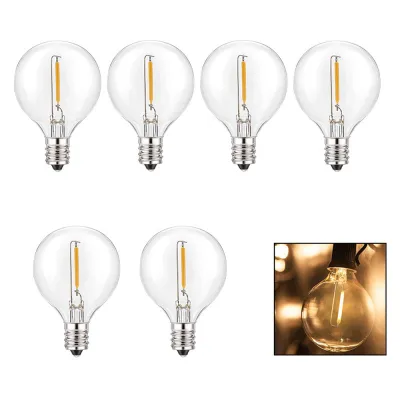
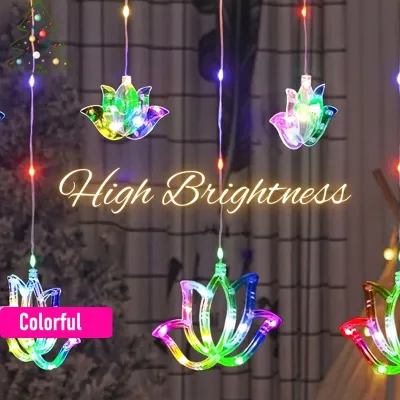
Prices are valid at publication and may change. Please refer to the product page for the latest price.
The type of color technology also dictates the visual effects you can achieve. Standard RGB (Red, Green, Blue) strips mix these three primary colors to create various shades, but they often struggle to produce a clean, warm white. For a more versatile setup, consider RGBW strips, which feature a dedicated white diode alongside the color diodes. This allows you to transition seamlessly from vibrant festive colors to a cozy, warm white (around 2700K to 3000K) that mimics traditional oil lamps (diyas). If you prefer dynamic, flowing light patterns, look for RGBIC (Independent Control) strips. These contain built-in independent control chips, enabling different segments of the same strip to display different colors simultaneously, creating beautiful chasing or cascading effects perfect for festive celebrations.
Durability and ingress protection (IP) ratings are critical, especially given Singapore’s high humidity and sudden tropical downpours. For indoor applications, such as decorating a prayer altar or living room TV console, an IP20 rating is perfectly adequate as it provides basic protection against solid objects but no water resistance. For semi-outdoor areas like sheltered HDB corridors, recessed window frames, or covered balconies, look for at least an IP65 rating, which protects against dust and low-pressure water splashes. For fully exposed outdoor areas, such as garden pathways, open gates, or exterior pillars, an IP67 rating is essential. This rating ensures the strip is completely dust-tight and can withstand temporary immersion in water, preventing short circuits during heavy monsoon showers.
Control mechanisms greatly influence the daily usability of your festive lights. Basic models rely on physical inline controllers or infrared remotes, which require a direct line of sight and offer limited customization. Smart LED light strips connect to your home Wi-Fi or Bluetooth network, allowing you to control the lighting via a smartphone app. This integration enables advanced features such as custom color scenes, automated schedules that turn the lights on at sunset, and synchronization with festive music. When selecting a brand, prioritize those with mature, frequently updated companion apps to avoid connection drops and configuration headaches during the busy festive period.
Electrical Safety and Installation Checks
Festive lighting often remains operational for extended periods, making electrical safety a non-negotiable priority. Most consumer LED light strips operate on low-voltage direct current (typically 12V or 24V DC) and require an external power adapter to step down Singapore’s 230V AC mains voltage. When planning your installation, you must calculate the total wattage draw of your light strips to ensure you do not overload the power supply. A reliable rule of thumb is the 80% load rule: the total wattage of the connected LED strips should not exceed 80% of the power adapter’s maximum rated capacity. For example, if a 5-meter strip draws 40 watts of power, your power adapter should be rated for at least 50 watts to prevent overheating and premature failure.

Thermal management is another critical safety factor. Although LEDs are far more efficient than traditional incandescent bulbs, they still generate heat, which is concentrated on the printed circuit board (PCB) behind the diodes. If this heat cannot dissipate, it degrades the LEDs, causes colors to shift, and can even pose a fire hazard if mounted directly onto flammable materials like wooden panels, heavy fabric drapes, or plastic moldings. To ensure safe heat dissipation, consider mounting your LED strips inside aluminum profiles or channels. These profiles act as highly effective heat sinks, drawing warmth away from the diodes while also providing a professional, diffused look that eliminates harsh hot spots.
Before starting your installation, clearly define the boundaries between DIY tasks and those requiring professional assistance. Installing plug-and-play, low-voltage LED strips using adhesive backing and plugging them into existing wall outlets is a safe, straightforward DIY project. However, if your Deepavali decor plan involves fixed wiring, tapping directly into your home’s electrical distribution board, or installing permanent outdoor architectural lighting that requires drilling and conduit routing, you must hire a Licensed Electrical Worker (LEW) in Singapore. Attempting to modify fixed electrical wiring without proper certification is not only illegal but also poses severe risks of electrical shock, short circuits, and home fires.
How to Evaluate LED Light Strip Brands
With countless lighting products available on online marketplaces and retail shelves, evaluating brand reliability requires a structured approach. Start by examining the warranty terms and the availability of local after-sales support. Reputable brands typically offer a comprehensive warranty of one to two years. More importantly, verify whether the brand has an authorized distributor or a physical service center in Singapore. Having a local point of contact means you can quickly secure a replacement power adapter or controller if a component fails right before Deepavali, avoiding the lengthy shipping delays associated with overseas-only sellers.
Smart home ecosystem compatibility is another key indicator of a brand’s engineering quality. Reliable brands design their products to integrate seamlessly with major smart home platforms, such as Apple Home, Google Home, and Samsung SmartThings. This compatibility ensures that your light strips can be grouped with other smart devices in your home, allowing you to trigger a “Deepavali Mode” that dims your main living room lights while turning on your festive LED strips with a single voice command or app tap. Check user reviews on app stores to assess the stability of the brand’s proprietary app; frequent connection drops, slow response times, and difficult pairing processes are common complaints for lower-tier, unbranded products.
Physical build quality can often be observed before installation. High-quality LED strips utilize a thicker, double-sided copper PCB, which is visibly more robust and less prone to tearing when bent around corners. Thicker copper traces also reduce voltage drop—a phenomenon where the electrical current weakens as it travels down the strip, causing the LEDs at the far end to appear noticeably dimmer or off-color compared to those closest to the power source. Additionally, inspect the adhesive backing. Reliable brands partner with established adhesive manufacturers, using genuine high-bond tapes (such as 3M backing) that can withstand Singapore’s ambient heat and humidity without peeling off and sagging after a few days of use.
Matching Light Strips to Your Deepavali Decor Zones
To create a cohesive and visually stunning festive atmosphere, you should match specific types of LED light strips to the unique requirements of different zones in your home. The indoor focal points, particularly the living room and the prayer altar (puja room), demand the highest color quality. In these spaces, prioritize high-CRI RGBW strips. The dedicated white diodes allow you to dial in a precise, warm golden glow that beautifully complements traditional brass oil lamps, polished copper vessels, and fresh flower garlands. Adjustable brightness is also essential here; you want the ability to dim the strips to a soft, respectful glow during prayers and meditation, and then brighten them for lively family gatherings.
For architectural outlines and outdoor spaces, such as balcony railings, window frames, and main entrance doors, weather resistance and high luminosity are the primary requirements. Because these lights are viewed from a distance, they need to be bright enough to stand out against streetlights and ambient neighborhood lighting. Waterproof RGBIC strips with an IP65 or IP67 rating are ideal for these zones. The independent color control allows you to program dynamic, festive patterns—such as a warm orange and gold wave—that run along your balcony railing, creating an eye-catching display that welcomes guests and neighbors. Ensure that all outdoor power adapters and controllers are housed in IP-rated weatherproof junction boxes to protect them from rain.
Temporary or reusable setups require a different approach, especially when decorating delicate surfaces or creating DIY crafts. If you want to outline a colorful rangoli design on your floor, frame a temporary festive sign, or wrap lights around indoor pillars, look for low-voltage, highly flexible LED strips. For these temporary applications, avoid using the permanent, high-bond adhesive pre-applied to the back of the strips, as this can strip paint or leave stubborn residue on your floors and walls. Instead, secure the strips using low-tack painter’s tape or reusable mounting clips. Battery-operated or USB-powered LED strips are particularly useful for these setups, as they eliminate the need to run unsightly and hazardous extension cords across high-traffic walkways.
Shopping Checklist for Online and Retail Stores
When shopping for Deepavali lights, whether browsing physical retail stores in Little India or searching online marketplaces, having a verification checklist will help you avoid substandard or counterfeit products. First, always inspect the product packaging and the physical power adapter for safety certification marks. In Singapore, power adapters sold for household use must carry the Safety Mark issued by Enterprise Singapore. This mark indicates that the adapter has been tested and certified to meet local safety standards, significantly reducing the risk of electrical fires or short circuits.
Be highly skeptical of unrealistic product specifications and red flags. If an online listing promises an incredibly high lumen output (such as tens of thousands of lumens) for an unusually low price, it is almost certainly inaccurate. Other red flags include missing manufacturer contact information, vague warranty terms, and extremely thin, flimsy wiring on the power adapter. Additionally, verify the actual wattage rating printed on the product label rather than relying solely on the marketing text, as this rating is crucial for calculating your power supply requirements and ensuring you do not overload your home circuits.
Finally, establish a realistic budget based on your decoration goals and quality expectations. Entry-level, non-smart RGB LED strips typically cost between S$15 and S$30 for a standard 5-meter roll, making them a cost-effective choice for simple, temporary indoor displays. Mid-range smart strips that offer reliable app control, scheduling, and integration with Google Home or Apple Home generally range from S$40 to S$70. For premium, high-density RGBIC or RGBW strips that feature robust weatherproofing, local warranties, and advanced color customization, expect to allocate between S$80 and S$150 or more per setup. Investing in these higher-quality tiers ensures not only a more beautiful festive display but also a reusable asset that will safely light up your home for many Deepavali celebrations to come.
Frequently Asked Questions (FAQ)
Can I leave LED light strips on overnight during Deepavali?
While LED light strips are highly efficient and generate significantly less heat than traditional incandescent bulbs, it is generally not recommended to leave them running unattended overnight. Continuous operation over many hours can cause heat to build up, especially if the strips are mounted on insulating surfaces like wood or fabric without aluminum heat sinks. This heat buildup can accelerate the degradation of the LED diodes and the adhesive backing, shortening the lifespan of your lights. To ensure safety and conserve energy, utilize the scheduling features in your smart lighting app or connect your power adapter to a smart plug. Program the lights to automatically turn off when you go to sleep, ensuring peace of mind during the festive season.
How do I safely remove adhesive light strips after the festival?
Removing adhesive LED light strips without damaging your wall paint, wallpaper, or wooden surfaces requires patience and the right technique. The high-bond adhesive backing used on many quality strips becomes firm over time, and pulling the strip off forcefully will likely peel away paint or leave a sticky residue. To safely remove the strip, use a handheld hairdryer set to low or medium heat. Gently blow warm air over a small section of the strip for 10 to 15 seconds to soften the adhesive. Once warmed, slowly and gently peel the strip back at a shallow angle, keeping it close to the wall. If any sticky residue remains on the surface, clean it using a microfiber cloth dampened with a small amount of isopropyl alcohol or a dedicated adhesive remover, testing a small, inconspicuous area first to ensure it does not discolor your paint.
Community discussion
Share your experience or ask a question. Comments are reviewed before publication.