
Finding durable outdoor motion sensor lights for a home in Singapore requires navigating a unique set of environmental challenges. The combination of intense tropical heat, high relative humidity that frequently exceeds 80 percent, and sudden, heavy monsoon downpours can quickly degrade outdoor electronics. Cheap plastics can become brittle under constant ultraviolet exposure, internal wiring can corrode from moisture ingress, and rapid temperature shifts can trigger constant false alarms. To avoid wasting time and money on fixtures that fail within a few months, homeowners need a systematic approach to selecting outdoor lighting. This guide provides a practical framework for evaluating motion sensor reliability, matching sensor types to local home layouts, and verifying safety specifications before purchase.
Key Criteria for Evaluating Outdoor Motion Sensor Reliability
To ensure an outdoor motion sensor light can withstand Singapore’s demanding climate, you must look beyond aesthetic appeal and focus on core engineering specifications. The first and most critical indicator of durability is the Ingress Protection (IP) rating. This two-digit code, standard across the electrical industry, defines how well the fixture’s housing prevents solids and liquids from reaching sensitive internal components. The first digit, ranging from zero to six, measures protection against solid objects like dust and insects. The second digit, ranging from zero to nine, measures protection against water. For sheltered outdoor areas, such as a covered HDB common corridor or a deeply recessed balcony, an IP44 rating is generally sufficient to protect against splashing water and small insects. However, for fully exposed areas like garden walls, open driveways, or perimeter gates, you should look for a minimum rating of IP65 or IP66. These ratings guarantee that the fixture is dust-tight and capable of resisting high-pressure water jets from heavy tropical downpours.
Beyond physical weatherproofing, the underlying sensor technology plays a massive role in daily reliability. Most residential motion lights utilize either Passive Infrared (PIR) or microwave sensors, and each behaves differently in a tropical environment. PIR sensors detect changes in infrared radiation, which essentially means they look for moving heat signatures. In Singapore, where daytime ambient temperatures often hover near 32 degrees Celsius or higher—close to human body temperature—PIR sensors can experience a reduction in detection range and sensitivity. Additionally, sudden gusts of warm wind blowing through sun-heated foliage can create rapid thermal shifts, leading to frequent false triggers. Microwave sensors, on the other hand, emit high-frequency electromagnetic waves and measure the reflection off moving objects. They are highly sensitive and entirely unaffected by ambient temperature or wind. However, because microwave signals can penetrate thin walls, glass, and wooden doors, they are highly prone to false triggers from neighbors walking inside their own homes or cars passing on the street.
Products mentioned in this guide
Prices are valid at publication and may change. Please refer to the product page for the latest price.
The choice of power source also introduces distinct reliability and maintenance trade-offs. Hardwired fixtures offer the highest level of operational reliability because they connect directly to your home’s electrical grid, ensuring a constant, uninterrupted power supply. However, they require professional installation and fixed wiring, which limits where they can be placed. Battery-operated units offer excellent placement flexibility and simple do-it-yourself installation, but they are highly dependent on traffic volume. In high-traffic areas, such as a main entryway, you may find yourself replacing batteries every few months, which quickly becomes a tedious maintenance chore. Solar-powered motion lights are an attractive, eco-friendly alternative that eliminates utility costs and wiring hassles. However, their reliability depends entirely on daily exposure to direct sunlight. In Singapore’s high-density urban landscape, many HDB corridors, condominium balconies, and even landed patios are permanently shaded by overhanging ledges or neighboring structures. If a solar panel cannot receive at least four to six hours of unshaded sunlight daily, the battery will fail to charge adequately, leading to dim light output or complete failure during the night.
Matching Sensor Types to Singapore Home Layouts
Selecting the right motion sensor light requires a clear understanding of your specific property type and outdoor layout. In a Housing & Development Board (HDB) estate, common corridors are shared spaces where privacy and neighborly consideration are paramount. Installing a highly sensitive, wide-angle motion light can cause the fixture to trigger every time a neighbor walks past their own door, leading to unnecessary light pollution and potential friction. For these narrow, high-traffic spaces, you should opt for a sensor with a narrow detection angle, typically between 90 and 120 degrees, or a fixture with adjustable blinders that allow you to physically restrict the sensor’s field of view. Additionally, choosing a model with adjustable sensitivity settings is crucial; this allows you to dial down the detection range so the light only activates when someone approaches your immediate doorway, rather than triggering from distant corridor activity.

For landed properties, the security and lighting requirements are vastly different. Driveways, front gates, and perimeter walls demand broad coverage to deter intruders and provide safe passage at night. Here, wide-zone sensors with a 180-degree to 360-degree detection angle are highly effective. Dual-head or triple-head fixtures are particularly useful for landed homes, as they allow you to aim individual light heads in different directions—such as one pointing down the driveway and another toward the pedestrian gate—while utilizing a single, centrally located motion sensor. Because these fixtures are often mounted higher up on external walls, you must ensure the sensor has a sufficient detection range, ideally between 10 and 15 meters, to capture movement at ground level before a visitor reaches the door.
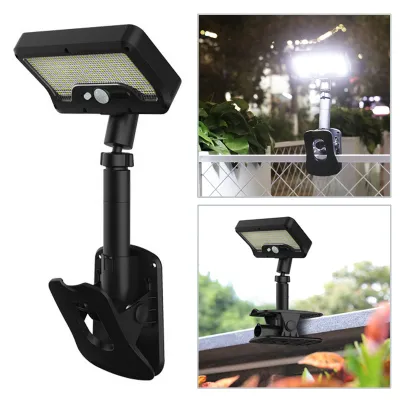
Condominium balconies and patios present a unique set of constraints governed by estate management by-laws. Most Management Corporation Strata Title (MCST) rules strictly prohibit residents from altering the external facade of the building, which includes drilling into structural columns or running visible external conduits. Furthermore, you must be mindful of light spill, ensuring your balcony light does not shine directly into a neighboring block or unit. For these spaces, compact, low-profile motion lights are the most suitable choice. Look for fixtures that can be mounted non-invasively, such as battery-operated or solar-powered units that utilize heavy-duty, weather-resistant adhesive mounts or clamps, provided they comply with your estate’s guidelines. Choosing a fixture with a highly adjustable tilt-and-pan head allows you to direct the light downward onto your balcony floor, maximizing safety while preventing light from spilling outward into the night sky or neighboring windows.
Essential Specifications to Check Before Buying
Before purchasing an outdoor motion sensor light from an online marketplace or a local lighting showroom, you must verify several technical specifications to ensure safety, compatibility, and performance. First and foremost is electrical compatibility. Singapore’s standard electrical grid operates at a voltage of 230V AC with a frequency of 50Hz. Any hardwired fixture you purchase must be rated to operate safely within this range. To guarantee electrical safety and compliance with local regulations, look for the Safety Mark issued by Enterprise Singapore on the product packaging or the manufacturer’s specification sheet. This mark indicates that the product has undergone rigorous testing and meets the necessary safety standards for the local market. Purchasing uncertified electrical appliances from overseas online sellers carries significant risks, including short circuits, electrical fires, or premature product failure.
Next, evaluate the lighting output, which is measured in lumens, and the color temperature, measured in Kelvin. Homeowners often make the mistake of buying the brightest light available, only to find that it blinds them when they step outside or triggers complaints from neighbors. For general security and driveway illumination, a fixture delivering 1000 to 1500 lumens is more than adequate. For smaller spaces like HDB corridors, balconies, or side pathways, a much softer output of 200 to 500 lumens is preferred. When it comes to color temperature, consider the spatial effect and neighborhood impact. Cool white or daylight color temperatures (4000K to 5000K) provide high contrast and excellent visibility, making them ideal for security-focused areas like driveways. However, they can feel harsh and clinical in tight residential spaces. Warm white temperatures (2700K to 3000K) offer a softer, more inviting glow that is gentler on the eyes and significantly reduces glare, making them a better choice for balconies and shared corridors where comfort is a priority.
Finally, do not overlook the physical dimensions and mounting clearance of the fixture. Before buying, physically measure the intended installation site to ensure there is sufficient space for both the light housing and the sensor head. A motion sensor requires an unobstructed line of sight to function correctly. If the sensor is blocked by architectural features such as decorative pillars, downpipes, air conditioning ledges, or overhanging plants, its detection field will be severely compromised. Ensure the mounting bracket allows for enough physical clearance to tilt and pan the sensor head, giving you the flexibility to adjust the detection zone after the fixture is installed.
Installation and Safety Boundaries for Outdoor Lighting
While installing a battery-operated or solar-powered motion light is a straightforward task that most homeowners can safely complete themselves, hardwired fixtures connected to the home’s main electrical grid require a strict adherence to safety protocols. If you are replacing an existing fixture or installing a new hardwired light, the absolute first step is power isolation. Never rely solely on the wall switch to turn off the power. You must locate your home’s main distribution board (DB box) and switch off the miniature circuit breaker (MCB) that controls the specific lighting circuit. Once the breaker is switched off, use a reliable, non-contact voltage tester at the installation site to verify that the wires are completely dead before touching them.
Waterproofing the electrical connections is another critical step that cannot be rushed. Because outdoor fixtures are exposed to high humidity and driving rain, any moisture that penetrates the electrical junction box can cause a short circuit, trip your home’s residual current circuit breaker (RCCB), or damage the light fixture. Always use an IP66-rated weatherproof junction box for outdoor connections. Ensure that all cable entry points are sealed with appropriate outdoor-rated cable glands, and apply a generous bead of outdoor-grade silicone sealant around the perimeter of the mounting bracket where it meets the exterior wall. This prevents rainwater from running down the wall surface and seeping behind the fixture into the electrical box.
It is vital to recognize the boundaries of do-it-yourself work and understand when to hire a professional. Under Singapore’s electrical safety regulations, any modification, extension, or installation of fixed electrical wiring must be performed by a Licensed Electrical Worker (LEW). If your installation requires running new electrical cables from the DB box, installing a new outdoor conduit, or modifying the existing fixed wiring of your home, you must engage an LEW. Attempting to perform fixed electrical work without a license is not only illegal but also poses severe safety hazards, including electrocution and fire risks. Additionally, if the installation requires working at height—such as mounting a heavy security light on a double-volume ceiling or a high external wall of a landed home—you should hire a professional installer who has the proper scaffolding, ladders, and safety harnesses to complete the job safely.
Frequently Asked Questions (FAQ)
How do I clean outdoor motion sensor lights without damaging them?
To maintain the detection accuracy and light output of your outdoor motion sensor light, regular cleaning is essential, but it must be done carefully to avoid damaging the delicate components. Before cleaning, always switch off the power supply to the fixture and allow it to cool down completely, especially if it uses high-heat halogen bulbs or high-wattage LEDs. Use a soft, clean microfiber cloth slightly dampened with plain water or a very mild, diluted dish soap. Avoid using harsh chemical solvents, glass cleaners, or abrasive scrubbing pads, as these can permanently scratch or cloud the plastic sensor dome (the Fresnel lens). A scratched lens scatters infrared light, which severely degrades the sensor’s detection range and accuracy. Gently wipe the sensor dome and the light lens to remove accumulated dust, spiderwebs, and salt residue, then dry the surfaces with a clean, dry cloth.
Why does my outdoor sensor light keep turning on during heavy rain?
If your outdoor motion sensor light frequently triggers during heavy rain, it is usually due to environmental interference affecting the sensor’s detection mechanism. Passive Infrared (PIR) sensors can be fooled by the rapid temperature drops associated with sudden downpours, or by wind-blown rain and wet foliage moving violently within the sensor’s field of view. Microwave sensors can also be triggered by the movement of heavy sheets of water running down walls or pooling on the ground. To resolve this issue, try lowering the sensor’s sensitivity setting using the dial on the fixture, which prevents it from reacting to smaller environmental movements. You can also tilt the sensor head slightly downward to reduce its overall range, focusing the detection zone closer to the ground and away from wind-whipped trees. Finally, inspect the fixture for signs of moisture ingress, such as condensation inside the lens; if water has penetrated the housing, it can cause internal short circuits that mimic motion triggers, indicating that the seals have failed and the unit needs to be replaced.
Community discussion
Share your experience or ask a question. Comments are reviewed before publication.