
Selecting the right outdoor motion sensor lights in Singapore requires a deep understanding of how our unique tropical climate affects electrical components. With high year-round humidity, intense equatorial sunshine, and sudden, heavy monsoon downpours, standard outdoor lights can quickly fail if they are not engineered to withstand these demanding conditions. Rather than relying solely on brand names, homeowners and property managers must evaluate specific engineering standards, material compositions, and sensor technologies to ensure long-term reliability and safety.
By focusing on verifiable weatherproofing certifications, robust housing materials, and appropriate sensor designs, you can secure your property’s exterior with lighting that performs consistently for years. This guide outlines the essential technical criteria and maintenance practices needed to navigate the challenges of Singapore’s climate, helping you make an informed investment for your home.
Key Weather-Resistance Standards for Outdoor Lighting
To protect your investment, the first line of defense is the Ingress Protection (IP) rating. This two-digit code defines the fixture’s ability to resist dust and water. The first digit ranges from 0 to 6, representing protection against solid objects, while the second digit ranges from 0 to 9, representing water resistance. For Singapore’s intense tropical storms, an IP65 rating is the absolute minimum requirement. An IP65-rated fixture can withstand low-pressure water jets from any angle, making it suitable for general outdoor use. However, for highly exposed areas like perimeter walls or open gardens that face driving rain, upgrading to IP66 (protection against high-pressure water jets) or IP67 (protection against temporary immersion) offers significantly greater peace of mind.
Products mentioned in this guide
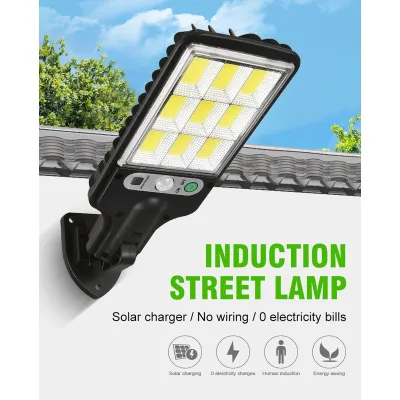
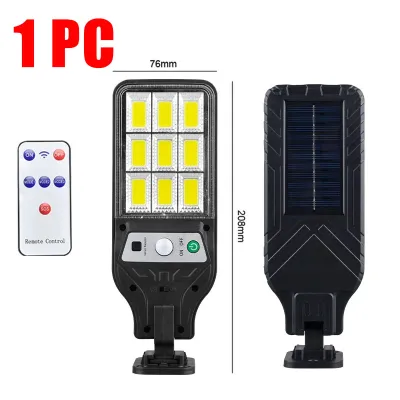
Prices are valid at publication and may change. Please refer to the product page for the latest price.
Material selection is equally critical in preventing premature degradation. Cheap plastics and untreated metals degrade rapidly under Singapore’s intense ultraviolet (UV) radiation and high humidity. Look for fixtures constructed from UV-stabilized polycarbonate or heavy-duty ABS plastic, which resist yellowing, cracking, and becoming brittle over time. For metal components, prioritize die-cast aluminum with a high-quality powder-coated finish or marine-grade 316 stainless steel. These materials resist the corrosive effects of moisture and salt-laden air, which is particularly important for coastal residential areas. Additionally, ensure the fixture utilizes high-quality sealing gaskets made of silicone or ethylene propylene diene monomer (EPDM) rubber, as these materials maintain their elasticity and sealing properties far better than standard rubber when exposed to constant heat and moisture.
Finally, verify the manufacturer’s specified operating temperature and humidity ranges. While Singapore’s ambient temperature typically ranges from 24°C to 35°C, outdoor light fixtures mounted in direct sunlight can experience internal temperatures exceeding 50°C due to solar heat gain. A reliable outdoor light must be rated to operate continuously in temperatures up to at least 50°C and handle relative humidity levels of up to 95% or higher without internal condensation forming on the circuitry.
Sensor Technologies and Performance in Humid Conditions
The choice of sensor technology directly impacts how reliably your light detects motion without causing frustrating false triggers or failing to activate when needed. Passive Infrared (PIR) sensors are the most common type, operating by detecting changes in infrared radiation (heat signatures) within their field of view. However, PIR sensors face unique challenges in Singapore’s hot climate. When the ambient outdoor temperature approaches human body temperature (approximately 37°C), the thermal contrast between a moving person and the surrounding environment decreases. This can temporarily reduce the sensor’s detection range and sensitivity. Furthermore, heavy rain can scatter infrared signals, leading to inconsistent performance during storms.

In contrast, microwave sensors emit high-frequency electromagnetic waves and analyze the reflected waves to detect movement. These sensors are highly stable in hot and humid conditions because they do not rely on thermal signatures. They can easily penetrate rain, fog, and even thin non-metallic barriers like glass or plastic. However, this high sensitivity can be a double-edged sword; microwave sensors may detect the movement of wind-blown tree branches, heavy falling rain, or activity behind thin walls, leading to frequent false alarms. To mitigate this, look for advanced fixtures that combine both PIR and microwave technologies (dual-technology sensors), which require both heat and physical motion signatures to trigger the light, virtually eliminating false activations.
Regardless of the sensor type, having adjustable sensitivity, detection range, and time delay settings is essential. These customization features allow you to fine-tune the sensor to ignore minor environmental movements, such as swaying foliage or small community animals, while still capturing human activity. Additionally, pay close attention to the design of the sensor lens and dome. High-quality sensors feature curved, water-shedding dome designs and hydrophobic coatings that prevent water droplets from pooling on the lens, ensuring the sensor maintains a clear line of sight even during torrential downpours.
Evaluating Brand Reliability and Warranty Coverage
When comparing different brands in the Singapore market, look beyond marketing claims and focus on concrete indicators of reliability, starting with the warranty terms. A manufacturer that stands behind its product will offer a comprehensive warranty of at least two to five years specifically for outdoor applications. Carefully review the warranty policy to ensure it covers water ingress, UV degradation, and humidity-related failures. Some basic warranties only cover manufacturing defects in the LED driver or LEDs themselves, leaving you unprotected if the housing seals fail under heavy rain. While high-quality fixtures may require a higher initial investment of S$80 to S$150 compared to cheap unbranded alternatives, the long-term savings in replacement costs and energy efficiency make them far more economical.
Another hallmark of a reliable brand is the availability of replacement parts and a modular product design. In a tropical environment, individual components like silicone gaskets, sensor modules, or LED drivers may wear out before the LEDs themselves reach the end of their lifespan. Brands that offer replaceable components allow you to service the fixture rather than replacing the entire unit, saving money and reducing electronic waste. Check if the brand has local distributors or service centers in Singapore that stock these spare parts and can assist with technical support.
Electrical safety and compliance must never be compromised. In Singapore, all mains-powered electrical appliances and lighting fixtures must comply with local safety standards. Ensure that any outdoor motion sensor light you purchase carries the Safety Mark issued by Enterprise Singapore. This mark indicates that the product has undergone rigorous testing to ensure it can safely handle Singapore’s standard 230V, 50Hz electrical supply and is protected against electrical shocks, short circuits, and fire hazards, which are heightened risks in wet outdoor environments.
Installation and Maintenance for Long-Term Durability
Proper installation is just as important as choosing the right fixture when it comes to ensuring long-term durability. Whenever possible, mount your outdoor motion sensor lights under protective architectural features such as roof eaves, awnings, or porch ceilings. This simple step shields the fixture from the direct impact of pounding rain and intense midday sun, significantly reducing wear on the seals and housing while still allowing the sensor to cover the desired detection zone.
When it comes to wiring and electrical connections, meticulous sealing is vital to prevent water from entering the system. Always isolate the power supply at the main distribution board before starting any installation or maintenance work. Use IP68-rated waterproof junction boxes and gel-filled cable connectors to join electrical wires. This prevents moisture from traveling along the inside of the cable jacket into the fixture—a common phenomenon known as capillary action. Ensure that cables enter the fixture from below, creating a “drip loop” that forces rainwater to drip off the cable before reaching the entry point. For any fixed wiring installations, working at significant heights, or if you are unsure about the electrical setup, always engage a licensed electrical worker (LEW) or qualified professional to ensure compliance with local wiring regulations.
Routine maintenance will extend the life of your outdoor lights and keep them operating at peak efficiency. Create a simple bi-annual maintenance routine. Start by wiping down the sensor lens and light diffuser with a soft, damp microfiber cloth to remove accumulated dust, pollen, and salt residue, which can degrade sensor sensitivity and light output. Inspect the silicone or EPDM gaskets for any signs of cracking, flattening, or hardening, and replace them if necessary. Finally, check that any built-in drainage holes at the bottom of the fixture housing are clear of debris, dirt, or insect nests, allowing any minor internal condensation to drain away freely.
Frequently Asked Questions (FAQ)
Can I use an indoor motion sensor light outdoors if it is under a sheltered porch?
No, using an indoor-rated motion sensor light outdoors is highly discouraged, even if it is fully sheltered under a porch. Indoor fixtures typically carry an IP20 rating, meaning they have no protection against moisture, humidity, or dust. Singapore’s ambient relative humidity often exceeds 90%, which will easily penetrate the unsealed housing of an indoor light. This leads to rapid corrosion of internal circuitry, premature component failure, and a high risk of electrical short circuits or ground faults. Always use fixtures explicitly rated for outdoor use with a minimum of an IP65 rating.
Why does my outdoor motion light keep turning on during heavy rain?
This issue is common with highly sensitive sensors. In heavy rain, PIR sensors can be fooled by the rapid temperature changes caused by cold raindrops falling through the warm ambient air close to the sensor lens. Microwave sensors, on the other hand, may detect the physical movement of falling water sheets or wind-blown plants within their detection zone. To resolve this, try lowering the sensor’s sensitivity setting using the dial on the fixture, or adjust the physical angle of the sensor downward so it focuses on the ground immediately in front of the entry point rather than capturing distant rain patterns.
Do solar-powered motion sensor lights perform well in Singapore's weather?
Solar-powered motion sensor lights can perform well in Singapore, provided they are installed correctly and use high-quality components. Because Singapore experiences frequent cloud cover and sudden monsoon showers, it is crucial to choose solar lights equipped with highly efficient monocrystalline solar panels, which charge better under overcast skies than cheaper polycrystalline panels. Ensure the solar panel is positioned to receive at least four to six hours of unobstructed, direct sunlight daily. Keep in mind that during prolonged rainy seasons, the battery may not charge fully, resulting in shorter operating times or dimmer light output. Additionally, ensure the battery compartment has a robust weatherproof seal, as moisture ingress can quickly ruin rechargeable batteries.
Community discussion
Share your experience or ask a question. Comments are reviewed before publication.