
Finding reliable outdoor solar motion sensor lights for a Singapore home requires looking beyond flashy online listings and focusing on robust weatherproofing, battery quality, and verifiable manufacturer support. Because Singapore experiences intense tropical downpours, high humidity, and year-round heat, generic unbranded fixtures often fail within months due to water ingress or battery degradation. To secure a reliable setup, homeowners should prioritize established lighting brands that offer clear warranty terms, certified ingress protection (IP) ratings, and high-efficiency solar panels designed to charge even during overcast monsoon seasons.
By focusing on verifiable technical specifications rather than generic marketing claims, you can select outdoor lighting that enhances your home’s security and convenience for years to come. This guide outlines how to evaluate manufacturers, understand critical specifications for tropical climates, position your fixtures for maximum efficiency, and maintain them over time.
How to Evaluate Brands for Outdoor Solar Lighting
When searching for reliable solar motion sensor lights, the distinction between established lighting manufacturers and generic, unbranded options found on online marketplaces is critical. Reputable brands invest in rigorous product testing and provide clear, accessible documentation for their fixtures. Conversely, unbranded products often feature exaggerated performance claims, such as unrealistic lumen outputs or battery runtimes that do not hold up under real-world conditions.
Products mentioned in this guide
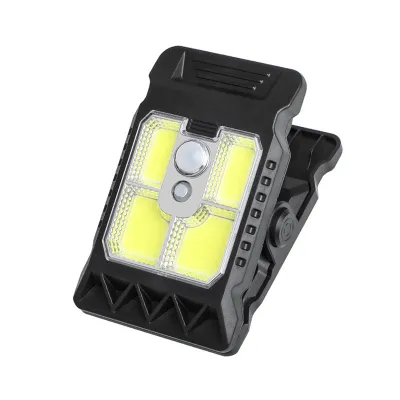
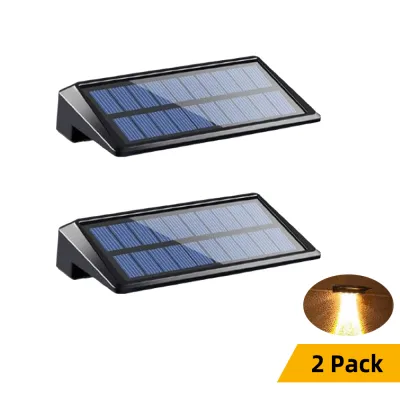
Prices are valid at publication and may change. Please refer to the product page for the latest price.
Begin your evaluation by checking the manufacturer’s warranty and customer support channels. A trustworthy brand typically offers a written warranty of at least one to two years, backed by a clear return policy and a responsive customer service team. If a brand does not provide a direct way to contact their support team, or if their warranty terms are vague, it is highly likely that obtaining replacement parts or resolving a defect will be difficult.
Another key indicator of brand reliability is the presence of verifiable electrical safety certifications and compliance marks. While solar lights operate on low-voltage direct current (DC) and are generally safe, any accompanying charging adapters, split-panel extension cables, or hybrid AC-backup systems must comply with local safety standards. Look for recognized international certification marks such as CE, RoHS, or FCC on the product packaging and specification sheets, which indicate the product has been tested for electromagnetic compatibility and hazardous material limits.
Finally, prioritize brands that publish comprehensive specification sheets detailing the exact materials used in construction. Reliable manufacturers openly state whether their light housings are made of UV-stabilized polycarbonate or corrosion-resistant aluminum. They also specify the exact battery chemistry and solar panel type, allowing you to make an informed decision based on verifiable data rather than marketing slogans.
Essential Specifications and Safety Checks for Tropical Conditions
Singapore’s tropical climate presents unique challenges for outdoor electronic devices, including high ambient temperatures, intense ultraviolet (UV) exposure, and heavy rainfall. To ensure your solar motion sensor lights survive these conditions, you must carefully interpret the manufacturer’s Ingress Protection (IP) ratings. An IP rating consists of two digits: the first represents protection against solid particles, and the second represents protection against liquids.

For outdoor fixtures exposed to open weather, an IP65 rating is the minimum standard you should accept. The “6” indicates the unit is completely dust-tight, preventing fine particles from entering the housing. The “5” indicates protection against water jets projected by a nozzle from any direction. In highly exposed areas prone to heavy monsoon downpours, opting for an IP67-rated fixture provides superior protection, as it certifies the light can withstand temporary submersion in water.
Beyond weatherproofing, the efficiency of the solar panel and the chemistry of the internal battery determine how well the light performs day after day. Look for fixtures utilizing monocrystalline solar panels, which offer higher energy conversion efficiency compared to polycrystalline panels, especially in limited spaces or during overcast days. For the battery, Lithium Iron Phosphate (LiFePO4) chemistry is highly preferred over standard Lithium-ion (Li-ion) for outdoor tropical use. LiFePO4 batteries exhibit excellent thermal stability, reducing the risk of swelling or degradation under direct sunlight, and they typically offer a significantly longer cycle life.
Motion sensor specifications are equally important for security and energy conservation. Most outdoor solar lights use Passive Infrared (PIR) sensors, which detect changes in heat signatures within their field of view. When reviewing specifications, check the detection range—typically between 5 to 10 meters—and the detection angle, which should ideally span 120 to 180 degrees. Ensure the light offers adjustable modes, such as a dim-to-bright setting where the light remains at a low energy-saving level until motion triggers full brightness, or a pure motion-activated mode that keeps the light off until needed.
If you are considering a hybrid solar light that connects to your home’s electrical grid for backup power, you must observe strict safety boundaries. Any connection to fixed exterior wiring operating at mains voltage must be handled with extreme care. Always isolate the power supply at the main distribution board before attempting any installation or maintenance. If the installation requires running new conduits, mounting outdoor junction boxes, or connecting directly to your home’s consumer unit, you must engage a licensed electrical worker to ensure compliance with local electrical safety regulations.
Installation Requirements and Placement Strategies
To maximize both the charging efficiency of the solar panel and the detection accuracy of the motion sensor, strategic placement is essential. Because Singapore is located near the equator, solar panels should ideally be mounted facing south or north with a slight tilt of 10 to 15 degrees. This minimal tilt is crucial; it is steep enough to allow rainwater to wash away accumulated dust and debris naturally, yet flat enough to capture maximum sunlight throughout the year as the sun’s path shifts.
Mounting height directly influences the detection zone of the PIR sensor and the spread of the light beam. Most manufacturers recommend a mounting height of 2 to 2.5 meters. Installing the light too high will reduce the sensitivity of the motion sensor, making it difficult to detect movement at ground level. Conversely, mounting it too low restricts the illumination area and makes the fixture vulnerable to physical tampering or accidental damage.
When choosing a location, carefully observe the surrounding environment for competing artificial light sources. Streetlights, porch lights, or even bright interior lights shining through windows can interfere with the solar light’s built-in photocell (the sensor that detects ambient light levels). If the photocell detects too much external light, it will register the environment as daytime and prevent the motion sensor from activating the light, rendering the fixture useless at night.
For properties with deep roof eaves, covered car porches, or heavy foliage, split-panel solar lights offer an excellent solution. These models feature a separate solar panel connected to the light fixture via a low-voltage cable, allowing you to mount the light in a shaded area while placing the panel in direct sunlight. When installing split-panel models, manage the cable routing carefully. Secure the cable using UV-resistant clips or conduits to prevent sagging, which can lead to physical damage, tripping hazards, or water tracking along the wire. Always create a small “drip loop” in the cable just before it enters the light fixture or wall; this simple loop forces rainwater to drip off the wire rather than running directly into the cable entry point.
If your installation requires drilling into exterior walls, concrete pillars, or tiled facades, take precautions to avoid damaging structural elements or hidden utilities. Use a reliable detector to check for concealed electrical conduits or water pipes before drilling. If you are mounting fixtures on common property walls in condominiums or housing estates, always seek the necessary management approvals first. If you encounter tough reinforced concrete or are unsure of the structural integrity of the wall, stop and consult a qualified professional to complete the installation safely.
Maintaining Performance and Troubleshooting Common Issues
Routine maintenance is key to extending the lifespan of your outdoor solar motion sensor lights and ensuring they deliver consistent performance. Over time, a fine layer of dust, pollen, soot, and organic debris can accumulate on the surface of the solar panel. This buildup blocks sunlight and can significantly reduce charging efficiency, leading to shorter runtimes at night.
To clean the solar panel safely, follow these steps:
- Gently brush away loose dirt or leaves using a soft-bristled brush.
- Wipe the surface of the panel with a soft, damp microfiber cloth and clean water.
- Avoid using abrasive scrubbing pads, steel wool, or harsh chemical detergents, as these can scratch or degrade the protective tempered glass or PET coating on the panel.
- Clean the panel during the early morning or late afternoon when the surface is cool to prevent thermal shock and water spotting.
During your cleaning routine, take a moment to inspect the physical condition of the light fixture. Check the rubber gaskets and silicone seals around the lens and battery compartment for signs of cracking, dry rot, or misalignment. If you notice condensation or water droplets trapped inside the light lens, the weatherproofing seal has likely failed. In some cases, you can carefully disassemble the housing, dry the interior completely, and apply a thin bead of outdoor-grade silicone sealant to restore the barrier. However, if the internal circuit board shows signs of corrosion or rust, the unit should be replaced.
If your solar light stops working or exhibits a significantly reduced runtime, perform a systematic diagnostic check before assuming the unit is broken. First, ensure the solar panel is not shaded by newly grown tree branches or climbing plants. Next, verify that the motion sensor lens is clean and free of obstructions like spiderwebs or insect nests. If the light turns on but shuts off after only a few minutes, the battery may be reaching the end of its useful life and failing to hold a charge.
When a solar light reaches the end of its lifespan or suffers irreparable damage, it must be disposed of responsibly. Because these fixtures contain lithium batteries and electronic circuit boards, they should never be thrown into general household waste. Instead, remove the battery if the manufacturer’s instructions permit, and bring both the battery and the light fixture to a designated e-waste recycling point or collection bin to prevent environmental contamination.
Frequently Asked Questions (FAQ)
Do solar motion sensor lights work during extended cloudy or rainy periods?
Yes, solar motion sensor lights will still charge and operate during extended cloudy or rainy periods, but their performance will be noticeably reduced. Solar panels do not require direct sunlight to generate electricity; they can harvest energy from diffused daylight. However, the power output drops significantly on overcast days, meaning the internal battery will not reach a full charge.
During consecutive rainy days, the stored energy reserve in the battery will gradually deplete. To manage performance expectations and conserve power during monsoon seasons, you should adjust the light’s settings. Switching the fixture from a continuous dim-to-bright mode to a strict motion-only mode ensures the light remains off until triggered, preserving the limited battery charge for when it is actually needed.
Can I replace the built-in batteries in outdoor solar lights?
Whether you can replace the built-in batteries depends entirely on the design of the specific light fixture. Many high-quality, brand-name solar lights are designed with accessible, user-replaceable battery compartments secured by screws and sealed with rubber gaskets. For these models, replacing the battery is a simple and cost-effective way to extend the life of the fixture once the original battery degrades.
Conversely, many budget-friendly or ultra-compact solar lights feature completely sealed, non-serviceable housings. These units are designed for a single-use lifecycle; attempting to pry them open will permanently destroy their weatherproofing seals, making them unsafe for continued outdoor use. If your fixture allows battery replacement, you must match the exact battery chemistry (such as LiFePO4 or Li-ion), voltage, and physical dimensions specified by the manufacturer to avoid electrical malfunctions, rapid degradation, or potential fire hazards.
Community discussion
Share your experience or ask a question. Comments are reviewed before publication.