
Power outages in Singapore are exceptionally rare due to the robust nature of the national power grid. However, localized electrical trips, internal appliance faults, or scheduled maintenance can still plunge an HDB flat into sudden darkness. In these situations, having a reliable backup light source is essential for safety and comfort. While traditional battery-powered flashlights are common, a solar emergency light offers a sustainable, self-replenishing alternative that does not rely on a functioning electrical grid.
However, HDB flat living introduces unique challenges for solar-powered devices. Unlike landed properties with open lawns, HDB units often have limited access to direct sunlight due to structural overhangs, neighboring blocks, and tinted window glass. Furthermore, residents must navigate strict fire safety regulations regarding common corridors and shared spaces. To find the best solar emergency light for your HDB flat, you must evaluate how different brands perform under limited light conditions, understand where you can safely position them, and verify their compliance with local safety standards.
HDB Placement Rules: Where to Safely Install and Charge
When planning where to place and charge your solar emergency light, your first consideration must always be safety and compliance with local housing regulations. The Singapore Civil Defence Force (SCDF) maintains strict guidelines regarding the use of common areas in HDB estates. Common corridors, stairwells, and lift lobbies are designated emergency escape routes. SCDF regulations mandate that a minimum clear passage of 1.2 meters must be maintained along these corridors at all times.
Products mentioned in this guide
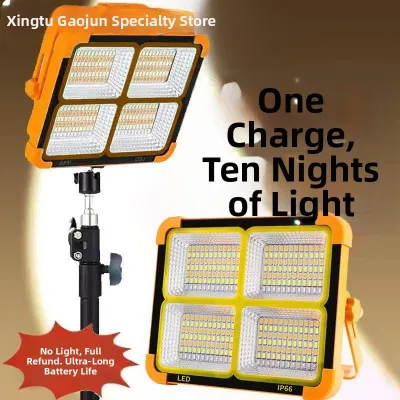
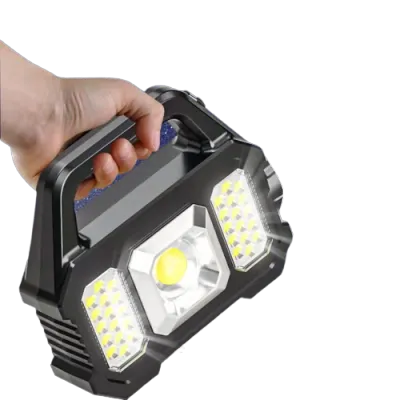
![🇸🇬 [READY STOCK] Camping Light Bright Waterproof Outdoor Solar Light Portable Handheld Emergency Lamp LED Solar Light USB Rechargeable Mobile Power Lamp](https://img.lazcdn.com/g/p/15dae932bd6bc6a7781c6cedf7618b89.jpg_400x400q80.jpg_.webp)
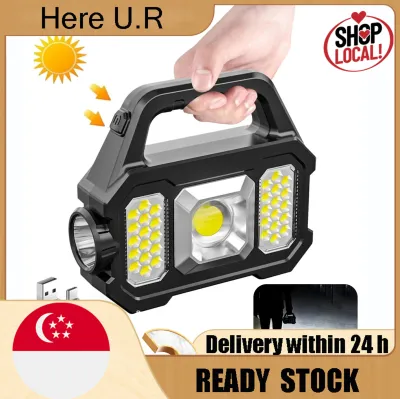
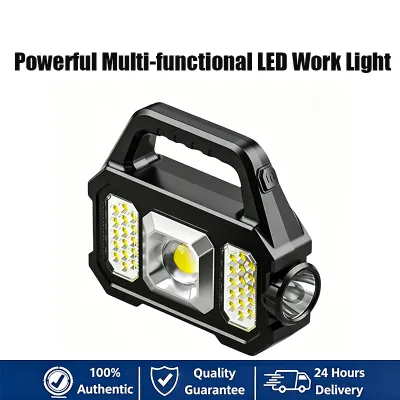
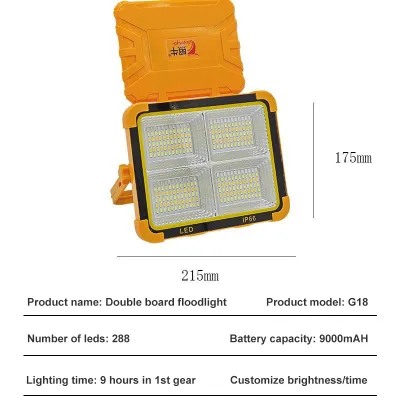
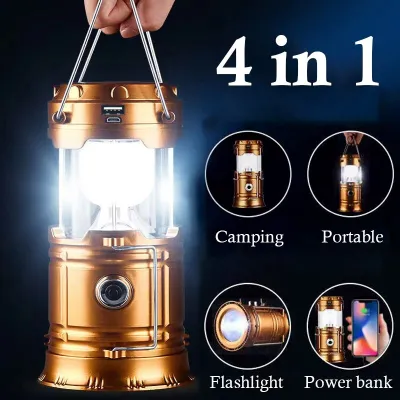
Prices are valid at publication and may change. Please refer to the product page for the latest price.
Placing solar emergency lights, charging stations, or loose extension cables in these common areas is a serious safety hazard. If an emergency occurs, these items can trip fleeing residents or obstruct firefighters. Additionally, leaving high-capacity battery devices in unventilated, hot common corridors increases the risk of thermal runaway and fire. Town Councils also actively enforce these rules, and unauthorized items left in common areas are subject to removal and fines. Furthermore, leaving expensive lighting equipment in public, easily accessible spaces exposes your property to theft and weather damage.
To charge your solar emergency light safely and legally, you must keep all equipment within the private boundaries of your flat. The most effective charging zones are service yards, open balconies, and sunlit windowsills. Windows facing east or west are particularly valuable, as they receive direct sunlight during the morning or afternoon.
If you plan to mount a solar panel or light fixture permanently, be aware of structural restrictions. Drilling into the external facade of an HDB block or any common area wall is strictly prohibited. Doing so can compromise the building’s waterproofing, lead to concrete spalling, and result in heavy penalties from the Town Council. Instead, opt for non-destructive mounting solutions. Heavy-duty suction cups can secure lightweight solar panels directly to window glass. Adjustable tension rods can be wedged across balcony frames or service yard windows to provide a sturdy mounting point without drilling. Alternatively, freestanding solar lights can be placed on tables or ledges near windows and easily moved indoors when not in use. Always check the manufacturer’s instructions for any mounting accessory to ensure it can support the weight of the device safely.
Key Features to Overcome Limited Sunlight in HDB Flats
HDB flats are designed to maximize shade and minimize solar heat gain, which is excellent for keeping your home cool but challenging for solar-powered appliances. To ensure your solar emergency light remains fully charged and dependable, look for brands that incorporate specific technical features designed to overcome low-light environments.

Dual-charging capability is the most critical feature for any emergency light used in Singapore. The region experiences distinct monsoon seasons, particularly the Northeast Monsoon from November to January, which brings prolonged periods of heavy rain, thick cloud cover, and minimal direct sunlight. During these weeks, a purely solar-powered light may fail to charge adequately. Brands that offer hybrid charging—combining a solar panel with a USB-C port or a 230V AC mains adapter—ensure that you can manually top up the battery from your wall outlet when the weather is poor. This dual-source flexibility guarantees that your emergency light is always operational when a power failure occurs.
The type of solar panel integrated into the device also plays a massive role in charging efficiency. Most consumer solar lights utilize either monocrystalline or polycrystalline solar panels. For HDB flats, where light is often indirect or filtered through window glass, monocrystalline panels are vastly superior. Monocrystalline silicon panels are constructed from a single, high-purity crystal structure, which allows electrons to move more freely. This results in a higher energy conversion efficiency (typically 15% to 22%) compared to polycrystalline panels (which usually hover around 13% to 16%). Monocrystalline panels perform significantly better in partial shade, on overcast days, and when receiving filtered light through tinted or double-glazed window panes.
Battery chemistry is another vital factor, especially given Singapore’s hot and humid tropical climate. Standard Lithium-ion (Li-ion) batteries are common, but Lithium Iron Phosphate (LiFePO4) batteries are highly recommended for emergency lighting. LiFePO4 batteries offer exceptional thermal stability, with a much higher thermal runaway threshold than standard Li-ion cells. This drastically reduces the risk of swelling, leaking, or catching fire when the device is left on a hot windowsill under direct sunlight. Furthermore, LiFePO4 batteries boast a significantly longer lifespan, often retaining their capacity for over 2,000 charge-discharge cycles, compared to the 300 to 500 cycles typical of standard lithium batteries.
To maximize the utility of your stored solar energy, pay close attention to the device’s lumen output and operational modes. High-brightness settings (above 500 lumens) are useful for illuminating large areas, but they drain the battery rapidly—often in under two hours. Look for brands that provide adjustable power modes, such as low-intensity eco modes, motion-sensor activation, or flashing SOS emergency signals. A motion-sensor mode is incredibly efficient for HDB living; the light remains off or dimmed until it detects movement, conserving battery power and extending the operational runtime to several days during an extended blackout.
Finally, consider models with detachable solar panel designs. In a unified design, the entire light fixture—including the sensitive battery and LED components—must sit in the hot sun to charge. This heat exposure accelerates battery degradation and can damage the internal circuitry over time. A detachable design separates the solar panel from the light fixture, connecting them via a thin, weather-resistant extension cable. This allows you to position the solar panel outside on your balcony railing or window ledge while keeping the actual light fixture and battery safely indoors in a cool, protected environment.
Best Solar Emergency Light Types for HDB Spatial Constraints
Because HDB flats vary in layout and space availability, different types of solar emergency lights are suited to different areas of the home. Matching the design of the light to your specific spatial constraints ensures optimal charging performance and daily convenience.
Compact window-sill and balcony models are specifically engineered for tight residential spaces. These systems typically feature a small, highly efficient monocrystalline solar panel that can be suction-cupped to a window pane or secured to a narrow ledge. The panel connects via a thin cable to a compact LED lantern or light bar inside the room. Because these models have a small footprint, they do not clutter your living space and can easily fit onto the narrow ledges common in newer HDB BTO (Build-To-Order) flats.
Service yard and utility area lights are designed to handle the semi-outdoor conditions of HDB service yards. These areas often receive decent indirect sunlight but are also exposed to wind-driven rain and high humidity. Weather-resistant solar lights installed in the service yard can serve a dual purpose. On a daily basis, they provide automatic, motion-activated lighting for evening laundry or utility tasks, reducing your household electricity consumption. During a power trip, they serve as an immediate, hands-free light source that ensures you can navigate the utility area safely to access your home’s main electrical distribution board (DB box).
Indoor dual-purpose power banks represent a highly versatile hybrid solution. These devices are essentially high-capacity portable power banks equipped with an integrated LED emergency floodlight and a small solar panel on the reverse side. While the small solar panel is primarily designed for emergency trickle charging rather than rapid daily charging, the ability to charge mobile phones via USB during a power outage is incredibly valuable. These hybrid units can be stored in an easily accessible drawer or emergency kit and placed on a sunny table or windowsill periodically to keep the battery topped up.
To help you decide which configuration best fits your household layout, consider the following comparison of these three primary solutions:
| Light Type | Charging Flexibility | Ideal HDB Placement | Primary Use Case | Space Requirements |
|---|---|---|---|---|
| Compact Window-Sill Models | Solar-focused with optional USB back-up | Narrow window ledges, living room windows | Daytime charging, localized night-time safety light | Minimal footprint; requires vertical glass or narrow ledge space |
| Service Yard Lights | Hybrid (Solar + USB/Mains), often motion-activated | Service yards, balconies, kitchen utility areas | Dual-purpose daily utility lighting and automatic power-trip backup | Moderate footprint; requires mounting on tension rods or frames |
| Indoor Dual-Purpose Power Banks | USB/Mains primary with solar trickle-charging | Bedrooms, living room tables, emergency kits | Phone charging and portable room illumination during blackouts | Compact and portable; easily stored in drawers when not in use |
How to Evaluate Brand Reliability and Safety Standards
When shopping for a solar emergency light on local e-commerce platforms or at lighting specialty stores in Singapore, it is easy to be overwhelmed by the sheer volume of unbranded, low-cost options. However, because emergency lights contain high-capacity rechargeable batteries and are left to charge unattended near windows, prioritizing safety and brand reliability is paramount.
The first and most critical safety check is verifying electrical safety certifications. In Singapore, any electrical appliance, charging dock, or USB wall adapter that connects directly to the 230V AC mains power grid must comply with the Consumer Protection (Safety Requirements) Registration Scheme. Look for products that carry the Singapore Safety Mark. This mark indicates that the charging component has been rigorously tested by an approved conformity assessment body and is certified safe against electrical short circuits, overcharging, and fire hazards. Never plug an uncertified, cheap charging adapter into your home’s wall sockets to charge your emergency light.
Prioritizing brands with local warranty support and official distributors in Singapore is another crucial step. Looking for brands with local distributors or official flagship stores on reputable e-commerce platforms provides accessible customer service and straightforward warranty claims. If the battery degrades prematurely or the solar panel fails to generate power, a local distributor can quickly provide a replacement or technical support without the hassle and cost of international shipping.
Always verify the build quality and Ingress Protection (IP) ratings of the device, particularly if any part of it will be exposed to the elements. The IP rating consists of two numbers: the first indicates protection against solid objects (like dust), and the second indicates protection against liquids. For solar panels or light fixtures mounted in semi-outdoor areas like balconies or service yards, look for a rating of at least IP65. An IP65 rating ensures that the device is completely dust-tight and can withstand low-pressure water jets from any direction, meaning it will easily survive Singapore’s intense tropical downpours and high humidity without water seeping into the electrical housing.
Finally, take the time to read verified user reviews, focusing specifically on feedback regarding thermal management and battery durability in tropical climates. Look for mentions of battery swelling, casing warping under direct sunlight, or rapid loss of charge capacity over time. Reliable brands design their products with robust heat dissipation mechanisms, such as aluminum heat sinks or ventilated battery compartments, to protect the sensitive lithium cells from overheating. If multiple reviews mention that the device becomes excessively hot during charging or that the battery swelled after a few months of windowsill exposure, avoid that brand.
Frequently Asked Questions (FAQ)
Can I leave my solar emergency light charging in the HDB corridor?
No, you should not leave your solar emergency light or its charging panel in the HDB common corridor. SCDF fire safety guidelines strictly prohibit placing any personal items, charging equipment, or obstructions in common corridors, which must maintain a minimum clear width of 1.2 meters for emergency evacuations. Furthermore, leaving high-capacity battery devices to charge in hot, unventilated public corridors poses a fire risk, violates Town Council by-laws, and exposes your equipment to theft, vandalism, and unpredictable weather. Keep all charging setups strictly within your flat’s private boundaries, such as your balcony or service yard.
How long does a solar emergency light battery last without sunlight?
A high-quality, fully charged lithium battery can typically retain its charge in storage for 3 to 6 months, though it will experience gradual self-discharge over time. During prolonged cloudy periods or monsoon seasons when solar charging is ineffective, the battery will eventually deplete. To maintain battery health and prevent deep discharge—which can permanently damage the battery cells and reduce their overall capacity—it is highly recommended to manually charge your emergency light via USB or mains power every 2 to 3 months, even if the light has not been used.
Are solar emergency lights bright enough for a full HDB blackout?
Yes, but they are designed to serve as targeted safety and navigation lights rather than replacing the full ambient brightness of your home’s main ceiling lights. A standard solar emergency light typically produces between 150 and 500 lumens, which is more than sufficient to illuminate a living room or kitchen safely, allowing you to move around, cook, or read without strain. To maximize the battery runtime during a prolonged blackout, avoid running the light at its maximum brightness setting; instead, utilize lower eco modes or motion-sensor settings to conserve power.
Community discussion
Share your experience or ask a question. Comments are reviewed before publication.