
Evaluating the long-term reliability of solar lighting requires looking past marketing claims to focus on verifiable component specifications, climate adaptability, and local support structures. In Singapore’s tropical climate, outdoor fixtures face intense heat, high humidity, and heavy monsoon downpours, which can quickly degrade low-quality components. Without independent long-term testing data, identifying trustworthy brands depends on your ability to read product labels accurately, match fixtures to tropical weather conditions, and confirm realistic warranty terms. This guide provides the framework to assess solar powered light options for consistent energy efficiency and durability in outdoor environments.
Identifying High-Quality Solar Panels and Batteries
The performance and lifespan of any solar powered light depend heavily on the quality of its internal components. When evaluating different brands, the first critical component to examine is the solar panel. Monocrystalline silicon panels offer the highest conversion efficiency, typically ranging from 15% to 22%, because they are made from a single pure crystal structure. In contrast, polycrystalline panels are less efficient, usually converting only 13% to 16% of sunlight into electricity. For residential properties in Singapore, where space on walls, fences, or garden borders is often limited, monocrystalline panels are highly recommended as they generate more power per square meter, ensuring the battery charges fully even during shorter periods of direct sunlight.
The battery chemistry is another decisive factor for long-term reliability. Standard Lithium-ion (Li-ion) or Nickel-Metal Hydride (NiMH) batteries are common in budget-friendly fixtures but tend to degrade rapidly when exposed to constant high ambient temperatures. Lithium Iron Phosphate (LiFePO4) batteries represent a significant upgrade, offering superior thermal stability and a much longer operational life. A typical LiFePO4 battery can withstand over 2,000 charge-discharge cycles before its capacity drops significantly, compared to just 300 to 500 cycles for standard Li-ion alternatives. This thermal resilience is essential in Singapore’s year-round warm climate, where battery degradation is accelerated by heat.
Products mentioned in this guide
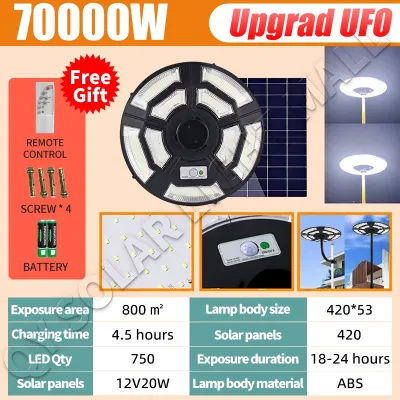
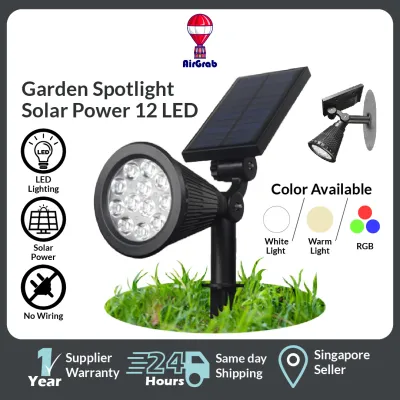
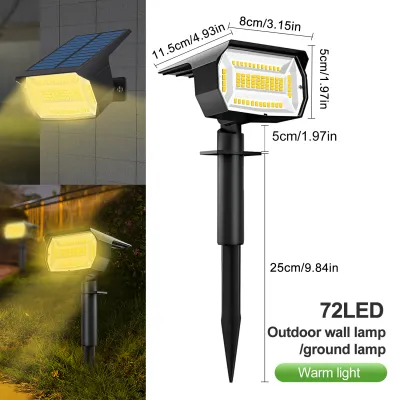
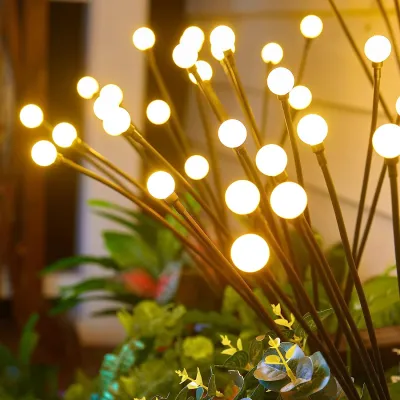
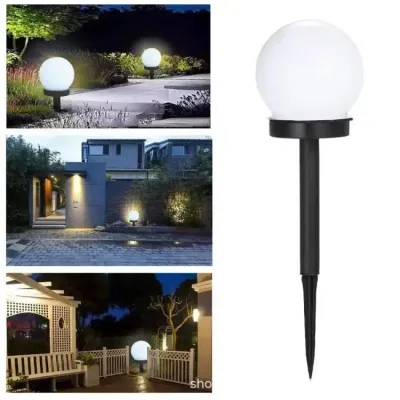
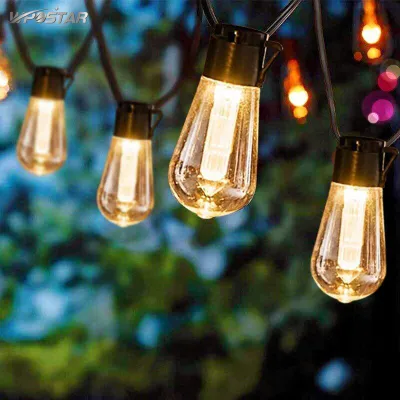
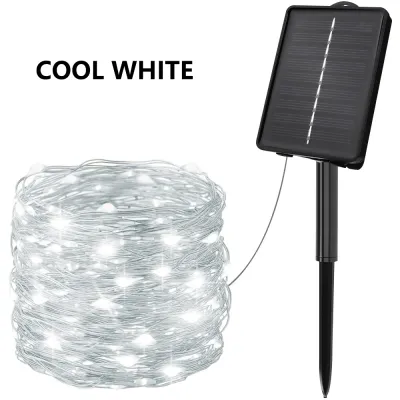
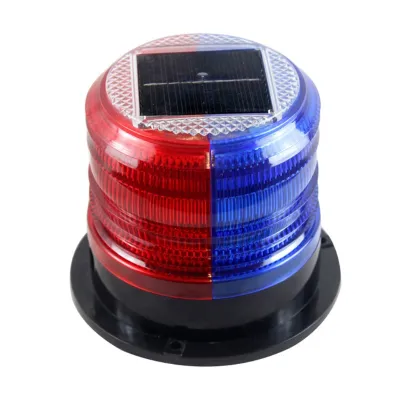
Prices are valid at publication and may change. Please refer to the product page for the latest price.
Finally, the efficiency of the LED chips and the design of the fixture’s heat dissipation system directly impact energy savings. High-quality brands utilize premium LED chips that deliver high luminous efficacy, meaning they produce more light (lumens) per watt of electricity consumed. To prevent these LEDs from overheating and losing brightness over time, reliable fixtures incorporate robust heat sinks, often made of aluminum, to draw heat away from the chips. Without proper thermal management, LEDs will degrade prematurely, reducing the overall lifespan of the solar powered light and diminishing your long-term energy savings.
Reading Product Labels: Lumens, IP Ratings, and Capacity
Understanding how to interpret product specifications is crucial when comparing different solar powered light brands. Many manufacturers advertise peak lumen ratings, which represent the maximum brightness the fixture can produce under ideal, fully charged conditions. However, this peak output often drops significantly after a few hours of operation to conserve battery power. To ensure consistent illumination, look for brands that specify sustained or nominal lumen output, which indicates the actual brightness delivered throughout the night. Additionally, consider the beam angle of the fixture; a wide beam angle of 120 degrees is ideal for illuminating broad areas like driveways, while a narrower angle of 45 degrees is better suited for focused accent lighting.

The Ingress Protection (IP) rating is a critical indicator of a fixture’s ability to withstand outdoor elements. The first digit of the IP rating measures protection against solid objects, while the second digit measures protection against liquids. For outdoor solar lights in Singapore, which must endure intense tropical downpours, a minimum rating of IP65 is required to protect against dust and low-pressure water jets from any direction. For highly exposed areas, such as open gardens or rooftops, opting for IP66 or IP67 ratings provides superior protection against heavy monsoon rains and temporary flooding, preventing water from penetrating the housing and causing electrical short circuits.
Another key specification to verify is the balance between the solar panel’s wattage and the battery’s capacity. A common issue with low-quality solar lights is an undersized solar panel that cannot generate enough electricity to fully charge the battery, or an oversized battery that never reaches full capacity. To ensure reliable nightly operation, the solar panel wattage (W) must be properly matched to the battery capacity in watt-hours (Wh). A well-balanced system should be capable of fully charging the battery within 5 to 6 hours of standard daylight, providing enough stored energy to power the LEDs through the night even after a partially cloudy day.
Selecting Materials Built for Tropical Weather
The physical materials used to construct a solar powered light determine how well it will withstand prolonged exposure to Singapore’s harsh tropical climate. Ultraviolet (UV) radiation from intense sunlight can cause low-grade plastics to become brittle, crack, and yellow over time. This degradation not only ruins the appearance of the fixture but also compromises its water resistance, leading to internal component failure. When shopping for solar lights, prioritize brands that explicitly state the use of UV-stabilized polycarbonate, high-impact ABS plastics, or marine-grade aluminum, which maintain their structural integrity and optical clarity under constant sun exposure.
Corrosion is another major concern in high-humidity environments. Standard steel or untreated iron components will quickly rust when exposed to moisture, leading to structural failure and unsightly rust stains on your walls or pathways. Reliable brands utilize corrosion-resistant metals, such as anodized aluminum or 316 stainless steel, for their housings, brackets, and mounting screws. High-grade engineering polymers are also excellent alternatives, as they are completely immune to rust and offer high durability without adding excessive weight to the fixture.
In addition to material selection, the physical design of the fixture plays a vital role in moisture management. Even with high IP ratings, temperature fluctuations between day and night can cause condensation to form inside the light housing. High-quality solar lights are designed with precision-engineered silicone gaskets, tightly sealed seams, and sometimes dedicated drainage channels or weep holes. These features allow any internal moisture to escape naturally without coming into contact with the sensitive electronic circuits, solar cells, or battery terminals, thereby preventing short circuits and extending the product’s operational life.
Evaluating Solar Light Warranties and Local Support
When investing in solar lighting for long-term energy savings, the level of customer support and warranty coverage offered by a brand is a key indicator of reliability. While a cheap solar light from an online marketplace might seem appealing, these products rarely come with localized warranties or accessible customer service. If a component fails after a few months, you are often left with no recourse but to discard the fixture. In contrast, reputable brands provide clear warranty terms, typically ranging from one to three years, which cover manufacturing defects, battery degradation, and solar panel performance.
To ensure you can easily claim a warranty if needed, verify whether the brand has an authorized local distributor or a physical service center in Singapore. Local distributors can provide immediate assistance, troubleshoot technical issues, and offer hassle-free replacements without the need for expensive and time-consuming international shipping. Furthermore, authorized local sellers are more likely to stock genuine replacement parts, such as compatible rechargeable batteries or mounting brackets, allowing you to repair a fixture rather than replacing the entire unit.
Before making a purchase, it is also beneficial to research long-term user feedback from local buyers. Look for reviews that specifically discuss how the solar powered light performs after six months or a year of continuous outdoor exposure. Pay close attention to any mentions of rapid battery capacity loss, solar panel delamination (where the protective top layer begins to peel or cloud over), or water ingress after heavy rain. Consistent positive feedback regarding long-term durability is a strong signal that a brand’s products are built to last in tropical conditions.
Safe Installation and Routine Maintenance for Peak Efficiency
Proper installation and regular maintenance are essential to maximize the energy-saving benefits and lifespan of your solar powered light. Most self-contained solar fixtures, such as path lights or small wall-mounted spotlights, are designed for straightforward DIY installation. However, safety must always be your primary concern. If you are installing hybrid solar systems that connect to your home’s main electrical grid, or high-voltage fixtures that require fixed wiring, you must isolate the power supply before beginning any work. For complex installations, work at height, or connection to the household grid, always verify the system’s voltage, wattage limits, and electrical certifications, and hire a licensed electrical worker (LEW) to ensure compliance with local electrical safety standards.
Routine maintenance is simple but crucial for keeping your solar lights operating at peak efficiency. Over time, a layer of dust, dirt, bird droppings, and organic debris can accumulate on the surface of the solar panel, blocking sunlight and reducing charging efficiency. To clean the panels, gently wipe the surface with a soft, damp microfiber cloth and plain water every few months. Avoid using abrasive scrubbing pads, harsh chemical detergents, or high-pressure water sprays, as these can scratch the glass or damage the anti-reflective coating, permanently reducing the panel’s ability to absorb light.
Finally, monitor the performance of your solar lights to identify when components need attention. If a light’s runtime decreases significantly—such as turning off after only an hour or two of darkness—it is a clear indicator that the rechargeable battery is reaching the end of its lifespan. Check the manufacturer’s instructions to see if the battery can be replaced; if the battery is user-replaceable, install a compatible high-quality replacement of the same chemistry and capacity. If the battery is permanently sealed inside the unit and cannot be replaced, the fixture should be retired and disposed of responsibly at an authorized e-waste recycling point.
Frequently Asked Questions (FAQ)
Do solar powered lights work effectively during the monsoon season?
Yes, solar powered lights can still function effectively during the monsoon season, although their nightly runtime may be reduced. Solar panels do not require direct, bright sunlight to generate electricity; they can charge using diffuse daylight on overcast or rainy days, though at a lower efficiency of about 10% to 25% of their peak capacity. To ensure reliable performance during consecutive cloudy days, choose fixtures equipped with larger battery reserves and energy-saving features, such as motion sensors or automatic dimming modes, which conserve power when no activity is detected.
How often should the rechargeable batteries be replaced?
The lifespan of the rechargeable batteries in a solar powered light depends primarily on the battery chemistry. Standard Lithium-ion batteries typically last between 2 to 3 years, or approximately 300 to 500 charge-discharge cycles, before experiencing a noticeable drop in capacity. High-quality Lithium Iron Phosphate (LiFePO4) batteries offer a much longer lifespan, often lasting between 5 to 7 years, or up to 2,000 cycles, under normal operating conditions. Always consult the manufacturer’s guidelines to determine if the battery is replaceable, as choosing fixtures with accessible battery compartments allows you to extend the life of the light without replacing the entire unit.

Community discussion
Share your experience or ask a question. Comments are reviewed before publication.