
Investing in Halloween decorations that last year after year in Singapore requires a careful look at material science. The combination of high relative humidity and warm tropical temperatures can quickly turn seasonal items into breeding grounds for mold or cause them to warp, fade, and disintegrate. To ensure your festive setup survives storage and display, you must prioritize non-porous synthetics, treated metals, and UV-stabilized polymers over untreated natural fibers and delicate paper.
Understanding Material Durability in Tropical Humidity
Singapore’s tropical climate presents unique challenges for seasonal decor. With average relative humidity levels often exceeding 80 percent, moisture in the air constantly interacts with the surfaces of your decorations. When combined with warm ambient temperatures, this environment accelerates chemical degradation and organic growth, meaning materials that perform well in dry, temperate climates can fail rapidly here.
Instead of searching for an indestructible item that does not exist, your goal should be to select decorations that are manageable and maintainable. High-quality reusable items are those designed to withstand moisture exposure without losing their structural integrity, and they should allow for easy cleaning. Always refer to the manufacturer’s care instructions to understand the limits of what a specific item can endure.
Products mentioned in this guide
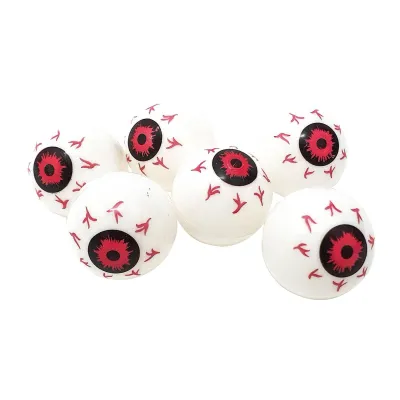
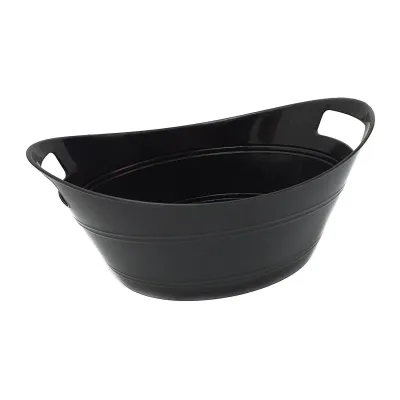
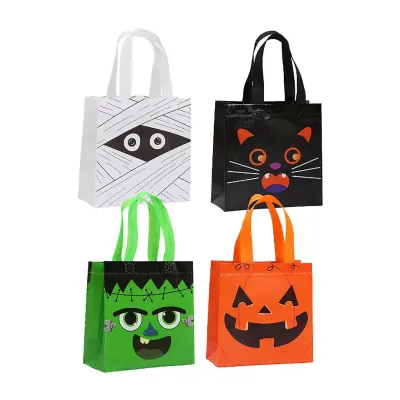
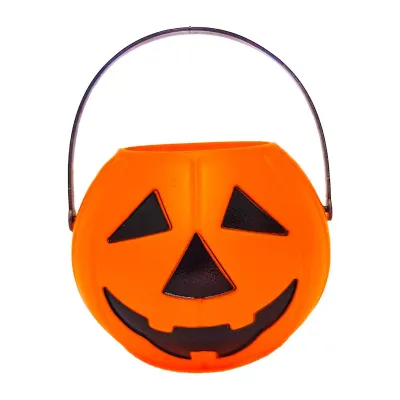
Prices are valid at publication and may change. Please refer to the product page for the latest price.
Before making any purchase, make it a habit to inspect product labels for explicit material compositions and indoor or outdoor ratings. A decoration labeled for indoor use only lacks the protective coatings required to survive even a semi-sheltered balcony or patio in Singapore. Verifying these details on the packaging ensures you do not inadvertently expose vulnerable materials to harsh environmental elements.
Evaluating Common Decoration Materials for Long-Term Reuse
To build a collection of decorations that can be unpacked year after year, you need a systematic way to evaluate potential purchases. A reliable evaluation matrix focuses on three core pillars: moisture management, structural integrity, and cleaning requirements. How a material handles water vapor, how well it maintains its shape under heat, and how easily it can be sanitized will determine its ultimate lifespan.

It is important to remember that generic material names on a product listing do not guarantee performance. For instance, not all plastics behave the same way, and not all fabrics are equally vulnerable to mildew. You must look past the broad category and examine the specific product specifications, surface finishes, and assembly quality to make an informed decision.
Plastics, Resins, and Synthetics
Synthetic polymers like polyvinyl chloride (PVC), polypropylene, and high-density polyethylene are popular choices for reusable decor due to their inherent moisture resistance. However, when displayed near windows or in outdoor spaces, these materials face intense ultraviolet (UV) exposure. To prevent premature fading and cracking, look for products that explicitly state they have UV-resistant coatings or stabilizers.
Over time, heat and humidity can cause low-grade plastics to become brittle or warp out of shape. When evaluating plastic skeletons, pumpkins, or wall hangings, check the thickness of the material and look for flexibility ratings or temperature limits provided by the manufacturer. Thicker, slightly flexible resins generally resist structural warping much better than thin, rigid vacuum-formed plastics.
Fabrics, Textiles, and Paper
Traditional Halloween textiles like cotton cheesecloth, burlap, and standard paper webs are highly susceptible to moisture absorption. In Singapore’s humid air, these untreated natural fibers quickly absorb water, leading to sagging, color bleeding, and rapid mold colonization. If you want the look of fabric, seek out synthetic blends such as polyester, nylon, or acrylic that feature explicit moisture-wicking or quick-dry specifications on their care labels.
If you do choose to display untreated natural fibers or paper decorations, keep them strictly within air-conditioned indoor spaces. These materials require a climate-controlled environment to prevent deterioration and should never be used in damp areas like kitchens, bathrooms, or outdoor entryways. Even when kept indoors, they will require meticulous inspection and dry storage solutions to survive the off-season.
Metals, Wood, and Composites
Rigid materials like metal and wood add a premium feel to Halloween displays, but they require active maintenance to survive the tropical climate. Unprotected iron or steel will rust rapidly when exposed to ambient moisture, while unsealed wood can swell, warp, and rot. When purchasing metal items, verify that they feature rust-inhibiting coatings, powder-coated finishes, or are made of naturally corrosion-resistant alloys like aluminum.
For wooden or composite decorations, check that all surfaces—including the edges and underside—are fully sealed with a waterproof varnish or paint. Before packing these items away at the end of October, inspect all joints, screws, and hardware. Any gaps in the finish or loose joints can allow moisture ingress, leading to internal rot or oxidation that compromises the item’s structural integrity.
How to Verify Material Claims Before Purchasing
When shopping on online marketplaces or in local retail stores, you will encounter various marketing terms designed to make products sound highly durable. It is crucial to differentiate between vague buzzwords like “weatherproof” or “shatterproof” and verifiable technical specifications. For example, if you are buying lighted decorations, look for specific Ingress Protection (IP) ratings, such as IP44 or higher, which indicate a certified level of resistance to moisture and dust.
Develop a pre-purchase checklist to filter out low-quality items before spending your money. Check the retailer’s return policy to ensure you can return items that arrive with visible material defects or poor finishes. Read user reviews specifically searching for feedback on how the product holds up in humid or tropical environments, and always verify that any electrical components carry recognized safety certifications suitable for Singapore’s electrical standards.
Post-Season Cleaning and Storage Strategies
The way you pack and store your decorations is just as important as the materials you choose. Before placing any item into storage, ensure it is completely clean and entirely dry. Wipe down hard surfaces to remove dust, pollen, and organic matter, which can serve as food sources for mold spores during the months of storage.
Store your decorations in airtight, breathable, or heavy-duty plastic containers rather than cardboard boxes, which absorb moisture from the air and attract pests. Place several packets of silica gel or other active desiccants inside each container to absorb any lingering ambient moisture. Always follow the manufacturer’s specific storage guidelines, especially regarding temperature limits, to prevent materials from melting or sticking together.
Finally, establish a clear boundary for when to discard an item rather than trying to salvage it. If a decoration shows signs of deep, structural mold penetration, severe warping that prevents safe assembly, or compromised electrical wiring, it is time to safely discard it. Prioritizing safety over reuse ensures your home remains healthy and free from electrical hazards or airborne mold spores.
Frequently Asked Questions (FAQ)
Can I use indoor Halloween decorations outdoors in Singapore?
You should not use indoor-rated decorations outdoors unless they carry explicit manufacturer approval for outdoor environments. Outdoor spaces in Singapore expose items to sudden downpours, high humidity, and intense sunlight, which can rapidly degrade indoor materials. Always check the product packaging for outdoor-specific ratings, UV resistance, and appropriate IP ratings for electrical components to prevent short circuits or fire hazards.
How do I remove surface mold from stored decorations?
For hard, non-porous surfaces like plastic, sealed wood, or metal, you can remove minor surface mold by gently wiping the area with a damp cloth and mild soap. Ensure the item is completely dry before returning it to storage. If mold has penetrated porous materials like untreated fabric, paper, or cardboard, these items should be discarded immediately, as the mold spores cannot be safely or completely removed from deep within the fibers.
Community discussion
Share your experience or ask a question. Comments are reviewed before publication.