
Selecting the right bedding for children in Singapore requires balancing constant tropical warmth with the cooling effects of indoor air conditioning. The most comfortable and safest blankets for kids are those made from highly breathable, lightweight materials that actively manage moisture and allow constant airflow. Rather than relying on generic age recommendations or aesthetic designs, parents can make informed decisions by evaluating the fabric weave, fiber content, and safety certifications listed on product labels. By matching these material characteristics to the specific sleeping environment of the child’s room, you can support a restful night’s sleep while minimizing the risks of overheating and skin irritation.
Comparing Common Blanket Fabrics for Tropical Weather
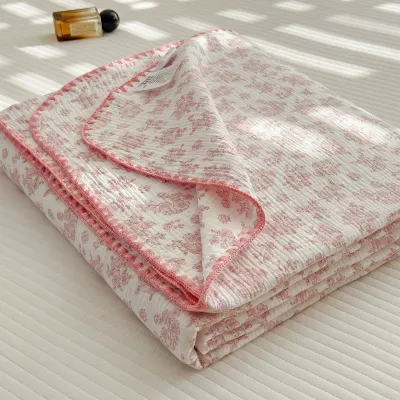
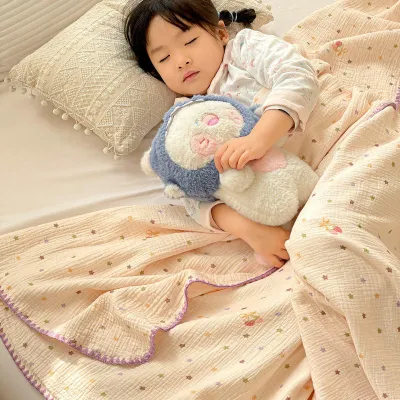
When evaluating blanket materials, the physical structure of the fabric is just as important as the raw fiber itself. Cotton remains a widely utilized option due to its natural breathability and reliable moisture absorption. However, the performance of cotton depends heavily on its weave. For instance, cotton muslin features a loose, open plain weave that maximizes ventilation, making it highly suitable for warm nights. In contrast, cotton jersey is knit rather than woven, offering a soft, stretchy feel that retains slightly more warmth while remaining breathable. When reviewing cotton product tags, look for lower thread counts or open-weave descriptions, as excessively high thread counts can create a dense fabric barrier that traps body heat.
Bamboo-derived fabrics, such as bamboo viscose or rayon, have gained popularity for their smooth texture and cool-to-the-touch feel. These semi-synthetic fibers are highly effective at pulling moisture away from the skin, which helps keep children dry during humid nights. When shopping, it is essential to verify the actual fiber content on the care label. Some products are marketed as bamboo but contain a high percentage of polyester or other synthetic blends that can diminish the natural breathability of the bamboo fibers. Checking the label ensures you know exactly what proportion of bamboo viscose is present in the fabric.
Products mentioned in this guide
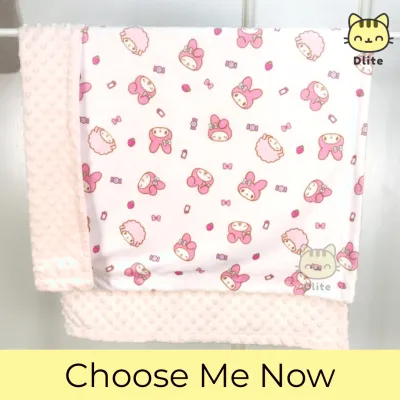
![[SG Stock] Super Soft Baby Kids Blanket Plush Minky Dot backing / Toddler Childcare Center Aircon Blanket (2 Size)](https://img.lazcdn.com/g/p/f863e1828cb9110bae5c6d7fa91c7123.jpg_400x400q80.jpg_.webp)
Prices are valid at publication and may change. Please refer to the product page for the latest price.
Microfiber and other fully synthetic polyester fabrics are widely available and often praised for their durability and quick-drying properties. Many manufacturers apply specialized finishes to microfiber to enhance its moisture-wicking capabilities. However, in non-air-conditioned rooms where humidity is high, dense microfiber weaves can trap heat and create a clammy, uncomfortable sleeping environment for children. If you choose synthetic blankets, look for lightweight, loosely knit options and monitor how well they disperse heat during warmer periods of the night.
Checking Safety Labels and Skin Sensitivity Factors
Children’s skin is generally thinner and more sensitive than adult skin, making them more susceptible to irritation from chemical residues and rough textures. To safeguard your child’s comfort, always read the care labels and product packaging for information regarding chemical treatments. Many blankets undergo processing to resist wrinkles, shrinking, or flames, but these treatments can sometimes introduce harsh chemicals that irritate sensitive skin. Opting for blankets that list minimal chemical processing or are labeled as untreated can help reduce the risk of contact dermatitis and localized skin flare-ups.

Independent textile safety certifications provide a reliable way to verify that a blanket is free from harmful levels of regulated and unregulated substances. Look for recognized standards such as the Oeko-Tex Standard 100 certification on the product packaging or sewn-in tags. This certification indicates that every component of the blanket, including the threads, buttons, and dyes, has been tested for harmful substances. Checking for these verified labels allows you to make decisions based on standardized testing rather than unverified marketing claims.
Even with certified materials, individual skin sensitivities can vary. It is important to observe your child’s skin after introducing a new blanket to their bed. Look for signs of redness, dry patches, or itching, and ask your child for feedback on how the fabric feels against their skin. If a child frequently kicks off a blanket or wakes up sweaty, it may indicate that the material is trapping too much heat or causing mild discomfort, signaling that a change in fabric or weave is necessary.
Matching Blanket Weight and Weave to Sleep Environments
The ideal blanket weight and weave depend heavily on whether your child sleeps in an air-conditioned room or a naturally ventilated space. In non-air-conditioned rooms, where Singapore’s ambient temperature and humidity remain high overnight, the primary goal is to prevent overheating. For these spaces, prioritize exceptionally lightweight, open-weave blankets such as single-layer muslin or cellular cotton. These designs allow body heat to escape freely and facilitate continuous air circulation, helping to maintain a comfortable skin temperature throughout the night.
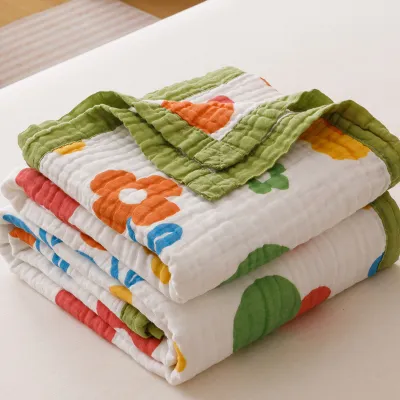
For air-conditioned bedrooms, the sleeping environment is cooler and less humid, which requires a different approach to bedding. Here, the blanket needs to balance breathability with moderate warmth retention to protect the child from the chill of the air conditioning unit. A multi-layered muslin blanket, a lightweight cotton knit, or a bamboo-blend blanket can provide the necessary insulation without creating a heavy, suffocating layer. This balance ensures the child remains comfortably warm without sweating as the air conditioner cycles through its cooling phases.
Regardless of the room temperature, safety must remain the primary consideration when selecting a blanket’s size and weight. Always check the manufacturer’s age, weight, and size recommendations printed on the packaging. For infants and very young children, loose blankets of any material can pose safety risks, including entanglement or breathing obstruction. Ensure the blanket is appropriately sized for the child’s bed and developmental stage, and avoid oversized or excessively heavy blankets that a child cannot easily move or push away on their own.
Washing and Drying Routines for Humid Conditions
Maintaining a clean sleeping environment in a humid climate requires regular washing and thorough drying to prevent the growth of mold, mildew, and bacteria. Always follow the manufacturer’s washing instructions regarding water temperature and cycle types to preserve the fabric’s structural integrity. Washing blankets at the recommended temperatures helps remove sweat, dead skin cells, and dust mites effectively. Using gentle, child-safe detergents without harsh additives can prevent skin irritation while protecting the delicate fibers of cotton and bamboo blankets from premature wear.
Complete drying is critical in Singapore’s high-humidity environment, where damp fabrics can quickly develop musty odors and mold. If you line-dry blankets, ensure they are hung in a well-ventilated area with plenty of air movement, or use a dryer on the temperature setting specified by the manufacturer. Avoid folding or storing blankets while they still retain even a small amount of moisture. Checking the seams, hems, and thicker sections of the blanket for dryness before putting them away is a simple and effective way to prevent moisture-related issues.
Over time, frequent washing and daily use will cause any blanket to wear out. Regularly inspect your child’s blankets for signs of fabric degradation, such as thinning material, loose threads, or severe pilling. Pilling can make the fabric feel rough and abrasive against sensitive skin, while loose threads can pose a physical wrapping hazard for small fingers and toes. If a blanket retains a persistent musty odor even after a thorough wash and dry, or if the fabric has lost its softness, it is time to replace the item to ensure continued comfort and safety.
Frequently Asked Questions (FAQ)
Are weighted blankets safe for young children in hot weather?
Weighted blankets are generally not recommended for infants and very young children due to safety risks, and their use in warm climates requires extra caution. Before purchasing a weighted blanket, always check the manufacturer’s packaging for strict age, weight, and developmental limits, as these products must never be used for children who lack the physical strength to remove the blanket independently. It is highly advisable to consult a pediatrician or qualified healthcare professional to determine if a weighted blanket is appropriate for your child’s specific needs. If you do use one, ensure the room is adequately cooled, and monitor your child closely for any signs of overheating, such as sweating, rapid breathing, or flushed skin.
How often should I wash my child's blanket in a humid climate?
In a humid climate, children’s blankets should generally be washed once a week, though you may need to adjust this frequency based on visible soiling, heavy sweating, or accidental spills. Regular washing helps control dust mites and allergens that thrive in warm, humid conditions. When washing, use mild, fragrance-free detergents recommended for children’s sensitive skin, and avoid using heavy fabric softeners. Fabric softeners can leave a chemical coating on the fibers, which significantly reduces the material’s natural breathability and moisture-wicking capabilities over time.

Community discussion
Share your experience or ask a question. Comments are reviewed before publication.