
Selecting the right size for a small altar in a Singapore HDB flat requires a careful balance between physical spatial constraints and traditional Feng Shui principles. In modern, compact apartments, space is at a premium, making large, bulky altars impractical. A well-proportioned small altar typically features a width of 12 to 24 inches and a shallow depth, allowing it to fit seamlessly into living rooms, foyers, or dedicated niches. By focusing on compact dimensions, homeowners can honor their cultural practices without cluttering their living spaces or disrupting the natural flow of household energy.
To achieve this balance, you must evaluate both the physical footprint of the unit and the metaphysical requirements of placement. Feng Shui rules dictate not just where an altar stands, but also how much clearance it has from surrounding structures like doors, windows, and hallways. A small altar that is too large can block the flow of energy and create physical obstacles. Conversely, an altar that is too small might look visually lost in a spacious room, diminishing its presence as a sacred focal point.
Ultimately, the goal is to find a size that respects traditional guidelines while complementing the clean, modern aesthetics of contemporary HDB interiors. This guide outlines how to measure your space, calculate necessary clearances, and select a small altar that fits your home both physically and spiritually.
Products mentioned in this guide
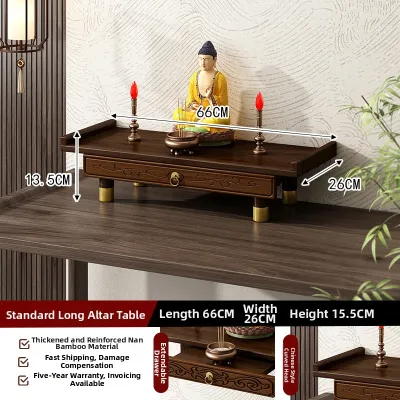
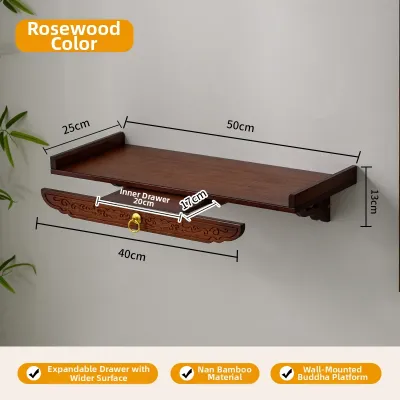
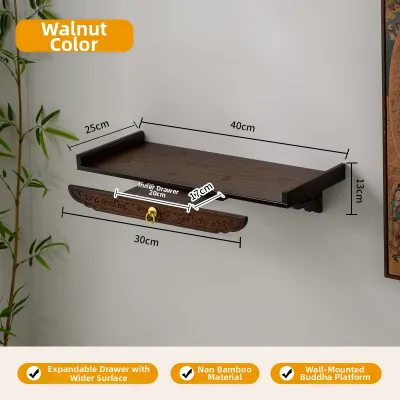
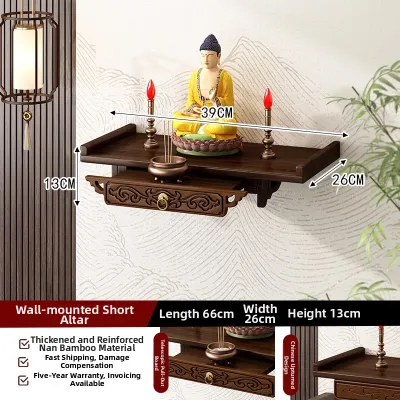
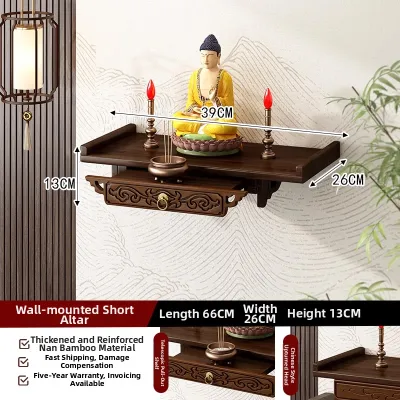
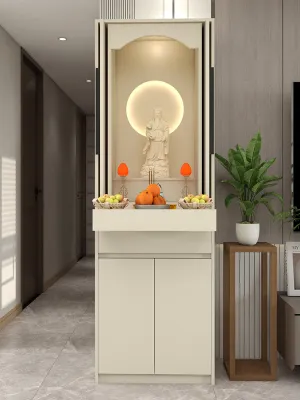
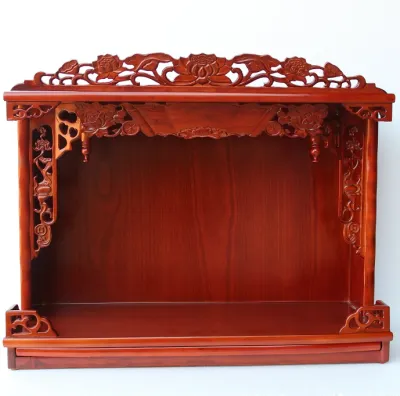
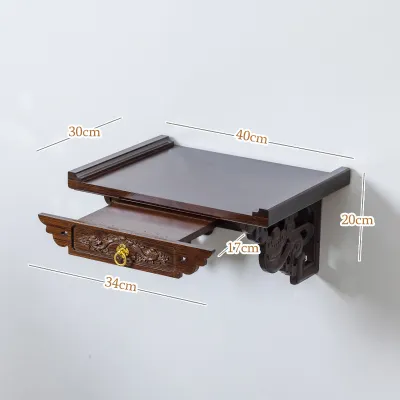
Prices are valid at publication and may change. Please refer to the product page for the latest price.
Assessing HDB Space and Altar Proportions
Before purchasing a small altar, you must accurately assess the physical dimensions of your proposed installation area. HDB flats, especially newer Built-To-Order (BTO) units, often feature open-plan living and dining areas where every square meter counts. Start by using a reliable measuring tape to record the available width, depth, and height of the specific spot you have chosen. Be sure to measure the floor area as well as the vertical wall space, particularly if you are considering a wall-mounted design.
Visual proportion is just as important as physical fit. An altar should harmonize with your existing furniture rather than dominate the room. If your living room features minimalist, low-profile furniture, a massive, ornate altar will create a jarring visual contrast. Aim for a scale where the altar occupies a balanced portion of the wall or corner, leaving enough negative space around it to let the design breathe. While decorative styles and spatial effects are matters of personal preference, maintaining a balanced visual scale is essential for a cohesive home environment.
When floor space is exceptionally limited, multi-functional furniture can serve as an excellent foundation for a small altar. For instance, a slim console table or a low sideboard can double as an altar platform, provided the surface is kept clean and dedicated solely to sacred items. This approach allows you to integrate the altar into your home decor seamlessly, utilizing vertical wall space above the furniture for hanging scrolls or small decorative elements.
Meeting Feng Shui Placement Requirements for Size and Clearance
In Feng Shui, the physical dimensions of an altar are deeply intertwined with its placement and the clearance around it. One of the most critical rules is ensuring the altar is positioned at a respectful height. Traditionally, the main deity or sacred objects should be positioned at or above eye level when you are standing. This means a small altar must either be wall-mounted at a specific height or placed on a sufficiently tall pedestal or cabinet, which adds to the overall vertical space requirement of the setup.

Clearance from surrounding household features is another vital consideration that influences the maximum size of your altar. Feng Shui guidelines advise against placing an altar directly opposite or adjacent to “unclean” areas, such as bathrooms, kitchens, or trash chutes. If your available wall space is close to a bathroom door, you must select a smaller altar that can be positioned far enough away to avoid clashing energies. A compact size gives you more flexibility to maintain these essential physical boundaries.
Furthermore, you must leave adequate breathing room, or ming tang (bright hall), directly in front of the altar. This open space is crucial for gathering positive energy and allowing family members to offer prayers comfortably. In narrow HDB corridors or compact living rooms, a deep altar can severely restrict this clear space, forcing people to squeeze past. Choosing a shallow altar depth—often 12 to 16 inches—ensures that you preserve a spacious, unobstructed area in front of the deity.
Key Checks Before Measuring and Installing
Before finalizing your purchase and drilling into your walls, there are several practical and structural checks you must perform. If you are planning to install a wall-mounted or floating small altar, you must verify the load-bearing capacity of the wall. HDB flats feature a mix of structural concrete walls and non-structural partition walls (such as drywall or lightweight concrete panels). Mounting a heavy wooden altar on a partition wall without proper reinforcement can lead to structural failure and safety hazards. Always consult a qualified professional installer if you are unsure about the load-bearing capacity of your wall or require assistance with secure mounting.
Electrical safety is another paramount consideration, especially if you plan to use modern alternatives to traditional incense, such as LED candles or electric incense burners. Ensure the altar is located near a safe, accessible electrical socket so you do not have to run long extension cords across walkways, which creates a tripping hazard. When selecting electronic accessories, always verify the voltage, wattage limits, and electrical certifications—such as the Singapore SAFETY Mark—to prevent electrical overloads or fire risks.
Additionally, you must ensure that the chosen altar size allows for safe and easy access during daily maintenance. You will need enough room to wipe down the surfaces, change water offerings, and arrange festive decorations without straining or risking knocks to the sacred items. If the altar is tucked too tightly into a corner or mounted too high, routine cleaning becomes difficult, which can lead to dust accumulation—a scenario that is unfavorable in both practical home maintenance and Feng Shui.
Common Sizing and Space-Matching Mistakes
One of the most common mistakes homeowners make is choosing an altar that is too deep for their space. While a deep altar surface allows you to display more items, it often protrudes into main walking paths, creating a physical bottleneck. This not only disrupts the daily flow of movement through your home but also violates the Feng Shui principle of maintaining clear, unobstructed pathways for energy to circulate freely.
Another frequent oversight is failing to account for the swing radius of nearby doors and cabinet panels. A small altar placed too close to an entryway, bedroom door, or even a kitchen cabinet can easily be bumped or damaged when these doors are opened. Before committing to a location, physically open every adjacent door and drawer to its maximum angle to ensure there is a safe buffer zone between the moving parts and your altar.
Finally, many homeowners select a beautifully compact altar but then proceed to overcrowd its surface with too many deities, incense holders, offering bowls, and decorative items. Overcrowding negates the benefits of choosing a small footprint, making the sacred space look cluttered and chaotic. To maintain a peaceful and respectful atmosphere, limit the items on your small altar to the essentials, ensuring each object has sufficient space around it to be appreciated.
Frequently Asked Questions (FAQ)
Can a small altar be placed on the floor in an HDB flat?
No, placing a small altar directly on the floor is highly discouraged in Feng Shui and cultural traditions. The floor is associated with low, unstable energy, foot traffic, and dust, making it an disrespectful location for sacred figures or ancestral tablets. If you do not have a tall cabinet, you should use a wall-mounted shelf or a dedicated small table to elevate the altar. Ideally, the base of the altar should be at least waist-high, ensuring that the deities are looked up to rather than looked down upon.
How do I accommodate multiple deities on a small altar?
To accommodate multiple deities on a compact altar surface, you should utilize vertical space and hierarchical arrangements. You can introduce small, tiered wooden stands or steps that allow you to place the primary deity on a higher level in the center, with secondary figures on the lower steps. This tiered approach keeps the footprint small while respecting traditional hierarchy. If space remains extremely tight, it is often better to downsize the number of physical statues or choose smaller, scaled-down figurines rather than crowding the surface.
Are wall-mounted small altars suitable for HDB walls?
Yes, wall-mounted small altars are highly suitable for HDB flats, provided you verify the wall type and use the correct mounting hardware. Concrete structural walls, which are common in HDB layouts, offer excellent support for heavy floating shelves when installed with proper masonry plugs and screws. However, if you are mounting on a drywall partition, you must locate the internal wall studs or use specialized heavy-duty hollow-wall anchors. Always consult a qualified professional installer if you are unsure about the load-bearing capacity of your wall.

Community discussion
Share your experience or ask a question. Comments are reviewed before publication.