
The comfort and longevity of your sofa depend almost entirely on what is hidden beneath its upholstery fabric. Choosing the right cushion filling is a balancing act between immediate plushness, long-term structural support, maintenance habits, and local environmental conditions. Because there is no single material that suits every household, finding the ideal option requires evaluating how different fillings perform over years of daily use.
To make the best decision, you must map your personal comfort preferences to the physical properties of each material. Memory foam offers contouring, pressure-relieving support, while latex provides a buoyant, highly breathable bounce. Polyester fibre serves as a lightweight, budget-friendly choice, whereas down alternative delivers a luxurious, cloud-like sink-in feel. Before purchasing any replacement insert, always measure your existing sofa cover dimensions precisely and verify that the filling is compatible with the cover’s structure.
Key Dimensions for Evaluating Cushion Fillings
When shopping for a cushion sofa, it is easy to mistake initial showroom softness for long-term comfort. To make a smart investment, you must look deeper at how the material behaves under continuous pressure and environmental exposure.
Products mentioned in this guide
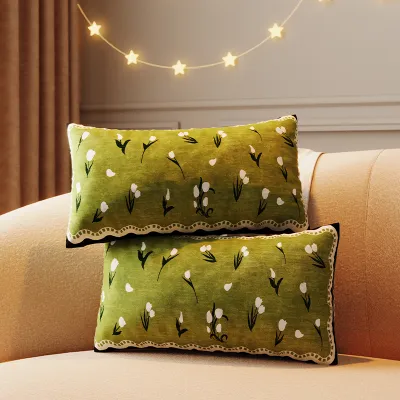
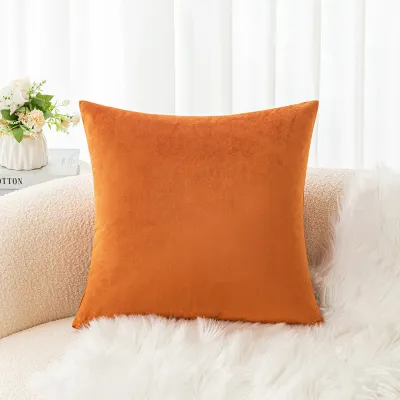

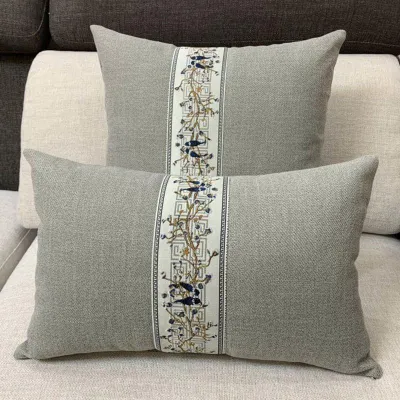
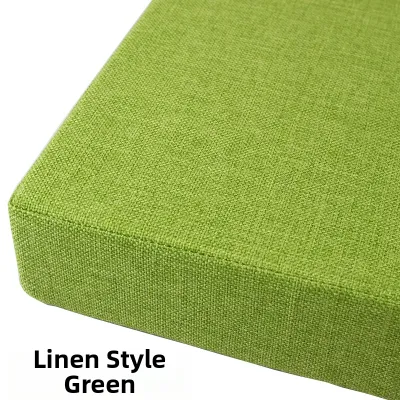
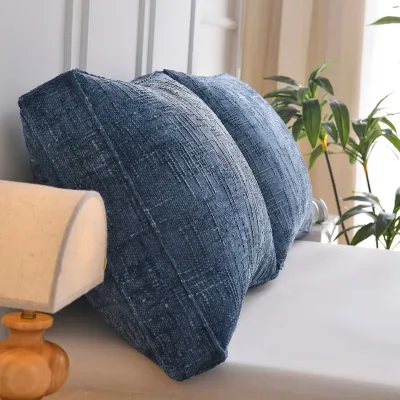
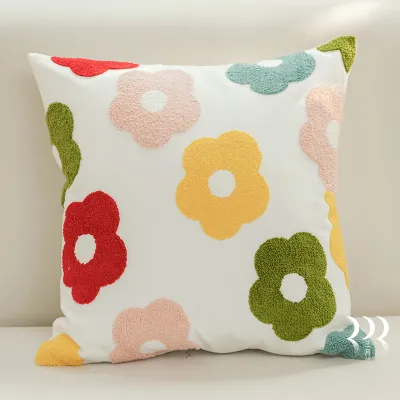
Prices are valid at publication and may change. Please refer to the product page for the latest price.
Comfort and Support
True seating comfort requires a balance between surface plushness and deep core support. Surface plushness is the immediate, soft sensation you feel when you first sit down on the cushion. Core support, on the other hand, is the resistance provided by the inner layers that prevents your body from bottoming out against the hard wooden or metal frame of the sofa. A cushion with high plushness but low core support will quickly become uncomfortable during long seating sessions.
Durability and Resilience
Durability refers to how long a material can retain its original shape and thickness under regular use. This is closely tied to resilience, which is the speed and ability of the filling to recover its shape after pressure is released. When evaluating foam fillings, checking the material density is crucial; higher-density materials contain more physical matter per cubic metre, allowing them to withstand compression for years without sagging.
Maintenance Requirements
Different fillings demand varying levels of upkeep to maintain their appearance and comfort. High-loft materials like down alternative require regular manual plumping and shaking to redistribute the fibres and restore their volume. Conversely, solid cores like high-resilience foam or latex require virtually zero daily maintenance, automatically bouncing back to their original shape the moment you stand up.
Climate Considerations
In a tropical climate like Singapore’s, heat retention and humidity resistance are critical factors for indoor comfort. Dense materials that restrict airflow can trap body heat, leading to a warm, sticky seating experience. Selecting highly breathable fillings with open-cell structures or natural ventilation channels ensures that your sofa remains cool and comfortable, even in rooms without continuous air conditioning.
Common Sofa Cushion Fillings Compared
Understanding the physical characteristics, advantages, and limitations of each primary filling material will help you narrow down the choices. The following sections detail how memory foam, latex, polyester fibre, and down alternative perform across key comfort and durability metrics.

Memory Foam
Memory foam is renowned for its slow-recovery, pressure-relieving properties. When you sit, the material reacts to your body heat and weight, slowly contouring to your exact shape to distribute pressure evenly across your hips and thighs.
- Feel and Support: Provides a highly structured, firm sit with a distinct contouring sensation that cradles the body.
- Heat Retention: Standard memory foam tends to trap body heat; look for open-cell structures or gel-infused variants to improve airflow.
- Cover and Environment: Requires a tightly fitted inner cover to prevent the foam from shifting, and can feel noticeably stiffer in highly air-conditioned rooms before warming up.
Latex
Latex is a highly resilient, elastic material that offers an immediate, springy response to movement. It is available in both natural varieties harvested from rubber trees and synthetic alternatives.
- Feel and Support: Delivers a buoyant, quick-recovery feel that supports the body instantly without the deep "stuck" sensation of memory foam.
- Breathability and Hygiene: Features natural open-cell structures that allow excellent air circulation, while being naturally resistant to dust mites and mould.
- Material Verification: Check product labels carefully to distinguish between 100% natural latex, synthetic latex, and blended options, as this affects both price and long-term durability.
Polyester Fibre
Polyester fibre, often referred to as poly-fill, consists of synthetic fibres blown or layered together. It is a highly common, cost-effective option used widely in budget-friendly furniture.
- Feel and Support: Offers a lightweight, medium-firm feel that mimics the initial loft of natural down at a fraction of the cost.
- Durability Limits: Lower-density polyester fibres tend to compress and flatten relatively quickly under daily use, which can lead to clumping and a loss of support.
- Construction Check: To prevent the filling from shifting and forming uncomfortable lumps, ensure the cushion cover features internal channelled or baffle-box stitching.
Down Alternative
Down alternative is designed to replicate the luxurious, ultra-soft feel of natural goose feathers using extremely fine synthetic microfibres. It is highly popular for casual, lounge-style living spaces.
- Feel and Support: Provides a plush, cloud-like, sink-in comfort that is ideal for deep-seated sofas and relaxed lounging.
- Upkeep Needs: While it is hypoallergenic and does not clump as severely as real feathers, it still requires occasional manual plumping to restore its loft.
- Structural Use: Because it offers minimal structural support on its own, it is best utilized for back cushions or as a soft outer wrap over a supportive foam core.
Decision Framework: Matching Filling to Your Sofa and Lifestyle
To finalize your choice, you must match the physical properties of these fillings with your household’s daily habits, comfort preferences, and furniture design.
- Choose Memory Foam if: You require firm, orthopaedic support to alleviate lower back discomfort, prefer a highly structured sitting posture, and do not mind a slightly warmer seating surface.
- Choose Latex if: You want a highly responsive, bouncy feel, excellent breathability for warm rooms, and long-term shape retention with minimal daily maintenance.
- Choose Polyester Fibre if: You are looking for an affordable, lightweight option for occasional-use seating, guest rooms, or decorative accent cushions that do not see heavy daily traffic.
- Choose Down Alternative if: Your primary goal is a plush, luxurious, sink-in lounging experience, particularly for back support cushions or casual family room sofas.
Before making a purchase, verify the structural constraints of your furniture. Check if your sofa features fixed, non-removable covers that might prevent you from swapping out the inserts. Additionally, consider the weight limits of your sofa frame, as dense latex or heavy memory foam cores can add significant weight to the overall furniture piece.
Maintaining Your Sofa Cushions for Longevity
Regardless of the material you choose, proper care and maintenance will significantly extend the lifespan of your cushion sofa inserts and keep them looking pristine.
- Rotate and Flip Regularly: For reversible cushions, rotate them left-to-right and flip them over weekly. This ensures even wear and prevents localized sagging in high-use spots.
- Check Care Labels Before Cleaning: Always inspect the manufacturer's care instructions before attempting to wash or spot-clean any cushion filling. Water can permanently damage and degrade memory foam and latex cores, causing them to crumble.
- Use Protective Inner Covers: Shield the main filling from dust, sweat, accidental spills, and friction against the outer upholstery fabric by using a breathable, water-resistant inner cover.
- Know When to Seek Professional Help: If the cushion core shows severe, permanent sagging, or if the internal foam has completely disintegrated, stop and consult the sofa manufacturer or a professional upholsterer to discuss structural replacement options.
Frequently Asked Questions (FAQ)
Can I mix different fillings in the same sofa?
Yes, mixing different fillings is a highly effective way to achieve both comfort and support. A common and practical configuration is using a supportive, high-density foam core for the seat cushions to prevent bottoming out, while using soft down alternative or polyester fibre filling for the back cushions to provide a plush, relaxing feel. When mixing materials, ensure that the visual loft of the back cushions matches the seat cushions so the sofa maintains a balanced, cohesive appearance. Always measure the inner dimensions of your cushion covers to ensure they can comfortably accommodate the specific thickness of the mixed fillings without straining the zippers.
How do I know when it is time to replace my sofa cushion inserts?
There are several clear visual and physical cues that indicate a cushion filling has lost its functional integrity. Visually, look for permanent creases, deep indentations, or a flattened appearance that does not recover even after fluffing or flipping the cushion. Physically, if you can feel the hard wooden or metal frame of the sofa beneath you when sitting, or if you begin to experience lower back discomfort after sitting for short periods, the filling has lost its supportive properties. The timing for replacement depends heavily on the material’s density and how frequently the sofa is used; high-density foam and latex typically last several years, while lower-grade polyester fibres may need replacing much sooner.
Community discussion
Share your experience or ask a question. Comments are reviewed before publication.