
Selecting solar LED strip lights for an outdoor space in Singapore requires a careful balance between aesthetic goals and strict environmental protection. To ensure your outdoor lighting survives the region’s intense tropical climate, you must prioritize an IP67 or IP68 waterproof rating, choose UV-stabilized silicone over cheap epoxy coatings, and select brands with transparent warranty terms. Focusing solely on brightness or color options often leads to premature failure when the heavy monsoon rains arrive.
By understanding how Singapore’s high humidity and sudden downpours affect outdoor electronics, you can make an informed investment. This guide breaks down the essential technical specifications, material choices, and installation practices needed to keep your garden illuminated safely and reliably throughout the year.
Understanding Singapore's Climate Impact on Solar Garden Lights
Singapore’s geographical location brings a tropical rainforest climate characterized by uniform temperatures, high humidity, and abundant rainfall. The region experiences two major monsoon seasons—the Northeast Monsoon from December to March and the Southwest Monsoon from June to September—alongside frequent inter-monsoon thunderstorms. For outdoor solar lighting, this means constant exposure to heavy, driving rain that can easily penetrate weak seals and cause immediate electrical failure.
Products mentioned in this guide
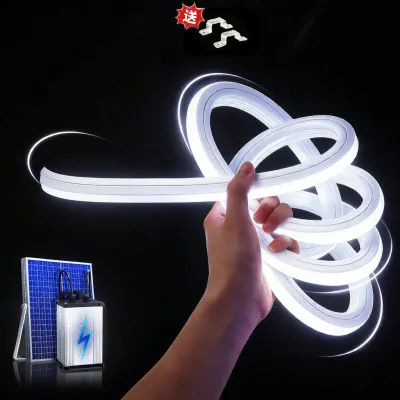
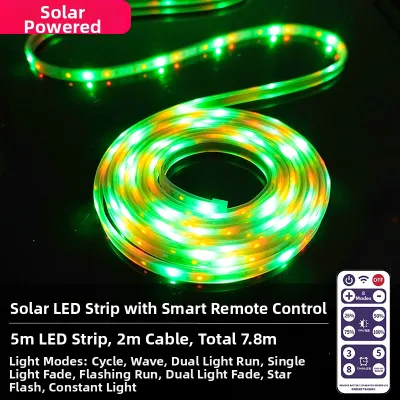
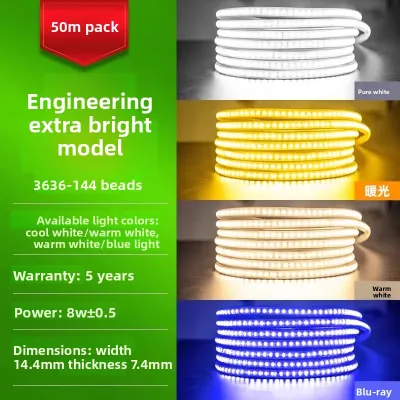
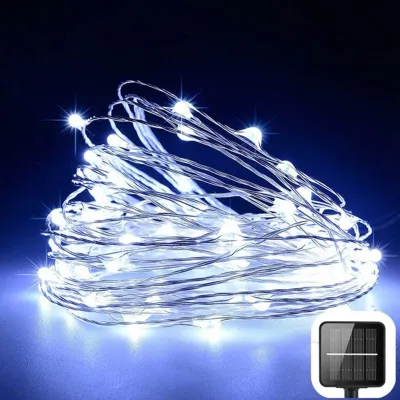
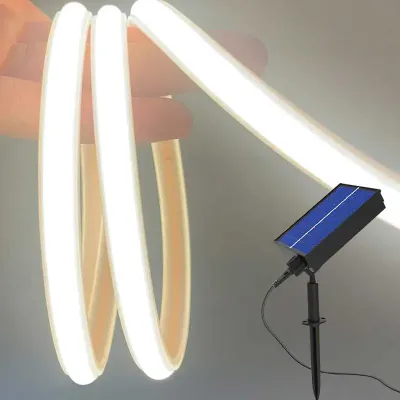
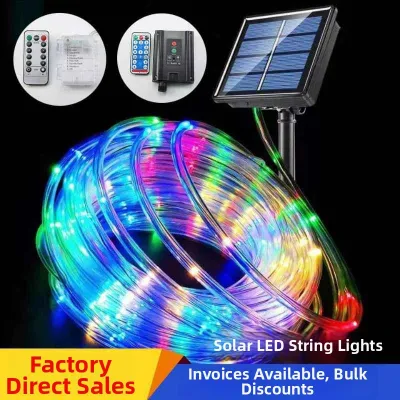
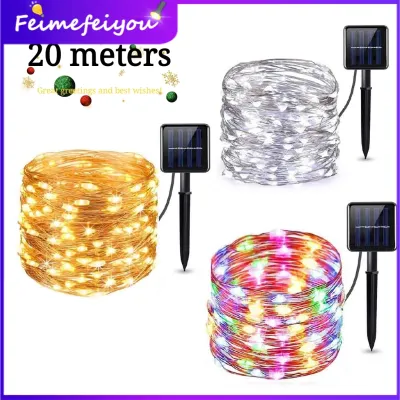
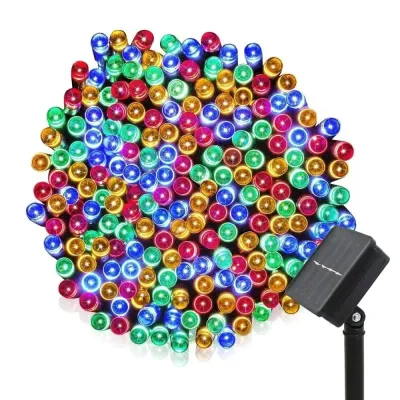
Prices are valid at publication and may change. Please refer to the product page for the latest price.
Beyond the volume of rainfall, Singapore’s relative humidity consistently hovers between 60% and 100%. This persistent moisture in the air accelerates the degradation of low-quality adhesives and seals, allowing water vapor to slowly seep into the light strips and solar panel housings. Once inside, this moisture causes internal condensation, leading to short circuits, rapid battery degradation, and corrosion of the electrical contacts.
Additionally, the intense year-round ultraviolet (UV) radiation in Singapore poses a silent threat to outdoor plastics. Standard polymers and cheap epoxy resins degrade rapidly under direct sunlight, becoming brittle, cracking, and yellowing within a few months. When these protective outer layers crack, they create direct pathways for rainwater to reach the delicate LED chips. To prevent your garden lights from failing prematurely, you must prioritize durable, weather-resistant materials over decorative features.
Decoding Waterproof IP Ratings for Heavy Rain and Humidity
The primary indicator of an outdoor light’s ability to withstand environmental elements is its Ingress Protection (IP) rating. This standardized classification system, defined by international electrical standards, uses a two-digit code to specify the level of protection a device offers against solids and liquids. Understanding how to read these numbers is crucial when comparing different solar LED strip lights.

The first digit of the IP rating ranges from 0 to 6 and measures protection against solid particles, such as dust, dirt, and accidental contact. A rating of 6 indicates complete protection against dust ingress, which is highly desirable for outdoor installations where windblown soil and debris are common. The second digit ranges from 0 to 9 and measures protection against liquid ingress, representing the critical decision factor for any lighting fixture exposed to Singapore’s open skies.
IP65 vs. IP67 vs. IP68: Matching Ratings to Garden Zones
Different areas of your garden present varying levels of exposure to rain and moisture, meaning you do not always need the highest possible rating for every single installation. Matching the IP rating to the specific zone of your outdoor space helps optimize both performance and cost.
- IP65: Semi-Sheltered Patios and Under Eaves
Lights rated at IP65 are designed to resist low-pressure water jets from any angle, along with dust and light splashes. This rating is suitable for semi-sheltered outdoor zones, such as covered patios, balconies, or mounted deep under roof eaves. In these locations, the strip lights are protected from direct, heavy downpours but must still withstand high ambient humidity and occasional wind-driven spray. - IP67: Exposed Pathways and Garden Borders
An IP67 rating signifies that the light strip can withstand temporary immersion in water up to one meter deep for up to 30 minutes. This level of protection is highly recommended for fully exposed garden areas in Singapore, such as pathway borders, lawn edges, and low-lying garden beds. During heavy monsoon downpours, water can pool rapidly on the ground before draining away; an IP67 rating ensures that temporary submersion or intense splashing will not damage the internal circuitry. - IP68: Water Features, Ponds, and Flood-Prone Zones
For installations that will be continuously submerged or placed in areas prone to severe, prolonged water accumulation, an IP68 rating is mandatory. IP68 fixtures are hermetically sealed to withstand continuous submersion in water under conditions specified by the manufacturer. If you plan to install solar LED strip lights along the inner edge of a pond, near a water fountain, or in a low drainage zone that floods during heavy storms, only IP68-rated products should be considered.
Identifying Genuine Waterproofing on Product Labels
When shopping for solar LED strip lights on online marketplaces or in local retail stores, it is common to encounter vague marketing claims such as “100% waterproof,” “monsoon-proof,” or “all-weather resistant.” These terms are not regulated and offer no guarantee of actual performance. You should always look for the explicit “IP65,” “IP67,” or “IP68” alphanumeric code printed on the product packaging, user manual, or official manufacturer specification sheet.
Furthermore, you must verify which components of the solar lighting system the IP rating actually covers. A solar LED strip light system consists of three main parts: the flexible LED strip, the external connectors, and the solar panel unit (which houses the battery and charge controller). In cheaper products, manufacturers may advertise an IP67 rating that only applies to the LED strip itself, while the solar panel or the connecting joints carry a much lower rating. Ensure that the entire assembly—including the connectors and the solar panel housing—is certified to withstand the moisture levels of your chosen installation zone.
Essential Build Materials to Resist UV and Moisture Damage
While a high IP rating confirms a product’s initial resistance to water entry, the physical materials used in construction determine how long that protection will last. Singapore’s intense UV exposure and high humidity can quickly degrade low-quality materials, rendering even a certified waterproof rating useless over time.
- Protective Encasement Materials: The clear protective sleeve surrounding the LED strip is typically made of either epoxy resin or silicone. Cheap epoxy resins degrade rapidly under tropical sunlight, yellowing within months and becoming brittle. This yellowing reduces light output and alters the perceived color temperature, while the brittle plastic cracks easily, allowing water to reach the LEDs. In contrast, high-quality solar LED strips use UV-resistant silicone or polyurethane encasements, which remain flexible, clear, and structurally intact despite years of intense sun and heavy rain.
- Corrosion-Resistant Connectors: The connection points between the light strip and the solar panel are common failure areas. High humidity accelerates electrochemical corrosion, which can disrupt the electrical connection and ruin the system. Before purchasing, verify that the connectors feature robust seals, screw-lock mechanisms, and corrosion-resistant contacts, such as gold-plated or high-grade copper pins.
- Solar Panel and Housing Construction: The solar panel housing must withstand constant exposure to the elements. Look for solar panels constructed with tempered glass covers rather than cheap PET plastic films, as PET panels tend to cloud, warp, and delaminate under intense heat and moisture, drastically reducing charging efficiency. The housing itself should be made of high-impact, UV-stabilized ABS plastic or aluminum to prevent warping and seal failure. Always check the manufacturer's product label or official website to verify these material specifications.
How to Evaluate Brand Reliability and Warranty Coverage
Selecting a reliable brand is essential for ensuring long-term performance and securing support if issues arise. Because outdoor lighting is subjected to harsh conditions, you should evaluate brands based on their engineering transparency, certification compliance, and after-sales service.
When reviewing product specifications, do not limit your check to the IP rating alone. You should also verify the system’s operating voltage, base or interface type, wattage limits, and physical dimensions to ensure they match your intended installation environment. If the solar strip light features adjustable brightness, confirm the dimming method used (such as manual remote or mobile application) and check for recognized electrical certifications. A category name alone does not prove compatibility or safety; verifying these specific technical parameters on the manufacturer’s datasheet is essential before purchase.
Keep in mind that decorative style, perceived color temperature (such as warm white versus cool white), and spatial lighting effects are conditional personal preferences rather than universal indicators of product performance or durability. While a warm glow may create a cozy garden atmosphere, it does not reflect the physical build quality or weather resistance of the light strip itself.
Additionally, check the warranty terms and retail channels:
- Warranty Scope and Duration: A reliable manufacturer should offer a clear warranty of at least one to two years. When reviewing the warranty terms, check if it explicitly covers moisture ingress, battery degradation, and UV damage under normal outdoor use. Avoid brands that offer vague guarantees or exclude water damage entirely, as this often indicates a lack of confidence in their waterproofing technology.
- Electrical and Safety Certifications: Before purchasing, verify that the product has obtained recognized international safety and quality certifications, such as CE, RoHS, or FCC marks. These certifications indicate that the product has undergone standardized testing for electrical safety and environmental compliance.
- Review Verification and Retail Channels: When browsing online marketplaces, look past the initial star rating and read detailed customer reviews. Focus on feedback from buyers who have used the lights for six months or longer, paying close attention to comments regarding how the lights performed during Singapore's wettest monsoon months. To ensure your warranty is valid and that you can easily access customer support, purchase directly from official brand stores or authorized regional distributors rather than third-party parallel importers.
Monsoon-Season Installation and Maintenance Best Practices
Proper installation and routine maintenance are vital to extending the lifespan of your solar LED strip lights, especially during Singapore’s intense wet seasons. Taking a few precautionary steps during setup can prevent common weather-related failures.
- Smart Positioning and Angling: When mounting the solar panel, ensure it is angled at approximately 15 to 30 degrees rather than laid completely flat. This tilt allows rainwater to run off naturally, washing away dust, pollen, and fallen leaves that would otherwise block sunlight and reduce charging efficiency. Additionally, mount the LED strip lights slightly off the ground or along vertical surfaces where water cannot pool or splash continuously.
- Secure Connections and Power Isolation: Ensure all screw-on connectors are tightened firmly to compress the internal rubber O-rings, creating a tight seal against moisture. If your installation plan involves fixed wiring, mounting lights in highly damp areas, working at height, or managing suspended loads, safety must be your top priority. Always practice strict power-isolation before beginning any work, closely follow the manufacturer's installation instructions, and recognize when a task exceeds your DIY capabilities. For complex wiring or high-altitude setups, hire a qualified professional to ensure the installation complies with local safety standards.
- Routine Maintenance Steps: To maintain optimal charging performance, periodically wipe the solar panel cover with a soft, damp microfiber cloth to remove dirt and rain residue. Avoid using abrasive cleaners or harsh chemicals that could scratch or damage the protective surface. Perform regular visual inspections of the light strip to check for signs of silicone cracking, adhesive peeling, or moisture accumulation inside the casing.
- Extreme Weather Precautions: While high-quality IP67 and IP68 lights are designed to handle heavy rain, extreme weather events can bring high winds and falling debris that pose physical risks. Consult your product's user manual regarding temporary relocation protocols. If a severe weather warning is issued, it is wise to temporarily disconnect and store portable solar panels and controllers indoors to protect them from physical impact.
Frequently Asked Questions (FAQ)
Can I leave solar LED strip lights out during a thunderstorm?
Yes, solar LED strip lights with certified IP67 or IP68 ratings are engineered to withstand heavy tropical downpours and thunderstorms safely. However, while the electrical components are protected against water, they remain vulnerable to physical damage from high winds, flying debris, or falling tree branches. Always refer to the manufacturer’s specific guidelines regarding extreme weather precautions, and consider securing or temporarily storing loose components if severe storms are anticipated.
Does high humidity affect the solar battery lifespan?
High ambient humidity does not directly drain or damage a lithium-ion solar battery, but it can accelerate wear if the housing seals fail. If moisture vapor penetrates a low-quality or degraded casing, it can cause internal condensation, leading to terminal corrosion, short circuits, and rapid battery failure. Choosing a high-quality unit with robust seals and verifying the integrity of the housing during routine maintenance are the best ways to protect the battery from humidity-related damage.
Community discussion
Share your experience or ask a question. Comments are reviewed before publication.