
Choosing the right solar outdoor motion sensor lights in Singapore depends heavily on your housing type, as HDB corridors, condominium gateways, and landed estates present vastly different spatial, regulatory, and environmental conditions. While a landed property might require high-lumen floodlights to cover expansive driveways, an HDB corridor demands compact, low-glare fixtures that respect communal boundaries and strict town council regulations. By matching the technical specifications of solar panels, batteries, and sensors to your specific property layout, you can establish an efficient, automated lighting setup that enhances security without increasing your monthly electricity bill.
Key Selection Criteria for Solar Motion Sensor Lights
To select a reliable fixture, you must first understand the core technical metrics that govern solar light performance. When purchasing, always verify the fixture’s dimensions, dimming method, and electrical certification to ensure compatibility with your installation environment.
Lumens measure the total amount of visible light emitted by a source. For narrow pathways or HDB corridors, a lower lumen output (typically around 100 to 200 lumens) is often sufficient to guide footsteps without causing discomfort. Conversely, open driveways and landed perimeters benefit from high-output floodlights delivering 500 to over 1,000 lumens. The beam angle determines the spread of light; a wide beam angle (120 degrees or more) disperses light across a broad area, whereas a narrow beam angle (under 90 degrees) concentrates light on a specific path or doorway.
Products mentioned in this guide
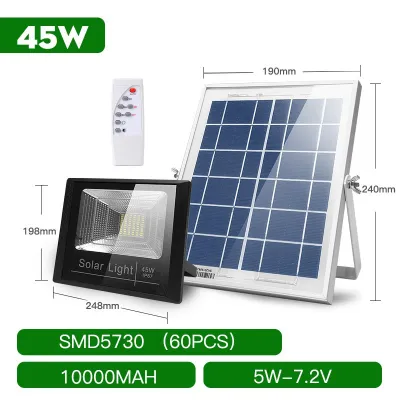
Prices are valid at publication and may change. Please refer to the product page for the latest price.
Solar fixtures rely on rechargeable batteries to store energy gathered during the day. Look for lithium-ion or lithium iron phosphate (LiFePO4) batteries, which offer better longevity and thermal stability in tropical climates. The solar panel itself is typically monocrystalline or polycrystalline. Monocrystalline panels feature higher energy conversion efficiency, making them the preferred choice for areas with limited direct sunlight or shorter exposure windows. Check the manufacturer’s specifications for the battery capacity (measured in milliampere-hours, or mAh) to ensure it can sustain the light through consecutive overcast days.
Passive Infrared (PIR) sensors detect motion by measuring changes in infrared radiation (heat) within their field of view. A standard sensor covers a detection angle of 120 to 180 degrees and a range of 3 to 8 meters. For expansive properties, look for adjustable sensors that allow you to modify both the sensitivity and the detection zone. This adjustability is crucial for preventing false triggers from wind-blown foliage or distant pedestrian traffic.
Singapore’s tropical climate subjects outdoor fixtures to intense UV exposure, high humidity, and heavy downpours. The Ingress Protection (IP) rating indicates how well the fixture resists dust and water. A minimum rating of IP65 is recommended for fully exposed outdoor areas, ensuring protection against dust ingress and low-pressure water jets from any direction. For sheltered corridors, an IP44 rating may suffice, but higher protection always improves long-term durability. Look for UV-stabilized ABS plastic or rust-resistant aluminum housings to prevent premature degradation.
Matching Light Types to Your Housing Scenario
Different residential layouts in Singapore demand distinct lighting strategies. Selecting the right form factor ensures your solar lights perform effectively while remaining compliant with local property rules and aesthetic standards.

HDB Common Corridors and Walkways
Public housing corridors are shared spaces governed by strict Town Council guidelines. When installing solar lights in these areas, your primary focus must be on compact, low-profile designs that do not obstruct the minimum clearance required for escape routes. Avoid bulky fixtures that protrude significantly from the wall, as they can become physical hazards during emergencies or daily movement.
Light pollution and neighborly courtesy are equally important. Select fixtures with downward-facing beams or integrated shields that direct light precisely onto the floor rather than outward. This prevents glare from shining directly into neighboring windows or doors, maintaining a harmonious living environment. While warm white light (around 3000K) is a common preference for creating a softer spatial effect, color temperature remains a personal choice rather than a performance metric.
Before undertaking any installation, verify your local Town Council’s specific guidelines regarding drilling into common area walls or ceilings. In many cases, drilling into structural concrete or common property is strictly prohibited. If drilling is not allowed, consider non-destructive mounting alternatives, such as heavy-duty outdoor mounting tapes or magnetic brackets, provided the fixture is lightweight and poses no risk of falling.
Condo Gateways and Shared Entrances
Condominium developments emphasize architectural cohesion and shared aesthetic standards. Any exterior lighting fixture must blend seamlessly with the existing facade, color scheme, and landscaping. Look for solar fixtures with modern, minimalist designs and finishes—such as matte black, charcoal, or brushed aluminum—that complement contemporary condominium architecture, though these decorative styles are conditional preferences rather than universal performance facts.
In shared entrances and gateways, motion sensors must be carefully calibrated to avoid constant, unnecessary activation. High-traffic areas can quickly drain a solar light’s battery if the sensor triggers every time a car passes on the main road or a resident walks by a distant pathway. Position the sensor downward and adjust its sensitivity so it only activates when someone approaches the immediate entrance zone.
Always consult your Management Corporation Strata Title (MCST) by-laws before purchasing or installing any exterior fixtures. Many estates have strict rules regarding the modification of common property or any visible changes to the building’s exterior. You may need to submit a formal request detailing the fixture’s dimensions, appearance, and installation method to ensure compliance with estate guidelines.
Landed Property Perimeters and Driveways
Landed homes offer the greatest flexibility for solar lighting but also require the highest coverage to secure expansive perimeters, gates, and driveways. High-lumen solar floodlights with multi-directional LED panels are ideal for these scenarios. These fixtures allow you to angle individual light heads to illuminate both the driveway floor and the main entrance gate simultaneously.
To eliminate security blind spots along long boundary walls, plan a multi-fixture layout. Spacing several medium-output solar wall lights at regular intervals along the perimeter fence ensures continuous coverage without relying on a single, overly bright light source. Ensure the detection zones of adjacent sensors overlap slightly to guarantee seamless activation as someone walks along the perimeter.
Evaluate whether wall-mounted or pole-mounted fixtures suit your property layout. Wall-mounted lights are excellent for garage doors and side pathways, while pole-mounted solar lights can be positioned directly in garden beds or along driveways to capture maximum sunlight. Ensure that any pole-mounted options are securely anchored in concrete footings to withstand strong winds during monsoon seasons.
Installation Constraints and Safety Checks
Successful solar light installation requires careful planning of both solar exposure and structural safety. Because solar lights rely entirely on sunlight to charge, placing the solar panel in a shaded area will drastically reduce performance.
Assess the intended installation site throughout the day to identify potential shading from roof eaves, overhanging trees, or neighboring buildings. In Singapore, the sun’s path shifts between the north and south throughout the year, so a spot that receives direct sunlight in June might be completely shaded in December. If the ideal light placement is in a shaded area, look for solar fixtures with detachable solar panels connected by a long cable, allowing you to mount the panel on a sunny rooftop or eave while placing the light fixture under a porch or corridor.
Verify the compatibility of your wall materials before mounting any hardware. Concrete and brick walls require masonry drill bits and wall plugs to secure screws, while timber fences or metal gates may require specialized self-tapping screws. Ensure the mounting surface can support the weight of the fixture, especially for larger solar floodlights with heavy integrated batteries.
For installations involving fixed wiring, damp areas, work at height, or suspended loads, always prioritize safety. Ensure complete power isolation at the main distribution board, follow the manufacturer’s installation instructions precisely, and consult a qualified professional if the task exceeds your technical expertise. If you are installing a hybrid solar-wired system, verify the voltage, base interface, and wattage limits before connecting to any power source.
Maintenance and Troubleshooting for Tropical Climates
Singapore’s hot, humid, and rainy climate can accelerate the wear and tear on outdoor electronic fixtures. Regular maintenance is essential to keep your solar motion sensor lights operating at peak efficiency.
Accumulated dust, pollen, bird droppings, and atmospheric grime can form a film over the solar panel, blocking sunlight and reducing charging efficiency. Wipe the solar panel surface with a soft, damp microfiber cloth at least once every few months. Avoid using abrasive sponges or harsh chemical cleaners, which can scratch or degrade the protective tempered glass or plastic coating on the panel.
Periodically inspect the fixture’s housing and seals for signs of moisture ingress. High humidity and heavy rain can cause condensation to build up inside the lens, or compromise the rubber gaskets sealing the battery compartment. If you notice internal moisture, turn off the fixture, open the compartment if permitted by the manufacturer, dry it thoroughly, and check that the seals are properly seated before reassembling. Replace any cracked or degraded seals immediately to prevent permanent water damage to the internal circuitry.
Rechargeable batteries naturally degrade over time, typically lasting between two to five years depending on usage and quality. If your solar light only stays illuminated for a short period or fails to turn on despite receiving ample sunlight during the day, the battery may need replacement. Check the manufacturer’s guidelines to see if the battery is user-replaceable. Always replace old batteries with the exact chemistry, voltage, and capacity specified by the manufacturer, and dispose of the old battery responsibly at an e-waste recycling point.
Frequently Asked Questions (FAQ)
Do solar motion sensor lights work during heavy rain and overcast days?
Yes, solar motion sensor lights can function during rainy and overcast days, though their charging efficiency will be significantly reduced. Modern solar panels can still generate electricity from indirect sunlight, but the battery may not reach a full charge. To ensure consistent operation during prolonged wet weather, choose fixtures with larger battery capacities and energy-saving modes, such as a dim standby mode that only switches to full brightness when motion is detected. Check the manufacturer’s specifications for cloudy-day autonomy to understand how many nights the light can operate without a full charge.
Can I install solar lights on HDB common corridor ceilings?
Installing fixtures on HDB common corridor ceilings is generally restricted and requires careful consideration. You must consult your local Town Council guidelines before proceeding, as unauthorized installations on common property can lead to fines or requests for removal. If permitted, ensure the fixture is lightweight, securely mounted to prevent falling hazards, and positioned so that it does not cause light trespass into neighboring units or obstruct the path of residents and emergency services.
How do I prevent false motion triggers from pets or passing cars?
To minimize false triggers, adjust the physical positioning and sensitivity settings of your PIR sensor. Angle the sensor downward so its field of view is focused on your immediate walkway or doorway rather than the street or neighboring yards. Many fixtures feature a sensitivity dial or shutter slides that allow you to narrow the detection zone. If your light lacks electronic adjustments, you can apply small pieces of opaque tape to the sides of the sensor lens to physically block detection from specific directions, such as a busy road or a neighbor’s driveway.
Community discussion
Share your experience or ask a question. Comments are reviewed before publication.