
Selecting the ideal bathroom mirror light for a Singapore home requires balancing visual clarity with robust engineering. Singapore’s tropical climate, characterized by relative humidity levels that routinely exceed 80%, creates a challenging environment for indoor electrical fixtures. When hot showers generate heavy steam in enclosed bathroom spaces, standard light fixtures quickly succumb to moisture damage, leading to short circuits, rusty housings, and flickering bulbs. To avoid these issues, your choice must prioritize ingress protection, corrosion-resistant materials, and proper spatial placement.
Why Humidity Dictates Your Bathroom Lighting Choices
In Singapore, the combination of high ambient temperatures and enclosed bathroom layouts creates a unique microclimate. When you take a hot shower, the rapid evaporation of water fills the room with warm, moisture-saturated air. As this steam encounters cooler surfaces—such as glass mirrors, tile walls, and metal light fixtures—it undergoes condensation, transforming back into liquid water droplets. This moisture does not remain on the surface; through capillary action, it can seep into the smallest gaps of a light fixture’s housing.
Over time, constant exposure to high humidity accelerates the degradation of untreated metals and sensitive electronic components. Standard steel, iron, or low-grade zinc alloys undergo rapid oxidation when exposed to moisture, leading to unsightly rust and structural weakening. Inside the fixture, moisture can corrode copper wiring, degrade solder joints on circuit boards, and cause premature failure of LED drivers.
Products mentioned in this guide
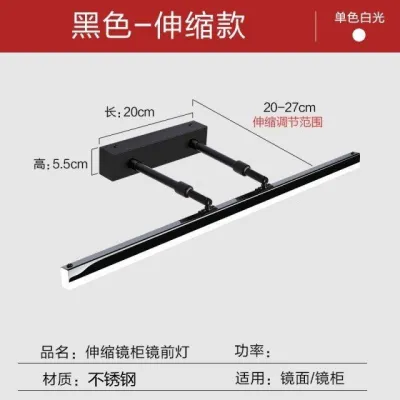
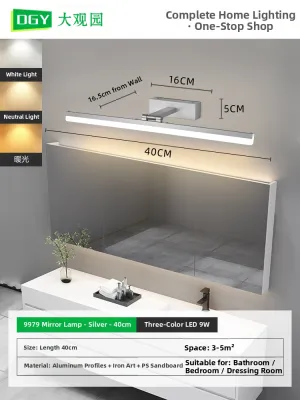
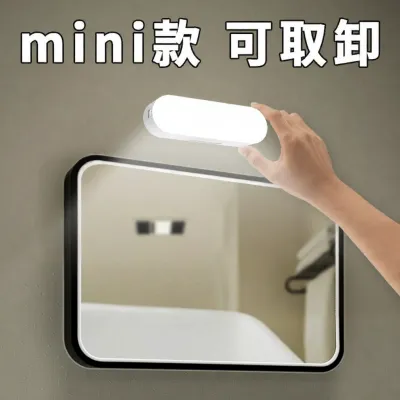
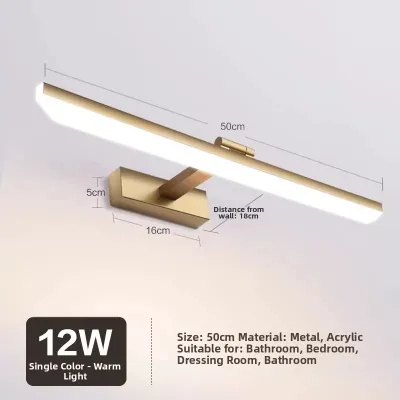
![[SG Seller]Illuminated Toilet led Lamp Smart Oval Bathroom Mirror Touch Screen Multifunctional Mirror](https://img.lazcdn.com/g/p/3a50f22fbe8634eeed931a8519554aca.jpg_400x400q80.jpg_.webp)
Prices are valid at publication and may change. Please refer to the product page for the latest price.
Beyond cosmetic and mechanical degradation, moisture ingress poses a serious electrical safety hazard. Water is a highly effective conductor of electricity. If moisture penetrates the protective casing of a non-rated light fixture, it can create an unintended electrical path between the live internal wiring and the external metal housing. This increases the risk of electrical short circuits, fire hazards, and severe electrical shocks to anyone operating the fixture or touching adjacent surfaces in a damp state.
Essential Specifications for Humid-Resistant Mirror Lights
When selecting a bathroom mirror light, relying on visual appeal alone is insufficient. You must carefully verify the technical specifications, certifications, and material compositions to ensure the fixture can safely withstand a damp environment.

Ingress Protection (IP) Ratings for Wet Zones
The primary indicator of a light fixture’s moisture resistance is its Ingress Protection (IP) rating. This standard classification system uses a two-digit code to define the level of protection against solids and liquids. The first digit (0 to 6) indicates protection against solid objects like dust, while the second digit (0 to 9) measures resistance to water ingress.
To apply this to your bathroom layout, you must understand the concept of bathroom electrical zones. Zone 0 refers to the interior of the bathtub or shower basin itself. Zone 1 is the area directly above the bath or shower up to a height of 2.25 meters from the floor. Zone 2 extends 0.6 meters horizontally beyond Zone 1 and encompasses the area immediately surrounding the washbasin.
For most Singapore bathrooms, a bathroom mirror light is installed in Zone 2 or the adjacent dry zone. For these positions, a fixture with a minimum rating of IP44 is highly recommended. An IP44 rating guarantees that the light is protected against solid objects larger than 1mm and splashing water from any direction. If your bathroom layout is compact and the mirror light is positioned closer to an open shower screen where direct water spray is possible, upgrading to an IP65 fixture—which resists low-pressure water jets—is a safer, more durable decision.
Corrosion-Resistant Materials and Finishes
The materials used in a fixture’s construction directly determine its lifespan in a humid environment. When shopping, do not assume that a shiny “chrome-look” or painted metal finish is automatically rust-proof. Many budget-friendly fixtures utilize electroplated mild steel or cheap zinc alloys that quickly bubble, peel, and rust when exposed to daily steam.
To ensure long-term durability, check the product packaging or manufacturer’s specification sheet for explicit material declarations. Look for high-quality materials such as 304 or 316 stainless steel, anodized aluminum, or high-grade polycarbonate. Anodized aluminum features an electrochemically thickened oxide layer that provides excellent resistance to corrosion, while high-grade polycarbonates are completely immune to rust. If a product does not clearly state its material composition, treat it with caution and seek verification from the manufacturer.
Anti-Fog and Heating Features
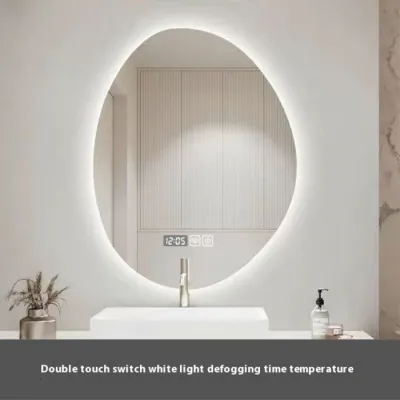
An effective way to combat condensation on your mirror is to install an integrated LED mirror light equipped with anti-fog technology. These systems feature thin, electric heating pads—often called demister pads—secured to the back of the mirror glass. When turned on, the pad gently warms the glass to a temperature slightly above the room’s dew point, preventing steam from condensing on the surface and keeping your reflection clear.
However, integrating these heating features requires careful planning. Demister pads draw additional electrical power and must be wired into your bathroom’s electrical system. They are typically configured to activate simultaneously with the mirror light or operated via a dedicated touch sensor on the mirror face. Before purchasing, verify your bathroom’s wiring capacity and ensure your installation plan accounts for these dual power requirements.
Recommended Light Types and Placement Strategies
The design and placement of your bathroom mirror light play a critical role in both the quality of your task lighting and the fixture’s long-term exposure to moisture.
Top-Mounted Vanity Bars vs. Side Sconces
A single top-mounted vanity bar positioned directly above the mirror is a common installation choice, but it has distinct limitations. Overhead lighting projects light downward, casting harsh shadows under your eyes, nose, and chin. This makes precision grooming tasks, such as shaving or applying makeup, more challenging.
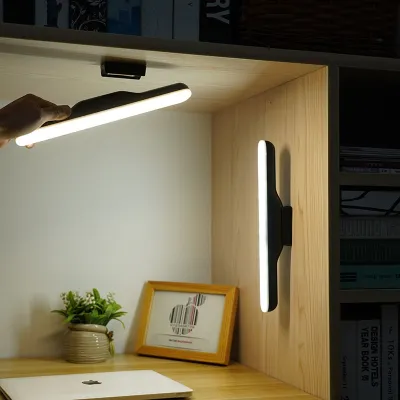
In contrast, mounting side sconces (wall lights) on either side of the mirror provides balanced, cross-directional illumination. This configuration eliminates shadows by distributing light evenly across your face, mimicking natural daylight. Furthermore, because side-mounted fixtures are positioned away from the ceiling-wall junction, they are often less exposed to the rising steam and overhead condensation drips that typically accumulate at the highest points of the room.
Integrated LED Mirrors vs. Separate Wall Lights
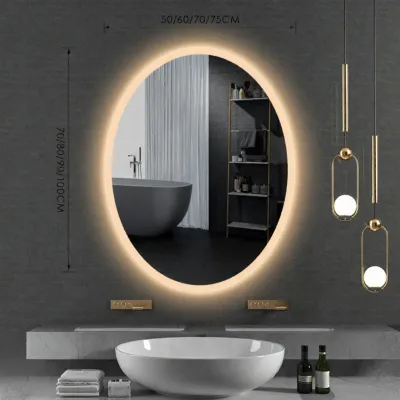
Deciding between an integrated LED mirror and separate wall lights involves a trade-off between modern aesthetics and maintenance convenience. Integrated LED mirrors offer a sleek, minimalist look, with light sources seamlessly embedded behind or within the glass. They often come with advanced features such as touch-sensitive controls, variable dimming, and built-in anti-fog pads.
The primary drawback of integrated units is their limited modularity. If the internal LED driver, touch sensor, or light strip fails after the warranty period, repairing the unit can be highly complex, often requiring the replacement of the entire mirror. Separate wall lights, while requiring more wall space, offer superior long-term serviceability. If a bulb or driver fails in a separate fixture, you can easily swap out the faulty component without affecting the mirror itself.
Color Temperature for Grooming Tasks
Selecting the right color temperature is essential for creating an effective grooming environment. Color temperature is measured in Kelvin (K). While warm yellow light (under 3000K) creates a cozy ambiance, it can distort skin tones and make accurate grooming difficult. Conversely, ultra-cool white light (above 6000K) can appear harsh, clinical, and unflattering.
For optimal grooming accuracy, a neutral to cool white light of approximately 4000K is highly recommended. This color temperature provides a crisp, clear light that closely mimics natural daylight. Additionally, check the Color Rendering Index (CRI) of the light source, aiming for a rating of Ra 90 or higher. A high CRI ensures that colors—such as makeup shades and skin tones—are represented with maximum accuracy. Note that color temperature and decorative style are ultimately conditional preferences based on your personal grooming needs and bathroom design, rather than universal performance facts.
Electrical Safety and Installation Boundaries
Installing electrical fixtures in damp environments carries significant safety risks that require strict adherence to professional boundaries and local regulations. Water and electricity are a lethal combination, and improper installation can lead to severe shocks, short circuits, or electrical fires.
In Singapore, all fixed electrical wiring work, including the installation of new lighting points or the replacement of hardwired bathroom fixtures, must be performed by a Licensed Electrical Worker (LEW) registered with the Energy Market Authority (EMA). Do not attempt to perform complex electrical wiring yourself. Always verify that your chosen fixture is compatible with Singapore’s standard voltage (220V-240V, 50Hz) and carries the appropriate electrical safety certifications, such as the Singapore Safety Mark, where applicable. Ensure you verify the base or interface type (such as GU10, E27, G9, or integrated LED), wattage limits, dimensions, and dimming methods (such as Triac or trailing-edge) to ensure perfect compatibility with your existing electrical setup.
Before any electrical work begins, ensure that the bathroom’s electrical circuit is protected by a functioning Residual Current Circuit Breaker (RCCB). The RCCB is a critical safety device designed to detect minute current leakages—often caused by moisture ingress—and instantly disconnect the power supply to prevent electric shocks. Domestic wet-area circuits in Singapore must be protected by an RCCB with a rated residual operating current not exceeding 30mA.
If you are inspecting, cleaning, or replacing an existing fixture, always isolate the power first. Turn off the main switch or the specific miniature circuit breaker (MCB) governing the bathroom circuit at your home’s distribution board (DB box). Never rely solely on the wall switch to isolate the power. Always check the applied product’s label and the treated item’s manufacturer instructions before proceeding. If the installation instructions conflict with your existing wiring setup, or if the wiring conditions are unclear, stop immediately and consult a qualified LEW.
Maintenance Routines to Prevent Corrosion and Fogging
Even a high-quality, IP-rated bathroom mirror light requires regular, low-risk maintenance to ensure its longevity in Singapore’s humid climate. During hot showers, airborne chemical residues from soaps, shampoos, hairsprays, and cleaning agents mix with steam and settle on your light fixtures. Over time, these residues can become mildly acidic or alkaline, slowly degrading the protective anodized finishes, silicone seals, and rubber gaskets of your lights.
To prevent this degradation, establish a simple post-shower cleaning routine. Once the light has been turned off and the fixture has cooled completely, gently wipe down the light housing and mirror edges with a soft, dry microfiber cloth to remove accumulated moisture and residue. Avoid using abrasive scrubbing pads, harsh chemical solvents, or vinegar-based cleaners, as these can strip away protective coatings and damage the seals.
Proper ventilation is your most effective defense against moisture build-up. Always run your bathroom’s mechanical exhaust fan during your shower and leave it operating for at least 15 to 20 minutes afterward to draw out residual humidity and allow the fixtures to dry completely. If your bathroom has a window, open it slightly to encourage natural cross-ventilation.
Additionally, perform a periodic visual inspection of your lighting fixtures every six months. Check the silicone seals around the mounting bases and the rubber gaskets sealing the glass covers. If you observe any cracking, peeling, or hardening of these seals, have them replaced or resealed promptly to maintain their water-resistant integrity.
Frequently Asked Questions (FAQ)
Can I use a standard bedroom wall light above my bathroom mirror?
No, using a standard bedroom wall light in a bathroom is unsafe and not recommended. Standard indoor lights are designed for dry environments and lack the specialized rubber gaskets, sealed wire compartments, and corrosion-resistant materials required to withstand high humidity. Installing a non-IP-rated light above a bathroom mirror exposes its internal electrical contacts to constant steam and condensation. This exposure rapidly leads to internal corrosion, frequent bulb failures, short circuits, and a significantly elevated risk of electrical shock. Always ensure any light installed in a bathroom has an appropriate IP rating, such as IP44 or higher.
Do anti-fog mirrors consume a lot of electricity?
No, integrated anti-fog mirrors do not consume a significant amount of electricity. The demister pads used in these mirrors typically draw between 15 to 50 watts of power, depending on the size of the heated area. This power draw is comparable to a standard household LED light bulb. Furthermore, because these heating pads are only active when the mirror light is turned on during your shower—usually for 15 to 30 minutes at a time—their overall contribution to your monthly utility bill is negligible. For maximum energy efficiency, choose a system that allows you to operate the anti-fog heating pad independently of the main light source.
Community discussion
Share your experience or ask a question. Comments are reviewed before publication.