
Choosing the right buddha altar light is a decision that balances deep spiritual significance with practical household realities. In Buddhist practice, the offering of light symbolizes the wisdom that dispels the darkness of ignorance, making the altar lamp a central focus of daily devotion. However, modern residential environments in Singapore—characterized by compact layouts, sensitive fire safety systems, and strict electrical standards—require a thoughtful approach to selecting these fixtures. By understanding the distinct characteristics of LED, traditional oil, and electric candle-style lamps, you can create a serene, safe, and legally compliant space for your daily chanting and meditation.
Understanding Your Altar Lighting Needs and Safety Rules
Setting up a home altar in Singapore requires a clear understanding of your physical living environment. Modern housing units, particularly Housing & Development Board (HDB) flats and private condominiums, are designed with specific spatial and structural parameters that directly influence how you can safely set up your prayer space. Compact HDB altar shelves, often integrated into living room cabinetry or mounted on walls, offer limited clearance and require careful heat management. In contrast, larger condominiums or landed properties may feature dedicated prayer rooms where ventilation and space are less restricted, allowing for more traditional setups.
Fire safety is a paramount consideration for any Singaporean homeowner, especially with the nationwide implementation of Home Fire Alarm Devices (HFAD). Under Singapore’s fire safety regulations, newly registered residential units must be equipped with these smoke detectors, which are highly sensitive to airborne particulates. Traditional open-flame lamps, if placed directly beneath or near an HFAD, can easily trigger false alarms, causing unnecessary panic and disruption. Furthermore, some modern condominiums are equipped with localized residential sprinkler systems that can be activated by excessive heat, making open flames a high-risk choice in confined spaces.
Products mentioned in this guide
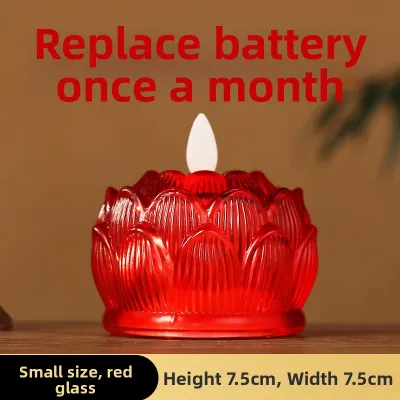
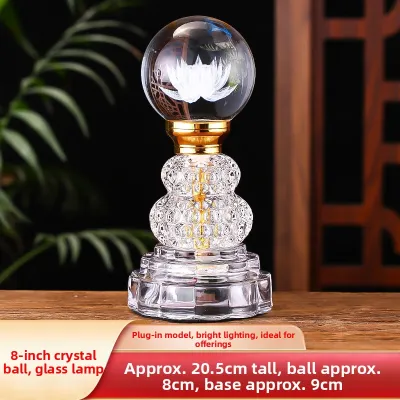
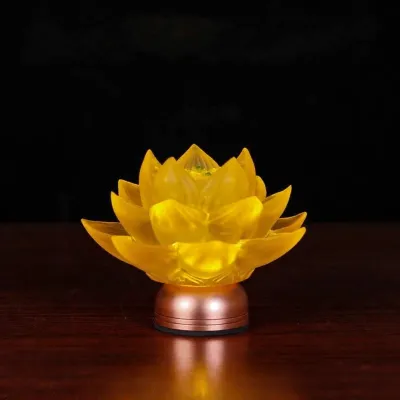
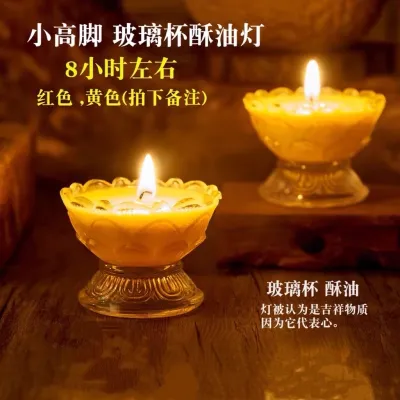
Prices are valid at publication and may change. Please refer to the product page for the latest price.
Ventilation is another critical factor that dictates whether combustion-based lighting is feasible for your altar. Traditional oil or butter lamps require a continuous supply of fresh air to ensure complete combustion and to prevent the accumulation of fine soot on your walls and ceiling. In an air-conditioned HDB flat or a condo with sealed windows, the lack of natural airflow can lead to a rapid buildup of indoor air pollutants, which may pose respiratory risks over time. If your altar is located in a corner with minimal air circulation, choosing a flameless alternative is often the most practical way to maintain clean air quality.
Electrical safety must never be overlooked when integrating powered fixtures into your home. Singapore’s electrical grid operates on a 230V standard at 50Hz, utilizing Type G three-pin plugs. Any mains-powered adapter, plug, or continuous-run lighting system must carry the Enterprise Singapore SAFETY Mark to certify that it has been tested and approved for safe local operation. Using uncertified electronic accessories imported from overseas online marketplaces poses severe risks of short circuits, overheating, and electrical fires, which can compromise your entire household’s safety.
Comparing the Main Types of Buddha Altar Lights
Evaluating the three primary categories of altar lighting available in the Singapore market is essential to make an informed decision. Each type offers a distinct balance of traditional authenticity, safety, convenience, and aesthetic appeal, allowing you to align your choice with your personal devotional practices and household setup.

LED Altar Lights and Lotus Lamps
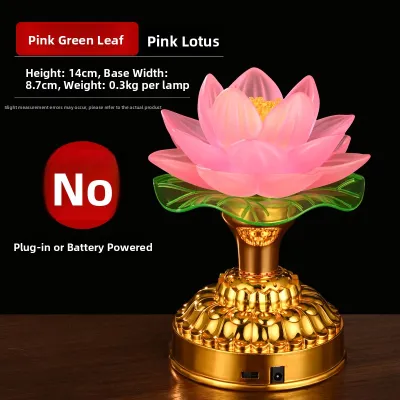
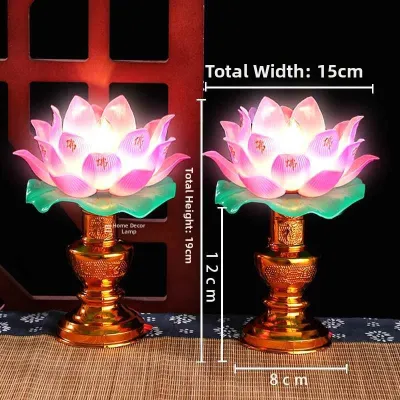
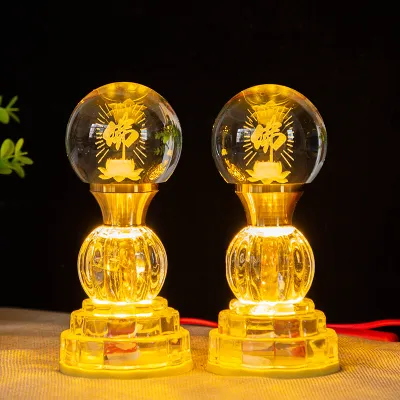
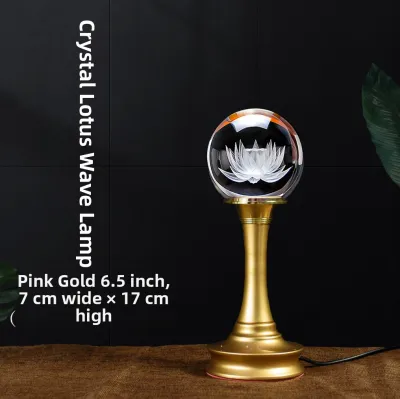
Modern light-emitting diode (LED) fixtures, often shaped like traditional lotus blossoms, have become incredibly popular among Singaporean Buddhist practitioners due to their safety profile and energy efficiency.
- Advantages: The primary benefit of LED altar lights is the complete elimination of fire hazards, as they emit virtually zero heat and produce no smoke or soot. This makes them exceptionally safe for small, enclosed HDB altar cabinets or shelves positioned near curtains and wooden paneling. Additionally, LEDs are highly energy-efficient, consuming only a fraction of the electricity required by incandescent bulbs, and they boast an incredibly long operational lifespan, reducing the need for frequent replacements.
- Considerations: While highly practical, LED lights require careful cable management if they are mains-powered, as hanging wires can detract from the clean, orderly appearance of your altar. If you opt for battery-operated models, you must be prepared for regular battery changes or recharging cycles. Some traditional practitioners also feel that the static, cool light of certain cheap LED models lacks the spiritual warmth and active "offering" essence associated with a real, flickering flame.
- Best for: Busy households with young children or pets, compact or enclosed HDB altar spaces, and homes equipped with highly sensitive HFAD smoke detectors where open flames are impractical.
Traditional Oil Lamps and Butter Lamps
For many devout Buddhists, the use of genuine flame-based oil or butter lamps remains the standard for daily offerings, representing a deep, sensory connection to ancient monastic traditions.
- Advantages: Traditional oil lamps offer a profound spiritual experience, with the gentle, natural flicker of the flame creating a deeply meditative and peaceful atmosphere. The physical act of cleaning the lamp, trimming the wick, and refilling the oil is itself a form of mindfulness practice, transforming a routine chore into a meaningful devotional ritual.
- Considerations: The use of open flames introduces significant safety risks, particularly in high-rise apartments where a knocked-over lamp can lead to a devastating fire. Combustion also produces fine soot and carbon deposits that can discolor your altar, damage nearby walls, and require frequent, intensive cleaning. Excellent ventilation is mandatory to disperse the smoke and maintain healthy indoor air quality.
- Best for: Dedicated prayer rooms with ample space and excellent natural ventilation, experienced practitioners who can supervise the flame at all times, and households without sensitive smoke detectors directly above the altar area.
Flameless Candle-Style and Electric Oil Lamps
Bridging the gap between ancient tradition and modern safety, flameless candle-style and electric oil lamps utilize advanced technology to mimic the visual appeal of a real flame without the associated hazards.
- Advantages: These hybrid fixtures use moving magnetic parts or sophisticated LED programming to replicate the natural, irregular flicker of a real candle or oil wick. They offer the visual warmth, respect, and traditional aesthetic of a flame while operating entirely on safe, clean electricity. This eliminates the risk of accidental fires, soot accumulation, and indoor air pollution.
- Considerations: Because many high-quality flickering models rely on mechanical components to create the realistic flame movement, these moving parts can wear out or become noisy over time. They also require a reliable power source, meaning you will need to manage power cords or invest in high-capacity rechargeable batteries to keep them running consistently during your daily practices.
- Best for: Practitioners who desire the traditional, living aesthetic of a flickering flame but must adhere to strict HDB or condo safety regulations, or those who share their living space with active pets and curious children.
Key Features to Check Before Buying a Buddha Altar Light
When shopping for a buddha altar light in Singapore, paying close attention to technical specifications and physical dimensions will ensure that your purchase is safe, functional, and aesthetically harmonious with your sacred space.
- Power source and compatibility: Always verify that the electrical specifications match Singapore's national standards. If the light uses a wall adapter, ensure it is rated for 230V input and comes with a native Type G plug. Most importantly, look for the red-and-blue SAFETY Mark issued by Enterprise Singapore on the power adapter itself. This certification guarantees that the device has undergone rigorous testing against electrical faults, reducing the risk of short circuits in your home.
- Light color and temperature: The color temperature of your altar light plays a crucial role in establishing a serene and respectful atmosphere. Opt for warm white (typically between 2700K and 3000K) or amber tones, which closely mimic the soft, golden glow of a traditional flame. Avoid harsh, cool white lights (above 5000K), as they can create a clinical, sterile environment that is disruptive to meditation and chanting.
- Flicker modes and adjustability: If you choose an electric or LED model with a flickering effect, ensure that the flicker pattern is gentle, natural, and non-repetitive. Some lower-quality models feature aggressive, strobing flicker modes that can cause visual fatigue and distraction. Look for fixtures that allow you to adjust the brightness or switch between a steady glow and a soft flicker, giving you full control over the visual ambiance of your altar.
- Material and heat resistance: For both electric and traditional lamps, the quality of materials used is paramount. If choosing traditional oil lamps, ensure they are crafted from heavy, heat-resistant materials like solid brass, thick glass, or high-quality ceramics that will not crack under the heat of a sustained flame. For electric and LED models, verify that the plastic or acrylic housing is sturdy and heat-resistant, ensuring it will not warp, discolor, or emit chemical odors during prolonged operation.
- Size and proportions: A visually balanced altar promotes a sense of inner peace. Measure your altar space carefully before purchasing, ensuring that the height of the lamps is proportional to your Buddha statue. Ideally, the altar lights should not stand taller than the shoulders of the main statue, as this can visually overwhelm the central figure. Additionally, check the vertical clearance of your HDB shelf to prevent heat or light from directly contacting the underside of upper cabinets.
Safe Placement and Daily Maintenance
Proper installation and consistent maintenance are essential to keeping your home altar beautiful, functional, and safe for years to come. Regardless of the type of lighting you choose, establishing a disciplined care routine is a key aspect of your spiritual practice.
- Clearance and placement: Position your lights on a stable, level surface where they cannot be easily bumped or knocked over. Keep all light sources—especially traditional oil lamps—at a safe distance from combustible items such as paper prayer books, cloth sutras, incense holders, and hanging curtains. If your altar is housed within a wooden canopy or cabinet, ensure there is ample clearance above the light source to prevent heat buildup from scorching the wood or paint.
- Cable management: For electric and LED altar lights, secure all power cables neatly along the back or sides of the altar using cable clips or ties. Loose, dangling wires not only create an untidy appearance but also present a serious tripping hazard for family members and can be easily pulled by pets. Avoid overloading your wall sockets by using a high-quality, SAFETY Mark-certified extension socket with individual switches for your altar electronics.
- Cleaning routines: Incorporate cleaning into your daily or weekly mindfulness practice. For traditional oil lamps, regularly wipe down the base and surrounding altar surfaces with a damp cloth to remove oil residue and soot, which can attract dust and create a slip hazard. For electric and LED fixtures, always isolate the power supply by unplugging the unit before cleaning. Use a dry, soft microfiber cloth to gently remove dust from the bulbs and decorative lotus petals, avoiding wet cloths that could cause moisture to penetrate the electrical housing.
- When to stop and consult: Regularly inspect your altar lights for signs of wear and tear. If you notice frayed power cords, cracked plastic housings, unusually hot adapters, or erratic flickering, disconnect the power immediately. Do not attempt DIY electrical repairs on these delicate fixtures; instead, replace the unit entirely or consult a licensed electrical worker to ensure your home remains safe from electrical hazards.
Frequently Asked Questions (FAQ)
Can I use a traditional oil lamp in an HDB flat?
Yes, you can legally use a traditional oil lamp in an HDB flat for personal religious purposes, but you must exercise extreme caution. Because modern HDB flats are equipped with sensitive Home Fire Alarm Devices (HFAD) and have compact layouts, you must ensure the lamp is placed away from drafts, curtains, and wooden cabinets. Always use high-quality, low-smoke lamp oil (such as pure paraffin or vegetable-based oil) and maintain excellent ventilation by keeping nearby windows slightly open. Never leave an open flame unattended, and ensure it is fully extinguished before you leave the house or go to sleep.
What is the best color temperature for a Buddha altar light?
The ideal color temperature for a Buddha altar light is warm white, which ranges from 2700K to 3000K, or a soft amber tone. These warm spectrums closely replicate the natural, soothing glow of traditional candle flames, creating a calm, respectful, and meditative atmosphere that is highly conducive to chanting and contemplation. You should explicitly avoid cool daylight tones (5000K to 6500K), as their bright blue-white light can feel clinical, harsh, and visually disruptive, detracting from the sacred and serene ambiance of your home altar.
Do battery-operated altar lights need the SAFETY Mark?
Purely battery-operated altar lights that run on standard disposable batteries (like AA or AAA) or low-voltage rechargeable batteries do not require the Enterprise Singapore SAFETY Mark. However, if the altar lights come with a mains-powered wall charger, a USB power adapter, or a direct plug-in cord to recharge the internal batteries, that specific charging adapter or plug must carry the SAFETY Mark. To ensure absolute safety, always purchase your charging accessories from reputable local retailers and avoid using uncertified, ultra-cheap wall chargers imported from unverified online platforms.
Community discussion
Share your experience or ask a question. Comments are reviewed before publication.