
Keeping your wardrobe smelling fresh in Singapore’s tropical climate requires a careful balance between introducing pleasant scents and managing ambient humidity. Because enclosed cupboards naturally trap moisture, choosing the right cupboard fragrance is not just about picking a preferred scent; it involves selecting a format that performs reliably without encouraging mold growth or damaging delicate fabrics. By understanding how different fragrance delivery systems interact with enclosed spaces, you can maintain a clean, inviting wardrobe environment year-round.
Comparing Popular Cupboard Fragrance Formats
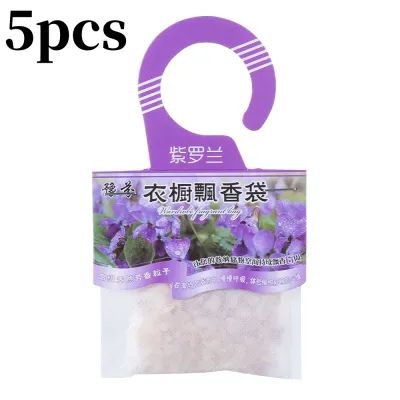
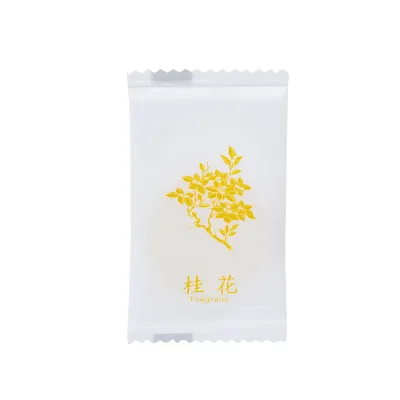
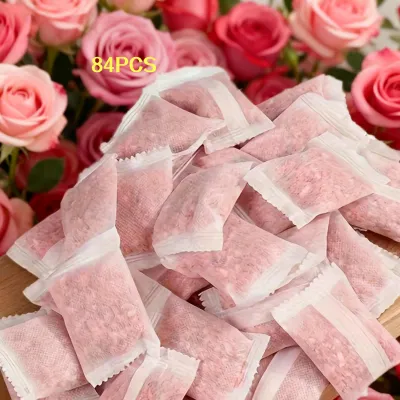
Scented sachets and pouches represent one of the most traditional and straightforward methods for scenting enclosed spaces. Typically filled with scented vermiculite, dried herbs, wood shavings, or mineral powders, these dry formats are highly suitable for compact areas like drawers, shelves, and small hanging sections. Because they do not contain free liquids or wet gels, they carry virtually zero risk of spilling or leaking onto your garments. They are easy to hang from wardrobe rails using attached hooks or ribbons, or simply tuck into the corners of folded clothing stacks. However, their scent throw is generally localized, making them highly effective for small drawers but less noticeable in expansive walk-in wardrobes.
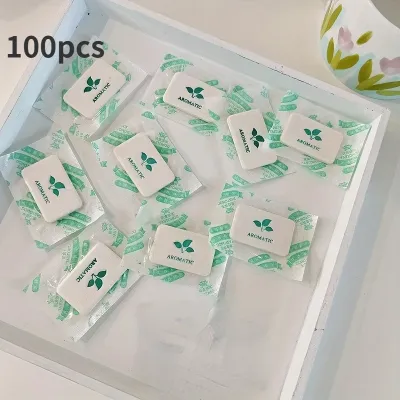
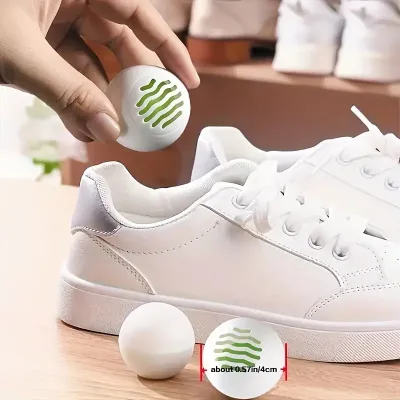
Solid gels and fragrance beads offer a continuous, slow-release scent delivery system that can last for several weeks. These products typically utilize a water- or oil-based gel matrix that gradually evaporates, releasing fragrance molecules into the air. While they provide a consistent scent throw that can easily fill a standard built-in wardrobe, they require careful monitoring in Singapore’s warm climate. If the protective seal is compromised or if the container is tipped over, some gel formulations may liquefy or leak, potentially staining wooden shelves or clothing. Additionally, as the moisture evaporates, the gel will shrink significantly, serving as a clear visual indicator that the product needs replacement.
Products mentioned in this guide


Prices are valid at publication and may change. Please refer to the product page for the latest price.
For those who prefer immediate results, linen and wardrobe sprays offer an instant burst of freshness. These liquid-based fragrances are designed to be misted directly onto fabrics or into the open air of the cupboard. They are particularly useful for quickly refreshing garments that have been stored for a while or for neutralizing temporary odors. The primary trade-off is longevity; sprays disperse quickly and require regular reapplication to maintain a consistent scent profile. When using sprays, it is crucial to verify fabric compatibility, as some alcohol- or oil-heavy formulations can leave water spots or residue on delicate textiles.
Hanging diffusers, often featuring small glass vials with porous wooden caps, and unglazed ceramic stones represent a more decorative approach to wardrobe aromatherapy. These systems rely on capillary action, where concentrated fragrance oil is absorbed by wood or ceramic and slowly diffused into the surrounding air. They offer excellent aesthetic appeal and allow for adjustable scent control, as you can often control the diffusion rate by adding more drops of oil to a ceramic stone or tilting a vial. However, because they utilize concentrated oils, they must be suspended securely to prevent any direct contact with clothing or painted wardrobe interiors, which could lead to permanent oil stains or material degradation.
Key Selection Criteria for Singapore Wardrobes
Singapore’s high relative humidity is a primary factor to consider when selecting any wardrobe accessory. Excess moisture in the air can cause certain fragrance formats, such as paper-wrapped powder sachets or poorly sealed gel containers, to degrade prematurely or even attract mold. When shopping, look for products specifically packaged in moisture-resistant materials, or opt for dry mineral-based sachets that do not absorb ambient water. Some modern cupboard fragrances combine scenting agents with desiccant materials like silica gel or activated charcoal, allowing you to freshen your clothes while simultaneously absorbing excess moisture from the air.

The scent profile you choose should complement the enclosed nature of a wardrobe. In a confined space, heavy, overly sweet, or highly concentrated perfumes can quickly become cloying and overwhelming, transferring too intensely onto your clothes. Opt for lighter, cleaner notes such as fresh linen, cotton blossom, light citrus, or subtle woody undertones like cedar and sandalwood. These profiles mimic the smell of freshly laundered clothing and provide a pleasant, non-intrusive aroma when you open your cupboard doors. Woody scents also have the added benefit of naturally repelling certain fabric pests without the harsh chemical odor of traditional mothballs.
Evaluating the expected lifespan of a cupboard fragrance helps ensure both cost-effectiveness and consistent performance. Manufacturers typically provide an estimated duration for their products, which can range from a few weeks to several months depending on the format and airflow. To minimize waste and reduce long-term costs, look for brands that offer eco-friendly refill options, such as replaceable sachet inserts, concentrated oil refills for ceramic stones, or recyclable gel cartridges. This approach allows you to retain the decorative outer housing while easily renewing the scent as needed.
For households with young children, pets, or individuals with sensitive skin or respiratory conditions, ingredient transparency is paramount. Enclosed wardrobes concentrate fragrance molecules on the very fabrics that sit directly against your skin. Review product labels for clear ingredient lists and look for safety certifications or dermatologically tested claims. If you have sensitive skin, consider hypoallergenic options or natural essential oil-based diffusers rather than synthetic fragrance blends, and always ensure the product is kept entirely out of reach of children and pets.
Matching Fragrance Solutions to Your Space and Fabrics
The physical dimensions of your storage space dictate the type and quantity of fragrance required. A large walk-in closet with active ventilation can accommodate stronger diffusion methods, such as multiple hanging diffusers or larger solid gel units, without becoming overpowering. Conversely, a compact, built-in wardrobe or a chest of drawers requires a much gentler touch. Placing a high-output gel or a concentrated diffuser in a small drawer will likely saturate the fabrics excessively; instead, opt for a single, low-intensity scented sachet or a light misting of linen spray.
Protecting high-value or delicate textiles like silk, wool, cashmere, and genuine leather requires strict adherence to indirect scenting methods. Direct contact with fragrance oils, wet gels, or even heavily saturated paper sachets can cause irreversible staining, discoloration, or fiber breakdown on these sensitive materials. For wardrobes containing delicate garments, avoid spraying any liquids directly onto the fabrics. Instead, hang a dry ceramic stone or a fabric-wrapped sachet on the opposite side of the closet, ensuring there is a physical barrier or ample clearance between the fragrance source and your clothes.
Consider how often you access and rotate the garments in a particular storage area. For high-turnover daily wear, a quick-drying linen spray applied during ironing or right before hanging can provide a clean scent that lasts until the garment is worn. For seasonal storage, guest bedding, or formal wear kept in garment bags, long-lasting dry sachets or cedar blocks are far more practical. These formats provide a slow, continuous release of fragrance over several months, keeping stored items smelling clean and preventing the development of a stale, musty odor during long periods of disuse.
Safe Placement and Maintenance Guidelines
To safeguard your wardrobe interiors and clothing, always prioritize safe placement. Never place liquid diffusers, gel containers, or oil-infused ceramic stones directly on wooden shelves, painted surfaces, or fabric piles. The concentrated oils and solvents used in these products can strip paint, warp wood laminates, and leave stubborn grease spots on textiles. Use protective saucers, hang diffusers securely from sturdy hooks, or ensure sachets are suspended freely in the air without touching adjacent garments.
Proper air circulation is essential for both effective scent distribution and moisture control. Packing your wardrobe too tightly restricts airflow, trapping pockets of humid air and preventing the fragrance from circulating evenly. Ensure there is a small gap between each hanger to allow air to move freely. This practice not only helps the cupboard fragrance work more efficiently but also reduces the risk of localized moisture buildup, which is a primary cause of mustiness and mold growth in tropical climates.
Regularly inspect your cupboard fragrance products to maintain a fresh and safe environment. For solid gels, check for excessive shrinkage or hardening, which indicates the active ingredients have fully evaporated. For sachets, gently shake or squeeze the pouch occasionally to redistribute the contents and reactivate the scent; if no aroma remains, it is time for a replacement. If you notice any signs of container cracking, leaking, or physical degradation due to humidity, remove the product immediately to prevent damage to your shelves.
Pay close attention to the condition of your wardrobe and discontinue the use of any fragrance product immediately if you detect signs of trouble. If your clothes develop an unusual off-odor, if you notice unexplained staining or discoloration on fabrics, or if you spot mold spores on the wardrobe walls or garments, stop using the fragrance. In these scenarios, the fragrance may be masking an underlying moisture problem that needs to be addressed directly with dehumidifiers or professional cleaning before any scenting products are reintroduced.
Where to Shop for Cupboard Fragrances in Singapore
For those who prefer a curated shopping experience, local lifestyle and home goods stores in Singapore offer an excellent selection of premium wardrobe fragrances. Visiting a physical store allows you to personally test different scent profiles, ensuring you select a note that aligns with your preferences before making a purchase. Staff in these specialty shops can also provide valuable advice on fabric compatibility and the ideal placement of diffusers or ceramic stones within your specific wardrobe layout.
If you are looking for accessible, everyday solutions, local supermarkets and drugstores carry a wide range of standard cupboard fragrances. These retail channels are ideal for sourcing budget-friendly options like classic scented sachets, hanging gel packs, and fabric refreshing sprays. They offer a convenient way to restock your wardrobe essentials during your regular grocery runs, focusing on reliable, mass-market brands that deliver consistent freshness.
For a wider variety of niche fragrances, bulk refills, or specific international brands, official brand stores and online marketplaces are highly useful resources. Shopping online allows you to compare different formats and read customer reviews regarding scent longevity and performance. When purchasing from an online marketplace or ecommerce platform, always verify the seller’s authenticity by looking for official brand badges, checking customer feedback, and ensuring the product seals are intact upon delivery to guarantee you receive genuine, high-quality items.
Frequently Asked Questions (FAQ)
Can I use regular room sprays inside my cupboard?
It is generally not recommended to use standard room sprays inside a cupboard unless the product label explicitly states it is safe for fabrics. Regular room sprays often contain higher concentrations of alcohol, synthetic solvents, or heavy oils designed to disperse in large open spaces. When sprayed in a confined wardrobe, these ingredients can settle directly onto garments, potentially causing staining, discoloration, or fabric degradation, especially on delicate materials like silk or rayon. Instead, opt for dedicated linen or wardrobe sprays that are specifically formulated to be gentle on textiles and leave no residue.
How often should I replace my cupboard fragrance?
The replacement frequency depends largely on the product format, wardrobe size, and environmental conditions. As a general guideline, standard scented sachets and pouches typically last between three to six weeks before the scent begins to fade noticeably. Solid gels and beads usually provide consistent fragrance for four to eight weeks, and their physical shrinkage serves as a clear visual cue for replacement. Rather than relying solely on a calendar, monitor the strength of the scent when you open your wardrobe doors; if the aroma is barely perceptible or if the product has dried out completely, it is time to replace or refill it.
Will strong cupboard fragrances transfer to my skin when I wear the clothes?
Yes, fragrance molecules from cupboard products can transfer to your clothing fibers and subsequently come into contact with your skin. While this is usually harmless for most people, individuals with sensitive skin, eczema, or respiratory allergies may experience irritation from highly concentrated or synthetic scents. To manage scent throw and minimize skin sensitivity risks, avoid placing fragrance products in direct contact with your clothes. Choose lighter, clean scent profiles, ensure your wardrobe has adequate ventilation, and start with a smaller amount of product to see how your skin and senses react before increasing the scent intensity.
Community discussion
Share your experience or ask a question. Comments are reviewed before publication.