
To illuminate a tropical outdoor garden effectively, a solar lantern lamp must possess an Ingress Protection (IP) rating of at least IP65. This standard ensures the fixture remains completely dust-tight and protected against low-pressure water jets from any direction, making it capable of surviving Singapore’s intense weather patterns. Standard outdoor lights often fail prematurely due to moisture ingress, but selecting high-specification solar fixtures provides a reliable, wire-free lighting solution that enhances both safety and visual appeal.
Choosing the right outdoor lighting involves understanding how local environmental factors interact with electrical components. By focusing on robust waterproof ratings, advanced battery chemistry, and durable casing materials, you can secure a garden lighting system that performs consistently year-round.
Why IP65 and Above Matters for Singapore's Climate
The Ingress Protection (IP) rating system is an international standard that classifies the degree of protection provided against mechanical casings and electrical enclosures. The first digit in the rating, ranging from 0 to 6, indicates the level of protection against solid foreign objects such as dust, soil, and insects. A rating of 6 is the highest possible score, denoting a completely dust-tight enclosure that prevents even microscopic particles from interfering with internal circuitry.
Products mentioned in this guide
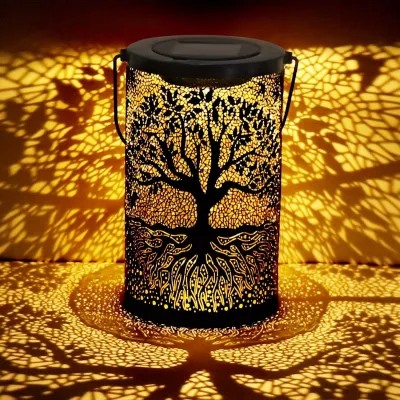
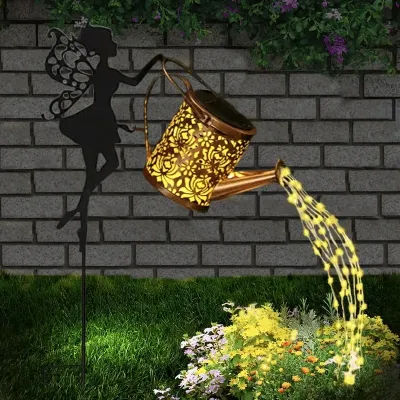
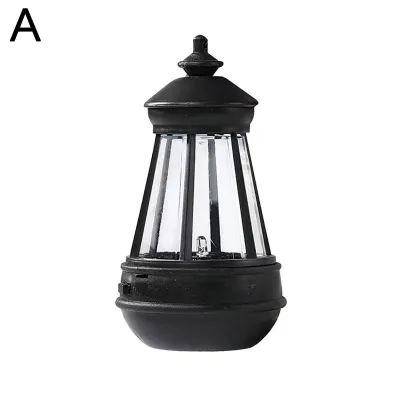
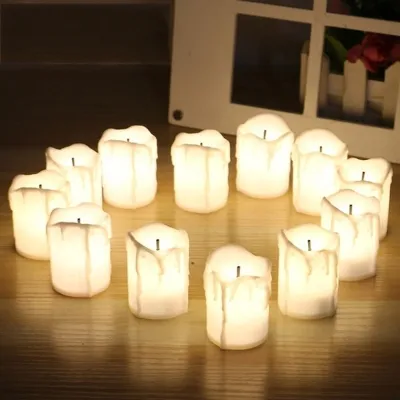
Prices are valid at publication and may change. Please refer to the product page for the latest price.
The second digit, ranging from 0 to 9, measures protection against liquid ingress. An IP65 rating signifies that the fixture can withstand water projected by a nozzle from any angle without harmful effects. In contrast, lower ratings like IP44 only protect against basic water splashes, leaving the internal components vulnerable during heavy downpours.
Singapore’s tropical rainforest climate presents a highly demanding environment for outdoor electrical devices. The region experiences high relative humidity, often exceeding 80% year-round, alongside intense solar radiation and sudden, heavy thunderstorms during the monsoon seasons. These conditions accelerate the wear and tear on outdoor fixtures, making entry-level ratings insufficient.
When a solar lantern lamp sits in the sun, the air inside the casing heats up and expands. When a sudden afternoon downpour occurs, the temperature drops rapidly, causing the air inside to contract and create a vacuum. If the fixture is only rated IP44, this vacuum pressure can suck highly humid air and water droplets through the seals, leading to internal condensation, short circuits, and rapid corrosion of the copper contacts.
For specific zones within your garden, even higher protection levels may be necessary. Low-lying garden beds, areas near downspouts, and spots prone to temporary water pooling during flash floods require fixtures with IP67 or IP68 ratings. An IP67 rating ensures the light can withstand temporary immersion in water up to one meter deep for 30 minutes, preventing catastrophic failure when the ground becomes waterlogged.
Key Specifications to Evaluate Before Buying
Solar Panel Efficiency
The performance of any solar lantern lamp depends directly on the efficiency of its photovoltaic panel. Monocrystalline silicon panels are the gold standard for outdoor lighting, offering energy conversion efficiencies between 15% and 22%. They perform significantly better in low-light or overcast conditions, which are common during Singapore’s rainy seasons, and require less surface area to charge the battery fully.

Polycrystalline panels are more affordable but less efficient, typically converting only 13% to 16% of sunlight into electricity. Because they require a larger surface area to generate the same power, they are less suitable for compact, decorative lantern designs. For urban gardens that experience partial shade from high-rise buildings or dense foliage, monocrystalline panels are highly recommended to ensure adequate daily charging.
Battery Chemistry
Tropical heat is the primary enemy of battery longevity, making battery chemistry a critical specification to verify before purchase. Standard Nickel-Metal Hydride (NiMH) and standard Lithium-ion (Li-ion) batteries degrade rapidly when subjected to high ambient temperatures, which can easily exceed 45°C inside an enclosed solar lantern casing during peak afternoon sun.
Lithium Iron Phosphate (LiFePO4) batteries represent the best choice for tropical climates due to their exceptional thermal stability and safety profile. They possess a much higher tolerance for elevated temperatures and boast a significantly longer cycle life, often enduring 2,000 to 3,000 charge-discharge cycles. This longevity far outclasses standard NiMH batteries, which typically fail after 300 to 500 cycles, translating to fewer replacements and lower long-term costs.
Brightness and Color Temperature
The appropriate brightness level, measured in lumens, depends entirely on the intended function of the light. For ambient decorative accents designed to create a cozy atmosphere, a soft glow of 10 to 50 lumens is highly effective. For functional path lighting, step safety, or security boundaries, look for fixtures that deliver between 100 and 300 lumens to ensure clear visibility.
Color temperature is a subjective preference, but warm white light (2700K to 3000K) is generally recommended for outdoor garden settings. Warm white tones create a relaxing, organic ambiance that complements natural foliage far better than cool, blue-toned light (5000K to 6500K). Additionally, warm white light has been shown to attract fewer nocturnal insects, helping to maintain a comfortable outdoor seating area and minimize disruption to local garden ecosystems.
Build Materials
The outer casing of your solar lantern lamp must resist intense ultraviolet (UV) radiation, high humidity, and heavy rain without degrading. Cast aluminum with a high-quality, weather-resistant powder coating offers excellent structural integrity and heat dissipation. Marine-grade stainless steel (such as 304 or 316 grade) is also highly durable, though it requires occasional cleaning to prevent superficial tea-staining in humid environments.
For transparent or translucent diffusers, UV-stabilized polycarbonate or tempered glass should be prioritized over cheap, non-UV-treated plastics. Standard plastics will quickly turn yellow, become brittle, and crack under continuous exposure to the tropical sun. Cracked housings compromise the waterproof seal, rendering the IP65 rating useless and leading to premature electrical failure.
Recommended Solar Lantern Types for Garden Zones
Pathway and Stake Lanterns
Pathway and stake lanterns are designed to line walkways, driveways, and garden borders, guiding foot traffic safely through the property. When selecting these fixtures, look for low-glare optical designs that direct light downward onto the walking surface rather than outward into the eyes of pedestrians. This ensures safe navigation without causing uncomfortable glare.
The ground stakes must be robust enough to penetrate Singapore’s clay-heavy or highly compacted garden soils. Heavy-duty fiberglass, powder-coated aluminum, or reinforced ABS plastic stakes are preferred over flimsy, thin plastics that bend or snap during installation. Because these fixtures sit close to the ground, they are highly vulnerable to water splashes, mud accumulation, and physical impact from lawnmowers or weed weeders, making a certified IP65 rating essential.
Hanging and Pendant Lanterns
Hanging and pendant lanterns add vertical dimension to your garden layout, making them ideal for illuminating patios, pergolas, gazebos, and sturdy tree branches. Because these fixtures are suspended, you must carefully evaluate their weight and wind resistance. Singapore’s monsoon seasons often bring sudden, violent wind gusts, which can cause hanging lights to swing violently.
Ensure that all hanging chains, hooks, and mounting brackets are made of heavy-duty, rust-proof materials and are securely anchored to solid structures. Furthermore, consider the placement of the solar panel. If you plan to hang the lantern under a shaded patio or deep within a tree canopy, select a model that features a separate, cable-connected solar panel. This allows you to position the panel in an unshaded, sunny spot while keeping the decorative lantern in the shade.
Wall-Mounted and Fence Lanterns
Wall-mounted and fence lanterns are excellent for defining property boundaries, illuminating entrance gates, and highlighting architectural features on exterior walls. When installing these fixtures on concrete, plaster, or timber surfaces, always use marine-grade stainless steel or brass mounting hardware. Standard steel screws will rust rapidly in humid conditions, leaving unsightly orange stains running down your clean garden walls.
Before drilling holes and permanently mounting these fixtures, verify that the chosen wall surface receives adequate direct sunlight during the day. A minimum of 4 to 6 hours of unshaded sun exposure is typically required for the solar panel to charge the battery sufficiently. If the wall is permanently shaded by neighboring structures, large trees, or roof overhangs, the lantern’s run time will be severely limited.
Installation and Maintenance for Tropical Conditions
Optimal Placement
To get the most out of your solar lantern lamp, position the solar panel where it can capture maximum sunlight throughout the year. Because Singapore is located near the equator, the sun’s path shifts slightly north and south of the island over the course of the year. Installing solar panels horizontally or at a very slight tilt of 5 to 15 degrees ensures optimal solar collection year-round while allowing rainwater to run off naturally, washing away loose dust.
Avoid placing solar panels directly beneath dense tropical tree canopies, such as Frangipani, Bougainvillea, or Palm trees. These plants not only block valuable sunlight but also drop sticky sap, leaves, and organic debris that can permanently shade portions of the panel, drastically reducing its charging efficiency.
Routine Cleaning
Over time, a fine film of atmospheric dust, pollen, bird droppings, and algae can accumulate on the surface of the solar panel. This accumulation blocks sunlight and can reduce energy conversion efficiency by up to 30%. Establish a routine to clean the panels at least once every month to maintain peak performance.
Gently wipe the solar panel surface with a soft, damp microfiber cloth and clean water. Avoid using abrasive scrubbing pads, steel wool, or harsh chemical detergents, as these can scratch the protective tempered glass or PET coating. Scratches scatter incoming light and permanently degrade the panel’s ability to generate electricity.
Seal and Casing Checks
At least twice a year, perform a quick physical inspection of all outdoor solar fixtures. Carefully examine the rubber gaskets, silicone seals, and casing joints for any signs of cracking, drying out, or warping. The combination of intense UV rays and high ambient heat can degrade rubber components over time, compromising the waterproof barrier.
If you identify any minor cracks or gaps in the seals, apply a small bead of outdoor-grade silicone sealant to restore the watertight integrity of the fixture. If a seal is severely degraded or the casing has warped, the fixture should be repaired or replaced to prevent water from reaching the internal battery and circuitry, which could cause a short circuit.
Safety Boundaries
Always prioritize safety when installing, maintaining, or troubleshooting outdoor lighting systems. Before performing any cleaning or replacing batteries, ensure the fixture is switched off. If you are installing hybrid solar systems that connect to the mains power grid for backup, always isolate the power supply at the main circuit breaker before touching any electrical connections. Always verify the electrical certifications, voltage limits, and compatibility of the solar lantern lamp with your installation environment before purchasing, as a generic category name alone does not guarantee safety or performance.
For any installations requiring work at height, such as mounting pendant lanterns on high pergolas or tall trees, use a stable, secure ladder and have another person assist you, or hire a qualified professional. If you observe physical damage to the electrical casing, exposed wiring, or water pooling inside the battery compartment, immediately turn off the device, remove it from the garden, and consult the manufacturer’s instructions or a qualified professional before attempting to reuse it.
Frequently Asked Questions (FAQ)
Will IP65 solar lanterns survive continuous heavy monsoon rain?
Yes, high-quality IP65 solar lanterns are designed to withstand heavy monsoon rains and water sprayed from any direction. However, an IP65 rating does not mean the fixture is submersible. If your garden is prone to waterlogging or temporary flooding during intense downpours, ensure that stake lights are installed in well-draining soil or on raised garden beds. For areas that experience standing water, you must use fixtures rated IP67 or IP68, which can survive temporary or continuous submersion.
How often do the batteries in outdoor solar lanterns need replacing?
The lifespan of the battery depends heavily on the battery chemistry and environmental conditions. Standard NiMH batteries typically last between 1 to 2 years before their capacity drops significantly, especially when subjected to Singapore’s constant tropical heat. In contrast, high-quality Lithium Iron Phosphate (LiFePO4) batteries can last between 5 to 7 years (or up to 3,000 charge cycles) before requiring replacement. Always check the manufacturer’s specifications to confirm if the battery is user-replaceable and to review the warranty terms before making a purchase.
Community discussion
Share your experience or ask a question. Comments are reviewed before publication.