
Finding a suitable dining light ceiling fixture for a Japandi-style home in Singapore requires a thoughtful balance of organic warmth and clean, functional minimalism. This design philosophy, which seamlessly merges Japanese wabi-sabi with Scandinavian hygge, relies heavily on soft, diffused illumination to create an inviting dining atmosphere. Because the dining table often serves as the social heart of a Singaporean apartment—functioning as a place for family meals, remote work, and hosting guests—the lighting must be both visually calming and highly practical. Selecting the right fixture involves evaluating natural materials like rattan, paper, and wood against the realities of local ceiling heights, structural capacities, and tropical humidity.
Defining the Japandi Aesthetic for Dining Spaces
The Japandi aesthetic has captured the imagination of local homeowners seeking a serene, clutter-free sanctuary from the bustling urban environment of Singapore. At its core, this style is a harmonious dialogue between two distinct yet deeply compatible design traditions. Japanese wabi-sabi introduces an appreciation for natural imperfections, weathered textures, and rustic simplicity, while Scandinavian hygge contributes a focus on cozy comfort, clean lines, and practical utility. When these two philosophies meet in the dining room, they demand a lighting scheme that avoids harsh glare and instead embraces soft, layered illumination.
In a Japandi-inspired dining space, the dining light ceiling fixture is not merely a source of illumination but a sculptural centerpiece that defines the room’s mood. Warm color temperatures, typically ranging from 2700K to 3000K, are essential for replicating the gentle glow of candlelight or late-afternoon sun. This warm light enhances the natural grain of wooden furniture, makes food look more appetizing, and signals to the body that it is time to unwind and connect with loved ones.
Products mentioned in this guide
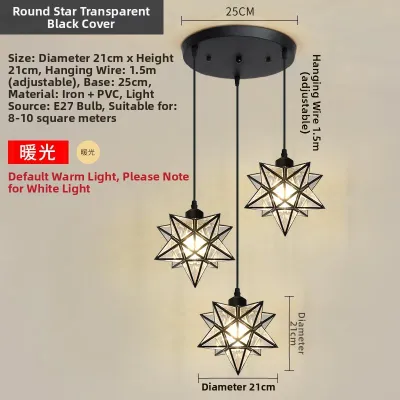
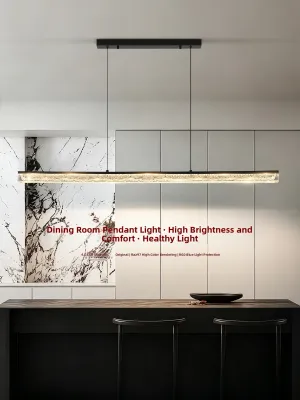
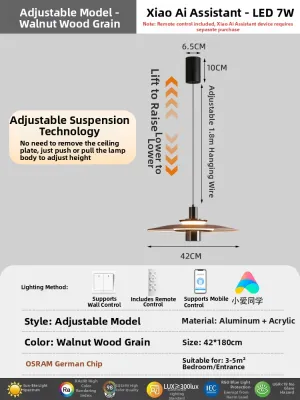
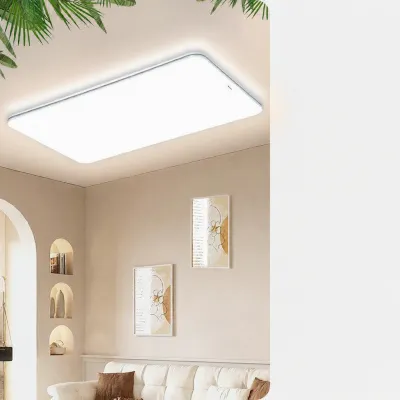
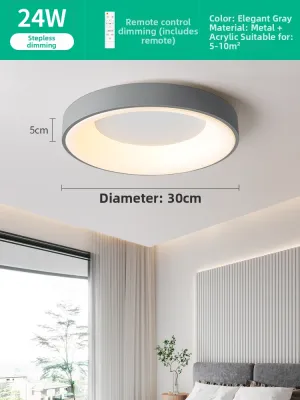
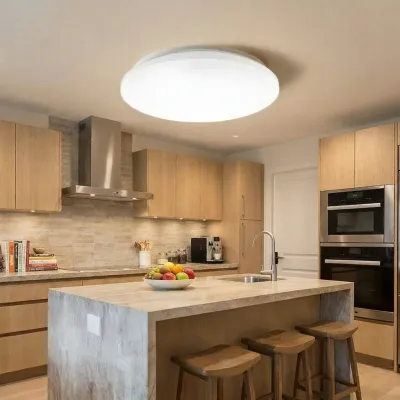
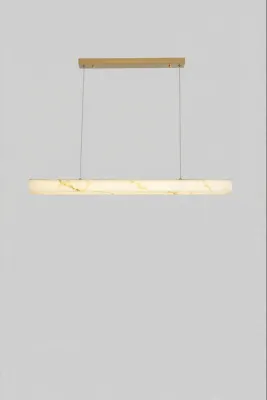
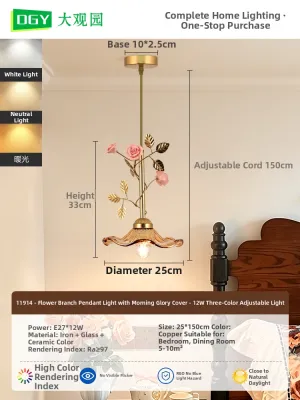
Prices are valid at publication and may change. Please refer to the product page for the latest price.
Transitioning from general, high-level ambient lighting to a focused dining light ceiling fixture is a key step in zoning modern open-plan residential layouts. In many Singaporean apartments, the dining area is integrated with the living room or situated adjacent to the kitchen. A carefully positioned pendant light acts as a visual anchor, drawing the eye downward and creating an intimate “room within a room” effect without the need for physical partitions.
Key Design Profiles for Japandi Dining Light Ceilings
To achieve this balanced look, homeowners can choose from three primary material and shape profiles, each offering a unique way to filter light and complement surrounding furniture. These profiles range from highly organic, textured weaves to ultra-minimalist, structured designs. Selecting the right profile depends on your existing furniture materials, your tolerance for maintenance, and the specific architectural constraints of your dining space.

The interaction between your dining light ceiling fixture and your dining table material is crucial for visual harmony. For instance, a rustic solid oak or teak table pairs beautifully with soft paper or linen diffusers, as the smooth, glowing surface of the shade balances the rich, textured grain of the wood. Conversely, if you have a sleek, modern dining table made of sintered stone, marble, or quartz, a woven rattan or bamboo pendant can introduce much-needed organic warmth and softness to prevent the space from feeling sterile.
While aesthetics are vital, practical maintenance is an equally important consideration for any ceiling fixture. Textured materials, intricate weaves, and delicate fabrics interact differently with dust, kitchen grease, and air currents. Understanding the physical properties of each material profile ensures that your chosen dining light ceiling fixture remains beautiful and functional for years to come.
Woven Rattan and Bamboo Shades
Woven rattan and bamboo shades are celebrated for their ability to bring a touch of the outdoors inside, grounding the dining space with natural, earth-toned textures. These fixtures are crafted using traditional weaving techniques, resulting in organic shapes that range from wide, shallow domes to tight, bell-shaped baskets.
The primary visual impact of a woven rattan pendant is the dramatic play of light and shadow it creates. As light passes through the gaps in the weave, it casts intricate, dappled patterns across the ceiling and walls, adding depth and movement to the room. This makes woven shades exceptionally well-suited for casual dining spaces, breakfast nooks, or homes that embrace a relaxed, tropical-infused Japandi vibe.
However, these natural fibers come with specific limitations in the Singapore context. The complex, multi-layered weaves can easily trap airborne dust and kitchen grease, especially in open-concept layouts where the dining table is close to the cooking area. Additionally, untreated natural bamboo and rattan can be sensitive to high humidity, requiring regular maintenance to prevent mold growth and ensure the fibers do not warp over time.
Spun Paper and Linen Diffusers
Spun paper and linen diffusers represent the softer, more ethereal side of Japandi design, drawing direct inspiration from traditional Japanese washi paper lanterns. These fixtures typically feature lightweight wire frames wrapped in translucent paper or fine linen fabric, creating clean, geometric shapes like spheres, ellipses, or soft domes.
The visual impact of these materials is characterized by complete diffusion. Instead of casting sharp shadows or directing light in a single downward beam, paper and linen shades scatter light evenly in all directions. This creates a soft, glowing orb effect that eliminates harsh glare, making it incredibly comfortable for long evenings spent sitting around the dining table. It is an excellent choice for minimalist interiors that prioritize calm, even, and unobtrusive ambient light.
Despite their aesthetic appeal, these delicate diffusers require a high level of care. Spun paper and fine linen are highly vulnerable to physical tearing during installation or cleaning. In tropical climates, they can also attract small insects and are susceptible to moisture staining if placed near open windows during heavy rain. Homeowners must handle these fixtures with extreme gentleness and accept that they may require more frequent, careful dusting than metal or wood alternatives.
Minimalist Wood and Matte Metal Combinations
For those who prefer a more structured and contemporary interpretation of Japandi style, fixtures combining natural wood accents with matte metal finishes offer an excellent solution. These designs often feature clean, geometric metal shades—such as domes, cones, or linear bars—finished in muted tones like matte black, charcoal, or soft white, complemented by solid wood brackets, caps, or canopy details.
The visual impact of this profile is sleek, modern, and highly directed. Unlike paper or woven shades, metal domes direct the light downward, focusing a bright pool of illumination directly onto the tabletop while keeping the rest of the room in soft shadow. The inclusion of natural wood elements prevents the metal from looking too industrial, ensuring the fixture retains the characteristic warmth of the Japandi aesthetic.
This profile is highly suited for contemporary residential dining areas, particularly those with lower ceilings where a streamlined, low-profile fixture is necessary. However, the primary limitation of wood and metal combinations is their weight. These fixtures are significantly heavier than lightweight paper or rattan options, meaning they require secure ceiling mounting and careful structural checks to ensure the ceiling can safely support the suspended load.
Sizing and Placement Rules for Dining Tables
Achieving a balanced look with a dining light ceiling fixture is as much about scale and placement as it is about style. An oversized pendant can overwhelm a small dining nook, while a fixture that is too small will look lost and fail to provide adequate illumination. To find the right balance, you can use a simple proportional rule: the width or diameter of your pendant light should generally be between one-half and two-thirds the width of your dining table. For example, if you have a dining table that is 150 centimeters long, a pendant light with a diameter of approximately 75 to 100 centimeters will create a balanced visual proportion.
Hanging height is another critical factor that directly influences both comfort and functionality. The standard guideline is to position the bottom of the dining light ceiling fixture approximately 75 to 90 centimeters above the surface of the dining table. This height ensures that the light source is low enough to create an intimate, focused atmosphere and prevent glare from reaching the eyes of seated diners, yet high enough to keep sightlines clear across the table so guests can converse without obstruction.
In Singapore, residential layouts often feature standard ceiling heights of 2.6 to 2.8 meters, which requires careful adjustment of these placement rules. If your ceiling is on the lower side, hanging a large pendant too low can make the dining area feel cramped and visually cluttered. In such cases, it is wise to adjust the suspension cord so the fixture sits closer to the 90-centimeter mark above the table, or to opt for a wider, shallower shade design that provides the necessary visual presence without extending too far down into the room’s vertical space.
The shape of your dining table should also dictate the configuration of your ceiling lights. For round or square tables, a single, centrally located statement pendant—such as a large paper dome or a round woven basket—creates a harmonious, symmetrical focal point. For long, rectangular dining tables that seat six or more people, a single round pendant may not distribute light evenly to the ends of the table. In this scenario, you can either install a single linear wood-and-metal fixture or hang two or three smaller, matching pendants spaced evenly along the length of the table to ensure consistent illumination for every diner.
Technical Checks and Safety Standards in Singapore
Before finalizing any purchase of a dining light ceiling fixture, it is essential to conduct thorough technical and safety checks to ensure compatibility with local residential infrastructure. In Singapore, the standard household electrical supply operates at a voltage of 230V with a frequency of 50Hz. Any lighting fixture you import or purchase locally must be rated for this voltage to prevent electrical malfunctions, flickering, or premature bulb failure. Additionally, verify the bulb base type of the fixture; standard local bases like E27 or GU10 are highly recommended, as finding replacement bulbs in local hardware stores or online shops is straightforward.
Electrical safety is paramount when installing fixed ceiling fixtures. When sourcing lighting, look for products that carry recognized safety compliance marks, such as the Enterprise Singapore SAFETY Mark, particularly on the LED drivers, transformers, or integrated light engines. This mark indicates that the electrical components have undergone rigorous testing to meet local safety standards, significantly reducing the risk of short circuits or electrical fires in your home.
The structural integrity of your ceiling must also be evaluated before installation. Many modern apartments feature plasterboard false ceilings designed to conceal air conditioning ducts and electrical wiring. These false ceilings have strict weight limits and cannot support heavy fixtures without proper reinforcement. While lightweight paper or rattan shades can often be safely mounted to a false ceiling using specialized hollow-wall spring toggles or butterfly anchors, heavier wood and metal pendants must be anchored directly into the concrete structural slab above the false ceiling using threaded rods or heavy-duty concrete expansion bolts.
Finally, always prioritize safety by hiring a licensed electrician to handle the installation of your dining light ceiling fixture. Fixed electrical wiring is hazardous and requires professional expertise to ensure correct polarity, secure earthing, and proper load distribution. Before any installation, maintenance, or bulb replacement begins, ensure that the power supply is completely isolated at the main distribution board (DB box) rather than relying solely on the wall switch.
Where to Source and Verify Local Availability
Finding an ideal Japandi dining light ceiling fixture involves a strategic combination of physical exploration and careful online research. While online shopping offers unparalleled convenience and a vast array of designs, visiting physical lighting showrooms in Singapore is highly beneficial. Seeing a fixture in person allows you to touch the materials, assess the quality of the woven rattan or linen, and observe how the light actually diffuses through the shade. It also gives you the opportunity to see the true color temperature of the bulbs on display, ensuring you do not accidentally purchase a light that is too cool or too yellow for your dining space.
When browsing online marketplaces or international design sites, it is highly recommended to filter for local sellers or established regional distributors. Purchasing from local sources significantly reduces shipping times and minimizes the risk of delicate items, like paper shades or fragile glass components, being damaged during long-transit international shipping. Furthermore, local sellers are much easier to contact if you need to process a return, exchange a defective part, or claim a warranty.
Before making a purchase, always verify the seller’s specific policies regarding transit damage, warranty coverage, and product inclusions. Confirm whether the dining light ceiling fixture comes with the necessary mounting brackets, suspension cords, and ceiling canopies, or if these must be purchased separately. It is also wise to check if the light bulbs are included in the purchase price, as some fixtures require specialized or non-standard bulbs that can add to the overall cost.
When budgeting for your new dining light, compare prices in S$ across different platforms and remember to factor in the cost of professional installation. While a fixture itself might seem like a bargain online, the total cost will include delivery fees and the electrician’s service fee, which can vary depending on the complexity of the wiring and whether your ceiling requires structural reinforcement. Planning for these expenses upfront ensures a smooth, stress-free transformation of your dining space.
Frequently Asked Questions (FAQ)
Can I use a dimmer switch with Japandi paper or linen shades?
Yes, you can use a dimmer switch with paper or linen shades, provided that the light bulb you install is explicitly labeled as dimmable and is compatible with your wall’s dimmer switch mechanism. Because paper and linen are highly sensitive to heat, it is critical to use low-wattage LED bulbs rather than traditional incandescent or halogen bulbs. LEDs emit very little heat, which minimizes the risk of scorching or discoloring the delicate shade material while allowing you to safely adjust the light levels to create a cozy, intimate dining atmosphere.
How do I clean dust from woven rattan pendant lights?
To clean dust from woven rattan or bamboo pendant lights, start by turning off the power to the fixture and allowing the bulb to cool completely. Use a soft-bristle brush, a feather duster, or a microfiber cloth to gently sweep away dust from the crevices of the weave. For stubborn dust, you can use a vacuum cleaner fitted with a soft brush attachment on its lowest suction setting. Avoid using wet cloths, liquid spray cleaners, or harsh chemicals, as excessive moisture can cause the natural fibers to swell, warp, or develop mold in Singapore’s humid climate.

Community discussion
Share your experience or ask a question. Comments are reviewed before publication.