
When selecting sleep gear for infants in Singapore’s tropical climate, parents face a constant balancing act between sweltering outdoor heat and chilled indoor air-conditioning. To ensure a baby sleeps safely and comfortably, choosing the right fabric is paramount. For those investing in the popular Love to Dream sleep system, the ideal blanket material must offer maximum breathability and active moisture-wicking.
The best Love to Dream blanket material for Singapore’s hot and humid weather is a high-percentage natural fiber, specifically their signature bamboo-derived viscose or ultra-lightweight cotton. These materials excel at regulating body temperature, preventing sweat accumulation, and adapting to both naturally ventilated rooms and air-conditioned spaces. By understanding how different fabrics interact with local humidity levels, you can make an informed choice that supports safe, uninterrupted sleep.
How Singapore's Heat and Humidity Affect Blanket Choices
Singapore experiences an equatorial climate characterized by uniform temperatures, high humidity, and abundant rainfall throughout the year. With daily outdoor temperatures regularly hovering around 31°C and relative humidity levels frequently climbing above 80%, the ambient indoor environment can quickly become stifling without active climate control. For infants and toddlers, whose surface-area-to-volume ratio is high and whose sweat glands are still developing, these conditions pose a significant challenge. They cannot regulate their internal body temperature as efficiently as adults, making them highly vulnerable to overheating during sleep. Overheating is not merely a source of discomfort; it is a critical safety hazard linked to elevated sleep risks.
Products mentioned in this guide
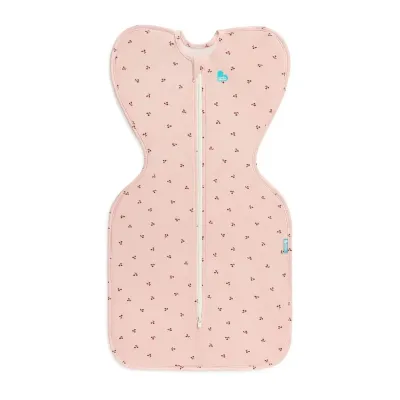
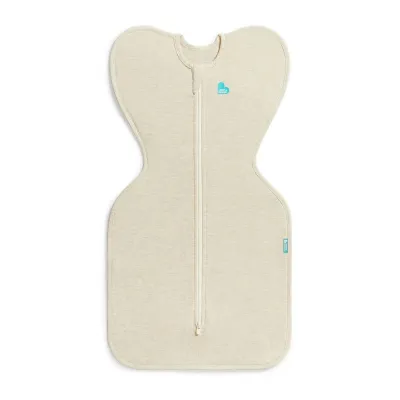
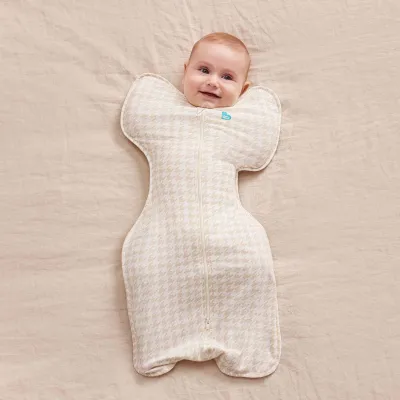
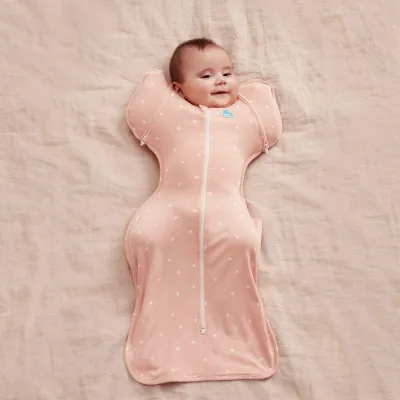
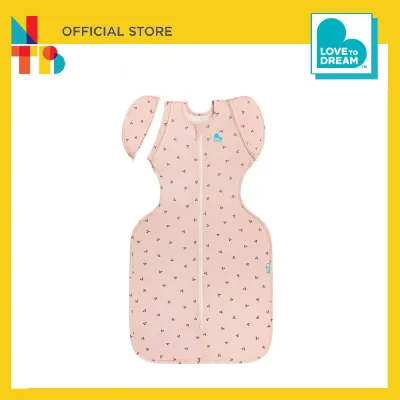
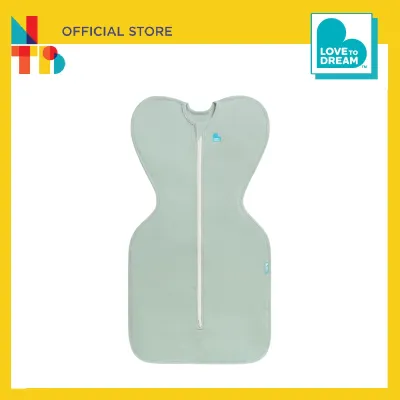
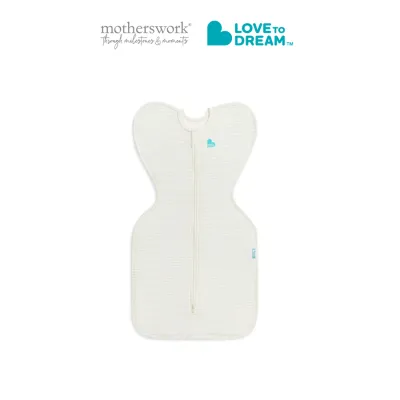
Prices are valid at publication and may change. Please refer to the product page for the latest price.
When a child sleeps in a humid room, the high moisture content in the air slows down the evaporation of sweat from their skin. If they are wrapped in a blanket that traps heat and moisture, a damp microclimate forms next to their skin, leading to heat rashes, skin irritation, and frequent nighttime waking. Conversely, many Singaporean households rely heavily on air conditioning to create a comfortable sleeping environment. However, air-conditioned rooms introduce a different set of challenges: they are cool but can sometimes feel dry or drafty, requiring a light protective layer that keeps the child warm without causing them to sweat.
Therefore, the perfect sleep blanket must perform dual duties. In a naturally ventilated room cooled only by a ceiling fan, the fabric must allow maximum airflow to let heat escape. In an air-conditioned room, it must provide just enough thermal resistance to shield the child from drafts while remaining breathable enough to prevent heat buildup if the air conditioning cycles off. Evaluating Love to Dream products through this environmental lens allows parents to select materials that align perfectly with their specific home setup.
Evaluating Love to Dream Blanket Materials for Tropical Breathability
To select the most comfortable option, it is essential to look closely at the fabric composition and weave of each Love to Dream product. The brand offers several material variations, each engineered to perform differently under specific environmental conditions. Reading the product tags and understanding the properties of these fibers is the first step toward ensuring your child’s thermal comfort.

Natural Fibers: Cotton and Bamboo
Natural fibers are the gold standard for infant sleepwear in tropical regions due to their inherent structural properties. Cotton is a highly reliable material, celebrated for its durability, softness, and natural breathability. When woven into a lightweight jersey or an open muslin weave, cotton allows air to circulate freely around the baby’s body. It absorbs moisture efficiently, helping to keep the skin dry. For everyday use in Singapore, 100% cotton blankets provide a familiar, comforting texture that holds up exceptionally well to frequent machine washing.
Bamboo-derived fabrics, such as bamboo viscose or rayon, offer even greater performance benefits in high-humidity environments. The microscopic structure of bamboo fibers features tiny gaps and micro-holes, which give the fabric exceptional moisture-wicking capabilities. Bamboo viscose can absorb and evaporate moisture much faster than standard cotton, creating a noticeable “cool-to-the-touch” sensation. This rapid evaporation is incredibly beneficial in Singapore’s humid climate, as it actively pulls sweat away from the baby’s skin and releases it into the air, preventing the clammy feeling that often leads to sleep disruptions. When checking Love to Dream labels, look for options that feature a high percentage of bamboo viscose, particularly for rooms that rely on natural ventilation or fan cooling.
Blends and Lightweight Synthetics
While natural fibers are ideal, many blankets on the market incorporate synthetic fibers like polyester or nylon to improve elasticity, wrinkle resistance, and durability. However, blends with a high synthetic content present distinct disadvantages in a tropical climate. Synthetic fibers are essentially plastics; they do not absorb moisture and have very poor breathability. A cotton-polyester blend blanket may feel soft and resist wrinkling, but it tends to trap a layer of warm, moist air against the baby’s body, quickly leading to sweating and discomfort.
Heavy synthetic materials, such as microfiber or fleece, should generally be avoided in Singapore. These fabrics are designed to trap air and retain body heat, making them highly unsuitable for tropical climates. The only exception might be a heavily chilled room where the air conditioning is consistently maintained below 20°C, but even then, layered natural fibers are a safer and more breathable alternative. As a primary decision rule, prioritize blankets with at least 90% to 100% natural fiber content (either cotton, bamboo, or a blend of the two) to ensure optimal heat dissipation and skin health.
Matching TOG Ratings to Air-Conditioned and Ventilated Rooms
Beyond the raw material, the most reliable way to assess a blanket’s warmth is by checking its TOG (Thermal Overall Grade) rating. TOG is an industry-standard measure of thermal resistance; the higher the TOG rating, the warmer the blanket will keep your child. In Singapore, matching the TOG rating of a Love to Dream blanket to your specific room temperature is critical for preventing overheating.
For naturally ventilated rooms, or rooms cooled solely by a standing or ceiling fan where temperatures typically range from 26°C to 30°C, you should opt for the lowest possible thermal resistance. Look for blankets rated between 0.2 TOG and 0.5 TOG. These ultra-lightweight options are usually made from single-layer bamboo viscose or highly breathable muslin cotton. They provide a comforting sense of security and a light layer of protection without adding any significant thermal insulation, allowing the baby’s body heat to dissipate naturally.
If your child sleeps in an air-conditioned room set to a standard temperature of 23°C to 25°C, a 1.0 TOG blanket is generally the most appropriate choice. A 1.0 TOG rating offers a moderate level of warmth, protecting the child from the continuous cool airflow of the air conditioner while still maintaining excellent breathability. These blankets are often constructed from premium, double-layered cotton or a bamboo-cotton blend that balances insulation with moisture control.
It is highly advisable to avoid blankets with ratings of 2.5 TOG or 3.5 TOG in Singapore. These high-TOG products are engineered for cold winter climates and will rapidly cause an infant to overheat in a tropical environment, even in an air-conditioned room. Always cross-reference the blanket’s TOG rating with a reliable room thermometer and adjust your child’s undergarments accordingly. For instance, in a 24°C air-conditioned room, a 1.0 TOG blanket paired with a short-sleeve cotton bodysuit is often the perfect combination, whereas a 0.2 TOG blanket might require a long-sleeve sleep suit underneath.
Care and Maintenance in High Humidity
Maintaining baby blankets in Singapore’s humid climate requires specific care to prevent the growth of mold, mildew, and unpleasant odors. Because natural fibers like cotton and bamboo are highly absorbent, they readily soak up sweat, drool, spit-up, and environmental moisture, making them breeding grounds for bacteria if not cared for correctly.
First, thorough drying is absolutely essential. In Singapore, drying clothes indoors on a drying rack can take a long time due to the high ambient humidity, often resulting in a persistent musty smell. To prevent this, always dry Love to Dream blankets in a well-ventilated area with plenty of airflow, or under direct sunlight, which has natural antibacterial properties. If you use a clothes dryer, always check the product’s care label first; many bamboo-viscose fabrics require a low-heat or delicate cycle to prevent the fibers from shrinking or losing their soft texture.
Second, establish a regular washing routine. Wash the blankets frequently using a mild, baby-safe detergent that does not contain harsh chemicals or artificial fragrances. Avoid using heavy fabric softeners. While fabric softeners might make blankets feel temporarily softer, they leave a chemical coating on the fibers. This coating clogs the natural pores of cotton and bamboo, drastically reducing their breathability and moisture-wicking capabilities, which in turn traps sweat and odors over time.
Finally, store your clean blankets properly. Avoid sealing them in airtight plastic storage bins or vacuum bags in a humid room, as any residual moisture trapped inside will inevitably lead to mildew. Instead, store them in breathable cotton storage bags or on open shelves in a well-ventilated closet, allowing air to circulate and keep the fabrics fresh.
Frequently Asked Questions (FAQ)
Is a higher thread count better for hot weather?
A common misconception is that a higher thread count always indicates a superior blanket for all conditions. In reality, a very high thread count means that more threads are packed tightly together per square inch, creating a dense, heavy weave. While this is excellent for retaining warmth in cold climates, it severely restricts airflow. For Singapore’s hot and humid weather, a moderate thread count with an open, loose weave—such as lightweight jersey or muslin—is far better, as it allows heat and air to pass through freely.
How do I prevent musty odors on the blanket?
To eliminate and prevent musty odors, ensure the blanket is completely dry before folding or storing it. If a damp smell persists after washing, it is often due to a buildup of detergent residues or fabric softeners that have trapped bacteria in the fibers. Wash the blanket on a gentle cycle with a mild, residue-free baby detergent, and skip the fabric softener entirely. Hanging the blanket to dry outdoors in a breezy, sunny spot is the most effective natural way to eliminate trapped odors and keep the fabric smelling fresh.
Community discussion
Share your experience or ask a question. Comments are reviewed before publication.