
Illuminating an outdoor space in Singapore—whether it is a cozy HDB corridor, a breezy condominium balcony, or a sprawling landed property garden—adds an instant touch of warmth and charm. However, Singapore’s tropical environment presents a unique set of challenges. The combination of intense, year-round ultraviolet (UV) radiation, high relative humidity often exceeding 80%, and sudden, torrential downpours can quickly destroy standard indoor decorative lighting. To find the best outdoor fairy lights, you must look beyond aesthetic appeal and focus on robust engineering, climate-resilient materials, and verified safety certifications.
Instead of relying solely on generic brand names, the key to securing long-lasting outdoor illumination lies in understanding how specific materials and power systems perform under local environmental pressures. By evaluating technical specifications such as Ingress Protection (IP) ratings, wire insulation types, and power adapter safety marks, you can select a lighting setup that remains safe and vibrant through every monsoon season. This guide outlines the essential weatherproofing standards, power configurations, and installation practices required to choose and maintain reliable outdoor fairy lights in Singapore.
Key Weather-Resistance Specs for Singapore's Climate
To survive Singapore’s heavy rain and intense sun, outdoor fairy lights must possess a high level of physical protection against both solids and liquids. This protection is officially measured by the Ingress Protection (IP) rating system, which consists of two digits. The first digit (ranging from 0 to 6) indicates protection against solid objects and dust, while the second digit (ranging from 0 to 9) measures resistance to water. Understanding these ratings prevents premature electrical failure and safety hazards in your outdoor setup.
Products mentioned in this guide
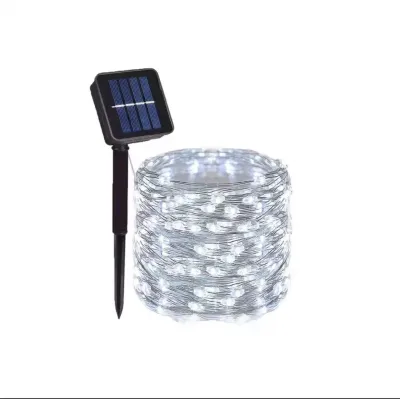
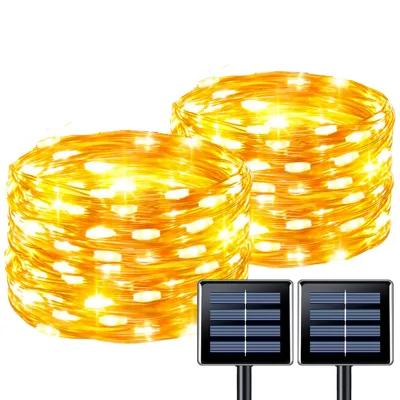
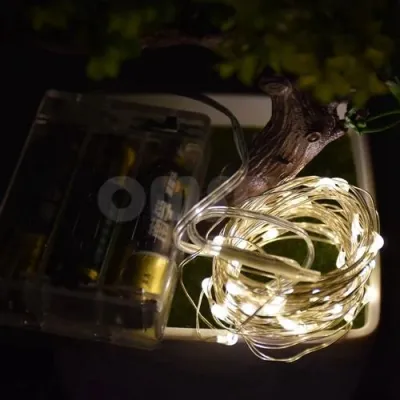
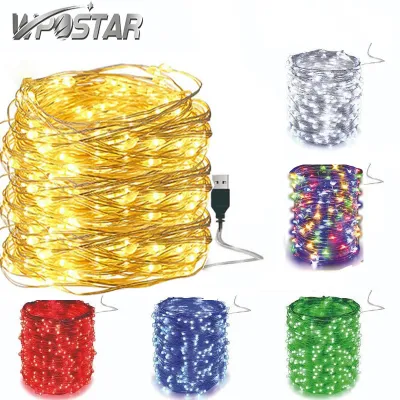
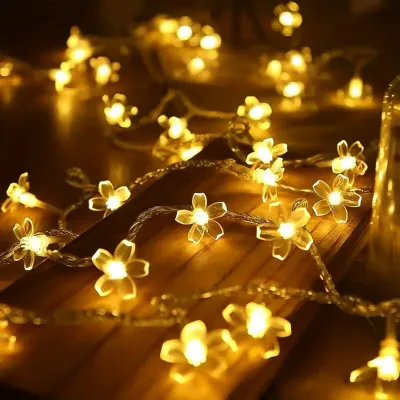
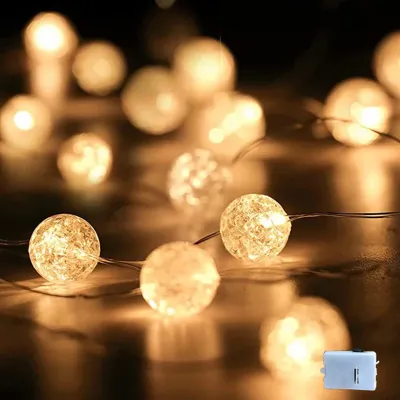
Prices are valid at publication and may change. Please refer to the product page for the latest price.
For outdoor applications, you should look for the following IP classifications based on where the lights will be installed:
- IP44 (Splash-Proof): Suitable only for semi-sheltered areas, such as covered HDB common corridors, deeply recessed condo balconies, or under solid awnings. These lights can withstand light splashes of water from any direction but should not be exposed to direct, heavy downpours or wind-driven rain.
- IP65 (Water-Jet Resistant): The minimum standard for fully exposed outdoor areas, including open-air patios, garden trellises, and rooftop terraces. IP65-rated lights are completely dust-tight and can withstand low-pressure water jets from any angle, making them highly resilient during intense tropical thunderstorms.
- IP67 (Immersion-Resistant): Recommended for ground-level installations, pathway borders, or low-lying garden beds where temporary water pooling is likely to occur during flash floods. These lights can be safely submerged in water up to one meter deep for limited periods.
Beyond IP ratings, the physical composition of the wire and casing determines how well the light string resists degradation. Standard PVC insulation quickly becomes brittle, cracks, or turns sticky when exposed to Singapore’s high UV index and ambient heat. For maximum durability, look for heavy-duty rubberized copper wires (often labeled as neoprene or rubber cables) or UV-stabilized silicone casings. These materials maintain their flexibility and structural integrity despite constant exposure to intense sunlight and thermal expansion.
Moisture ingress is the primary cause of corrosion and electrical short circuits in fairy lights. High-quality outdoor brands combat this by using epoxy-sealed LED diodes, where the light-emitting chip is completely encased in a protective resin block rather than a simple plastic cap. Additionally, look for connection points and extension joints equipped with threaded screw caps and internal rubber O-rings. These physical seals prevent humid air and rainwater from seeping into the electrical contacts over time. Always verify these specifications on the manufacturer’s official product label or technical manual rather than trusting unverified online descriptions.
Matching Power Sources to Your Outdoor Space
Selecting the right power source is a balance between safety, convenience, and the architectural layout of your home. Singapore’s diverse housing types—ranging from high-rise HDB flats to landed estates—dictate which power configuration is most practical and safe for your specific outdoor environment.

Before purchasing any plug-in or wired fairy lights, you must verify the electrical specifications of your outdoor power source. Singapore’s standard mains electricity operates at 230V AC with a frequency of 50Hz, utilizing Type G (three-pin) plugs. Low-voltage fairy light systems that use a step-down transformer (converting 230V mains power to a safer 12V, 24V, or 31V DC) are highly recommended for outdoor environments, as they drastically reduce the risk of severe electrical shock if a wire is accidentally damaged.
Solar-Powered Options
Solar-powered fairy lights offer an energy-efficient, cable-free solution for open outdoor spaces, but their performance is entirely dependent on direct sunlight exposure. In Singapore, solar panels must receive at least six to eight hours of unshaded daylight to charge the internal batteries sufficiently for nighttime operation. This makes them highly effective for open landed gardens, rooftop terraces, and outward-facing condo balconies.
However, solar-powered models are generally unsuitable for HDB common corridors, covered walkways, or deeply recessed balconies that remain in the shade for most of the day. Without direct sunlight, the solar panel cannot generate enough voltage to charge the battery, resulting in dim, short-lived, or non-functional lights. When buying solar options, ensure the solar panel unit itself carries at least an IP65 rating, and check that the mounting bracket can be securely angled toward the sky to maximize solar absorption.
Plug-In and USB Options
Plug-in and USB-powered fairy lights provide consistent brightness and unlimited runtime, making them the preferred choice for reliable, year-round decorative displays. Because they draw power directly from your home’s electrical system, they are immune to cloudy weather and do not suffer from battery degradation. This reliability is ideal for hosting evening gatherings or maintaining permanent architectural lighting.
To use plug-in models safely outdoors, you must connect them to an outdoor-rated, weatherproof electrical outlet box (typically rated IP56 or higher) that features a protective silicone seal around the cord exit. If you must use an extension cord, ensure the cord itself is rated for outdoor use and that all plug connections are housed inside a specialized weatherproof safety capsule. Furthermore, any mains-connected power adapter or transformer used in Singapore must carry the Enterprise Singapore Safety Mark, which certifies that the device has been tested and approved for local electrical safety standards.
Battery-Operated Options
Battery-operated fairy lights offer maximum portability and are ideal for temporary setups, festive events, or areas completely devoid of electrical outlets. Because they do not require complex wiring or sunlight, you can position them virtually anywhere, from dining table centerpieces to temporary balcony railings.
Despite their convenience, battery-operated lights face severe operational hurdles in Singapore’s humid climate. High humidity accelerates the oxidation of metal battery contacts, leading to rust, poor electrical conductivity, and premature battery failure. Additionally, standard alkaline batteries are highly prone to leaking corrosive chemicals when exposed to heat and moisture. To mitigate these risks, always house batteries in a dedicated, gasket-sealed waterproof battery box (rated IP44 or higher), use high-quality rechargeable NiMH or premium lithium batteries, and remove the batteries immediately when the lights are not in use for extended periods.
How to Evaluate Brand Reliability and Warranties
When navigating the vast array of lighting products available on the market, relying on brand names alone is rarely sufficient. Instead, you should use a structured framework to evaluate brand reliability, after-sales support, and safety compliance, especially when detailed long-term reviews for specific models are unavailable.
Begin by scrutinizing the manufacturer’s warranty terms, looking specifically for clauses regarding outdoor exposure. A reliable outdoor brand will explicitly state what is covered under their warranty period. Look for terms that cover manufacturing defects related to “water ingress,” “UV degradation,” or “weather damage” under normal operating conditions. Be cautious of brands that label their products as “outdoor lights” but include fine print that voids the warranty if the lights are exposed to heavy rain or constant sunlight.
Prioritize purchasing from brands that maintain authorized local distributors, physical retail showrooms, or dedicated customer service centers in Singapore. Buying from local entities offers several distinct advantages over ordering directly from overseas sellers on general e-commerce platforms:
- Simplified Claims: If a light string fails prematurely, you can easily exchange the product locally without dealing with expensive international return shipping or unresponsive online sellers.
- Guaranteed Compatibility: Local distributors import products configured specifically for Singapore's 230V/50Hz electrical grid, complete with pre-fitted, certified Type G plugs.
- Accountability: Local businesses are legally bound by Singapore's consumer protection laws, ensuring a higher standard of service and product safety.
Electrical safety is paramount when dealing with outdoor lighting. While the low-voltage LED light string itself may not require individual safety registration, the power adapter or transformer that plugs into your wall socket absolutely does. In Singapore, it is a legal requirement for controlled electrical appliances, including power adapters, to bear the red and blue Safety Mark issued by Enterprise Singapore. This mark indicates that the power supply has undergone rigorous testing against electrical short circuits, overheating, and insulation breakdown.
Finally, seek out verified user reviews that specifically evaluate the product’s performance over several months of continuous outdoor exposure in tropical or equatorial regions. Ignore superficial reviews that only rate the product immediately after unboxing or focus solely on indoor usage. Look for feedback regarding color fading, wire stiffness, water accumulation inside the bulb covers, and how well the customer service team handled warranty replacements for local buyers.
Safe Installation and Mounting Guidelines
Proper installation is just as critical as selecting high-quality hardware. A poorly mounted light string can easily sag, suffer physical damage during sudden windstorms, or create dangerous electrical hazards. Following safe, non-destructive installation techniques ensures both the longevity of your lights and the safety of your home.
When securing fairy lights to outdoor structures, choose mounting hardware that can withstand high temperatures and moisture without degrading. Consider the following low-risk mounting options:
- UV-Stabilized Nylon Cable Ties: Ideal for securing light strings to balcony railings, metal grilles, or garden trellises. Ensure the packaging explicitly states "UV-resistant" or "outdoor use" (typically black in color), as standard white nylon ties will quickly degrade and snap under sunlight.
- Outdoor-Rated Adhesive Hooks: Useful for mounting lights on smooth, non-porous exterior surfaces like glass, tile, or powder-coated aluminum. Choose adhesives formulated specifically for high-humidity, wet environments, and allow the adhesive to cure fully according to the manufacturer's instructions before hanging the lights.
- Stainless Steel Mounting Clips: The most durable option for permanent installations on wooden pergolas or masonry walls. Stainless steel resists rust and provides a secure, mechanical hold that wind cannot dislodge.
To prevent water from traveling along the cable and entering sensitive electrical connections, you must implement “drip loops” during installation. A drip loop is a simple, downward-facing U-shape formed in the wire immediately before it enters an outlet, extension connector, or power adapter. Gravity forces rainwater flowing down the cable to pool at the bottom of the loop and drip safely onto the ground, rather than running directly into the electrical socket. Additionally, always keep all connection joints, splitters, and power adapters elevated off the ground by securing them to walls or railings, preventing them from sitting in pooled water during heavy downpours.
Your safety must always come first during installation. If your lighting project involves fixed electrical wiring, drilling into structural exterior concrete walls, working at dangerous heights (such as high-rise balcony ceilings or roof gutters), or routing cables near your home’s main electrical distribution board, you must isolate the power at the main circuit breaker and consult a Licensed Electrical Worker (LEW) or a qualified professional installer. Never attempt to perform complex electrical modifications yourself.
Before commencing any installation, you must also verify your estate’s management rules. HDB estates are governed by Town Council bylaws, while private condominiums are regulated by Management Corporation Strata Title (MCST) guidelines. Many estates have strict rules regarding drilling into external building facades, hanging decorations over common corridors, or altering the external appearance of balconies. Ensuring compliance with these regulations prevents costly fines and disputes with estate management.
Maintenance Tips for High Humidity and Heavy Rain
Even the most durable, high-quality outdoor fairy lights require regular maintenance to combat the relentless effects of Singapore’s humid, rainy climate. Implementing a simple, routine maintenance schedule can prevent corrosion, extend the lifespan of your lights, and ensure they remain safe to operate.
Conduct a visual inspection of your outdoor lighting setup at least once every three months, looking for the following warning signs:
- Physical Damage: Check for cracked wire insulation, brittle plastic casings, or chewed sections caused by pests.
- Moisture Accumulation: Inspect the inside of bulb covers or sealed caps for visible condensation or water pooling.
- Corrosion: Look for green or brown oxidation on metal connectors, screw threads, and plug pins.
- Performance Issues: Note any dimming, flickering, or individual LED diodes that have failed, as these can indicate an underlying electrical imbalance or moisture ingress.
Keeping your lights clean is essential for both performance and safety. For solar-powered setups, dust, pollen, bird droppings, and algae can accumulate on the solar panel, significantly reducing its charging efficiency. Clean the panel every few weeks by wiping it gently with a soft, damp microfiber cloth; avoid using abrasive scrubbers or harsh chemical detergents that can scratch the protective glass. For the light strings themselves, always turn off and unplug the power supply before wiping the wires and bulbs with a slightly damp cloth to remove dirt and grime.
If you live in an area prone to severe monsoon weather, or if you do not plan to use your decorative lights for an extended period, the best practice is to take them down and store them safely. Before coiling the lights, wipe them down completely with a dry cloth and allow them to air-dry thoroughly in a shaded, well-ventilated indoor space. Once dry, coil the light strings loosely to prevent internal wire strain, and store them in an airtight plastic container. Adding a few packets of silica gel inside the container will help absorb any residual moisture and prevent mold growth during storage.
If you detect any structural damage, exposed copper wiring, or a distinct burning smell while the lights are operating, you must take immediate action. Turn off the power supply at the wall outlet or main breaker, unplug the device, and discontinue use immediately. Do not attempt to repair damaged outdoor electrical wires with standard household electrical tape, as it is not waterproof and will not provide adequate insulation against moisture. Damaged outdoor light strings should be replaced entirely to prevent the risk of fire or electrical shock.
Frequently Asked Questions (FAQ)
Can I leave solar fairy lights outside during the monsoon season?
Yes, provided the lights and solar panel carry a minimum weatherproofing rating of IP65. While high-quality solar lights can physically withstand heavy monsoon rains, the prolonged cloud cover and reduced sunlight during Singapore’s monsoon seasons will significantly limit their ability to charge. This results in shorter runtimes or lights that fail to turn on at night. If the internal rechargeable battery remains completely discharged for several weeks, its overall lifespan can degrade. During extended periods of heavy overcast weather, it is advisable to turn the system off via its physical switch to preserve the battery cycle.
Do outdoor fairy lights consume a lot of electricity?
No, modern LED outdoor fairy lights are highly energy-efficient and consume very little electricity. A standard 10-meter string of LED fairy lights typically draws between 5 and 15 watts of power. To put this in perspective, running a 10-watt light string for 6 hours every night consumes approximately 1.8 kilowatt-hours (kWh) of electricity per month. Based on typical Singapore household electricity tariffs (approximately S$0.30 to S$0.35 per kWh), operating a single string of lights will cost you less than S$1.00 per month. Always check the exact wattage rating printed on your power adapter’s safety label to calculate your precise energy consumption.
Community discussion
Share your experience or ask a question. Comments are reviewed before publication.