
Choosing the right lamp light for your study desk in Singapore directly impacts your productivity, visual comfort, and long-term eye health. Because everyone’s study habits, spatial constraints, and budgets differ, there is no single brand or model that serves as a universal solution. Instead, the market is divided into distinct tiers, each optimized for different types of users and study routines. By identifying where your needs fall, you can make a practical and cost-effective decision.
To determine which tier of desk lamp fits your study routine, consider the following conditional framework:
- Choose Premium Ergonomic Brands if you spend more than four hours daily engaged in intensive reading, writing, or detailed design work. These brands prioritize advanced optical engineering, offering features like asymmetrical light distribution to virtually eliminate screen glare and paper reflections. While they require a higher upfront investment, they are highly recommended for students preparing for major examinations or professionals working long hours from home.
- Choose Mid-Range Smart Brands if you want a balance of modern convenience, high color accuracy, and reliable build quality without paying a premium. These lamps are the ideal fit for university students and home offices. They often feature built-in wireless connectivity, allowing you to control brightness and color temperature via mobile apps or integrate them into your smart home system.
- Choose Budget-Friendly Basics if you only require a lamp for occasional, short-term reading or secondary desk setups. These options provide straightforward illumination with standard LED panels and basic touch controls. When selecting a budget model, the focus should be on verifying basic safety certifications rather than chasing advanced optical features.
How to Evaluate Desk Lamp Light Quality and Build
To make an informed decision, you must look past marketing buzzwords like “eye-protection” or “natural light” and evaluate the objective technical specifications of a lamp light. Understanding these metrics allows you to compare different brands on a level playing field and determine if a higher price point is truly justified by superior engineering.
Products mentioned in this guide
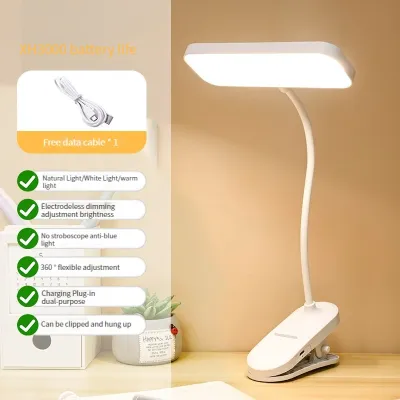
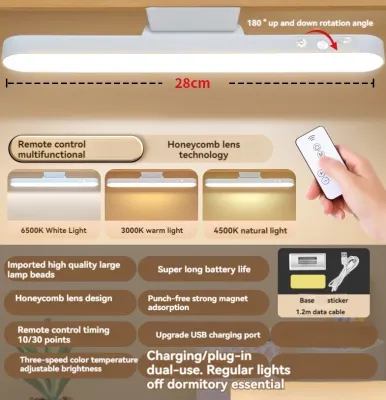
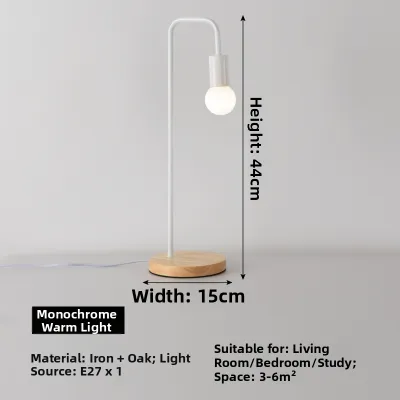
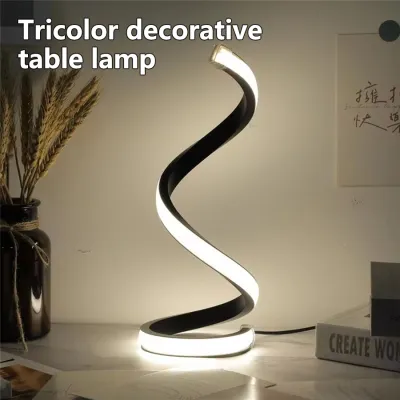
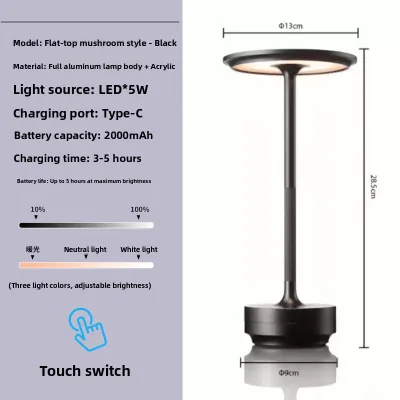
Prices are valid at publication and may change. Please refer to the product page for the latest price.
Lighting Performance
The quality of the light emitted by a desk lamp is determined by several key factors that should be clearly stated on the product packaging or in the technical manual.
- Color Rendering Index (CRI): Measured on a scale up to Ra 100, CRI indicates how accurately a light source reveals the true colors of objects compared to natural sunlight. For study and reading, look for a CRI of Ra 90 or higher. A high CRI ensures that text is sharp and colors are vibrant, which reduces cognitive fatigue during long reading sessions. Lamps with a CRI below Ra 80 can cause colors to look washed out and may lead to subtle eye strain over time.
- Lux and Brightness Levels: While wattage measures power consumption, lux measures the intensity of light hitting a specific surface area. A well-designed study lamp should provide a central illuminance of 500 to 1000 lux on your desk surface. Rather than looking only at peak brightness, check if the manufacturer provides a lux distribution map, which shows how evenly the light spreads across the desk to prevent high-contrast dark spots.
- Color Temperature Adjustability: Color temperature is measured in Kelvin (K) and dictates the warmth or coolness of the light. A versatile study lamp should offer an adjustable range from 2700K (warm white) to 6500K (cool daylight). For active studying and focused tasks, a neutral to cool light of 4000K to 5000K is recommended as it helps promote alertness. Conversely, a warm light under 3000K is ideal for late-night reading as it minimizes blue light exposure before sleep.
Build Quality and Ergonomics
A high-quality study lamp must not only perform well optically but also withstand years of physical adjustment.
- Materials: Premium lamps utilize anodized aluminum alloys or high-grade steel for their arms and joints. Aluminum is excellent at dissipating heat away from the LED chips, which extends their operational lifespan. Budget-friendly models rely heavily on ABS plastics; while lightweight, these plastics can become brittle over time when exposed to the mild heat generated by the light source.
- Joint Mechanisms: The durability of a lamp is often determined by its joints. Look for robust friction joints or spring-loaded tension arms that allow you to adjust the height and angle of the lamp smoothly. Poorly constructed joints will loosen over time, causing the lamp head to sag and direct light into your eyes instead of onto your desk.
- Base Stability: A heavy, weighted base is essential to prevent the lamp from tipping over when the arm is fully extended. If you have a compact desk, check the dimensions of the base to ensure it fits comfortably without crowding your workspace.
Value Assessment
Determining value means assessing whether the price of a lamp aligns with its physical components and performance. A higher price tag is justified when a brand provides certified test reports for photobiological safety (such as IEC standards) and incorporates physical optical diffusers—like micro-prism sheets—that distribute light evenly. If a premium-priced lamp lacks these verifiable specifications and relies solely on aesthetic appeal or brand prestige, a mid-range alternative will likely offer better practical value.
Brand Tiers Compared: Premium, Mid-Range, and Budget
Understanding the market landscape by brand tiers helps you navigate your options effectively, especially since specific models frequently change with new product release cycles.

Premium Ergonomic and Eye-Care Brands
Premium brands focus heavily on advanced research and development to address the physiological effects of artificial lighting. Their products are characterized by sophisticated optical designs, such as asymmetrical light distribution. Unlike traditional lamps that cast light directly downward, asymmetrical lamps project light at a precise angle across your workspace. This technique ensures that the light does not reflect off your computer screen or glossy paper, eliminating the glare that frequently causes eye strain and headaches.
In addition to superior optics, premium lamps often feature integrated ambient light sensors. These sensors continuously monitor the brightness of your study room and automatically adjust the lamp’s output to maintain a constant, optimal level of illumination on your desk. The materials used in this tier are exceptionally durable, featuring precision-engineered metal joints and heavy bases that ensure the lamp remains stable in any position. These brands are highly recommended for those who view study lighting as a long-term investment in visual health.
Mid-Range Smart and Feature-Rich Brands
Mid-range brands offer what many consumers consider the “sweet spot” of value. These lamps typically combine solid optical performance with modern smart features, making them highly popular among university students and home office users. A key advantage of this tier is smart home integration. By connecting the lamp to your home Wi-Fi or Bluetooth network, you can control brightness levels, set schedules, and switch between preset lighting modes using a smartphone app or voice commands.
These preset modes are highly practical for study routines. For example, you can select a “focus mode” that pairs cool, bright light with a built-in Pomodoro timer to encourage structured study intervals, or a “reading mode” that provides a warmer, softer glow. While these lamps may use a combination of plastics and metals rather than all-metal construction, they do not compromise on light quality, often delivering high CRI ratings (Ra 90+) and flicker-free performance at a reasonable price point.
Budget-Friendly and Reliable Basics
Budget-friendly brands focus on delivering straightforward, reliable illumination without any unnecessary features. These lamps are ideal for secondary desks, guest rooms, or occasional reading sessions where advanced optics and smart connectivity are not required. Because they are designed to be cost-effective, they typically feature standard LED panels with basic frosted plastic diffusers, which can sometimes produce slightly harsher shadows than higher-end models.
Controls on budget lamps are usually limited to a simple physical switch or a basic touch-sensitive panel with three pre-set brightness levels. The construction is predominantly ABS plastic, making the lamps lightweight and easy to move, though less robust over the long term. When shopping in this tier, value is defined by safety and reliability. It is crucial to choose established, reputable budget brands that carry verifiable electrical safety certifications, rather than unbranded imports that may cut corners on internal wiring.
Singapore Desk Setup: Safety Marks, Voltage, and Space Checks
When selecting a desk lamp for a home in Singapore, local electrical standards and spatial constraints play a vital role in ensuring safety and usability.
Electrical Safety and the SAFETY Mark
Singapore operates on a mains voltage of 230V at a frequency of 50Hz, utilizing the Type G (3-pin) plug. Because many modern LED desk lamps operate on low-voltage direct current, they rely on an external power adapter to convert the mains electricity.
In Singapore, external power adapters are classified as Controlled Goods. This means that the adapter must be registered with the Consumer Product Safety Office (CPSO) and carry the mandatory SAFETY Mark. This mark, which features a distinctive logo and a unique registration number, certifies that the adapter has been rigorously tested and meets local electrical safety requirements. Before purchasing any lamp—especially from overseas sellers on an online marketplace—verify that the power adapter is compatible with 230V/50Hz and carries this safety certification to prevent electrical hazards or short circuits.
Spatial Optimization for HDB and Condo Desks
Many residential properties in Singapore, including HDB flats and condominiums, feature compact study alcoves or multi-functional bedrooms where desk space is limited. A traditional desk lamp with a heavily weighted base can occupy a significant portion of your usable desk surface, leaving less room for books, laptops, and writing materials.
To optimize a compact workspace, consider alternative mounting styles:
- Clamp-on Mounts: These lamps feature a heavy-duty clamp instead of a weighted base, allowing you to secure the lamp directly to the edge of your desk. This frees up valuable surface area while still providing a highly adjustable arm.
- Monitor Light Bars: These specialized fixtures clip directly onto the top of your computer monitor. They project light downward in an asymmetrical pattern to illuminate your keyboard and documents without casting glare on the screen or occupying any physical space on your desk.
Label Verification and Maintenance
When evaluating a lamp, do not rely solely on unverified marketing claims such as “100% eye-safe” or “zero blue light” found on e-commerce listings. Instead, inspect the physical product label, user manual, or official manufacturer specifications sheet. Look for concrete, verified metrics:
- Wattage: Ensure the rated power consumption aligns with your energy expectations (typically 5W to 12W for efficient LED study lamps).
- CRI and Kelvin Range: Verify that the color rendering index is explicitly stated as Ra 90 or higher, and that the color temperature range covers your preferred study settings.
Additionally, always follow the manufacturer’s care and maintenance instructions to ensure safe operation. Before cleaning your lamp, isolate the power supply by unplugging it from the wall outlet. Wipe the housing and the diffuser gently with a dry or slightly damp microfiber cloth. Never use harsh chemical solvents or abrasive cleaners, as these can degrade the plastic diffusers, damage the protective anodized coating on metal parts, or interfere with touch-sensitive control panels.
Frequently Asked Questions (FAQ)
Is a higher CRI always necessary for reading and studying?
For standard reading of black-and-white text, a Color Rendering Index (CRI) of Ra 80 is generally sufficient and highly legible. However, if your study routine involves detailed color work, graphic design, architectural drawings, or reading textbooks with colored diagrams, a higher CRI of Ra 90 or above is highly beneficial. It ensures that colors are represented accurately, helping to reduce cognitive fatigue and eye strain during extended sessions. Paying a slight premium for higher CRI is a worthwhile investment for long-term visual comfort.
Do I need a smart desk lamp for studying?
A smart desk lamp is not a necessity for effective studying, but it offers significant convenience. Smart features allow you to automate your lighting environment, schedule breaks using Pomodoro timers, or sync the lamp with your daily routine. However, manual controls—such as physical dials or touch buttons—are often preferred by many students because they eliminate the need to look at a smartphone screen, thereby reducing digital distractions during focused study blocks. Choose based on whether you prefer seamless automation or a distraction-free setup.
How can I check if a lamp light is truly flicker-free?
You can perform a quick, low-risk observational check using your smartphone camera. Open the camera app, set it to video or slow-motion mode, and point it directly at the illuminated lamp light. If you see dark, moving bands or rapid strobing on your screen, the lamp exhibits severe, low-frequency flicker, which can cause headaches and eye strain. However, keep in mind that high-frequency flicker is invisible to smartphone sensors and can only be verified through professional testing equipment and official certifications (such as IEEE 1789 or TÜV Rheinland certification) listed in the product specifications.
Community discussion
Share your experience or ask a question. Comments are reviewed before publication.