
Finding the perfect amulet display stand is a balancing act between structural safety, visual harmony, and spatial constraints. Whether you are showcasing a delicate, lightweight pendant, a medium-sized carved figurine, or a substantial, heavy statue, the right stand ensures your artifact remains secure while commanding the attention it deserves. The ideal choice depends on matching the physical dimensions, weight, and base shape of your amulet to a support system that offers a stable center of gravity and a complementary aesthetic.
In urban living environments, such as apartments in Singapore, space optimization and safety are paramount. Displays must withstand the subtle vibrations of daily household activity while fitting seamlessly into curated shelving or cabinets. By understanding the physical requirements of your collection, you can select display solutions that protect your valued pieces from accidental damage while enhancing their unique details.
How to Match Display Stands to Amulet Proportions
Achieving visual balance between your amulet and its stand is the first step in creating an appealing display. The footprint of the stand’s base must be proportional to the overall volume of the artifact. A base that is too small makes the setup look top-heavy and unstable, creating visual anxiety. Conversely, an oversized base can swallow a delicate amulet, drawing attention away from the artifact itself. Aim for a stand base that extends slightly beyond the vertical silhouette of the object to ground it visually.
Products mentioned in this guide
![[Thai Amulet Mini Altar Acrylic Display Stand] *MANY DESIGNS* 泰国佛牌展示底座 Mini Altar Home / Office / Car Display Set](https://img.lazcdn.com/g/ff/kf/S55eb54a0c0134803887308e0b26e3702H.jpg_400x400q80.jpg_.webp)
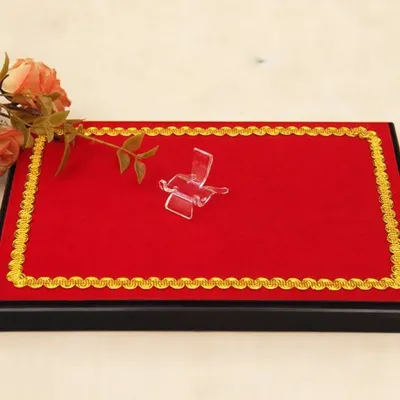
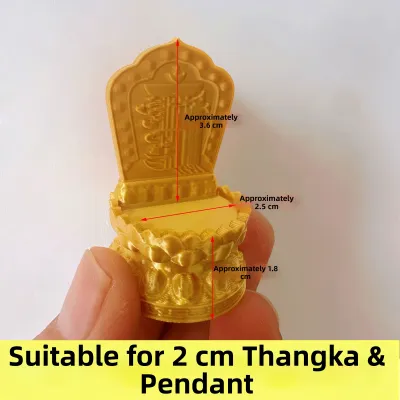
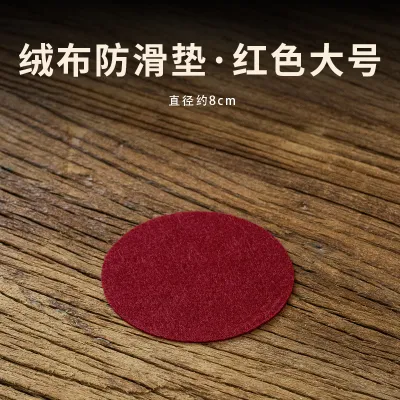
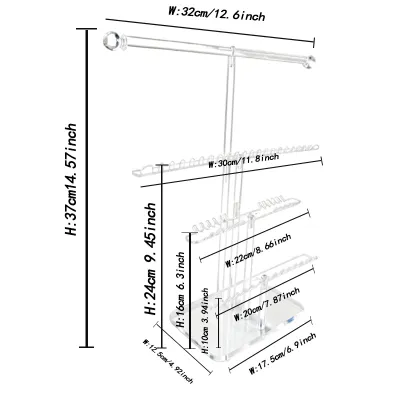
Prices are valid at publication and may change. Please refer to the product page for the latest price.
Weight distribution is a critical safety factor that directly influences your choice of stand. You must identify the center of gravity of your amulet before selecting a support structure. Top-heavy pieces require a heavier, wider stand base to lower the overall center of gravity and prevent tipping. If the amulet naturally leans forward or backward due to its carving or shape, the stand must counteract this lean with angled backplates, custom prongs, or weighted bases.
The shape of the amulet’s base dictates the type of mounting surface required. Flat-bottomed pieces can sit directly on flat surfaces, but they may still require a non-slip interface to prevent sliding. Rounded, uneven, or highly irregular bases cannot stand independently. These pieces require specialized stands with recessed wells, adjustable prongs, or custom-molded cradles that grip the artifact securely without scratching its surface.
Displaying Small Pendants and Lightweight Charms
Small amulets, such as metal pendants, clay tablets, or lightweight charms, benefit from being elevated and tilted toward the viewer’s line of sight. Angled easels made of clear acrylic or polished wood allow light to pass through and around the piece, highlighting intricate details and inscriptions. Small acrylic risers can elevate these items within a display cabinet, making them visible behind other objects without adding visual clutter.

Many small charms have top-heavy loops, bail attachments, or irregular edges that cause them to roll or lie awkwardly on a flat surface. To manage these irregular shapes, look for stands with built-in grooves, slots, or adjustable metal pegs. These features cradle the irregular edges and keep the pendant upright, ensuring the face of the amulet remains fully visible and beautifully aligned.
Displaying single small items can sometimes look cluttered or sparse on a large shelf. To create a cohesive visual impact, utilize tiered or multi-level stands. These structures allow you to arrange multiple small amulets in a stepped format, maximizing vertical space. This approach is particularly useful in compact homes where shelf space is limited, allowing you to showcase a diverse collection in a structured, organized manner.
Supporting Medium Figurines and Carved Artifacts
Medium-sized figurines, often carved from wood, stone, or dense resin, require a base with substantial visual weight. Solid wooden plinths, stone-effect bases, or thick acrylic blocks provide the necessary structural presence. The material of the stand should complement the texture of the figurine; for example, a rustic wooden carving pairs beautifully with a dark, polished hardwood plinth, while a stone figurine benefits from the clean contrast of a solid acrylic block.
For mid-sized artifacts, the stand’s footprint must extend beyond the widest point of the figurine. This design choice prevents accidental tipping if the display shelf is bumped during cleaning or daily activity. Measure the maximum width and depth of your figurine, and select a stand that offers at least a few centimeters of clearance on all sides to maintain a safe center of gravity.
Even medium figurines can have slightly uneven bases due to the hand-carved nature of the artifact. To prevent wobbling, apply small, discreet non-slip silicone pads to the underside of the stand. For the interface between the figurine and the stand, reversible museum wax or clear mounting putty offers an excellent, non-destructive way to secure the piece without causing permanent damage to either surface.
Anchoring Large Statues and Heavy Artifacts
Large, heavy statues demand stands engineered for structural integrity. Avoid thin plastics or lightweight metals that can flex or warp under sustained weight. Instead, prioritize high-load-capacity materials such as solid hardwoods, reinforced steel frames, or thick stone bases. These materials do not degrade under pressure, ensuring the statue remains perfectly level and secure over time.
Tall, heavy statues often have a high center of gravity, making them highly susceptible to tipping during minor tremors or accidental impacts. The base of the display stand must be significantly wider than the statue’s base, and ideally, the stand itself should keep the piece low to the shelf or floor. A low, wide pedestal lowers the combined center of gravity, drastically reducing the risk of a catastrophic fall.
Before placing a heavy statue on a display stand, verify the load capacity of the supporting furniture or shelf. Floating shelves and glass-topped tables are generally unsuitable for heavy stone or metal statues. Ensure the underlying structure can support the combined weight of both the statue and its heavy stand. If displaying on an upper shelf, check that the shelf brackets are anchored securely into solid masonry or wall studs.
Choosing Stand Materials and Finishes for Visual Harmony
The choice of stand material influences how light interacts with your display. Clear acrylic stands offer a modern, minimalist look that makes the amulet appear to float, allowing maximum light penetration. Wooden stands provide warmth and a traditional feel, making them ideal for historical or organic artifacts. Metal stands, particularly those with matte or brushed finishes, offer a sleek, contemporary edge, while stone bases add a sense of permanence and gravity.
The primary goal of a display stand is to showcase the amulet, not itself. Avoid highly reflective, glossy, or overly ornate stands that draw the eye away from the artifact’s intricate details. Matte, satin, or textured finishes are generally preferred as they absorb or softly diffuse light rather than creating harsh glare that obscures the piece.
Over time, certain materials can react chemically with your amulet. For example, some soft plastics or unsealed woods can release volatile organic compounds (VOCs) or acids that tarnish metals or degrade organic materials like wood or bone. Check manufacturer specifications to ensure the stand materials are chemically inert, acid-free, and safe for long-term contact with sensitive artifact surfaces.
Safe Placement, Lighting, and Stability Checks
Place your display stands away from high-traffic pathways, doorways, and table edges where they could easily be knocked over. In tropical climates, avoid placing sensitive wooden or organic amulets in direct sunlight near windows, as intense UV rays and heat can cause cracking, fading, or warping. Closed glass display cabinets are ideal for protecting sensitive pieces from dust and humidity.
Proper lighting enhances the depth and texture of your amulet. Use cool LED spotlights rather than halogen bulbs, as LEDs generate minimal heat and do not emit harmful UV radiation. When installing display lighting, verify the voltage, wattage limits, and ensure the fixtures carry appropriate local electrical safety certifications to prevent overheating or electrical hazards.
If you share your home with pets or young children, extra precautions are necessary to secure your display. Secure top-heavy or fragile displays inside closed glass cabinets rather than on open shelves. You can also use discreet, reversible stabilization methods, such as securing the stand to the shelf with heavy-duty mounting strips or using museum-grade gel to anchor the amulet to its stand.
Frequently Asked Questions (FAQ)
Can I use a standard picture ledge or floating shelf as a display stand?
Yes, but with caution. Standard picture ledges often have a very shallow lip and limited depth, which may not accommodate the footprint of an amulet stand. Ensure the shelf’s weight capacity exceeds the combined weight of your display. The amulet’s center of gravity must sit well within the shelf’s boundaries, and the shelf must be mounted securely to prevent vibrations from household foot traffic from causing the item to slide forward.
How do I clean and maintain acrylic or glass display stands?
To maintain the clarity of transparent stands, use only clean microfiber cloths and specialized, non-abrasive cleaners designed specifically for acrylic or glass. Avoid using paper towels, rough sponges, or household glass cleaners containing ammonia, as these can cause micro-scratches, static buildup, and permanent clouding over time.
What is the best way to display an amulet with a completely rounded bottom?
Amulets with rounded bottoms require specialized support to prevent rolling. Custom-molded acrylic mounts or ring-shaped stands (like small wooden or metal rings) are excellent for cradling the rounded base. Alternatively, you can use a small, fabric-filled display bowl or apply a small amount of reversible museum wax to create a stable, flat contact point on a standard flat stand.
Community discussion
Share your experience or ask a question. Comments are reviewed before publication.