
Selecting the ideal aroma diffuser for your home requires balancing your personal wellness goals, the size of your living space, and your local indoor climate. In Singapore, where homes often alternate between humid ambient air and dry, air-conditioned environments, the way a diffuser disperses essential oils can significantly impact both your comfort and the longevity of the device. Whether you want a gentle, moisture-rich mist to soothe dry skin in a bedroom or a powerful, waterless scent throw to fill an open-plan living room, understanding the mechanics of different diffuser technologies is the first step toward making an informed purchase.
The four primary types of diffusers—ultrasonic, nebulizing, heat, and evaporative—each utilize distinct methods to release aromatic compounds into the air. Choosing between them is not a matter of finding a universal winner, but rather matching their specific operational strengths to your daily routines, budget, and household safety requirements. By evaluating how each technology handles essential oils, moisture, and coverage, you can select a device that seamlessly integrates into your home decor and lifestyle.
Comparing the Four Main Aroma Diffuser Technologies
To make an educated decision, it is essential to understand how these four technologies operate, as their mechanical differences dictate everything from scent purity to maintenance requirements.
Products mentioned in this guide
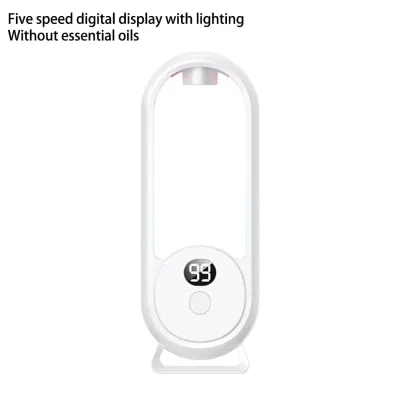
![[LOCAL STOCK-Deliver in 1-3 days] Smart Automatic Aroma Diffuser Air Freshener 5th Gen Nano Mist Fragrance Machine Adjustable Mist Level Wall Mounted Scent Diffuser Leakproof Essential Oil Scent Device for Bathroom Bedroom Office Hotel](https://img.lazcdn.com/g/p/ac20454177c688cb8e6d65dbe17e0fc4.jpg_400x400q80.jpg_.webp)
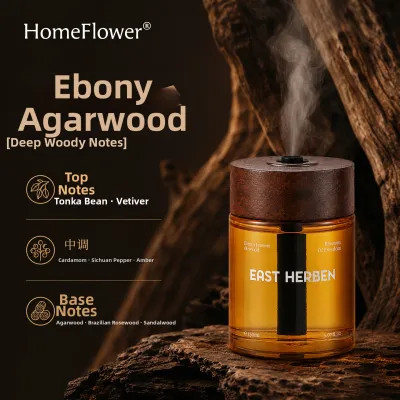
![[SG Ready Stock] Ritz Carlton Inspired Scent. HOTEL COLLECTION REED DIFFUSER 100ml. Aromatherapy Diffuser Home Fragrance Essential Oil](https://img.lazcdn.com/g/p/f7ddecb5db9960151dc448393b1f1d7a.jpg_400x400q80.jpg_.webp)
Prices are valid at publication and may change. Please refer to the product page for the latest price.
Ultrasonic Diffusers Ultrasonic diffusers are the most common models on the market today. These devices feature a small ceramic disc at the bottom of a water reservoir that vibrates at an ultrasonic frequency. This rapid vibration breaks down a mixture of water and a few drops of essential oil into an extremely fine, cool mist that is dispersed into the room by a tiny built-in fan. Because the oil is diluted in water, the resulting scent is typically mild to moderate, making it highly suitable for close-range enjoyment. These units operate with a very low hum, occasionally accompanied by the soothing sound of trickling water. In terms of cost, ultrasonic models are highly accessible, with basic options starting around S$20 and more decorative ceramic or wood-finished models ranging up to S$80. They are highly efficient with oil consumption, requiring only three to five drops per session.
Nebulizing Diffusers Nebulizing diffusers are often favored by aromatherapy purists because they do not require water or heat. Instead, they use an air pump to force pressurized air through a narrow tube, creating a vacuum that pulls pure essential oil from a bottle and atomizes it into a dense, microscopic vapor. This process delivers an incredibly potent, undiluted scent that quickly fills large spaces. However, because the pump operates mechanically, nebulizers are generally louder than ultrasonic models, producing a distinct, low-frequency hum. They are also more expensive upfront, typically starting around S$60 and climbing past S$150 for premium designs. Because they disperse pure, undiluted oil, their oil consumption rate is significantly higher, meaning you will go through your favorite bottles much faster.
Heat Diffusers Heat diffusers rely on a gentle thermal element to warm essential oils until they evaporate into the surrounding air. Unlike traditional oil burners that use open flames, modern electric heat diffusers use low-wattage heating plates to ensure safe, controlled warming. This method produces a very subtle, localized scent throw that is entirely silent, making it excellent for study desks or bedside tables. While they are highly affordable and require virtually no mechanical maintenance, the heat can alter the chemical composition of certain delicate essential oils, potentially reducing their therapeutic properties.
Evaporative Diffusers Evaporative diffusers utilize a small fan to blow ambient air through a pad, filter, or cartridge saturated with essential oil. As the air passes through the pad, it accelerates the natural evaporation of the oil, carrying the scent into the room. This technology provides a light to moderate scent throw with a soft, consistent fan whir. One characteristic of evaporative diffusion is that lighter, highly volatile top notes (such as citrus) evaporate much faster than heavier base notes (such as patchouli or sandalwood), which can cause the scent profile to shift over the course of a single cycle. These units are often budget-friendly and highly portable, sometimes running on batteries for travel convenience.
Matching Diffuser Types to Your Lifestyle and Space
Selecting the right technology requires looking beyond the device itself and analyzing the specific environment where it will operate, alongside the needs of your household members.

For standard bedrooms, home offices, or study rooms—especially those cooled by air conditioning—ultrasonic diffusers are highly practical. The dry air generated by air-conditioning units can dry out nasal passages and skin; the gentle, cool mist of an ultrasonic model adds a small touch of localized moisture while dispersing a relaxing scent like lavender to promote restful sleep. The soft water sounds can also act as a soothing white noise generator.
Conversely, if you want to scent a spacious living room, dining area, or an open-concept apartment, a nebulizing diffuser is far more effective. Its pressurized air technology allows the micro-particles of oil to remain suspended in the air longer, covering a much wider footprint without adding any moisture to the room. This is particularly advantageous in Singapore’s naturally humid climate, where adding extra humidity to unconditioned spaces can sometimes encourage mold growth or make the air feel uncomfortably heavy.
For those who prefer a low-maintenance, completely silent experience, heat and evaporative models are excellent alternatives. They are ideal for small bathrooms, entryways, or walk-in wardrobes where you want a subtle, continuous background scent without the need to constantly refill water tanks. Because they do not use open flames, they serve as a much safer alternative to traditional incense burners or candles, which is a crucial consideration for high-rise apartment living where fire safety is paramount.
Household dynamics must also play a central role in your decision. If you have young children or curious pets, safety is the top priority. Many essential oils contain compounds that can be irritating or toxic to cats and dogs when inhaled in high concentrations. In a home with pets, a highly concentrated nebulizing diffuser should be used with extreme caution, and only in well-ventilated rooms where the animal can easily leave the space. For children’s rooms, a sturdy, shatterproof plastic ultrasonic diffuser with an automatic shutoff feature is much safer than a delicate glass nebulizer that could easily shatter if knocked off a table.
Key Features and Safety Checks to Verify Before Buying
Before finalizing your purchase, it is important to evaluate the physical build, controls, and safety certifications of the specific model you are considering.
First, examine the materials used in the construction of the reservoir or oil chamber. If you plan to use pure, highly concentrated essential oils—especially citrus oils like lemon, grapefruit, or bergamot—ensure the reservoir is made of high-quality, corrosion-resistant materials such as medical-grade polypropylene (PP) plastic, glass, or ceramic. Cheap, low-grade plastics can easily degrade when exposed to concentrated oils, leading to cracking, leaking, and the potential leaching of plastic chemicals into your mist.
Next, verify the operational controls and programming options. Look for models that offer intermittent timer settings (such as 30 seconds on, 30 seconds off) rather than just continuous run modes. Intermittent diffusion is highly beneficial because it prevents olfactory fatigue—a state where your brain acclimates to a scent and stops noticing it—while also conserving your essential oils. An automatic shutoff feature is an absolute necessity for any water-based ultrasonic diffuser, ensuring the device powers down safely the moment the water level drops below the minimum threshold.
Consider the physical footprint, cord length, and placement requirements of the device. Ensure the power cord is long enough to reach your wall outlet safely without being stretched tight across walkways, which creates a tripping hazard. When placing your diffuser, remember that water-based models should never be positioned directly adjacent to moisture-sensitive surfaces, such as untreated wooden furniture, paper books, or electrical outlets. The falling mist can accumulate as condensation, potentially damaging delicate finishes or electronics over time.
Finally, review the warranty terms and the availability of replacement parts. Because diffusers rely on moving parts, heating elements, or vibrating plates, they can wear out over time. Check if the brand sells individual replacement components, such as replacement glass tubes for nebulizers or spare power adapters. Purchasing from reputable retailers that offer clear warranty coverage ensures you have recourse if the device experiences an electrical or mechanical failure shortly after purchase.
Routine Maintenance and Cleaning for Optimal Performance
Proper maintenance is essential to keep your diffuser operating efficiently, preserve the purity of your scents, and prevent the buildup of mold or bacteria.
For water-based ultrasonic diffusers, routine cleaning is critical. Because these reservoirs hold standing water in a warm, humid environment, they can quickly become breeding grounds for mold and bacteria if left uncleaned. After every few uses, or at least once a week, empty any remaining water, rinse the reservoir thoroughly, and wipe it dry with a clean microfiber cloth. Never leave water sitting in the reservoir for days when the device is not in use.
To clean the ultrasonic ceramic plate, which can accumulate a stubborn film of oil residue over time, perform a gentle descaling. Fill the reservoir halfway with clean water and add a teaspoon of white vinegar. Run the diffuser for approximately five to ten minutes in a well-ventilated room to allow the vinegar mixture to break down the oil buildup. Afterward, empty the reservoir and use a cotton swab dipped in white vinegar to gently clean the ceramic disc at the bottom, taking care not to apply excessive pressure. Rinse with clean water and dry thoroughly.
Nebulizing diffusers require a different cleaning approach since they do not use water. To prevent the delicate glass micro-tubes from clogging with dried, viscous oil, you should flush the system regularly. Pour a small amount of high-percentage rubbing alcohol (isopropyl alcohol) into the glass reservoir and swirl it around to dissolve any residue. Pour out the dirty alcohol, add a few fresh drops of rubbing alcohol, and run the nebulizer for a few minutes. The alcohol will evaporate quickly, clearing out the internal tubes and leaving the device clean and ready for your next scent.
When cleaning any diffuser, always avoid using abrasive scrubbing pads, steel wool, or harsh chemical cleaners like bleach or ammonia. These substances can scratch the internal surfaces, degrade plastic components, and leave behind toxic residues that will be dispersed into the air during your next aromatherapy session. If you ever notice a persistent electrical smell, water leaking from the bottom of the unit, or a complete failure of the motor, stop using the device immediately. Do not attempt to open the electrical housing yourself; instead, consult the manufacturer’s manual or contact their customer service team for professional assistance.
Frequently Asked Questions (FAQ)
Can I use synthetic fragrance oils or carrier oils in my diffuser?
You should generally avoid using thick carrier oils (such as jojoba, sweet almond, or coconut oil) in both ultrasonic and nebulizing diffusers. These oils are heavy and non-volatile, meaning they will not disperse into the air; instead, they will coat the ultrasonic plate or clog the microscopic tubes of a nebulizer, permanently damaging the motor. Synthetic fragrance oils can sometimes be used in ultrasonic diffusers if they are specifically labeled as water-soluble, but they often contain synthetic binders that can leave a sticky residue. For nebulizers, only pure, undiluted essential oils should be used to prevent clogging and ensure safe inhalation. Always consult your specific device’s instruction manual to verify which oil types are approved for use.
Will an ultrasonic diffuser act as an effective room humidifier?
No, an ultrasonic diffuser cannot replace a dedicated room humidifier. While ultrasonic diffusers do release a visible mist of water vapor, their water reservoirs are typically very small (usually between 100ml and 500ml), and their moisture output is highly localized. A dedicated room humidifier is designed to process several liters of water per day to raise the relative humidity of an entire room. If you are dealing with severe dry air from continuous air-conditioning, you should purchase a dedicated humidifier for climate control and use your aroma diffuser strictly for targeted aromatherapy.
Is it safe to leave an aroma diffuser running overnight?
It is safe to leave an aroma diffuser running overnight only if the device is equipped with an automatic shutoff feature that powers it down when the water runs out. However, even with this safety feature, running a diffuser continuously throughout the night is not recommended due to the risk of olfactory fatigue and respiratory irritation. Continuous exposure to strong essential oils while sleeping can overstimulate your senses and lead to headaches or nasal congestion. If you wish to use a diffuser overnight, utilize an intermittent timer setting or a low-output mode that runs for a designated one to two hours before turning off automatically.
Community discussion
Share your experience or ask a question. Comments are reviewed before publication.