
Choosing the right automatic air freshener for your home is not about finding a single, universally superior device. Instead, the ideal choice depends on your specific room dimensions, ventilation patterns, maintenance habits, and household sensitivities. By understanding how timed aerosol sprays, ultrasonic diffusers, and continuous plug-ins operate, you can select a mechanism that matches your living space and lifestyle.
Understanding Automatic Air Freshener Mechanisms
Automatic air fresheners rely on distinct methods of scent dispersion, ranging from pressurized bursts to water-based misting and thermal evaporation. Power sources also differ, with battery-operated units offering placement flexibility while mains-powered devices require proximity to electrical outlets. Fragrance intensity and dispersion range vary significantly based on these mechanisms, making it essential to check manufacturer specifications for coverage limits before purchasing.
Aerosol and Mist Sprays
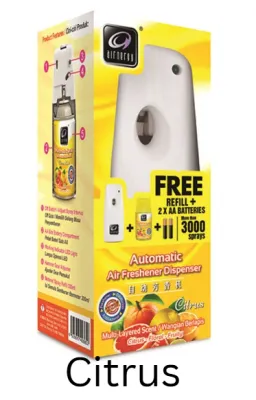
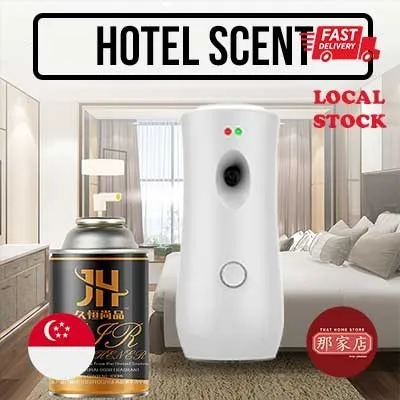
Timed aerosol and mist spray devices operate on a straightforward mechanical principle. A battery-powered motor depresses a nozzle at pre-set intervals, releasing a fine burst of pressurized fragrance into the air. Most models feature adjustable settings, allowing you to choose between frequent light bursts or less frequent, more concentrated releases depending on the room’s needs. Because these devices do not require a mains connection, you can mount them high on walls or place them on top of tall cabinets to maximize scent dispersion.
Products mentioned in this guide

![Glade Automatic Spray Machine | Spray Refill Compatible Options [1Spray Refill225ml+2 AA BATTERY+1 Automatic Spray]](https://img.lazcdn.com/g/p/b17090fcc92a621509633798f0ffd257.jpg_400x400q80.jpg_.webp)
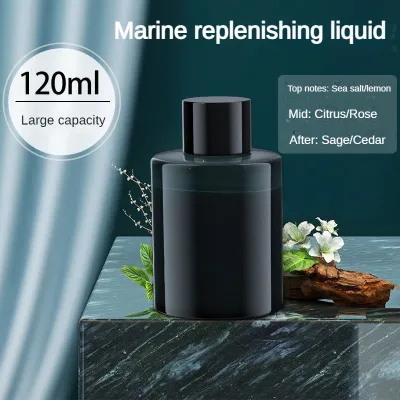
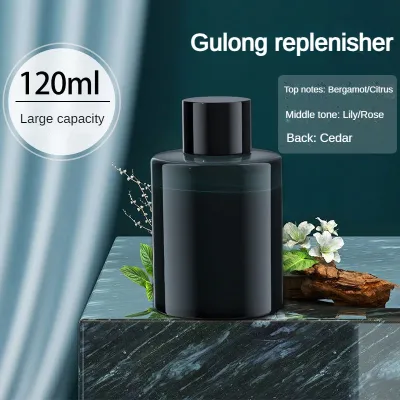
Prices are valid at publication and may change. Please refer to the product page for the latest price.
However, these systems require regular physical upkeep to ensure consistent operation. You will need to replace the batteries periodically and occasionally clear the nozzle of dried residue to prevent clogs. The physical nature of the spray means that fine droplets or chemical propellants can settle on nearby surfaces over time. To prevent damage or contamination, avoid placing these units directly above delicate electronics, polished wood furniture, or food preparation areas.
Ultrasonic and Heat Diffusers
Ultrasonic and heat-based diffusers offer a more continuous, atmospheric approach to home fragrancing. Ultrasonic models use a small ceramic disc vibrating at high frequencies to break down a mixture of water and essential oils into a cool, fine mist. This mist is then dispersed into the room, adding a subtle touch of moisture to the air alongside the fragrance. Heat-based diffusers, on the other hand, use a gentle thermal element to warm a saturated pad or a reservoir of liquid fragrance, encouraging natural evaporation without the use of water or mist.
Both systems have specific environmental dependencies that affect their performance. Ultrasonic units require regular tank cleaning to prevent mineral buildup and mold growth, which can degrade the vibrating mechanism and compromise air quality. Heat-based units are highly dependent on ambient temperature and airflow; in cooler or highly air-conditioned rooms, the evaporation rate may slow down. Additionally, the heat applied in thermal diffusers can alter the delicate chemical profile of certain natural essential oils, sometimes changing the perceived scent compared to a cool-mist ultrasonic system.
Plug-in and Gel Evaporators
Plug-in evaporators and automatic gel dispensers are designed for continuous, low-maintenance fragrance delivery. Mains-powered plug-ins utilize a small heating element to warm a wick inserted into a liquid fragrance bottle, while gel evaporators rely on natural airflow or small internal fans to circulate scent from a solid gel cartridge. Many modern plug-in units feature adjustable dials or smart sensors that allow you to fine-tune the release rate based on your preferences or the time of day.
Because plug-ins rely on mains electricity, they require an accessible, unobstructed wall outlet to function safely and effectively. Placing them behind heavy furniture or curtains can block the scent throw and create a potential safety hazard. It is also crucial to verify that the device’s voltage rating matches local electrical standards before plugging it in. For gel-based systems, keep in mind that the refills will dry out and shrink over time, which gradually reduces the consistency of the scent throw as the surface area of the gel decreases.
Matching Freshener Types to Your Home Environment
Selecting the right automatic air freshener requires a careful evaluation of your home’s physical layout and environmental conditions. A device that works perfectly in a small, enclosed powder room may fail to make an impact in an open-concept living area. To avoid disappointment, start by estimating the volume of the target room and comparing it to the manufacturer’s stated coverage area. You must also consider how structural features like high ceilings, open floor plans, and the placement of air conditioning vents will influence how the fragrance travels through your living space.

Room Size, Layout, and Airflow
The physical dimensions and airflow patterns of a room dictate which freshener mechanism will perform best. Plug-in evaporators typically offer a localized scent throw, making them ideal for compact, enclosed spaces like hallways, entryways, or small bedrooms where the fragrance can accumulate gently. In contrast, timed aerosol sprays release a pressurized burst that can travel across a much wider area, making them better suited for larger living rooms or open-plan spaces where a passive system might get lost.
Air circulation plays a major role in how long a fragrance lingers in the air. Strong cross-ventilation from open windows or the constant draft from air conditioning units can rapidly dissipate lighter mists or gel-based scents before they have a chance to circulate. To counter this, map out the high-traffic zones and natural air currents in your home. Placing a timed spray or diffuser near an entryway but away from direct exhaust vents can help carry the scent naturally throughout the room without wasting the refill.
Humidity and Temperature Factors
Singapore’s tropical climate, characterized by high humidity and warm temperatures, directly impacts the performance and lifespan of automatic air fresheners. High ambient humidity can slow down the evaporation rate of passive gel refills and heat-based evaporators, as the moisture-laden air is less capable of absorbing additional vapor. This can result in a noticeably weaker scent throw compared to drier environments. Conversely, in air-conditioned rooms where the air is dry, these refills may evaporate much faster than expected, increasing your ongoing replacement costs.
Moisture levels also dictate where you can safely install electrical units. Bathrooms and service yards often experience high levels of steam and condensation, which can damage the internal circuitry of mains-powered plug-ins or battery-operated sprayers. Before installing any electronic freshener in a damp area, check the product label for an Ingress Protection (IP) rating or specific safety warnings regarding moisture exposure. Additionally, store your unused liquid or gel refills in a cool, dry cupboard away from direct sunlight to prevent the ingredients from separating or degrading prematurely.
Lifestyle, Safety, and Maintenance Considerations
Beyond room size and climate, your daily routine and the members of your household should guide your choice of automatic air freshener. Different mechanisms require varying levels of hands-on maintenance, and some may not be suitable for homes with sensitive occupants. It is essential to weigh the long-term upkeep and safety implications of each system before making a purchase. Reviewing ingredient labels and safety data sheets provided by manufacturers can help you identify potential irritants before introducing a new device to your living space.
Households with Pets, Children, or Allergies
Safety is the paramount concern when introducing automated fragrance devices into homes with pets, young children, or individuals with respiratory conditions. Many common essential oils and synthetic fragrance compounds can be highly toxic to domestic animals, particularly cats and dogs, who may inhale the particles or ingest them during grooming. It is highly recommended to consult a veterinarian before using any automatic diffuser or spray in a pet-friendly household.
Physical placement is equally critical for preventing accidental exposure. Ensure all automatic devices are mounted or placed well out of reach of children and pets to prevent tipping or direct contact with the chemical refills. Never position a timed aerosol sprayer where its direct spray path aligns with pet bedding, food bowls, or areas where children play on the floor. If anyone in your household suffers from asthma, allergies, or other respiratory sensitivities, look for hypoallergenic, phthalate-free, or fragrance-free odor-neutralizing refills, and consider running the devices on their lowest frequency settings.
Refill Compatibility and Ongoing Upkeep
The true cost and convenience of an automatic air freshener system are largely determined by its ongoing maintenance and refill requirements. Many popular automatic devices are designed to work exclusively with proprietary refill cartridges or canisters. This closed ecosystem limits your ability to switch brands or use cheaper third-party alternatives, meaning you must verify the long-term availability and cost of these refills before committing to a specific device.
Upkeep routines vary significantly between mechanisms. Ultrasonic diffusers require frequent attention, including emptying and wiping down the water tank every few days to prevent bacterial growth and mineral scaling. Timed sprayers require less frequent cleaning, but you must still wipe the nozzle occasionally to prevent clogs from distorting the spray pattern. If you prefer to buy refills in bulk from online marketplaces or local retailers to save money, always check the expiration dates and ensure you have a cool, dark storage space to keep them from losing their potency over time.
Pre-Purchase Checklist and Specification Verification
Before purchasing an automatic air freshener, taking a few minutes to verify technical specifications can save you from safety hazards and compatibility issues. This checklist will help you evaluate any device before bringing it home:
- Electrical Safety and Compatibility: For mains-powered plug-ins and diffusers, confirm that the device's voltage rating matches Singapore's standard 230V supply and that it features the appropriate three-pin plug. Avoid using travel adapters for long-term, continuous-use appliances.
- Physical Dimensions and Clearance: Measure the wall space or shelf where you plan to place the unit. Ensure that plug-in models will not block adjacent outlets or stick out so far that they could be knocked loose by passing foot traffic. For timed sprayers, ensure there is at least two meters of clear space in front of the nozzle.
- Power Source and Ongoing Costs: Calculate the total cost of ownership by comparing battery-operated models with mains-powered units. While battery-operated devices offer placement flexibility, they require ongoing battery replacements. Check the manufacturer's estimated battery life and refill lifespan under your intended usage settings.
- Warranty and Support: Review the manufacturer's warranty terms, particularly for automatic models with motorized parts or motion sensors. Understanding what is covered in the event of a mechanical failure can help you assess the overall durability and value of the device.
Frequently Asked Questions (FAQ)
Can I use my own essential oils in an automatic aerosol sprayer?
No, you should not attempt to use your own essential oils or custom liquid blends in an automatic aerosol sprayer. These devices are precisely engineered to work with specific propellants and highly refined, low-viscosity fragrance formulas. Introducing pure essential oils or water into a pressurized aerosol canister or its mechanical pump will clog the fine nozzle, damage the internal motor, and void the manufacturer’s warranty. If you prefer to customize your scents using pure essential oils, a dedicated ultrasonic diffuser is a much safer and more effective option.
Do automatic air fresheners consume a lot of electricity?
Mains-powered automatic air fresheners and plug-in evaporators are highly energy-efficient and consume very little electricity. Most of these devices operate at extremely low wattages, typically ranging between 2 to 5 watts, which is comparable to a small LED nightlight. To calculate the exact energy consumption, you can check the power rating label on the back of the device. Battery-operated timed sprayers do not draw any mains electricity at all, though you should factor in the environmental and financial costs of purchasing replacement batteries over the lifespan of the device.
Community discussion
Share your experience or ask a question. Comments are reviewed before publication.