
Finding a reliable bathroom diffuser requires navigating the unique challenges of a high-humidity environment. In spaces frequently subjected to steam, lingering moisture, and temperature fluctuations, standard aromatherapy devices often underperform or fail prematurely. Excess ambient moisture can stall the evaporation of passive diffusers, compromise the delicate electronic components of active devices, and accelerate mold growth on porous surfaces. To select a diffuser that safely and effectively freshens your bathroom, you must evaluate devices based on their mechanical design, material composition, electrical safety ratings, and maintenance requirements. This guide provides a comprehensive framework to help you identify the most resilient options for damp spaces, ensuring your chosen device remains hygienic and functional over the long term.
Why Bathroom Humidity Changes Diffuser Performance
High humidity fundamentally alters how different diffusers disperse scent into the air. In a typical bathroom, especially after a hot shower, the air becomes heavily saturated with water vapor. For passive scent solutions like reed diffusers, this high ambient humidity severely restricts performance. Passive diffusion relies on the evaporation of a liquid carrier from the surface of a porous reed into the surrounding air. When the air is already holding near-maximum moisture, the rate of evaporation slows down dramatically, leaving the fragrance trapped within the reeds and rendering the diffuser virtually scentless.
Active diffusers, which use mechanical or thermal energy to disperse essential oils, face a different set of challenges in wet environments. Ultrasonic diffusers rely on a small ceramic disc vibrating at ultrasonic frequencies to create a fine mist of water and essential oil. When operated in an already saturated bathroom, the surrounding air cannot easily absorb the additional moisture, causing the mist to condense rapidly and fall back onto surrounding surfaces as damp residue. Furthermore, high humidity can interfere with the oil-water emulsion inside the reservoir, leading to uneven scent dispersion and potential oil buildup on the vibration plate.
Products mentioned in this guide
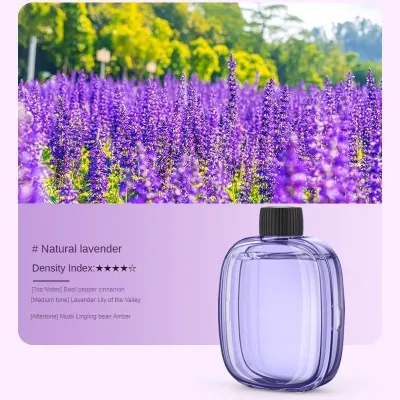
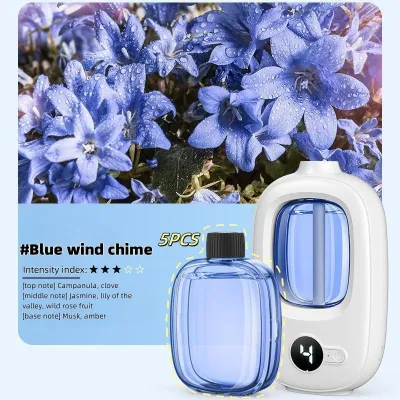
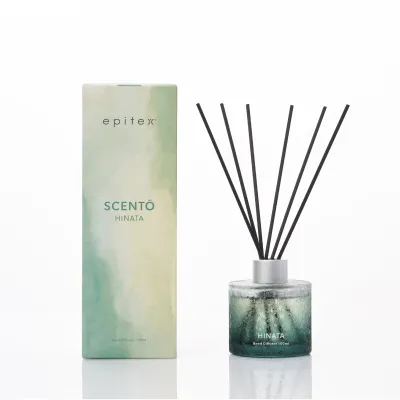
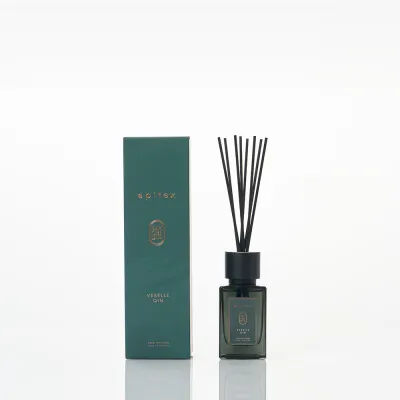
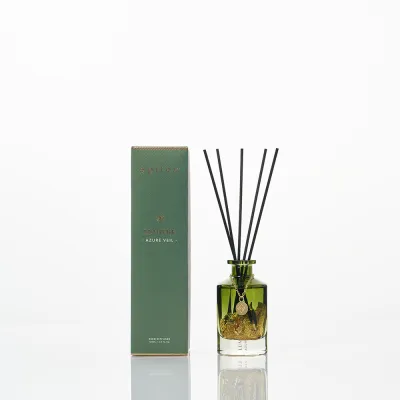
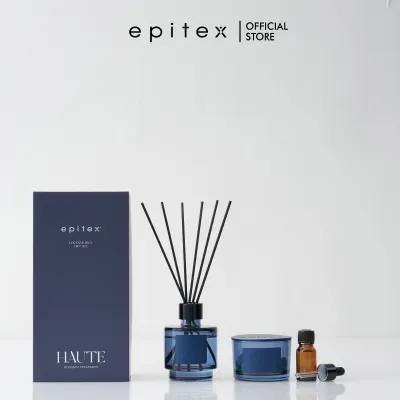
Prices are valid at publication and may change. Please refer to the product page for the latest price.
The combination of warmth, moisture, and organic essential oils also creates an ideal breeding ground for biological growth. Mold spores and bacteria thrive in damp, stagnant environments, particularly on porous materials like natural rattan reeds, wooden caps, or unsealed ceramic shells. If a diffuser is left unchecked in a humid bathroom, these microorganisms can colonize the device, leading to unpleasant musty odors and potential respiratory irritation when the device is activated. Understanding these environmental impacts is the first step in choosing a material and design capable of withstanding wet conditions.
Essential Features for Humidity-Resistant Diffusers
When shopping for an active bathroom diffuser, verifying electrical safety certifications and moisture resistance is paramount. Because bathrooms are classified as wet zones, any plug-in or rechargeable device must feature robust protection against water ingress. Look for products that carry recognized electrical safety marks and specify an Ingress Protection (IP) rating. An IP21 rating offers basic protection against vertically falling drops of water, while an IPX4 or higher rating ensures the device can withstand splashes from any direction, making it far more suitable for placement near sinks or showers.

Material selection plays a critical role in preventing corrosion and mold accumulation. Avoid diffusers made with porous wood, unglazed clay, or cheap metals that rust quickly when exposed to steam. Instead, prioritize high-quality, non-porous materials such as polypropylene (PP) plastic, acrylonitrile butadiene styrene (ABS) plastic, thick glass, or fully glazed ceramics. Polypropylene is particularly favored in aromatherapy devices because it is highly resistant to both corrosive essential oils and moisture absorption, making it easy to wipe clean and sanitize.
An automatic shutoff feature and integrated timers are essential safety mechanisms for any bathroom-bound active diffuser. An auto-shutoff function ensures that the device powers down immediately once the water reservoir is depleted, preventing the heating element or ultrasonic plate from dry-burning and creating a fire hazard. Timers allow you to control the duration of diffusion, preventing the device from running continuously and over-saturating an already damp room with unnecessary moisture.
Finally, look for structural designs that prioritize easy disassembly and thorough drying. A diffuser with complex, hard-to-reach internal chambers will inevitably trap moisture and foster mold growth. Opt for models with simple, wide-mouth reservoirs, removable splash guards, and detachable power cords. This allows you to easily empty, clean, and completely dry every component between uses, ensuring the device remains hygienic and functional.
Evaluating Diffuser Types for Wet Environments
To find the right fit for your bathroom, it is helpful to compare the distinct advantages, limitations, and maintenance needs of the four primary diffuser categories.
Reed and passive diffusers are highly valued for their simplicity and complete lack of electrical components, making them entirely safe from short circuits or water damage. However, their scent dispersion is naturally limited in high-humidity environments. To counter the reduced evaporation rate, you can use synthetic fiber reeds instead of natural rattan, as synthetic fibers are less prone to clogging and mold. While passive diffusers are excellent for continuous, low-intensity scenting in small guest bathrooms, they may struggle to overcome the heavy steam of a frequently used master shower.
Ultrasonic diffusers offer powerful, customizable scenting but require careful management in damp spaces. Because they disperse a water-based mist, they actively add humidity to the room, which can exacerbate dampness if the bathroom lacks adequate ventilation. If you choose an ultrasonic model, it is critical to select a compact unit with a small reservoir (under 100ml) to limit the amount of water added to the air. Additionally, these devices must never be placed where water can splash into their air intake vents or electrical ports.
Nebulizing diffusers operate without water, using pressurized air to atomize pure essential oil into a fine vapor. This waterless operation is a major advantage in humid bathrooms, as it does not contribute to the ambient moisture level. However, the precision glass or metal nozzles of nebulizers are highly sensitive to humidity; damp air can cause the concentrated oil to thicken and clog the micro-tubes. Regular maintenance using rubbing alcohol is required to keep a nebulizer running smoothly in a damp environment.
Heat and candle diffusers use thermal energy to evaporate essential oils. While simple, candle-lit diffusers present a severe fire hazard in small, enclosed bathrooms where towels, bathmats, and toilet paper are in close proximity. Flameless electric heat diffusers are a safer alternative, but they must still meet strict electrical safety standards. Because heat can alter the chemical composition of some essential oils, these devices should only be used if you prefer a subtle, localized scent and can guarantee the device is kept far away from water splashes.
Building Your Bathroom Diffuser Shortlist
Selecting the ideal diffuser involves matching the device’s capabilities to the physical characteristics of your bathroom. Begin by assessing the room’s square footage and ventilation status. A small, windowless bathroom relying solely on passive wall vents will quickly become oversaturated by a large ultrasonic diffuser, making a passive reed diffuser or a compact, timed nebulizer a much safer choice. Conversely, a spacious bathroom equipped with a high-capacity mechanical exhaust fan can easily accommodate a small ultrasonic unit, provided the fan runs during and after use to draw out excess moisture.
When compiling your shortlist, create a strict verification checklist for every candidate product. Confirm that the manufacturer explicitly states the device is suitable for damp environments or lists a verified IP rating. Check the product specifications for the input voltage and power source; USB-rechargeable, battery-operated, or low-voltage DC models (such as 5V or 12V) are generally safer for bathroom use than high-voltage AC plug-in models, as they minimize the risk of severe electrical shock.
Exclude any products that lack clear safety certifications, feature exposed metal parts prone to rusting, or have complex reservoirs that cannot be easily scrubbed. Reading user feedback specifically focused on bathroom usage can also reveal potential design flaws, such as weak seals around the power button or plastic shells that discolor and degrade when exposed to steam. Budgeting between S$30 and S$80 is typically sufficient to secure a durable, safety-certified active diffuser or a premium, mold-resistant passive set.
Safe Placement and Maintenance in the Bathroom
Proper placement is critical to ensuring both electrical safety and optimal scent performance. Always position active diffusers on a stable, elevated surface at least one meter away from direct water sources like showers, bathtubs, and sinks. Never place a plug-in device on the edge of a bathtub or a wet vanity counter where it could easily be knocked into standing water. If your bathroom has a GFCI (Ground Fault Circuit Interrupter) outlet, ensure the diffuser is plugged into this outlet for maximum protection against electrical faults.
Avoid placing any diffuser in enclosed cabinets, tight corners, or directly against walls. These stagnant zones trap moisture and prevent the scent from dispersing, leading to localized condensation that can damage paint, wallpaper, or wooden cabinetry. Instead, choose an open shelf or a dry corner of a countertop that receives moderate airflow, allowing the fragrance to circulate naturally throughout the space.
Establishing a rigorous maintenance routine is the most effective way to prevent mold growth and prolong your diffuser’s lifespan. For water-based ultrasonic models, empty the reservoir completely after every single use; never allow water and oil to sit stagnant in the tank for multiple days. Wipe the interior dry with a clean microfiber cloth and leave the lid off to air dry completely. Once a week, clean the reservoir and the ultrasonic plate using a soft brush and a mixture of warm water and white vinegar or mild dish soap, then rinse thoroughly.
Monitor your diffuser closely for any signs of wear or malfunction. If you notice unusual odors, discoloration of the plastic shell, a reduction in mist output, or a warm power adapter, immediately stop using the device. Unplug it safely after ensuring your hands are completely dry, and consult the manufacturer’s troubleshooting guide or customer support. Taking these proactive steps ensures your bathroom remains a safe, hygienic, and beautifully scented sanctuary.
Frequently Asked Questions (FAQ)
Can I use a standard bedroom diffuser in the bathroom?
Using a standard bedroom diffuser in a highly humid bathroom carries notable risks. Most standard diffusers lack moisture-proof seals or IP ratings, leaving their internal circuitry vulnerable to condensation, which can cause short circuits or premature electrical failure. Additionally, their outer shells and internal water tanks are often not treated to resist the rapid mold growth typical of damp bathroom environments. To determine if a bedroom diffuser can be safely repurposed, check the product manual for its maximum operating humidity limit and verify if it has any water-resistance certifications. If the manual warns against use in damp spaces or lacks an IP rating, it is best to keep the device in dry living areas.
Do reed diffusers grow mold in humid bathrooms?
Yes, reed diffusers are highly susceptible to mold growth when placed in humid bathrooms. The combination of high ambient moisture, warm air, and organic materials like natural rattan reeds or wooden caps creates an ideal environment for mold spores to colonize. Once mold takes hold, it clogs the porous channels of the reeds, completely blocking scent dispersion and releasing musty odors. To prevent this, regularly flip the reeds to keep them from oversaturating, ensure the bathroom is well-ventilated, and choose synthetic pore reeds or mold-resistant materials that do not absorb excess water.
Are essential oils safe to diffuse in a small, enclosed bathroom?
Diffusing essential oils in a small, enclosed bathroom requires careful concentration control to avoid respiratory irritation. Because these spaces have limited air volume, high concentrations of airborne oils can quickly become overwhelming and irritate the eyes, nose, and throat. To ensure safety, limit diffusion times to short intervals of 10 to 15 minutes, use only a few drops of oil, and always run the exhaust fan or open a window to maintain continuous airflow. If you experience any discomfort, headache, or breathing difficulty, immediately turn off the device, exit the room, and ventilate the space fully.
Community discussion
Share your experience or ask a question. Comments are reviewed before publication.