
Choosing the right Bioair room spray for your home requires balancing the physical characteristics of your space with your personal sensory preferences and safety requirements. By evaluating room volume, ventilation, and the specific ingredients of each formulation, you can select a scent profile that enhances your environment without overwhelming it. This guide provides a systematic approach to identifying a suitable spray variant, ensuring a pleasant and safe atmospheric transition in any room.
Selecting a home fragrance is more than just picking an appealing scent from a shelf; it is about understanding how that fragrance interacts with your daily living conditions. Different rooms serve distinct purposes, and the physical layout of your home plays a major role in how a spray disperses and lingers. Taking a methodical approach to your purchase ensures that you invest in a product that delivers the desired atmosphere while respecting the health and comfort of everyone in your household.
Understanding Your Space and Scent Needs
Before browsing specific fragrance profiles, take a close look at the physical dimensions of the rooms you intend to scent. In typical Singapore apartments, such as HDB flats or condominiums, spatial layouts can vary significantly. A closed, air-conditioned bedroom has very different air circulation compared to an open-concept living room with balcony doors open to the tropical breeze. High airflow accelerates scent dispersion, meaning you may need a more robust formulation or more frequent applications to maintain the fragrance. Conversely, enclosed spaces with minimal ventilation retain scents longer, requiring a lighter touch to prevent the aroma from becoming cloying.
Products mentioned in this guide
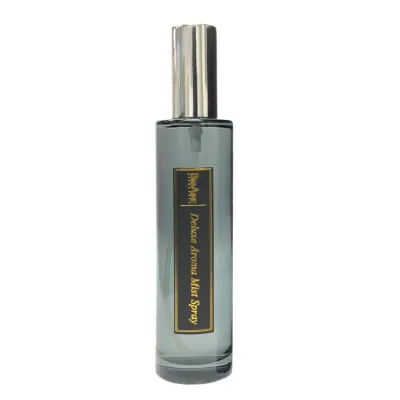
Prices are valid at publication and may change. Please refer to the product page for the latest price.
Ceiling height is another spatial factor that many homeowners overlook when selecting a room spray. High ceilings increase the overall volume of air in a room, which dilutes the fragrance mist more rapidly as it rises and disperses. If you have double-volume ceilings or an open loft layout, a standard manual spray may require multiple applications across different corners of the room to achieve an even scent distribution. For standard-height rooms, a single, well-directed spray toward the center of the space is often sufficient to establish a subtle background aroma.
Next, identify the specific mood shift or functional goal you want to achieve in each area of your home. Fragrance has a powerful influence on our perception of an environment, making it a valuable tool for zoning different parts of your living space. For instance, you might want an energizing atmosphere in your home office to help maintain focus during long working hours, while your living room might benefit from a warm, inviting scent that encourages social interaction. If your primary goal is to neutralize stubborn odors from cooking or dampness, you will need to look for formulations specifically designed for odor elimination rather than simple masking.
Finally, differentiate between high-traffic communal zones and private, low-traffic spaces. Communal areas like living rooms, dining spaces, and entryways host diverse activities and multiple occupants, making universally appealing, moderate-intensity profiles a practical choice. Private sanctuaries, such as a personal study, walk-in wardrobe, or master bathroom, allow for highly personalized or intense scent choices tailored strictly to individual preferences. By separating your home into these distinct zones, you can create a cohesive sensory journey that transitions smoothly from one room to the next.
Evaluating Bioair Product Labels and Specifications
When shopping for Bioair room sprays, the product label and online specification sheet are your primary sources of truth. Begin by examining the ingredient list and safety data sheets if they are available. Look closely for the presence of natural essential oils, synthetic fragrance compounds, and potential allergens. If anyone in your household has known respiratory sensitivities, skin allergies, or contact dermatitis, verifying these components is an essential step to prevent adverse reactions and ensure a comfortable living environment.

Next, check the net volume of the product against your expected usage frequency to gauge its long-term value. Room sprays are typically sold in bottles ranging from small travel sizes to large household dispensers. If you plan to use the spray multiple times a day across several rooms, a larger bottle will offer better longevity and reduce the frequency of repurchases. Conversely, if you only intend to use the spray occasionally or want to test a new fragrance, a smaller volume is a more practical and low-risk choice.
It is also important to verify the manufacturer’s instructions regarding the spray’s delivery mechanism. Determine whether the product is an aerosol spray that uses pressurized propellants or a non-aerosol pump spray. Aerosol sprays generally deliver an ultra-fine, consistent mist that stays suspended in the air for longer periods, but they require careful storage away from heat sources. Non-aerosol pump sprays release slightly larger droplets that may settle more quickly onto surfaces but often contain fewer chemical propellants, making them a preferred choice for environmentally conscious consumers.
Lastly, pay close attention to any surface safety warnings printed on the packaging. Many room sprays contain alcohol, solvents, or natural oils that can react chemically with certain materials. If the mist accidentally lands on polished wood, acrylic plastics, leather upholstery, or delicate silk curtains, it can cause permanent staining, clouding, or finish degradation. Confirming these warnings beforehand helps you establish safe spraying habits and protects your valuable home furnishings from accidental damage.
Matching Scents to Specific Room Scenarios
To create a harmonious home environment, match general fragrance families to the specific functions of your living spaces. For living rooms, entryways, and guest areas, prioritize welcoming, balanced, and universally appealing profiles. Light citrus notes, soft green tea, or gentle floral blends work exceptionally well in these communal zones. These scents provide a refreshing transition from the humid outdoor climate of Singapore without overwhelming guests or competing with the aromas of food from an adjacent dining area.
For bedrooms and dedicated winding-down zones, focus on calming, low-intensity, or grounding notes. Classic choices like lavender, chamomile, cedarwood, or soft sandalwood are excellent for signaling to your body that it is time to rest. Avoid sharp, highly stimulating scents like peppermint, eucalyptus, or intense citrus in these areas, as they can inadvertently wake up your senses when you are trying to prepare for sleep. Keep the application light in bedrooms to ensure the fragrance remains a subtle background element rather than a dominant presence.
High-humidity or high-odor areas, such as bathrooms and kitchens, require a completely different approach. In these spaces, opt for crisp, clean, or actively odor-neutralizing scents. For bathrooms, fresh eucalyptus, mint, or sea salt profiles help mask dampness and maintain a clean, spa-like atmosphere. In kitchens, herbal or citrus notes like lemongrass, rosemary, or grapefruit naturally complement cooking aromas rather than clashing with them. Avoid heavy, sweet, or highly musky scents in the kitchen, as they can make food preparation areas feel heavy and unappealing.
If your household includes pets, infants, or individuals with heightened sensitivities, you must adjust your scent choices and application methods accordingly. Many essential oils that are suitable for humans can be highly irritating or even toxic to dogs and cats when inhaled or absorbed through the skin. Opt for extremely mild, highly diluted formulations, and consider spraying them only in rooms where your pets are not currently present. Allow the mist to settle completely and ensure the room is well-ventilated before letting your pets or sensitive family members re-enter the space.
Safe Usage and Storage Guidelines
Establishing clear boundaries for how you use and store your room sprays is essential for protecting both your home’s occupants and your property. Because many room sprays contain flammable ingredients like alcohol or pressurized propellants, they must be kept away from potential ignition sources. Store your bottles in a cool, dry place out of direct sunlight, and never place them near gas stoves, open flames, candles, or electrical outlets. When applying the spray, always direct the nozzle away from warm light fixtures, running appliances, and your face.
Before allowing the spray mist to settle over large areas of your furniture or fabrics, always perform a localized spot test. Choose an inconspicuous area, such as the underside of a sofa cushion, the back hem of a curtain, or a hidden corner of a wooden table. Spray a small amount from the recommended distance and let it dry completely. Inspect the area under good lighting to ensure there is no discoloration, water spotting, or changes in the material’s texture before proceeding with wider application.
Adequate cross-ventilation is another critical factor for safe room spray application, particularly in smaller or enclosed spaces. When spraying in bathrooms, walk-in wardrobes, or small study rooms, make sure to open a window or turn on a mechanical exhaust fan. This helps disperse the concentrated airborne droplets quickly, preventing the air from becoming heavy and reducing the risk of respiratory irritation or coughing fits for anyone entering the room immediately afterward.
Finally, if you plan to use room sprays in a home with infants, pregnant individuals, or pets with chronic respiratory conditions, prioritize safety by consulting a professional. Reach out to your pediatrician or veterinarian to discuss the specific ingredients listed on your Bioair product. They can provide professional guidance on which chemical compounds or essential oils to avoid entirely, helping you maintain a beautifully scented home without compromising the health of your most vulnerable family members.
Where to Buy and What to Verify Before Checkout
To ensure you are purchasing genuine Bioair products that meet strict safety and quality standards, always prioritize authorized retail channels. Buy directly from official brand stores, authorized online retailers, or reputable physical pharmacies. Purchasing from unverified third-party sellers on general online marketplaces carries a higher risk of receiving counterfeit, diluted, or improperly stored products. These compromised items may not only have an altered scent profile but could also contain unauthorized chemicals that pose health risks.
Once your order is delivered, take a few minutes to inspect the physical packaging before opening or using the product. Verify that the safety seal on the bottle is completely intact and shows no signs of tampering. Look for a clearly printed batch code and expiration date on the bottom or side of the container. A missing batch code or a broken seal is a major warning sign, indicating that the product may be expired, returned, or compromised, and you should contact the seller immediately for a replacement.
Before finalizing your purchase, make sure you fully understand the seller’s return and exchange policies. Many e-commerce platforms and physical retailers have strict hygiene restrictions that prevent the return of home fragrance products once they have been opened or sprayed. If you are purchasing a new scent that you have not experienced before, check if the seller offers smaller trial sizes or if they have a physical showroom where you can test the fragrance in person before committing to a full-sized bottle.
To find a better value for your household, compare the unit prices of different bottle sizes and multi-packs. Calculate the cost per milliliter (S$/ml) by dividing the total price by the volume of the bottle. Often, larger bottles or bundled sets offer a significantly lower unit cost, making them a practical financial choice for high-use areas. However, if you are still exploring different scent profiles, paying a slightly higher unit price for a smaller bottle is a sensible way to avoid wasting money on a fragrance that may not suit your home’s aesthetic.
Frequently Asked Questions (FAQ)
How long does the scent typically last in a room?
The longevity of a room spray’s scent depends on several environmental factors, including the room’s humidity, temperature, and airflow, as well as the specific fragrance formulation. In highly ventilated spaces or rooms with active air conditioning, the scent will dissipate more quickly than in closed, still environments. To manage expectations, check the manufacturer’s estimated duration on the label and perform a trial spray in your target room to observe how the fragrance behaves over time.
Is it safe to spray directly on fabrics and furniture?
Not all room sprays are formulated for direct application on soft furnishings. Some products contain oils, alcohols, or synthetic carriers that can leave oily residues, dissolve finishes, or cause fabric discoloration. Always read the product label to confirm if it is rated for fabric use. Before spraying any textile or wooden surface, perform a localized spot test on a hidden area and discontinue use immediately if you notice any changes in texture or color.
Community discussion
Share your experience or ask a question. Comments are reviewed before publication.