
Selecting an appropriate brass lamp for the Hungry Ghost Festival (Zhong Yuan Jie) requires a careful balance of cultural respect, structural stability, and spatial suitability. During the seventh lunar month, these traditional lighting fixtures serve a vital spiritual role on altars across Singapore, guiding spirits and honoring ancestors. Choosing the right lamp involves understanding traditional symbols, assessing your specific altar environment, and evaluating modern safety considerations.
Whether you are setting up a temporary street-side altar at an HDB void deck or maintaining a permanent family shrine indoors, the physical design and fuel type of your brass lamp will dictate its safety and longevity. By focusing on material quality, stable bases, and protective features, you can ensure your offerings are conducted with the utmost dignity and peace of mind.
Traditional Requirements for Hungry Ghost Festival Lamps
In Chinese custom, lighting a lamp during the Hungry Ghost Festival is a profound gesture of compassion and respect. The flame symbolizes wisdom, warmth, and a guiding light for wandering spirits (yin souls) who are permitted to return to the human realm during the seventh lunar month. By illuminating the altar, devotees believe they are clearing a path for these spirits, easing their suffering, and generating spiritual merit for both the living and the deceased.
Products mentioned in this guide
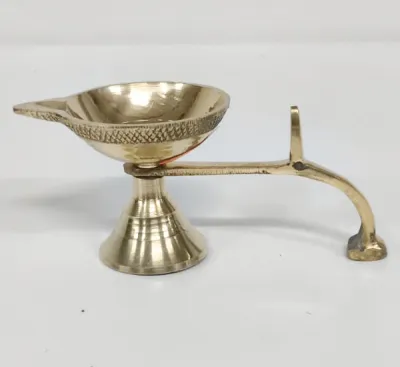
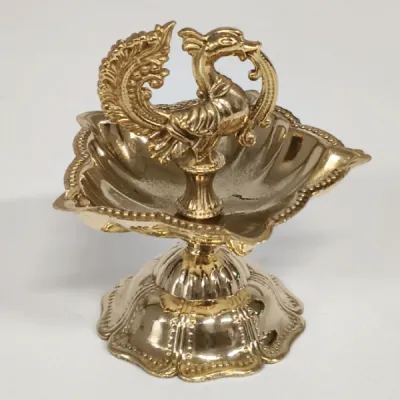
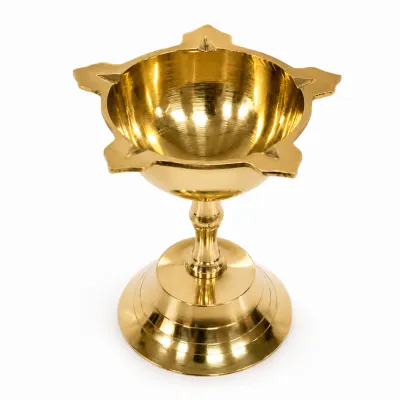
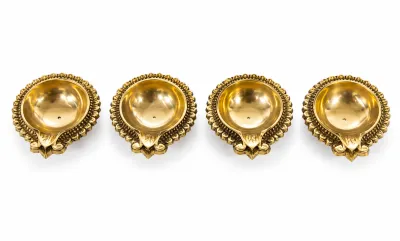
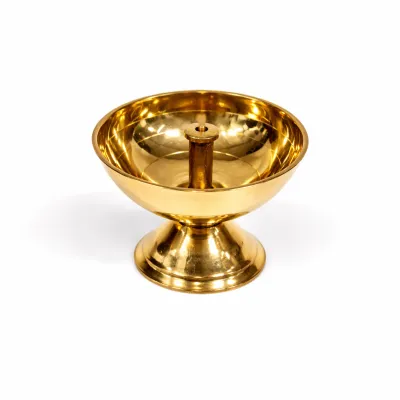
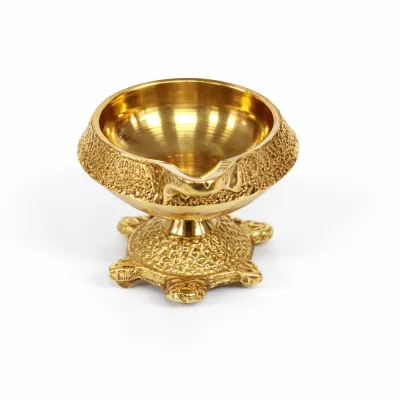
Prices are valid at publication and may change. Please refer to the product page for the latest price.
Traditional brass lamps are highly valued for this purpose because brass represents the metal element in Feng Shui, which signifies purity, resilience, and auspicious energy. When shopping for a lamp, look for classic motifs engraved or cast into the metal. The lotus flower is the most common and revered design, symbolizing purity rising above worldly troubles. Other appropriate motifs include dragons, which represent protective celestial energy, and auspicious endless knots, which symbolize longevity and uninterrupted harmony.
Symmetry is a foundational principle in traditional Chinese altar setups, meaning lamps must always be purchased and placed in identical pairs. One lamp is positioned on the left and the other on the right of the central deity or ancestor tablet to maintain a harmonious balance of Yin and Yang. While ornate designs are highly traditional, the overall appearance of the lamps should remain dignified and respectful. Avoid overly flashy, modern novelty shapes that detract from the solemnity of the ritual.
Choosing the Right Design, Size, and Pairing
Before purchasing a pair of brass lamps, you must carefully measure your altar space to ensure a proper fit. An oversized lamp can crowd the altar, leaving insufficient room for essential offerings such as tea cups, incense burners, and food plates. Conversely, a lamp that is too small may look disproportionate and fail to provide adequate illumination. For standard home altars, lamps ranging from 10 to 15 centimeters in height are usually ideal, while larger ancestral or community altars can comfortably accommodate taller fixtures of 20 to 30 centimeters.

Physical stability is a critical safety feature, especially when dealing with open flames or hot liquid oil. High-quality brass lamps are typically made from solid cast brass, which provides a heavy, substantial base that resists accidental tipping. Avoid lightweight, hollow stamped-metal alternatives, as they are easily knocked over by a stray sleeve or a sudden draft. A wide, flared base design offers the best structural support, ensuring the lamp remains firmly anchored to the altar surface.
If you plan to burn liquid oil, pay close attention to the depth and capacity of the internal oil reservoir. The cup must be deep enough to hold a sufficient volume of fuel—ideally between 50 to 100 milliliters—to sustain a continuous flame throughout your worship session. A reservoir that is too shallow will require frequent, disruptive refills during the ritual, which increases the risk of hot oil spills and skin burns.
Indoor Shrine vs. Outdoor Street Offerings: Scenario Guide
In Singapore, Hungry Ghost Festival rituals take place in two distinct settings: controlled indoor home altars and exposed outdoor street shrines, such as those set up near HDB void decks, industrial estates, or temporary community tents. Each environment presents unique physical challenges that dictate the type of brass lamp you should use.
Indoor Home Altars
Indoor home altars require compact, highly controlled lighting setups to prevent soot accumulation and heat damage. Because indoor spaces lack constant wind, you can use open-cup brass oil lamps or standard candle holders, provided they are placed on a stable, level surface.
To protect wooden altar tables or modern lacquered consoles from heat transfer and accidental oil drips, always place a heat-resistant mat, ceramic tile, or dedicated brass tray beneath each lamp. Additionally, ensure the room has adequate ventilation; burning oil or wax in a closed space can leave dark soot deposits on your walls and ceiling over time. Keeping a window slightly open during the ritual helps dissipate smoke and maintains a clean indoor environment.
Outdoor and Temporary Street Altars
Outdoor altars are highly vulnerable to unpredictable weather, wind gusts, and high humidity, requiring heavy-duty brass lamps designed to withstand the elements. The primary challenge outdoors is keeping the flame lit while preventing hot fuel from spilling.
For outdoor setups, select brass lamps equipped with tall glass chimneys (often called hurricane lamps) or those featuring enclosed, adjustable lotus-petal wind guards. These protective barriers shield the flame from sudden drafts while allowing oxygen to feed the fire. Outdoor lamps must also feature exceptionally heavy, wide bases to prevent them from being blown over. Because Singapore’s tropical humidity can rapidly tarnish raw metal, look for brass lamps treated with a protective clear lacquer coating to prevent oxidation and rust during outdoor exposure.
Fuel Compatibility: Oil, Wax, and Modern Alternatives
Brass lamps are designed to accommodate specific fuel types, and matching the lamp to your preferred fuel is essential for both safety and ritual correctness. Traditional liquid oil lamps utilize cotton or fiber wicks supported by floating metal or cork holders, while candle-style brass lamps feature a flat cup or a central spike to secure solid wax.
For liquid oil lamps, traditional vegetable-based oils such as peanut oil, canola oil, or specialized ghee oil are highly preferred. These natural oils burn cleanly, emit a pleasant, mild aroma, and carry positive symbolic associations with nourishment and abundance. Avoid using low-quality synthetic oils or highly scented mineral oils indoors, as they can produce thick, toxic black smoke and leave stubborn soot deposits on your altar furnishings.
If you prefer solid wax, ensure the brass lamp’s cup is wide enough to catch melting wax. Without a sufficiently wide collar, dripping wax can overflow, staining your altar cloth and creating a difficult-to-clean mess on the brass surface.
In modern Singaporean apartments, battery-operated LED brass lamps have become an increasingly popular and widely accepted alternative. These fixtures replicate the warm, flickering glow of a real flame using energy-efficient LED bulbs housed inside a traditional brass casing. They eliminate the risks of open flames, hot oil spills, and indoor air pollution, making them an excellent choice for households with young children, pets, or strict building fire safety regulations.
Fire Safety and Lamp Maintenance During the Festival
Operating open-flame brass lamps requires strict adherence to fire safety protocols to prevent accidents. Never leave burning oil or wax lamps unattended under any circumstances. Ensure that all flammable materials, including paper offerings (joss paper), incense sticks, decorative fabrics, and window curtains, are kept at a safe distance of at least one meter from the burning lamps.
Always place your brass lamps on non-combustible surfaces such as stone, ceramic, or thick metal trays. During extended outdoor burning sessions, it is prudent to keep a fire extinguisher, a bucket of sand, or a large bowl of water nearby in case of emergencies. When it is time to extinguish the flame, use a metal candle snuffer rather than blowing on the wick; blowing can cause hot oil to spray or send burning embers drifting toward flammable materials.
Once the lamp has cooled completely, routine maintenance will preserve its golden luster and prevent corrosion. Wipe down the brass surface with a soft, dry microfiber cloth after every use to remove accumulated soot, dust, and oil residue. If oil has spilled onto the brass, clean it gently with a cloth dampened with warm, soapy water, then dry the metal immediately.
Avoid using harsh chemical cleaners, steel wool, or abrasive scrubbing pads on your brass lamps. These abrasive materials can easily scratch the polished metal or strip away the protective lacquer coating, leaving the raw brass exposed to rapid tarnishing. For unlacquered brass that has lost its shine, use a gentle, dedicated brass polish or a mild homemade paste of baking soda and lemon juice to safely restore its traditional brilliance.
Frequently Asked Questions (FAQ)
Can I use LED or battery-operated brass lamps for offerings?
Yes, LED or battery-operated brass lamps are widely accepted for Hungry Ghost Festival offerings in Singapore. While traditional liquid oil or wax candles are preferred in orthodox rituals, modern electronic alternatives are highly practical for HDB flats and apartments where open flames pose a significant fire hazard. In contemporary practice, the sincerity of your intention and the respectful presentation of the altar are considered far more important than the physical fuel source.
How do I clean heavily tarnished brass lamps before the festival?
To clean heavily tarnished, unlacquered brass lamps, apply a gentle, natural paste made from equal parts lemon juice and baking soda. Rub the paste onto the metal using a soft cloth, let it sit for five minutes, then rinse it off thoroughly with warm water and dry it immediately with a clean towel. If your brass lamp has a protective clear lacquer coating, do not use acids or polishes; instead, simply wipe it down with a soft, damp microfiber cloth to avoid stripping the protective layer.
Community discussion
Share your experience or ask a question. Comments are reviewed before publication.