
Setting up a home altar is a deeply personal and spiritually significant process, serving as a focal point for daily reflection, meditation, and devotion. Among the various ritual items, the altar lamp holds a central role, representing the light of wisdom that dispels the darkness of ignorance. Selecting the right Buddha altar lamp requires balancing traditional symbolic values with the practical realities of modern living.
In Singapore, where high-rise apartments like Housing & Development Board (HDB) flats and condominiums are the norm, factors such as indoor air quality, spatial constraints, and fire safety regulations play a critical role in this decision. Whether you opt for a traditional open-flame oil lamp or a modern LED alternative depends on your daily schedule, the layout of your home, and your personal approach to Buddhist practice.
Key Factors to Consider Before Choosing an Altar Lamp
Before purchasing an altar lamp, it is essential to evaluate your personal living environment and daily routine. Different lamp types impose varying demands on your time, space, and safety habits.
Products mentioned in this guide
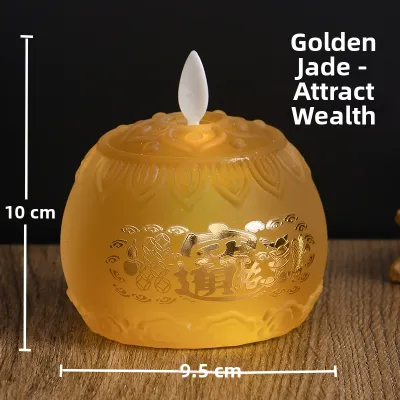
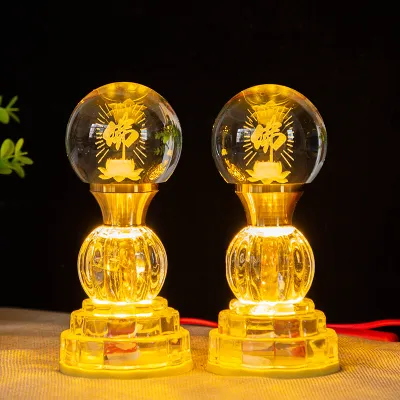
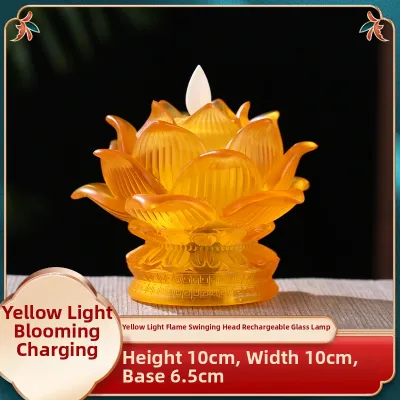
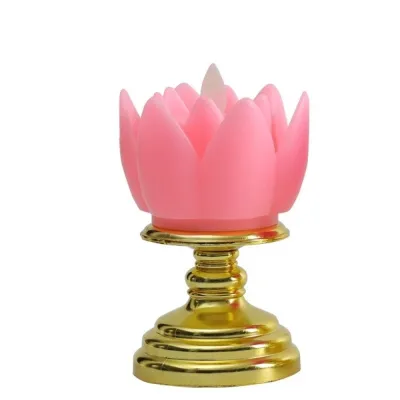
Prices are valid at publication and may change. Please refer to the product page for the latest price.
Living Space and Safety Constraints
High-density residential environments demand careful consideration of indoor air quality and fire hazards. Many modern Singaporean homes feature compact layouts with integrated living and dining areas, or dedicated altar corners that may lack direct outdoor ventilation. Open flames consume oxygen and release combustion byproducts, which can quickly accumulate in enclosed spaces. Additionally, HDB flats and condominiums are equipped with sensitive household smoke detectors or localized fire alarm systems. Unattended open flames pose a genuine risk of accidental fires, making it essential to evaluate your space and ventilation before deciding on a lamp type.
Maintenance Commitment
Every type of altar lamp demands a different level of upkeep, which must align with your lifestyle. Traditional liquid oil lamps and wax candles require active, daily management. This includes refilling oil reservoirs, trimming wicks to control flame size and soot, scraping away melted wax, and cleaning sticky residues from surrounding surfaces. If you lead a busy professional life or travel frequently, this daily maintenance routine can become a burden. Conversely, electric and LED alternatives offer a plug-and-play experience, requiring only occasional dusting or battery changes, allowing you to maintain a clean and orderly altar with minimal effort.
Religious and Traditional Preferences
From a spiritual perspective, the choice of lamp reflects your personal practice style. Traditional practitioners often emphasize the symbolic merit of offering a real flame, viewing the physical act of preparing, lighting, and tending the lamp as an active form of mindfulness and devotion. The impermanence of a burning candle or oil lamp also serves as a direct contemplation of life’s transient nature. However, modern Buddhist teachers and temples widely accept and encourage the use of electric and LED lights. In contemporary practice, the sincerity of your intention and the symbolic representation of light are considered far more important than the physical combustion of fuel.
Comparing the 4 Main Types of Buddha Altar Lamps
To help you make an informed decision, it is helpful to examine the distinct characteristics, practical requirements, and operational trade-offs of the four primary types of altar lamps available on the market. These range from traditional liquid-fueled lamps to advanced electronic fixtures designed to replicate the appearance of a live flame.

Traditional Oil Lamps
Traditional oil lamps, often crafted from polished brass, copper, or heavy glass, are the classic choice for dedicated practitioners. These lamps typically burn pure vegetable oil, canola oil, olive oil, or traditional clarified butter (ghee).
- Aesthetic and Symbolism: They provide a warm, steady, and natural golden flame that carries deep traditional significance. The process of filling the lamp and lighting the wick is a meditative ritual that helps transition the mind into a state of worship.
- Maintenance Requirements: These lamps demand consistent daily attention. Wicks must be trimmed regularly to prevent the flame from smoking, and the oil level must be replenished. Over time, vaporized oil can settle on nearby walls, ceilings, and other altar items, creating a sticky residue that requires frequent deep cleaning with specialized degreasers.
- Safety and Environmental Impact: Because they use liquid fuel, there is a risk of accidental spills, which can damage wooden altar tables or create a slip hazard. They must never be left burning unattended, especially in homes with pets or young children.
Wax Candles
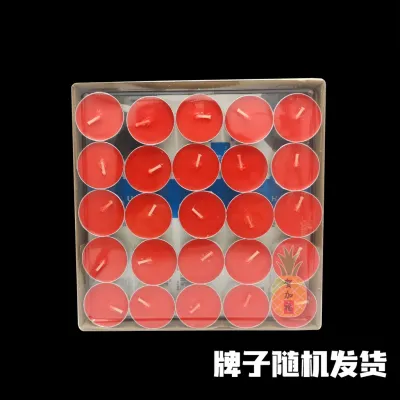
Wax candles offer a semi-solid alternative to liquid oil lamps, utilizing paraffin, soy, or beeswax to sustain a live flame. They are widely available in various shapes, sizes, and colors, with red and yellow being the most common for Buddhist altars.
- Aesthetic and Symbolism: Candles create a peaceful, intimate atmosphere with a soft, flickering glow. They do not require an external vessel if they are self-contained pillar candles, though they are commonly placed in decorative glass or metal candle holders.
- Maintenance Requirements: While they avoid the liquid spill risks of oil, candles present their own cleanup challenges. Melted wax can drip onto the altar surface, requiring careful scraping to avoid scratching wooden finishes. Soy and beeswax candles generally burn cleaner and longer than paraffin, but they still produce soot if the wick is not kept short.
- Safety and Environmental Impact: The burn rate of candles is relatively fast, meaning they must be replaced frequently, leading to higher long-term costs for daily practitioners. Like oil lamps, they present an active fire hazard and must be extinguished before you leave the house or go to sleep.
Electric and Battery-Operated Lamps
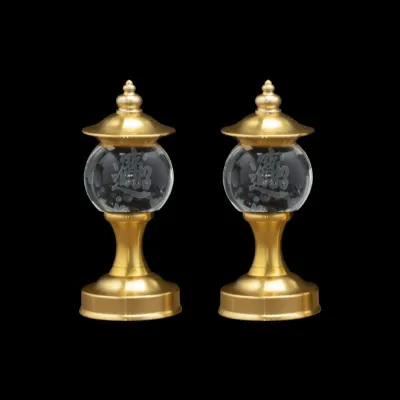
Electric and battery-operated lamps represent a highly practical solution for modern households, completely eliminating the risks associated with open flames. These fixtures are commonly designed in the shape of traditional lotus flowers or classic oil lamps, utilizing small incandescent bulbs or basic electronic light sources.
- Aesthetic and Symbolism: While they lack a physical flame, they provide a constant, reliable source of light. Many plug-in models feature decorative acrylic or crystal lotus petals that glow brightly, adding a vibrant decorative element to the altar.
- Maintenance Requirements: These lamps are virtually maintenance-free. There is no soot, smoke, or fuel residue to clean. Plug-in models run continuously without intervention, while battery-operated versions only require periodic battery replacements.
- Safety and Environmental Impact: With zero fire risk, these lamps can be left on 24/7, providing continuous illumination for your home altar. However, plug-in models introduce power cords that must be managed neatly to avoid tripping hazards or cluttered aesthetics. For battery-operated units, you must use high-quality batteries and check them periodically to prevent acid leakage from damaging the internal contacts.
LED Electronic Candles and Lotus Lamps
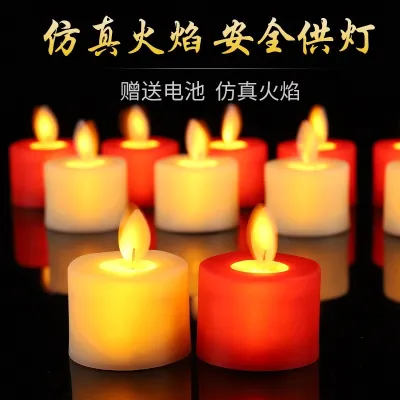
LED electronic candles and modern LED lotus lamps represent the latest evolution in altar lighting, specifically engineered to mimic the visual warmth and movement of a real flame without any of the associated safety hazards.
- Aesthetic and Symbolism: High-quality LED candles utilize moving magnetic wicks or advanced flickering algorithms to simulate a natural flame. The light emitted is typically a warm, soft yellow or amber, closely matching the color temperature of burning wax or oil.
- Maintenance Requirements: These energy-efficient devices consume minimal power, allowing battery-operated models to run for hundreds of hours on a single set of batteries. They produce no heat, making them safe to touch and safe for delicate altar environments.
- Safety and Environmental Impact: They are ideal for continuous, round-the-clock illumination. When purchasing LED altar lamps, it is important to inspect the color temperature and the realism of the flicker. Cheaper models can sometimes emit a harsh, bluish-white light or exhibit a mechanical, repetitive flicker that can feel distracting rather than peaceful.
Quick Comparison: Which Lamp Fits Your Living Situation?
To help you select the ideal option for your household, the table below compares the key attributes of each lamp type based on safety, upkeep, and traditional feel.
| Lamp Type | Fire Risk | Maintenance Level | Traditional Feel | Best Suited For |
|---|---|---|---|---|
| Traditional Oil | High | High | Very High | Dedicated altar rooms, spacious homes, daily practitioners |
| Wax Candles | High | Medium | High | Occasional rituals, short prayer sessions, well-ventilated spaces |
| Electric (Plug-in) | Low | Low | Medium | Busy households, 24/7 altar illumination, modern HDB flats |
| LED (Flickering) | None | Low | High | Compact spaces, families with pets/children, frequent travelers |
Scenario 1: Small HDB Bedroom or Poorly Ventilated Space
If your altar is located in a small bedroom, a study, or an enclosed living area with limited airflow, prioritizing indoor air quality and fire safety is paramount. In these environments, open flames can quickly deplete oxygen levels and deposit fine soot on your walls and ceiling, which is difficult to clean and can trigger respiratory sensitivities. For these spaces, LED electronic candles or plug-in electric lotus lamps are highly recommended. They provide a beautiful, clean glow without compromising your home’s air quality or triggering household smoke detectors.
Scenario 2: Dedicated Altar Room with Good Ventilation
For practitioners who have a spacious, well-ventilated living room or a dedicated prayer room, traditional oil lamps offer an unmatched spiritual experience. If you have the time to dedicate to daily altar upkeep—such as trimming the wick and refilling the oil—the ritual of tending a live flame can become a deeply grounding part of your daily spiritual routine. Ensure that the lamp is placed on a stable, heat-resistant surface away from any drafts that could cause the flame to flicker excessively or ignite nearby objects.
Scenario 3: Frequent Travelers or Busy Professionals
If your schedule involves long working hours, frequent business trips, or regular travel, maintaining a live flame is simply not practical or safe. To ensure your altar remains illuminated and respectful in your absence, opt for timer-equipped plug-in LED lamps or high-quality battery-operated LED candles. Many modern LED altar lights feature built-in automatic timers (such as 6 hours on, 18 hours off), allowing the lights to turn on and off automatically every day, maintaining the continuity of your offerings without requiring any daily manual intervention.
Safety and Maintenance Tips for Home Altars
Proper care and safety practices are essential to ensure that your home altar remains a peaceful, hazard-free space. Whether you choose traditional open flames or modern electrical fixtures, adhering to basic safety boundaries is crucial.
Fire Safety Boundaries
If you choose to burn traditional oil lamps or wax candles, establish strict safety habits. Never leave an open flame unattended under any circumstances; if you must leave the room or the house, extinguish the flame completely. Keep all open flames at a safe distance—at least 1 meter—from combustible materials such as window curtains, wooden cabinets, hanging scrolls, and dry floral offerings. Additionally, ensure your home complies with local residential fire safety guidelines. For Singapore homes, it is highly recommended to install a working smoke detector near the living area, but far enough from the kitchen or altar to prevent false alarms from cooking or incense smoke.
Cleaning and Upkeep
Over time, traditional metal lamp holders made of brass, copper, or bronze will accumulate soot, oil residue, and tarnish. To clean these items safely, first consult the manufacturer’s specific care instructions. Generally, you can soak metal and glass components in warm, soapy water to loosen stubborn grease. Use a soft microfiber cloth or a non-abrasive sponge to gently wipe away the residue; avoid using harsh steel wool or abrasive scrubbing pads, which can permanently scratch and damage polished surfaces. After washing, dry the components thoroughly with a clean towel to prevent water spots and corrosion before refilling them with oil.
Before performing any deep cleaning on specialized materials or coated metals, always check the product’s label and the manufacturer’s care guidelines. If instructions conflict or are unavailable, test a small, hidden area first or consult a professional conservator.
Electrical and Battery Care
For those utilizing electric or LED altar lamps, electrical safety must be a priority.
- Voltage and Compatibility: Always verify that plug-in lamps are compatible with Singapore's standard residential voltage (220V-240V, 50Hz).
- Safety Certifications: Ensure that any plug-in electrical appliance or power adapter carries a recognized safety certification, such as the Enterprise Singapore SAFETY Mark, indicating it has been tested and approved for safe household use.
- Cord Management: Keep power cords neatly organized and tucked away behind the altar to prevent tripping hazards. Never run power cords under rugs or pinch them behind heavy wooden furniture, as this can damage the insulation and lead to short circuits.
- Battery Maintenance: For battery-operated LED lamps, inspect the battery compartment every few months. Remove the batteries if you plan to leave the lamps unused for an extended period, as leaking battery acid can corrode the metallic contacts and ruin the electronic components.
Frequently Asked Questions (FAQ)
Is it disrespectful to use LED lights instead of a real flame?
No, it is not considered disrespectful. In modern Buddhist practice, the physical flame is a symbol of wisdom and the elimination of ignorance. What matters most is the sincerity of your devotion and the purity of your intent. Many prominent Buddhist temples and monastic communities worldwide utilize LED lights and electronic candles due to safety, environmental, and practical considerations. Using LED lights is a highly respected and practical way to maintain a clean, safe, and continuous offering in a modern home.
Can I use scented or essential oil lamps for my Buddha altar?
It is generally recommended to avoid using strongly scented oils or concentrated essential oils directly in your altar lamps. Synthetic fragrances and highly concentrated oils can produce irritating smoke, cause headaches, or trigger respiratory discomfort in enclosed indoor environments. For a traditional oil lamp, it is best to use pure, unscented vegetable oils, canola oil, or traditional ghee. These burn cleanly and minimize soot, ensuring that the atmosphere around your altar remains calm, pure, and free of physical distractions.
How do I safely dispose of used altar oil and wax?
You should never pour liquid altar oil or melted wax down your kitchen or bathroom sink. As the oil cools or the wax solidifies, it will cling to the interior of your pipes, leading to severe blockages that require professional plumbing repairs. To dispose of liquid oil safely, allow it to cool, wipe up any excess with paper towels, and place the soiled towels in your general waste bin. For wax candles, let the wax cool and harden completely, then gently scrape it off using a plastic tool and discard it directly into the household trash.
Community discussion
Share your experience or ask a question. Comments are reviewed before publication.