
Selecting the right ceiling lamp for a Housing & Development Board (HDB) flat with a standard 2.6-metre ceiling height requires balancing physical clearance with visual comfort. In these compact vertical spaces, the ideal fixtures are low-profile flush-mounts, ultra-slim LED panels, and carefully proportioned semi-flush mounts with minimal drop lengths. These designs preserve precious headroom, prevent the living space from feeling claustrophobic, and ensure that light distributes evenly across the room. By prioritizing fixtures that hug the ceiling closely, homeowners can create an open, airy atmosphere while maintaining a safe and functional environment.
Understanding the 2.6m Ceiling Constraint
A ceiling height of 2.6 metres presents unique spatial challenges that directly influence how light fixtures behave and how a room is perceived. When a bulky or low-hanging fixture is installed in such a space, it occupies valuable vertical real estate, drawing the eye downward and making the ceiling feel lower than it actually is. This visual weight can make standard-sized HDB living rooms and bedrooms feel cramped. Choosing a fixture with a slim profile helps mitigate this effect, keeping the overhead plane clean and visually unobstructed.
Headroom clearance is another critical factor. For safety and comfort, walking paths and active living areas require enough clearance to prevent taller occupants or guests from accidentally bumping into the light fixture. As a general rule, the bottom of a ceiling lamp in high-traffic zones should remain well above head height, leaving ample clearance for normal movement and raised arms.
Products mentioned in this guide
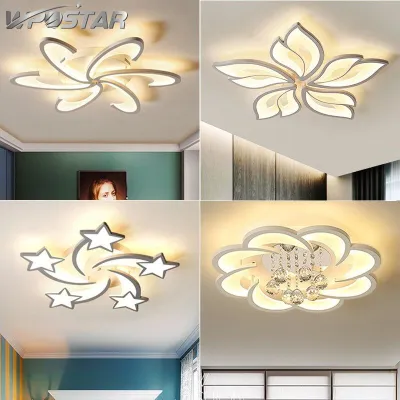
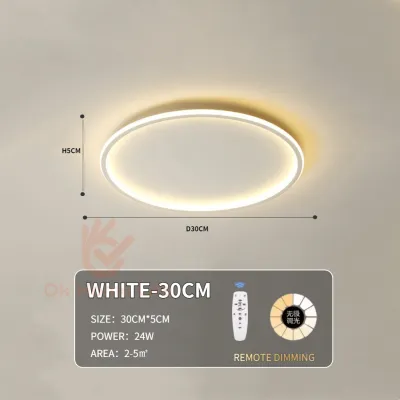
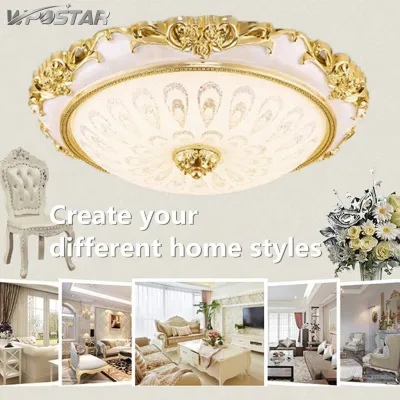
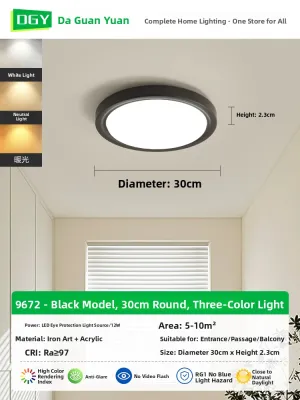
Prices are valid at publication and may change. Please refer to the product page for the latest price.
Additionally, mounting a light source close to a low ceiling alters how light spreads. Because the fixture is positioned nearer to the floor and walls, the light has less distance to disperse. This can result in a narrower pool of light directly beneath the fixture and darker corners if the beam angle is too tight. To counter this, fixtures designed for low ceilings must utilize wide beam angles and effective diffusion materials to scatter light horizontally across the space.
Recommended Ceiling Lamp Styles for Low Ceilings
To maximize both physical clearance and visual space in a 2.6-metre HDB flat, homeowners should focus on fixtures that minimize vertical drop. Transitioning from traditional hanging lights to low-profile alternatives allows you to maintain an open feel without sacrificing style or illumination quality. The most effective form factors for these spaces fall into two primary categories: flush-mount fixtures, which sit directly against the ceiling surface, and semi-flush mounts, which offer a slight decorative drop while keeping the fixture body close to the ceiling.

Flush-Mount and Slim LED Panels
Flush-mount ceiling lamps and ultra-slim LED panels are the most practical choices for standard HDB ceiling heights. These fixtures feature a zero-drop design, meaning the entire housing mounts directly against the concrete slab or plaster ceiling. Modern slim LED panels often have a profile thickness of less than three centimetres, making them virtually flush with the ceiling surface. This low profile provides edge-to-edge illumination that blends seamlessly into the architecture, creating the illusion of a higher ceiling and a more expansive room.
When selecting a flush-mount fixture, pay close attention to the beam angle and the diffuser material. A wide beam angle of 120 degrees or more is ideal for low ceilings, as it ensures the light spreads outward to illuminate the walls and corners rather than casting a harsh, downward spotlight. High-quality acrylic or frosted glass diffusers are essential for glare reduction, softening the light output from integrated LEDs so that it remains comfortable for eyes when looking upward.
These zero-drop fixtures are highly versatile and suitable for almost any room type in an HDB flat. They perform exceptionally well in bedrooms, kitchens, and hallways where space is at a premium and clear walking paths are essential. In the living room, a large, slim LED panel can serve as a clean, minimalist primary light source that keeps the central seating area feeling open and uncluttered.
Semi-Flush Mounts With Short Drops
For homeowners who prefer a more decorative look than a standard flat panel, semi-flush mount ceiling lamps offer an excellent compromise. These fixtures feature a very short stem or canopy that suspends the light body slightly below the ceiling, typically leaving a gap of five to fifteen centimetres. This small gap allows a portion of the light to bounce off the ceiling surface, creating a soft, indirect glow that can make the room feel brighter and more spacious.
When choosing a semi-flush mount, it is crucial to calculate the maximum allowable drop length based on where the fixture will be placed and the height of the household members. For open walking areas, the total drop of the fixture—including the canopy, stem, and shade—should generally not exceed twenty to twenty-five centimetres. This ensures the fixture remains safely out of the way of daily activities while still providing a distinct design element.
Balancing visual proportion is also key when selecting these fixtures. A shade that is too deep or bulky will look disproportionate and heavy in a room with a 2.6-metre ceiling. Opt for shallow shades, open-cage designs, or multi-bulb fixtures with horizontal arms that spread outward rather than downward. Additionally, check the visibility of the bulbs from standing and sitting positions; exposed bulbs in short-drop designs can cause uncomfortable glare if they are not shielded by frosted glass or positioned high enough within the fixture. Ensure the design allows for adequate heat dissipation, particularly if using enclosed shades with high-wattage bulbs.
Lighting Styles to Avoid or Adapt
While certain decorative lighting styles are visually appealing in showrooms, they can create physical hazards and visual clutter when installed under a 2.6-metre ceiling. High-risk styles include long pendant lights, multi-tier chandeliers, and deep, bulky drum shades. These fixtures hang too low, disrupting walking paths, blocking sightlines across the room, and making the ceiling feel oppressively low. A large chandelier in a standard HDB living room can dominate the space, making the entire room feel smaller and more cramped.
However, you do not have to abandon drop fixtures entirely if you adapt their placement. Hanging or pendant lights can be used safely if they are positioned strictly over stationary furniture where people do not walk. For example, suspending a pendant light over a dining table, a kitchen island, or a bedside table keeps the fixture out of active walking zones. In these specific scenarios, the table or counter acts as a physical barrier, preventing anyone from walking beneath the light and eliminating the risk of head collisions.
Even when adapting these fixtures, keep the scale of the room in mind. Avoid complex, intricate designs with heavy visual weight in compact spaces. Instead, choose slender, minimalist pendants with transparent or light-colored shades that do not block the view across the room. Keeping the design simple helps maintain a sense of flow and prevents the lighting from overwhelming the interior decor.
Planning Your Lighting Layout and Measurements
Before purchasing any ceiling lamp, taking precise measurements of your space is essential to ensure a proper fit and avoid installation issues. Start by measuring the exact distance from the finished floor to the ceiling junction box. While HDB flats generally have a nominal ceiling height of 2.6 metres, actual measurements can vary slightly due to floor screeding, tiling, or the installation of plaster false ceilings. Knowing the exact height allows you to calculate the maximum allowable fixture depth down to the centimetre.
Next, check for potential spatial conflicts with other overhead fixtures and built-in furniture. In Singapore’s warm climate, ceiling fans are common additions to HDB living rooms and bedrooms. Ensure that any new ceiling lamp is positioned far enough away from the ceiling fan blades to prevent strobing effects—where the fan blades repeatedly block the light, creating a flickering sensation. You must also verify that wardrobe doors, kitchen cabinet doors, and air conditioning vents have sufficient clearance to open and operate without hitting the light fixture.
Rather than relying on a single, overly bright central ceiling lamp to illuminate an entire room, plan a layered lighting layout. Combining a low-profile central fixture with secondary light sources—such as wall sconces, floor lamps, or track lighting along the perimeter—allows you to distribute light more evenly. This approach reduces shadows, minimizes glare, and gives you the flexibility to adjust the light levels based on the time of day and the activity in the room.
Installation and Electrical Safety Checks
Installing a new ceiling lamp involves working with fixed electrical wiring, which requires strict adherence to safety protocols. Before beginning any installation or maintenance work, always isolate the power by turning off the main circuit breaker at the distribution board. Never rely solely on the wall switch to cut the power. If you are replacing an existing fixture, verify that the ceiling junction box is securely mounted to the concrete slab and rated to support the weight of the new lamp.
It is also important to verify that your existing wiring and switches are compatible with the new fixture. This is particularly critical for modern integrated LED panels or smart ceiling lamps, which may require specific dimming switches or stable voltage to function correctly without flickering. Check the manufacturer’s instructions for voltage requirements (typically 220-240V in Singapore), maximum wattage limits, and compatible dimmer models before completing the purchase.
For any complex installations, work at height, or modifications to the existing electrical wiring, do not attempt a DIY installation. In Singapore, electrical work should be carried out by a licensed electrical worker to ensure compliance with local safety standards. If you need to run new conduits, install additional junction boxes, or mount heavy fixtures, hiring a qualified professional guarantees that the installation is structurally secure and electrically safe.
Frequently Asked Questions (FAQ)
Can I install a ceiling fan with a light in a 2.6m HDB room?
Yes, you can install a ceiling fan with an integrated light in a 2.6-metre HDB room, but you must select a low-profile, hugger-style fan designed specifically for low ceilings. Ensure the fan blades sit at a safe height above the floor, adhering to local safety guidelines which typically recommend a minimum clearance of 2.4 metres from the floor to the blades. Opt for a fan with a compact, integrated LED light kit rather than a bulky, downward-pointing light fixture to maximize headroom and prevent the fan from obstructing airflow or causing light strobing.
How do I clean flush-mount ceiling lamps without removing them?
Routine cleaning of flush-mount ceiling lamps can be done safely from the ground using an extendable duster with a static-charge or microfiber head to trap dust and cobwebs. For a deeper clean to remove grease or insects inside the diffuser, turn off the power at the main breaker first. Use a sturdy stepladder to reach the fixture safely, and carefully wipe the exterior with a dry or slightly damp microfiber cloth. Always consult the manufacturer’s instructions before using any liquid cleaners or removing the diffuser cover, as some acrylic or glass materials can be damaged by harsh chemicals.
Community discussion
Share your experience or ask a question. Comments are reviewed before publication.